
Is the North Korean Economy Really ‘Booming’?
This article dissects the available data—principally the Korea Trade‑Investment Promotion Agency (KOTRA) figures, Korea Development Institute (KDI) analyses, and satellite‑based proxies—to assess the extent to which the heavy‑industry surge translates into broader economic resilience.

In the wake of North Korea’s deepening military cooperation with Russia throughout 2026, analysts have revisited the claim that the Hermit Kingdom’s economy is “booming.” The narrative, popularized by a June 2026 Wall Street Journal piece that called Pyongyang the “world’s most surprising economic success story,” rests on a mixture of observable trade rebounds, covert revenue streams, and a newly articulated domestic development agenda. This article dissects the available data—principally the Korea Trade‑Investment Promotion Agency (KOTRA) figures, Korea Development Institute (KDI) analyses, and satellite‑based proxies—to assess the extent to which the heavy‑industry surge translates into broader economic resilience.
Trade Recovery and the Limits of External Commerce
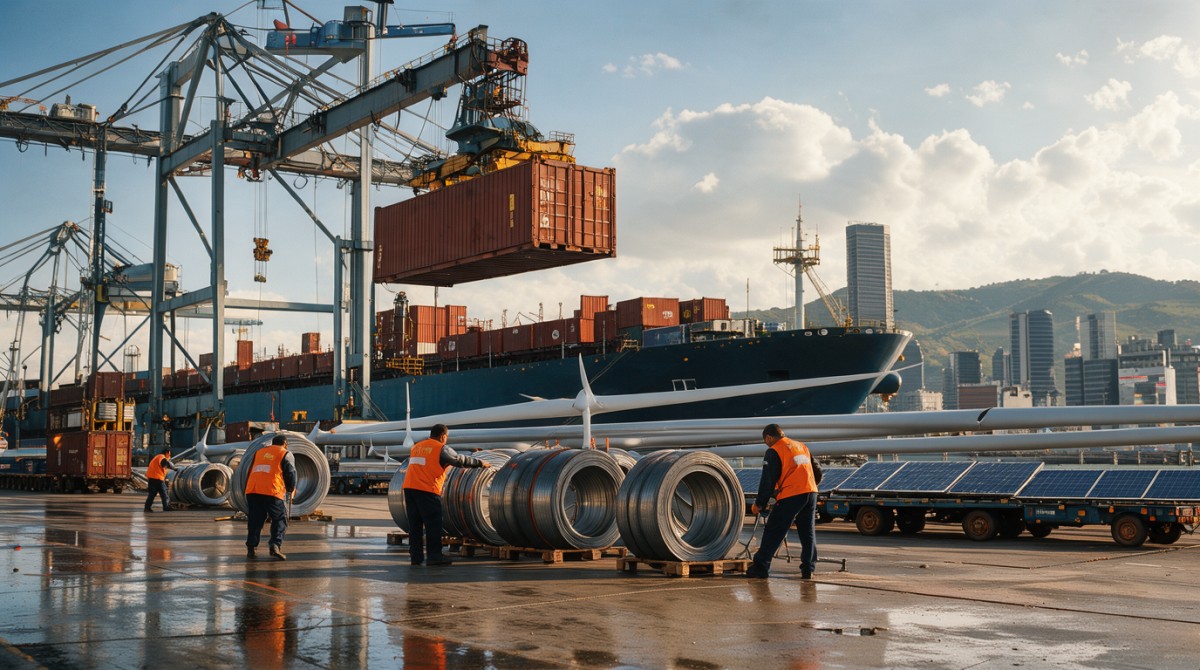
KOTRA’s most recent statistics show that North Korea’s external trade continued a modest post‑COVID recovery in 2025, reaching a total value of $3.13 billion, up from $2.70 billion in 2024. The upward trajectory persisted into the first nine months of 2026, with imports expanding by 12.1 percent over the same period in 2025 and exports climbing by a more pronounced 50.5 percent. While the export surge suggests a partial re‑engagement with overseas markets, the overall trade volume remains a fraction of the levels recorded a decade earlier; in 2016, North Korean exports had peaked at $2.8 billion, nearly six times the 2025 total.
China continues to dominate the trade landscape, accounting for 98.2 percent of North Korea’s external transactions in 2025. The absence of data on North Korea‑Russia trade—Russia ceased publishing bilateral figures after its 2022 invasion of Ukraine—obscures a potentially significant component of Pyongyang’s commerce, especially given the strategic nature of Russian petroleum and food shipments reported in a 2025 KDI study. Nonetheless, the widening trade deficit, which grew from $550 million in 2021 to $2.2 billion in 2025, underscores that the export gains have been outstripped by import growth, limiting the macro‑economic impact of the trade recovery.
Strategic Revenues from Russia: Military Exports and Labor Deployments
Beyond conventional trade, North Korea derives substantial, albeit opaque, revenues from its security partnership with Moscow. The Institute for National Security Strategy of South Korea estimates that between August 2023 and December 2025, the value of North Korean military materiel and labor exports to Russia ranged from $7.67 billion to $14.4 billion. While these figures are subject to methodological uncertainty, they indicate a revenue stream that could rival or exceed the country’s official export earnings.
Complementary to the material transfers, analysts have noted that Russia has supplied refined petroleum products valued at $54.9 billion between 2018 and 2020, as well as wheat, machinery, and power‑generation components. The financial terms of these exchanges—whether settled in cash, barter, or in‑kind payments—remain unclear, but the strategic interdependence suggests that Pyongyang’s fiscal calculations now incorporate a hybrid model of conventional trade, military procurement, and covert income from cyber‑theft and sanctions violations.
Satellite Light Emissions: A Proxy for Sectoral Growth
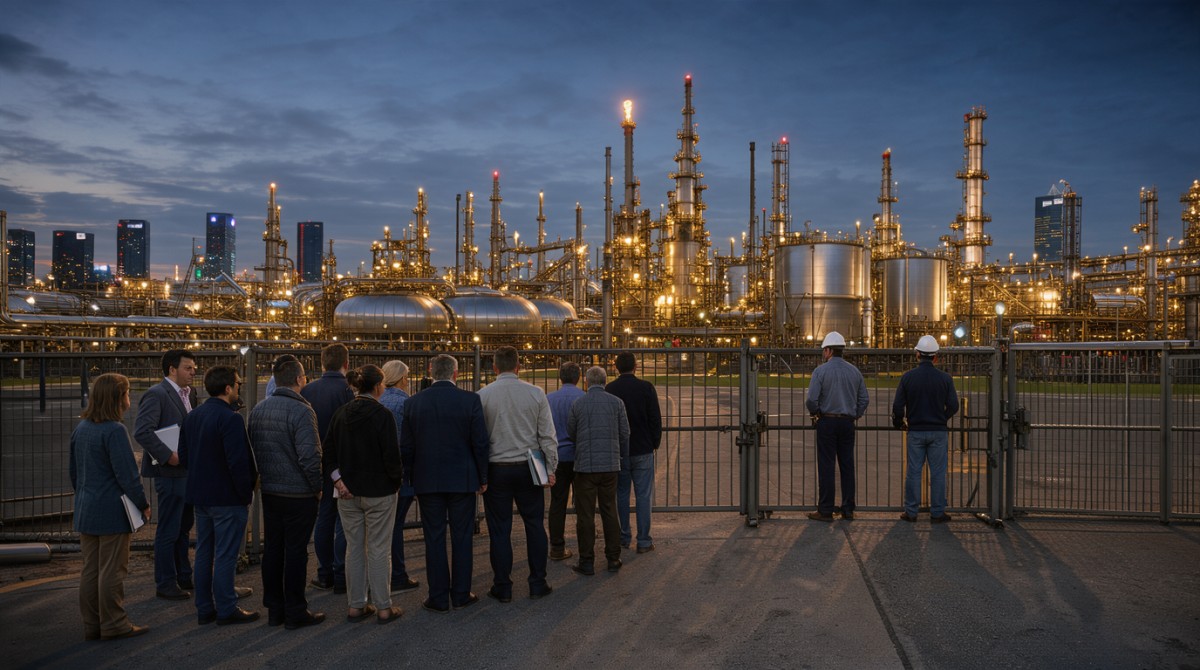
Given the paucity of reliable economic statistics, researchers have turned to remote sensing to gauge activity. KDI satellite analyses of nighttime light emissions reveal a differentiated pattern: regions dense with heavy industry and defense production have shown heightened luminosity following the deepening of Pyongyang‑Moscow ties, whereas areas dominated by civilian sectors—food processing, tobacco, beverages, and animal feed—display little change. This spatial disparity aligns with Bank of Korea estimates that, in 2024, the heavy industrial sector grew by 10.7 percent and mining by 8.8 percent, while light industry contracted by 0.7 percent and agriculture, forestry, and fishing fell by 1.9 percent.
The correlation between light intensity and sectoral output suggests that the apparent economic revival is concentrated in state‑driven, capital‑intensive industries that benefit directly from Russian inputs and the regime’s prioritization of defense capabilities. By contrast, the stagnant or declining civilian sectors indicate limited trickle‑down effects for ordinary households.
The “20 × 10” Regional Development Policy: Ambitions and Constraints
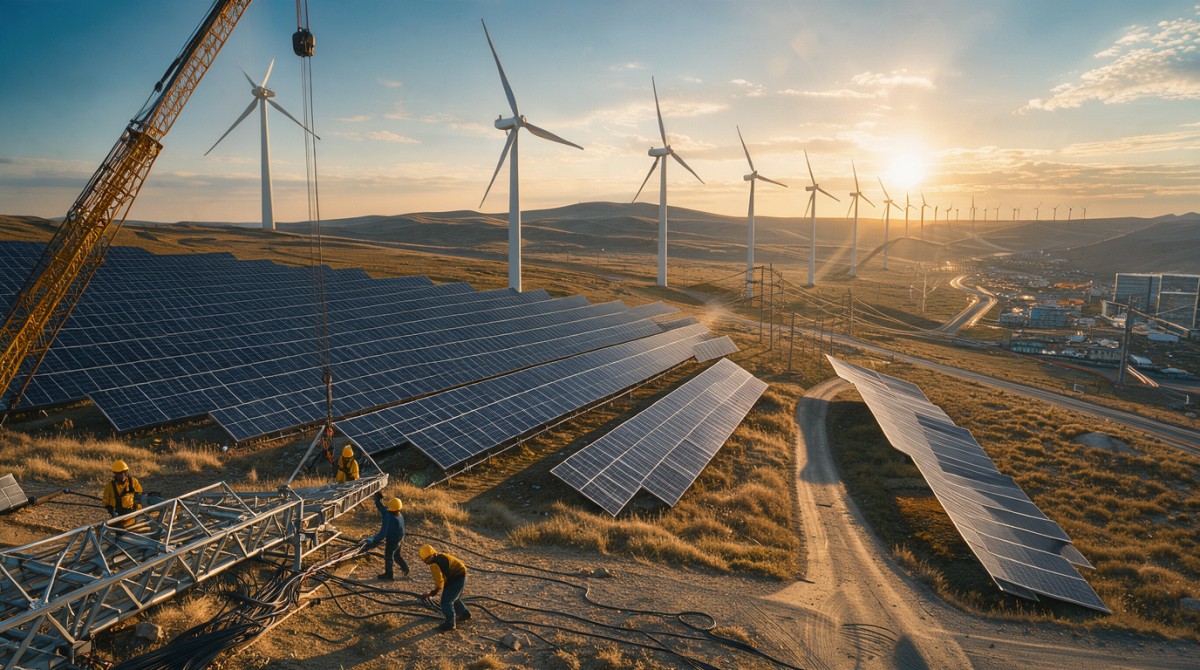
Since January 2024, the North Korean leadership has pursued the “20 × 10” Regional Development Policy, pledging to construct factories in 20 cities or counties each year for a decade. The policy aims to redress the long‑standing Pyongyang‑centric bias of industrial investment by expanding light‑industry capacity—food processing, clothing, and consumer goods—while also incorporating hospitals, cultural facilities, and grain‑management infrastructure.
Satellite analyses cited by the Korea Institute for International Economic Policy detect a 24 percent rise in nighttime luminosity within the designated zones, implying that construction activity has intensified. However, the policy’s efficacy is contested. Observers note a gap between the erection of facilities and the operational readiness required for sustained production, given persistent deficits in reliable electricity, raw material supply chains, skilled labor, and market access. Moreover, internal criticism from Kim Jong Un regarding substandard factory construction raises questions about the quality and durability of the new assets.
Resource Allocation: Heavy Industry versus Civilian Needs
The juxtaposition of the “20 × 10” initiative with the heavy‑industry surge raises a critical allocation dilemma. While the policy channels construction resources toward civilian manufacturing, the broader growth trajectory remains anchored in sectors that receive direct Russian inputs—refined petroleum, machinery, and defense materiel. The 24 percent luminosity increase in policy‑targeted areas may reflect a diversion of energy and capital from non‑prioritized regions, potentially exacerbating regional disparities.
Furthermore, the sheer scale of the factory‑building program appears inefficient given North Korea’s modest population and limited domestic demand. The lack of economies of scale in producing consumer goods could result in underutilized capacity, inflating the fiscal cost of the policy without delivering commensurate improvements in living standards.
Assessing the “Boom” Narrative: Sectoral Imbalance and Future Prospects
When the Wall Street Journal framed North Korea as a “surprising economic success story,” it captured a genuine uptick in certain macro‑indicators—rising export volumes, expanding heavy‑industry output, and a robust pipeline of Russian‑linked revenues. Yet, the underlying data reveal a more nuanced picture. Trade growth is modest and offset by a widening deficit; heavy‑industry gains are not mirrored in light‑industry or agricultural performance; and the “20 × 10” policy, while ambitious, confronts systemic constraints that limit its transformative potential.
Looking ahead, the sustainability of the current growth trajectory hinges on several variables. Continued Russian support—particularly in petroleum and food supplies—remains vulnerable to geopolitical shifts and Moscow’s own economic pressures. International sanctions, which restrict access to advanced technology and finance, will likely continue to constrain the expansion of both heavy and light industries. Finally, the regime’s capacity to convert construction output into functional, market‑oriented production will determine whether the “boom” translates into tangible improvements in civilian welfare.
Conclusion: A Conditional Resurgence Within a Fragile Framework
In sum, the evidence assembled from KOTRA trade data, KDI satellite analyses, and South Korean security estimates points to a conditional resurgence of the North Korean economy, concentrated in sectors that directly serve the state’s defense and strategic partnership with Russia. The “boom” narrative, while not wholly unfounded, must be calibrated against the persistent trade deficit, the limited reach of growth into civilian markets, and the structural challenges inherent in the “20 × 10” regional development agenda. As scholars of Korean diplomacy and economic policy, we must therefore view the current upturn as a precarious equilibrium—one that reflects Pyongyang’s adaptive resource mobilization under sanctions, but remains highly sensitive to external shocks and internal implementation bottlenecks.
This article was produced with AI-assisted research and editorial support. Reporting is based on the source material cited below. Sources: The Diplomat; thediplomat.com; Global1.News (26 November 2026).
By Prof. David Park, Staff Writer
What's Your Reaction?
 Like
0
 Dislike
0
 Love
0
 Funny
0
 Wow
0
 Sad
0
 Angry
0
East Asia/Technology Correspondent at Global1.News. Seoul-based voice covering Korean politics, technology, business, and culture. Analyzes how technology and geopolitics intersect across East Asia.











Comments (0)