
Future of Health in South Africa: Tech, Policy and an Ageing Nation
In a recent Al Jazeera English feature titled “Are we ready to live longer? In South Africa, the proliferation of smartphones and increasing internet penetration mean that similar technologies could be rolled out to support both elite athletes and community sport participants.
In a recent Al Jazeera English feature titled “Are we ready to live longer? | Centre Stage”, Dr Slim Slama, the chief executive of Qatar Foundation’s World Innovation Summit for Health (WISH), laid out a sweeping vision of how technology, public policy and shifting demographics will reshape health and ageing across the globe. While the report was filmed far from South Africa’s shores, the themes resonated strongly with the challenges and opportunities facing our own health system, from the bustling clinics of Johannesburg to the remote health posts in the Eastern Cape. As a South African sports journalist, I’m constantly reminded that the health of athletes mirrors the health of the nation, and Dr Slama’s insights offer a useful lens through which to examine the future of South African sport, medicine and the broader social fabric.
Technological Innovation: From Wearables to AI Diagnostics
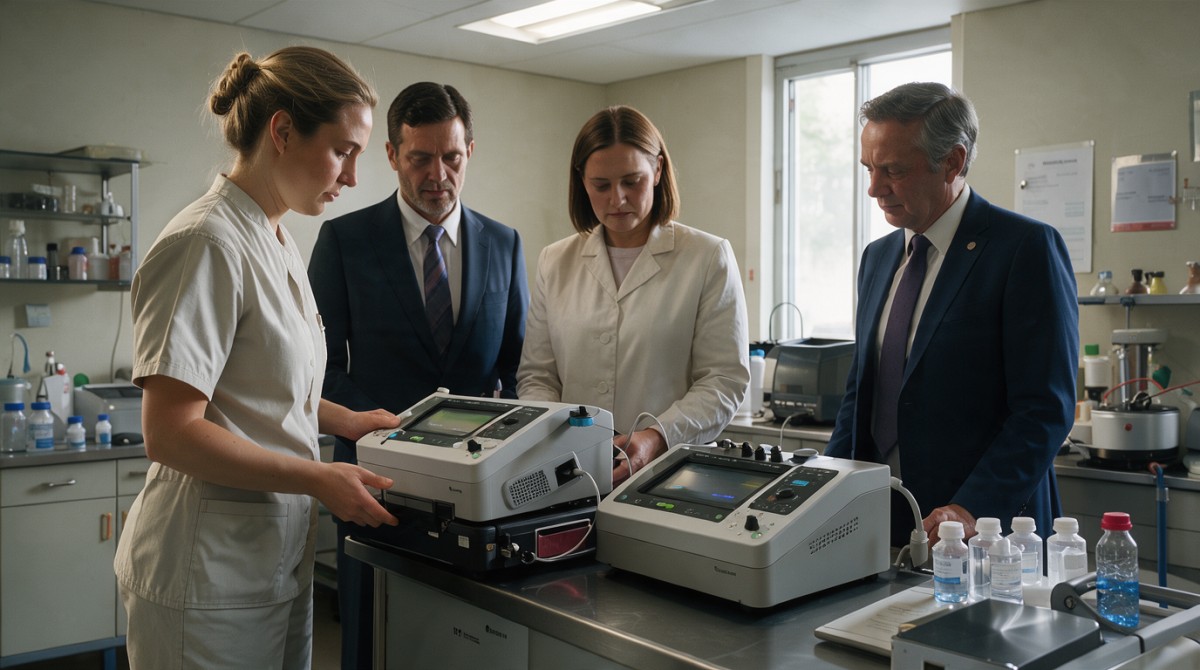
Dr Slama highlighted the rapid rise of wearable devices that monitor everything from heart rate to blood oxygen levels, suggesting that such tools could become as commonplace as a pair of running shoes. In South Africa, the proliferation of smartphones and increasing internet penetration mean that similar technologies could be rolled out to support both elite athletes and community sport participants. Imagine a provincial cricket academy where every bowler’s biomechanics are captured in real time, or a grassroots football league in KwaZulu‑Natal using low‑cost sensors to flag early signs of over‑use injuries.
Beyond wearables, the report underscored the growing role of artificial intelligence in interpreting medical data. AI algorithms can sift through massive imaging datasets to spot patterns that elude even seasoned radiologists. For South African health officials, this presents a tantalising prospect: leveraging AI to bridge the gap between urban specialist centres and under‑resourced rural clinics. If AI‑driven diagnostics were integrated into provincial health services, a farmer in the Northern Cape could receive a rapid, accurate assessment of a cardiac condition without travelling to Pretoria.
The potential for AI to enhance sports medicine is equally compelling. Teams like the Springboks and the Proteas could adopt AI‑powered injury‑prediction models, allowing coaches to fine‑tune training loads and protect players from career‑threatening setbacks. Dr Slama’s emphasis on technology as an enabler rather than a replacement aligns with South Africa’s own cautious approach to digital health – one that balances innovation with the need for robust data governance.
Public Policy: Steering Innovation Towards Equity
In the Al Jazeera segment, Dr Slama stressed that technological breakthroughs alone would not guarantee better health outcomes; supportive public policy is essential. South Africa’s health landscape is already shaped by policies aimed at transformation and universal health coverage, yet the rollout of new technologies often encounters bureaucratic bottlenecks. The video’s call for forward‑looking policy frameworks resonates with ongoing debates in the Department of Health about integrating digital health records and telemedicine into the public system.
One of the key policy levers discussed by Dr Slama is the alignment of regulatory standards with emerging tech. For South African sport, this could translate into clear guidelines for the use of biometric data, ensuring that athletes’ privacy is protected while still enabling performance optimisation. The recent controversy surrounding the South African Rugby Union’s data‑sharing agreements illustrates the delicate balance between innovation and consent – a balance that policymakers must navigate carefully.
Moreover, Dr Slama highlighted the importance of public‑private partnerships in scaling health innovations. In South Africa, collaborations between the National Department of Health, private tech firms, and research institutions could accelerate the deployment of AI diagnostic tools in public hospitals. Such partnerships could also extend to sports academies, where private sponsors might fund the installation of advanced monitoring systems in exchange for community development credits, thereby reinforcing the social role of sport in nation‑building.
Demographic Shifts: An Ageing Population and the Rise of Chronic Disease
The video’s central question – “Are we ready to live longer?” – directly confronts the reality that South Africa’s demographic profile is changing. While the nation still has a relatively young population, life expectancy has risen steadily, and the burden of chronic diseases such as diabetes and hypertension is growing. Dr Slama argued that health systems must adapt to a longer‑lived populace, a point that hits home for South African sport administrators planning for the future.
Longer life spans mean that former athletes will need ongoing health support well after retirement. Former Springbok captain Siya Kolisi, for example, has spoken publicly about the importance of post‑career health monitoring for rugby players. Dr Slama’s insights suggest that integrating long‑term health tracking into athlete welfare programmes could become a norm, ensuring that former stars receive the same preventative care that younger players enjoy.
At a community level, an ageing population will increase demand for health services in townships and rural areas. The video’s emphasis on technology as a bridge to underserved populations aligns with South Africa’s own push to expand primary health care through mobile clinics and telehealth. If these tools are deployed effectively, they could also support grassroots sport initiatives, offering health screenings and injury prevention education to children in schools across the provinces.
Economic Implications: Investing in Health Innovation
While the Al Jazeera piece did not provide specific financial figures, Dr Slama’s discussion implied that investment in health technology can yield economic dividends. For South Africa, a nation still grappling with unemployment and inequality, the health tech sector could become a source of jobs and skilled employment. Training programmes that teach young South Africans to develop health‑focused apps or AI models could feed directly into the growing digital economy.
The sports industry, a significant contributor to tourism and local economies, stands to benefit from these investments as well. Enhanced medical support for athletes can extend careers, attract international events, and boost the marketability of South African sport. For instance, a well‑publicised partnership between a South African football club and a health‑tech start‑up could showcase the nation’s capacity to host cutting‑edge sports science conferences, drawing expertise from abroad.
Furthermore, Dr Slama’s emphasis on public policy shaping market dynamics suggests that government incentives – such as tax breaks for health‑tech research or grants for community health projects – could catalyse a vibrant ecosystem. Aligning these incentives with transformation goals would ensure that benefits reach historically disadvantaged communities, reinforcing sport’s role as a vehicle for social uplift.
Social Cohesion: Health, Sport and Nation‑Building
Beyond the technical and economic dimensions, the video reminded viewers that health is a social glue that binds communities together. In South Africa, sport has long been a platform for unity, from the 1995 Rugby World Cup triumph to the 2010 FIFA World Cup. Dr Slama’s narrative that longer, healthier lives can amplify the positive impact of sport resonates with the country’s ongoing journey toward reconciliation and shared prosperity.
When health technologies enable more people to participate in sport – whether through accessible physiotherapy apps or community health programmes that keep children active – the ripple effects extend to education, crime reduction and economic participation. The report’s focus on demographic shifts underscores that as South Africans live longer, the need for inclusive, inter‑generational sport programmes becomes paramount.
In practice, this could mean expanding initiatives like the South African Sports Confederation and Olympic Committee’s grassroots outreach, integrating health‑tech tools to monitor participants’ well‑being. By doing so, sport can continue to serve as a conduit for transformation, offering safe spaces where young people from townships and rural farms alike can develop talent, confidence and a sense of belonging.
Looking Ahead: Preparing South Africa for a Healthier Future
Dr Slim Slama’s Al Jazeera interview painted a picture of a world where technology, policy and demographic realities intersect to redefine how we age and stay healthy. For South Africa, the message is clear: the country must harness these forces to strengthen its health system, empower its athletes and uplift its communities. The challenge lies in translating global ideas into locally relevant actions that respect our unique social fabric.
Key steps include: fostering public‑private partnerships that bring AI diagnostics to provincial hospitals; crafting sport‑specific data policies that protect athletes while enabling performance gains; investing in health‑tech education to build a skilled workforce; and embedding health monitoring into athlete welfare programmes from school level to professional ranks. By aligning these strategies with transformation imperatives, South Africa can ensure that the benefits of longer, healthier lives are shared across all provinces and demographics.
In the weeks and months ahead, watch for policy announcements from the Department of Health, pilot projects in sports academies, and collaborations between tech start‑ups and community organisations. As the nation prepares for a future where living longer becomes the norm, the synergy between health innovation and sport will be a cornerstone of South Africa’s continued quest for unity, excellence and a brighter, healthier tomorrow.
By Dante Williams, Staff Writer
This article was produced with AI-assisted research and editorial support. Reporting is based on the source material cited below. Sources: Al Jazeera English video report (26 November 2026); Al Jazeera English; Global1.News
What's Your Reaction?
 Like
0
 Dislike
0
 Love
0
 Funny
0
 Wow
0
 Sad
0
 Angry
0

Breaking News and Investigations Correspondent at Global1.News. Based in London, covering global breaking news, security, and investigative stories. Known for digging deeper and connecting the dots across continents.














Comments (0)