
Thirlwall Report Due Today: The Failures That Let Lucy Letby Go Unstopped for a Year
The Thirlwall Inquiry publishes its final report in Liverpool today, almost a year late, setting out how the Countess of Chester Hospital let Lucy Letby go unstopped for twelve months.
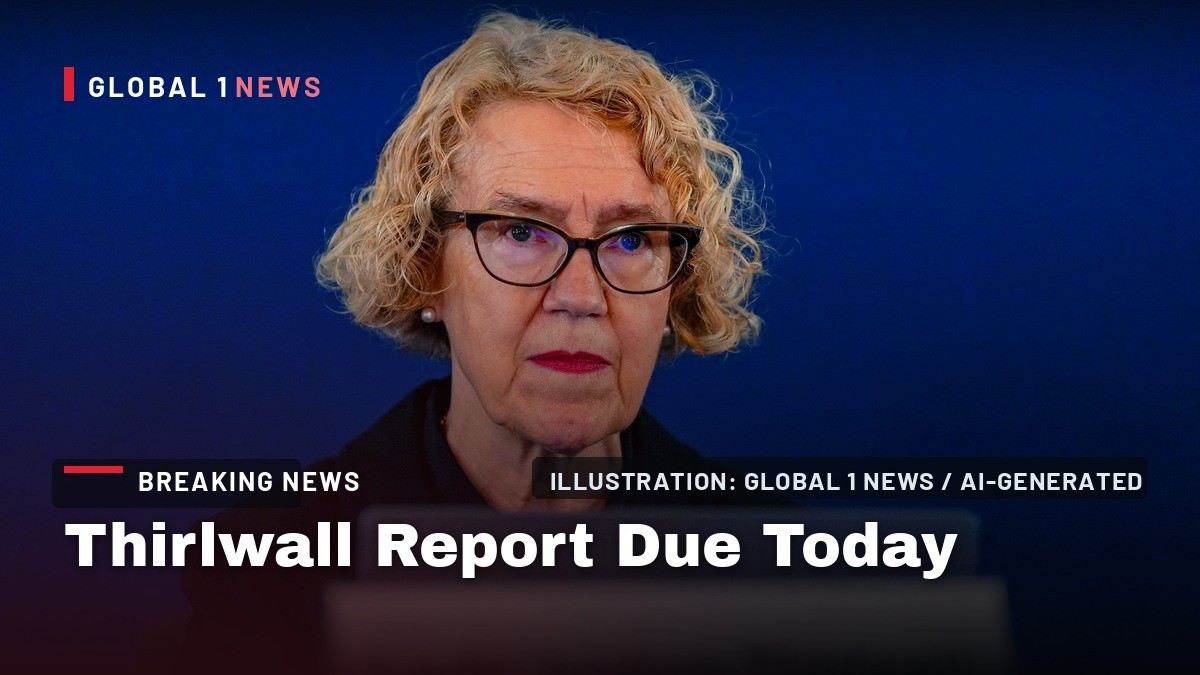
The final report of the Thirlwall Inquiry is due to be published in Liverpool today, after repeated delays pushed the findings almost a year past when they were first expected. It will set out how a neonatal nurse was able to murder seven babies and attempt to murder seven others at the Countess of Chester Hospital, and what the NHS failed to do about it. Publication is scheduled for 12.30pm.
Thirlwall Report Due Today: The Failures That Let Lucy Letby Go Unstopped for a Year
Liverpool, England - The Thirlwall Inquiry is due to publish its final report in Liverpool today, the reckoning for how one hospital allowed a neonatal nurse to keep killing for a year.
A Report a Year Late, and a Question Britain Cannot Put Down
The full findings are due to be published in Liverpool at 12.30pm, according to the Daily Mirror. The day begins with an opportunity for Inquiry participants to view the report in advance of publication, in accordance with Rule 17 of the Inquiry Rules 2006. Lady Justice Thirlwall's remarks when the Report is published will then be streamed live over YouTube, the official inquiry site states. Publication had originally been expected by November 2025. On 12 May 2026 the inquiry said the report would be published at the earliest practical date but not until after the summer recess of Parliament. The BBC reports the findings are published almost a year later than originally anticipated. The inquiry was set up in October 2023, and Nursing Times reported on 14 September that the report would finally be published after repeated delays.
What the Inquiry Was Asked to Examine
The terms of reference covered three broad areas. First, the experiences of the Countess of Chester Hospital and other relevant NHS services, and of all the parents of the babies named in the indictment. Second, the conduct of those working at the hospital, including the board, managers, doctors, nurses and midwives, with regard to the actions of Lucy Letby while she was employed there as a neonatal nurse and subsequently. That included whether suspicions should have been raised earlier, whether Letby should have been suspended earlier and whether the police and other external bodies should have been informed sooner; the responses to concerns raised about her from those with management responsibilities within the trust; and whether the trust's culture, management and governance structures and processes contributed to the failure to protect babies. Third, the effectiveness of NHS management and governance structures and processes, external scrutiny and professional regulation in keeping babies in hospital safe and well looked after, whether changes are necessary and, if so, what they should be, including how accountability of senior managers should be strengthened. One annex question asked: what happened to those who raised concerns about Letby?
June 2015: Three Deaths in Two Weeks
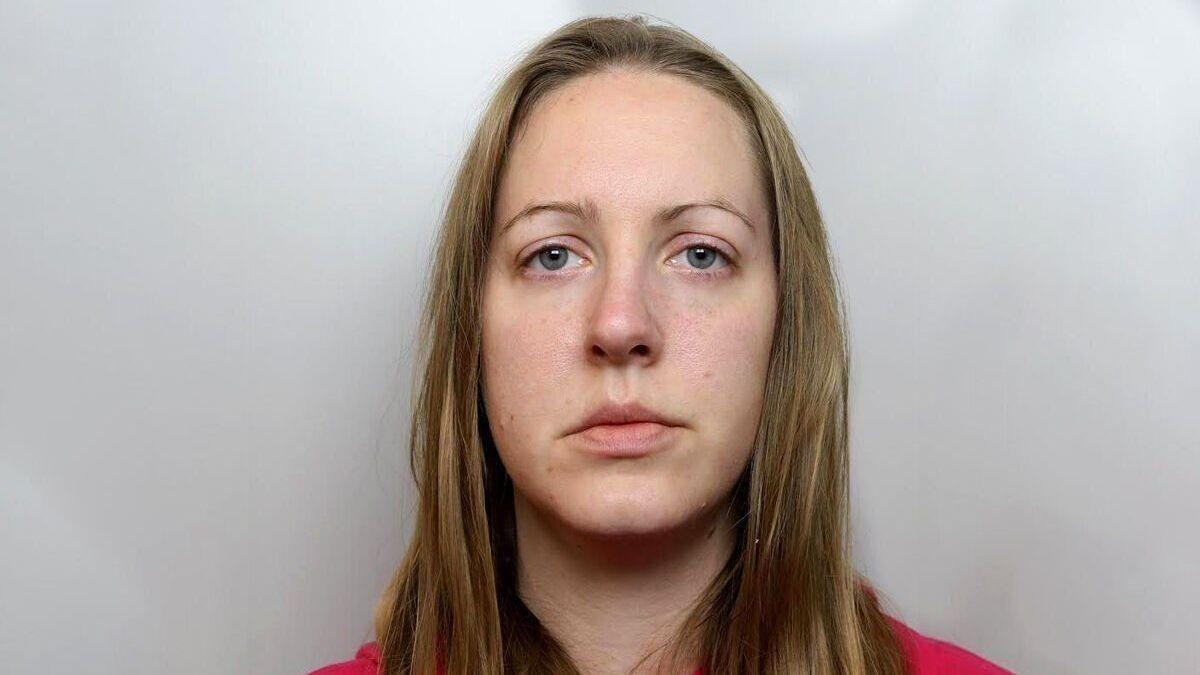
In June 2015, three babies died in quick succession, the same number of deaths within two weeks that the unit would normally expect in a year, the BBC reported. It is the first missed alarm in the chronology the inquiry examined. The inquiry was trying to establish whether earlier action could have saved babies or prevented harm, and whether the systems around them were capable of noticing what was happening. Letby had arrived at the Countess of Chester Hospital on 4 January 2012, according to the terms of reference annex, and the attacks took place between June 2015 and June 2016, the Liverpool Echo reported. On 21 August 2023, after a trial at Manchester Crown Court, she was sentenced to a whole life order on each of 7 counts of murder and 7 counts of attempted murder, and is now serving 15 whole-life orders, with two attempts on one of her victims, according to the Daily Mirror. She is 36.
The Insulin Test That Nobody Acted On
In August 2015, a baby was poisoned with insulin. The results of his blood test did not raise an alert. At the inquiry, hospital consultants accepted this had been a collective failure, the BBC reported. Lawyers for the baby's family said the test results provided the clearest opportunity to detect and stop Letby and were a bright line within the chronology after which no babies should have been harmed. It stands as the single most damning documentary moment of the evidence phase: a test result that showed deliberate harm, sitting in the record, and no safeguarding response.
Early 2016: The Managers Already Knew
By early 2016, senior managers including medical director Ian Harvey and director of nursing Alison Kelly knew there was an unusually high death rate on the neonatal unit and that there were escalating concerns about a nurse, the BBC reported. It did not lead to safeguarding action. The information was in the room and nothing was done with it. That gap between what managers knew and what they did sits at the centre of the inquiry's terms of reference. The inquiry released thousands of documents which shed new light on what was going on inside the hospital, the BBC reported.
The Two Triplet Brothers and the Night It Stopped
It was only after two triplet brothers died in June 2016 that Letby was taken off nursing duty, the BBC reported. Lady Justice Thirlwall noted that a public inquiry had already taken place into the events surrounding the nurse Allitt's killing spree, and said it was "utterly unacceptable" that it had happened again within the NHS, The Independent reported. A father of a baby born at the Countess of Chester in May 2016 described the unit as chaotic and failing, according to a Commons debate on 16 July 2026. The inquiry heard evidence from the parents of Letby's victims during its sittings at Liverpool Town Hall between September 2024 and February 2025. Two juries have convicted Letby and she has twice been denied permission to appeal, the BBC reported.
Three Executives, One Criminal Investigation, and No Charges
A criminal investigation into three hospital executives who worked at the hospital during the time Letby carried out her crimes continues, the Liverpool Echo reported. All three were previously arrested on suspicion of gross negligence manslaughter, with one subsequently re-arrested on suspicion of perverting the course of justice. The police investigation is called Operation Duet and is looking into suspicions of corporate manslaughter and gross negligence manslaughter over the deaths of newborns at the Countess of Chester Hospital in 2015 and 2016, when the three were in senior leadership roles, according to the BMJ. A former senior manager was arrested on suspicion of perverting the course of justice; the manager has not been named by Cheshire police. Detectives will likely look closely at the inquiry's findings about those managers, which could be factored into their investigation, the BBC reported. No one has been charged and the investigation is ongoing. Separately, on 5 August 2026 the Crown Prosecution Service announced that its decision not to charge Lucy Letby with further offences had been upheld. Malcolm McHaffie, Head of the Crown Prosecution Service's Special Crime Division, said: "In January 2026, after reviewing a file of evidence from Cheshire Constabulary, we decided that no further criminal charges should be brought against Lucy Letby, 36, relating to deaths and non-fatal collapses of babies at the Countess of Chester Hospital and Liverpool Women's Hospital." The CPS received requests in relation to six infants for the decisions to be reviewed under the Victims' Right to Review scheme. Six offences of attempted murder were reconsidered, but the review upheld the original decision not to bring further charges. It was carried out by a prosecutor who played no part in the original decisions.
The 1,400 Recommendations Nobody Implemented
Lady Justice Thirlwall will make recommendations for change. The BBC reports these could include new controls on the storage of insulin; compulsory procedures to be followed when deliberate harm is suspected; detail on the regulation of NHS managers and executives; and greater use of CCTV within neonatal units. She will also expose the number of recommendations made by public inquiries into more than 30 previous NHS scandals which have not been followed, the BBC reported. Analysis by the inquiry's legal team showed that, of more than 1,400 recommendations made by previous healthcare-related inquiries, the majority have not been clearly implemented. Richard Scorer from Slater & Gordon Solicitors, who represents three of the families, refers to the failure to implement recommendations from public inquiries as "the British disease". He said: "It is a betrayal not just of the people who have suffered in these cases, families like those I represent, it's actually betrayal of the public." Dr Rosie Benneyworth, who gave evidence to the inquiry and is chief executive of the Health Services Safety Investigations Body, said: "We can't keep going on diagnosing the problem, and not making the change." Sir Robert Francis, who chaired the inquiry into chronic care failings at Mid Staffordshire NHS Foundation Trust, told Lady Justice Thirlwall there was no regulator "with teeth" to impose sanctions on poorly performing non-clinical directors, The Independent reported.
The Scope Fight Thirlwall Won and Refused to Lose
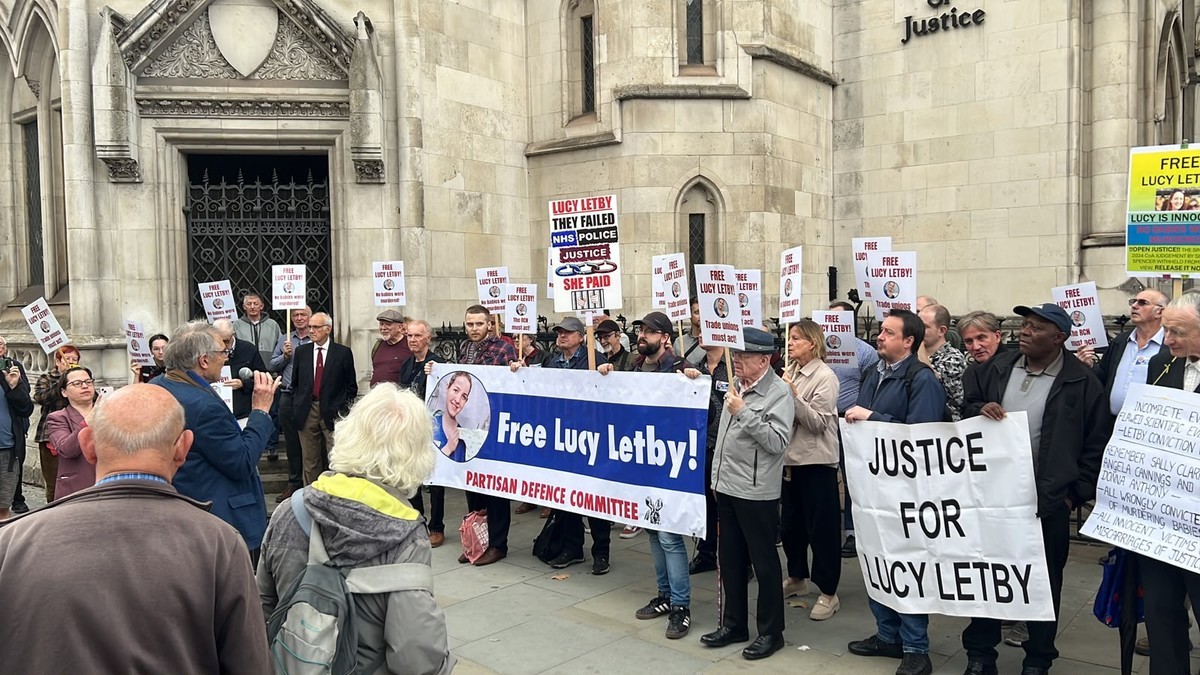
Lady Justice Thirlwall said she had approached the inquiry on the basis that Lucy Letby is guilty of the crimes of which she has been convicted. She emphasised it was not her role to set about reviewing the convictions, telling the inquiry: "The Court of Appeal has done that, with a very clear result." Letby's lawyers applied for her to be represented at the hearings but were denied permission, the BBC reported. Just as the inquiry was wrapping up, legal teams for Letby and for the trust's former executives applied under section 17 of the Inquiries Act 2005 to the inquiry chair to pause it until the CCRC decides, and in parallel to the then health secretary, Wes Streeting, under section 13 of the same Act to suspend it. Letters pushing for a delay were also written by Letby's lawyers and Sir David Davis, an MP who has campaigned on her behalf. Lady Justice Thirlwall refused, the BBC reported. Sir David Davis argued that an inquiry "predicated on the presumption that Lucy Letby's conviction is safe, when there is now a wealth of authoritative voices questioning that conviction, will only undermine the conclusions arrived at by your inquiry and potentially lead to more babies dying unnecessarily". The families have not supported any pause or suspension of the inquiry. Richard Scorer told the BBC that the fact that Letby's convictions still stand is crucial: "That's the legal reality... And the noise about her convictions doesn't change that."
The Information War the Report Cannot Settle
The BBC's assessment is that the report will not change the narrative about Letby's guilt or innocence, because it did not examine that subject at all. That was not its remit. Dame Vera Baird, chairwoman of the Criminal Cases Review Commission, told the BBC: "We will be looking at the report with interest to assess whether it has any bearing on our review of the case." The CCRC is the only body with the power to send Letby's case back to the Court of Appeal, and it has given no indication of when it will decide. David Wilson, emeritus professor of criminology at Birmingham City University, expects the report to become "another component of the information war" waged about her guilt or innocence. Tamlin Bolton, from Irwin Mitchell, which represents seven children harmed by Lucy Letby, said publication "will likely be difficult reading" for the families and that it is "vital that lessons are learned and any recommendations are implemented by the UK Government". Preet Kaur Gill, Parliamentary Under-Secretary of State for Health and Social Care, told the Commons on 16 July 2026 that the Government will "take forward all recommendations that are deliverable, justified and in the public interest". She said ministers will legislate in this Parliament to give the Health and Care Professions Council a statutory barring system for senior managers.
By Jessica Ali, Staff Writer
This article was produced with AI-assisted research and editorial support. Sources: PA Media and the Daily Mirror, BBC News, Liverpool Echo, Nursing Times, The Independent, the Thirlwall Inquiry (thirlwall.public-inquiry.uk), the Crown Prosecution Service, the BMJ, Hansard (House of Commons, 16 July 2026), and Bond Turner Solicitors. Photo credits: Peter Byrne/Reuters, BBC/Trevor Lloyd and Cheshire Police.
What's Your Reaction?
 Like
0
Like
0
 Dislike
0
Dislike
0
 Love
0
Love
0
 Funny
0
Funny
0
 Wow
0
Wow
0
 Sad
0
Sad
0
 Angry
0
Angry
0

Editor-in-Chief at Global1.News. Atlanta-based journalist who cuts through the BS and tells it like it is. Lead anchor, host, and the voice you hear when the spin stops and the truth starts.














Comments (0)