
Every Passenger Flying to America Must Now Swear They Were Not in Congo, and the Airlines Say the Order Will Not Work
An Ebola outbreak in eastern Congo has spread faster than any on record. Now every passenger boarding a flight to the United States must sign a statement that they have not been in Congo within 21 days, and the airlines say the rule cannot work.
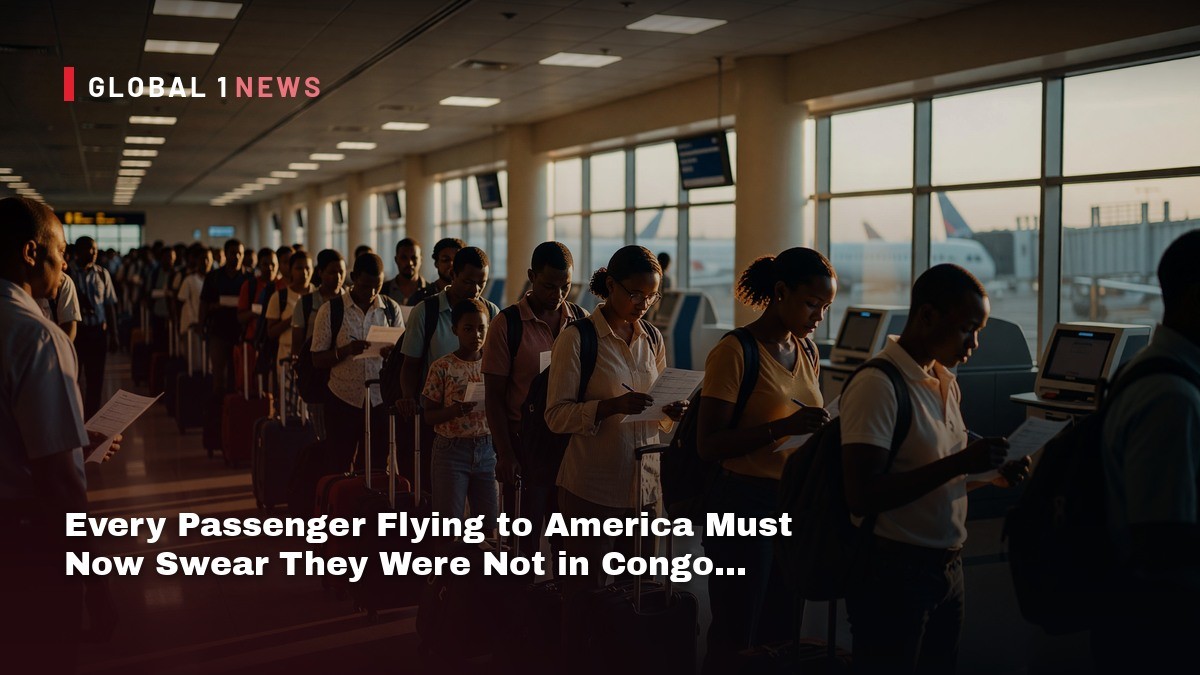
For almost six months the world has watched an Ebola outbreak in eastern Congo break records nobody wanted. More than 10,500 confirmed cases. More than 5,100 confirmed deaths. A spread rate the CDC itself describes as substantially faster than any previous Ebola outbreak. On Tuesday night, the United States answered it with a signature.
Every Passenger Flying to America Must Now Swear They Were Not in Congo, and the Airlines Say the Order Will Not Work
Washington, United States — From 11:59 p.m. Eastern on Tuesday, every person boarding an international flight to or through the United States, American citizen or not, must attest that they have not been present in the Democratic Republic of the Congo at any point in the previous 21 days. No signature, no boarding.
The Signature at the Gate
Wednesday is the first full day the requirement has been in force, and its terms are blunt. The Centers for Disease Control and Prevention states that a passenger who has not completed the attestation will not be allowed to board a flight to the United States. Delta Air Lines has already posted the consequence in plain language on its own advisory page: "You won't be able to board your flight to the United States at this time."
The CDC is careful to say what this is not. No case of Ebola disease has been confirmed in the United States because of this outbreak, and the agency describes the overall risk to the American public and to travellers as low. The order is not a response to an American cluster. It is an attempt to make sure no infected person reaches American soil during the disease's incubation window, which runs up to 21 days from exposure.
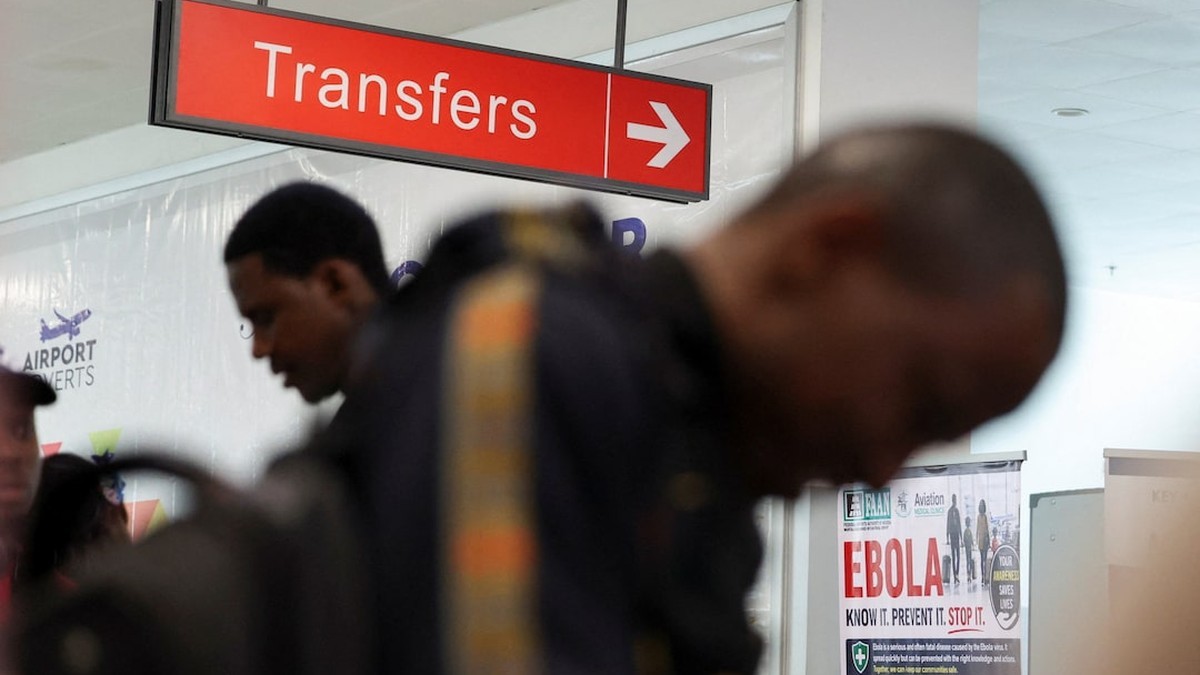
What the Order Actually Requires
The CDC issued the order on 22 October. It covers every passenger boarding an international flight destined for the United States from any foreign country, and it is broader than most travellers assume. It applies to commercial flights, to general aviation and to private aircraft, and it applies at pre-clearance airports abroad. It does not cover land border crossings or seaports.
It applies to United States citizens, United States nationals and lawful permanent residents, not only to foreign nationals. Connecting through an airport in Congo counts as being in Congo even if the passenger never leaves the aircraft. Airlines must confirm the attestation at or before boarding, refuse boarding without it, and keep a copy for at least 42 days, producing it on request alongside the passenger name record, flight number, departure and arrival airports, and travel dates. The forms are not transmitted through the Advance Passenger Information System. The attestation is currently available in English only, and a knowingly false statement may be prosecuted under the federal false-statements statute.
Twelve Days to Build a Wall
The order was signed on 22 October and took effect on 3 November. That is twelve days for the world's airlines to redesign their check-in systems. They told the CDC, in writing, that it could not be done.
The International Air Transport Association, which represents more than 370 airlines across more than 130 countries, called it unreasonable for Washington to require every carrier serving the American market to rebuild its procedures in under two weeks. Airlines for America, whose members include United, American, Southwest and Delta, went further, calling the plan overly stringent, costly and burdensome, and asked the CDC to exempt crew members, military personnel and jumpseat travellers. Reuters, which reviewed both letters before they were made public, reported that crew are covered by the final order. The same reporting said the airline groups warned of costs in the millions to collect attestations from more than ten million monthly air travellers to the United States.
An Outbreak That Rewrote the Early Curve
The numbers behind the order are the reason it exists. On 5 May the World Health Organization was alerted to a high-mortality illness of unknown origin in the Mongbwalu health zone of Ituri province, including four health workers who died within four days. Thirteen blood samples were analysed in Kinshasa. Eight came back positive for Bundibugyo virus on 15 May, and Congo declared its seventeenth Ebola outbreak.
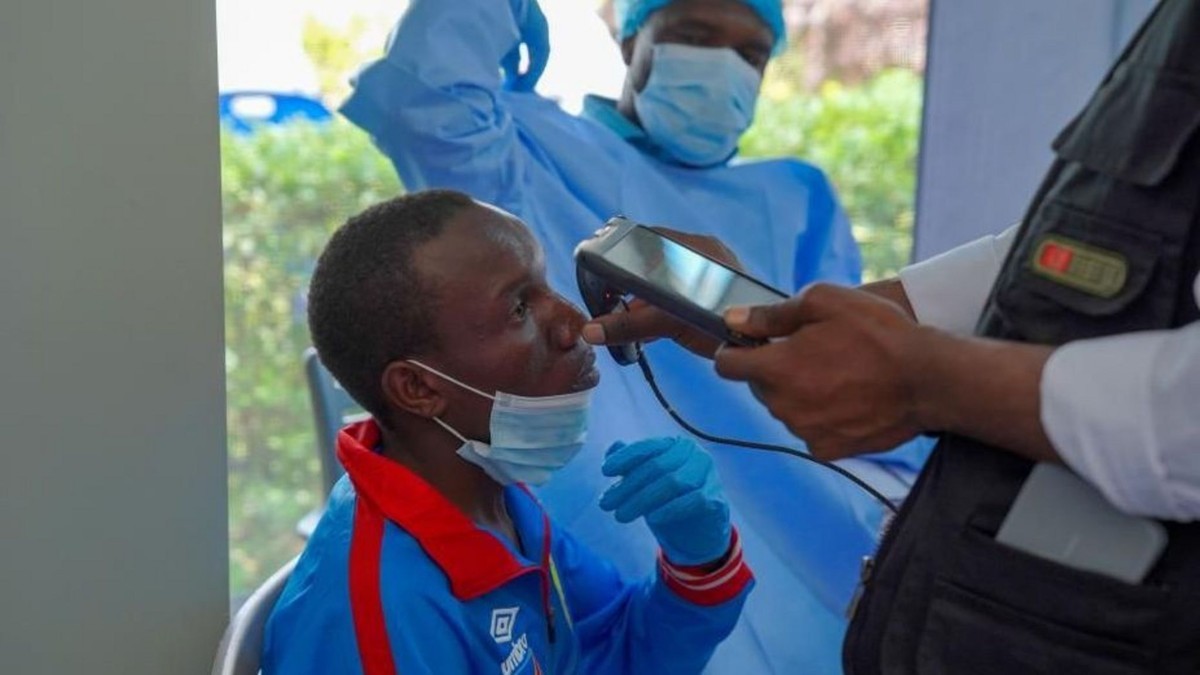
Within two weeks of that alert the WHO had declared a public health emergency of international concern, and Africa CDC had declared a public health emergency of continental security. What followed was a pace health officials had never recorded. Congo passed 1,000 confirmed cases within 40 days of its response being activated. During the 2018 outbreak in the same country, reaching that same threshold took roughly 235 days. Eight provinces are now affected. South Kivu has recorded nothing since 29 May.
Two Death Tolls, One Arithmetic
Read three reputable sources and you get three different totals, and the difference matters. The CDC reports 10,563 confirmed cases and 5,130 confirmed deaths as of 1 November, with Congo accounting for 10,532 cases and 5,126 deaths. Africa CDC data, published by Al Jazeera on 3 November, puts the death toll at 5,376 and infections at about 10,444 across Congo, Uganda and Kenya. The BBC has reported more than 10,300 cases with a case fatality rate of 48.6 per cent.
These are not contradictions. They are different agencies, different dates and different rules about whether probable cases are counted, and the CDC states plainly that Congo's health ministry excludes probable cases from its official reporting while suspected cases are set aside pending investigation. The arithmetic on the CDC's own figures is 5,126 deaths from 10,532 confirmed cases in Congo, or 48.7 per cent. The higher figure quoted for the region reflects a smaller denominator. Kenya has recorded nine cases and two deaths, all in Nairobi and all linked to the first patient. Nigeria has one case and no deaths. Uganda has 20 confirmed cases, one probable, and three deaths. France treated one case who recovered in July.
A Trial Named Hope
There is no licensed vaccine against Bundibugyo virus and no approved specific treatment for it. Past outbreaks of this species killed between 30 and 50 per cent of those infected. That gap is what a trial in Bunia is now trying to close.
The first participant was vaccinated on 23 October, twelve days ago, in the city that was the outbreak's early epicentre. The trial is called Tumaini, Swahili for hope, and its first candidate is Ervebo, a vaccine already licensed against the more common Zaire species of Ebola. Whether it offers any cross-protection against Bundibugyo is precisely the unknown. The design is an adaptive platform, which lets several candidates be tested inside one framework, using ring vaccination around the contacts of confirmed patients. Two rings were established within days. Two candidates built specifically against Bundibugyo, an adenoviral jab from Oxford with the Serum Institute of India and Moderna's mRNA-1469, are funded by the Coalition for Epidemic Preparedness Innovations and were expected to join shortly.
Months, Not Weeks
The trial will not rescue this outbreak. The WHO's director of science for health, Meg Doherty, told reporters that researchers are testing whether the vaccine reduces severe disease and death, not whether it prevents infection, and that participants can be vaccinated between one and 21 days after exposure without anyone yet knowing whether timing changes the outcome.
Asked when answers would arrive, she was direct: "We do not yet know for certain when results will begin to emerge. We expect it will take several months." Chikwe Ihekweazu, who runs the WHO's health emergencies programme, said the trial is much more than a research study. Valérie Briand of Epicentre, the research arm of Médecins Sans Frontières, said the inclusion of pregnant women and children was "an important step towards generating evidence for populations that are often excluded from clinical trials." None of that closes a treatment centre this week.
The Responders Are Being Attacked
The people asked to deliver this response are being killed for trying. On 24 October, a nurse was killed and a health worker seriously wounded while responding to an Ebola alert in the Bafwasende health district of Tshopo province, according to the WHO. Doctor Marcel Likolo, the district's chief medical officer, told AFP that local youths had accused the pair of trying to infect residents with tablets before the attack. Other reports say the rumour was about contaminating water sources.
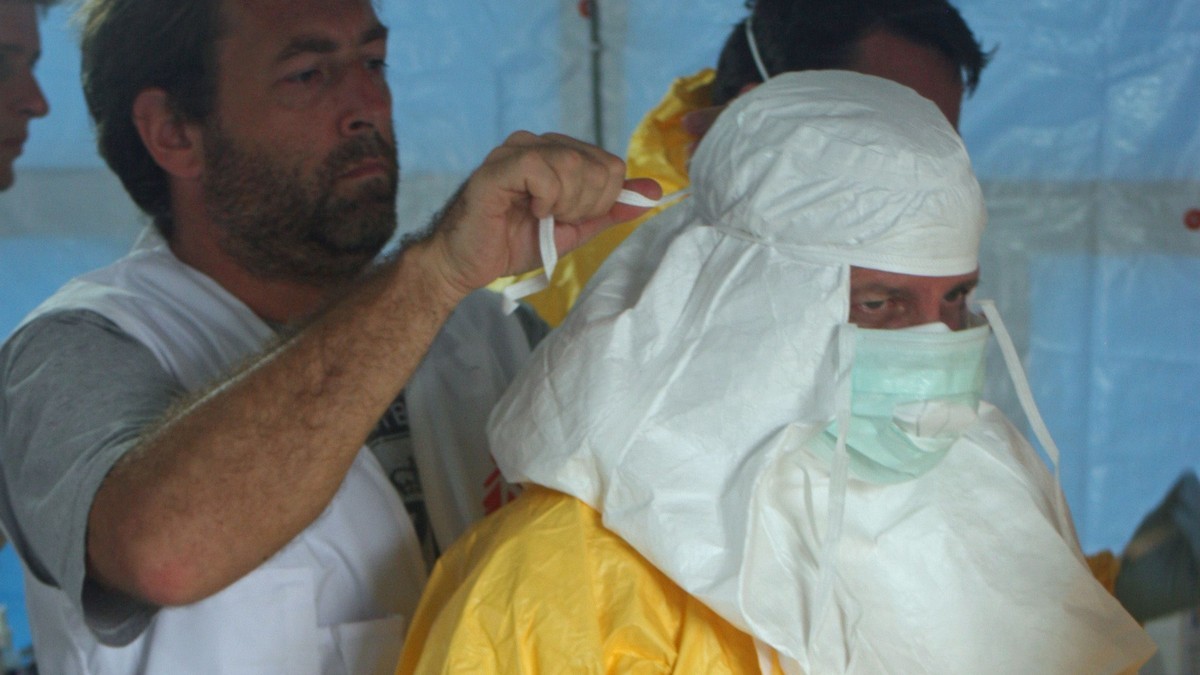
It is not an isolated horror. A politician was beaten to death last month after promoting measures to stop the spread. The Red Cross has said its volunteers were injured and an ambulance set alight across eleven violent incidents in the outbreak's first 100 days. The CDC lists violence against health workers and shortages of protective equipment among the reasons health workers themselves are becoming infected. The WHO's outbreak assessment adds the clinical detail: transmission is amplified in health-care settings with inadequate infection control, and during unsafe burials.
The Strike at Tchomia
Then there is the quieter failure. Workers at an Ebola treatment centre in Tchomia, in Ituri, put down their tools to demand four months of unpaid wages. At the time, according to the Associated Press, the centre was caring for five confirmed patients and ten suspected cases.
"We are tired of requesting our salaries," one of the strikers, Moise Mugenyi, told the AP. "If they want to pay us, they will. Today, being able to feed our families has become a real problem." Doctor Justin Mukonkole, acting head of response operations in Ituri, said the workers should be patient while the government responded to their demands. Read those two statements together and you have the response in miniature: an outbreak spreading faster than any on record, being fought by staff who have not been paid since mid-year and are now burying colleagues killed by the neighbours they were sent to protect.
What the Record Does Not Yet Say
Several things are worth stating plainly, because they are not established. No case linked to this outbreak has been confirmed in the United States. Kenya's health ministry has reported no community spread, and all nine of its cases were in Nairobi. Uganda's outbreak is over: its last confirmed case was on 21 June, that patient recovered and was released on 16 July, the health ministry declared the country Ebola-free on 28 July, and the WHO completed its 42-day countdown on 27 August.
Nor does the CDC's published material set an end date for the attestation order. It sets a start, 11:59 p.m. Eastern on 3 November, and says the order will be published in the Federal Register. The European Centre for Disease Prevention and Control, which deployed three experts to Nigeria, still assesses the risk to people living in Europe as very low, with four cases medically evacuated or imported into the European Union and European Economic Area since May, all of them health or humanitarian workers. The number to watch next is 13 November, when Nigeria is due to finish monitoring the 62 contacts of its single case.
Folks, here is what this comes down to. Washington has built a wall out of paperwork at the boarding gate, and the airlines say the wall is made of the wrong material. They may be right about the cost. They are not the ones being asked to answer the question this outbreak keeps asking, which is whether the world can move faster than a virus that killed five thousand people in under six months. Twelve days to build a border is fast in government time. It is not fast in Ebola time.
By Jessica Ali, Staff Writer
This article was produced with AI-assisted research and editorial support. Sources: the U.S. Centers for Disease Control and Prevention (Ebola situation summary and the Order for Attestation for All Airline or Other Aircraft Passengers, signed 22 October 2026); the European Centre for Disease Prevention and Control multi-country outbreak page, updated 4 November 2026; the World Health Organization Disease Outbreak News and WHO statements; Africa CDC; the Nigeria Centre for Disease Control and Prevention; Reuters; the Associated Press; Al Jazeera; the BBC; the Institute of Tropical Medicine and CEPI on the Tumaini trial; and Delta Air Lines' travel advisory. Cover: Global 1 News editorial image. Photographs: Reuters (travellers at Murtala Muhammed International Airport, Lagos, 22 October 2026); EPA/Shutterstock via the BBC (temperature screening in the outbreak response); Simple Flying (health workers donning protective equipment).
What's Your Reaction?
 Like
0
 Dislike
0
 Love
0
 Funny
0
 Wow
0
 Sad
0
 Angry
0

Editor-in-Chief at Global1.News. Atlanta-based journalist who cuts through the BS and tells it like it is. Lead anchor, host, and the voice you hear when the spin stops and the truth starts.













Comments (0)