
Strategic Oil Reserves Hit 40-Year Low as Iran Conflict Drags On
Oil prices spiked again on Tuesday as the ongoing conflict with Iran continues to jeopardise global supplies, with U.S. strategic stockpiles falling to their lowest level in more than four decades. The U.S.
Strategic Oil Reserves Hit 40-Year Low as Iran Conflict Drags On
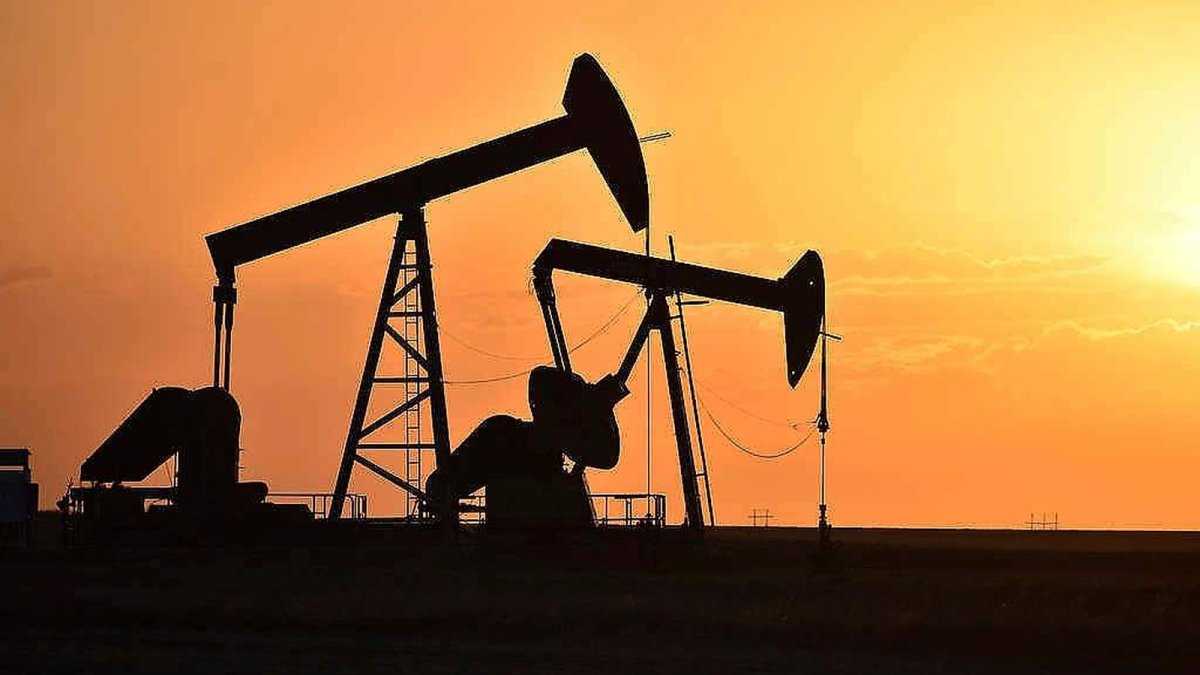
Oil prices spiked again on Tuesday as the ongoing conflict with Iran continues to jeopardise global supplies, with U.S. strategic stockpiles falling to their lowest level in more than four decades. The U.S. Strategic Petroleum Reserve (SPR) — the emergency stockpile of crude oil held in underground salt caverns along the Gulf Coast — dropped by approximately 6.1 million barrels to 298.7 million barrels last week, according to data released Monday by the U.S. Department of Energy. That marks the lowest level since January 1983, underscoring the severity of the supply crunch that has rippled through global markets since the outbreak of hostilities.
The drawdown is part of a broader, globally co-ordinated effort to calm oil markets after the United States and Israel launched joint attacks on Iran. Since March, the U.S. has released about 172 million barrels from its reserve as part of an agreement with the International Energy Agency (IEA) to inject 400 million barrels into the market. The SPR has a maximum authorised capacity of 727 million barrels, according to the Department of Energy, meaning the reserve is now operating at less than half its potential. Experts say refilling those caverns will be a slow and painstaking process, particularly with global supply chains still strained by the conflict.
Tags: strategic petroleum reserve, Iran war, oil prices, Strait of Hormuz, Canada energy, gas prices, International Energy Agency, West Texas Intermediate, oil supply, energy security
What the Strategic Petroleum Reserve Actually Does
Strategic petroleum reserves are essentially national emergency savings accounts for crude oil. They exist to provide a buffer against unexpected supply disruptions — whether caused by war, natural disasters, or geopolitical crises — so that a sudden loss of imports does not paralyse an economy. The concept gained traction after the 1973 oil embargo, when Arab members of OPEC cut off supplies to nations supporting Israel, sending shockwaves through Western economies.
The IEA, which was founded in the aftermath of that crisis, requires its 32 member countries to maintain minimum emergency oil reserves equal to 90 days of net crude oil and petroleum product imports. This requirement is designed to ensure that member nations can weather a significant supply disruption without resorting to panic buying or drastic economic measures. The U.S. has historically been the largest holder of such reserves, but its current levels are now well below what many analysts would consider a comfortable cushion.
For Canada, the situation is somewhat different. While Canada is a member of the IEA, it is the only G7 nation that does not have a government-mandated strategic stockpile. That is largely because the country is a net exporter of crude oil, meaning it produces more than it consumes. Canadian refineries, particularly those in Eastern Canada that rely on imported crude, do hold commercial inventories, but there is no federally mandated reserve akin to the U.S. SPR. This unique position has insulated Canada from some of the pressures facing other IEA members, but it also means the country has less of a formal safety net in the event of a prolonged disruption.
The Strait of Hormuz and the Global Supply Crunch
At the heart of the current crisis is the Strait of Hormuz, a narrow waterway between Iran and Oman that normally sees about a fifth of the world's oil supply pass through. The strait has been severely restricted amid the conflict, with Iran declaring the waterway closed and warning that any cargo vessels attempting to pass without approval could be attacked. This has effectively choked off a critical artery for global oil shipments, forcing tankers to seek alternative routes or simply wait out the standoff.
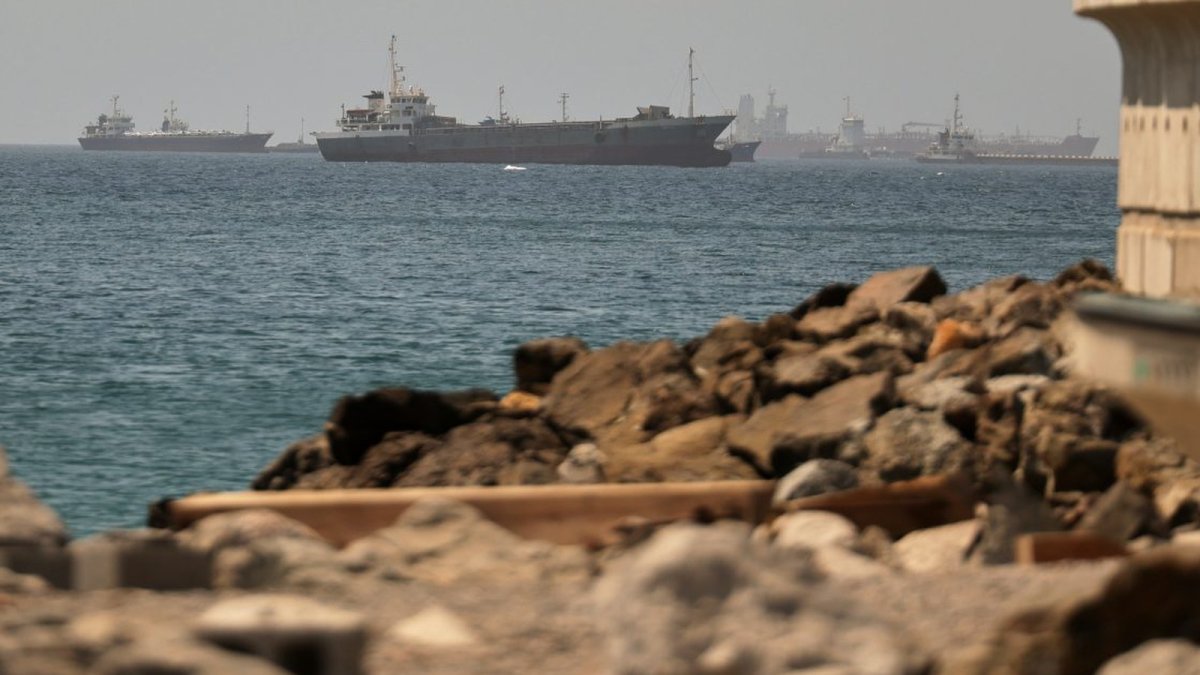
Iran has also been targeting its neighbours in the Persian Gulf region, with strikes damaging oil, energy, and maritime shipping infrastructure. These attacks have added further uncertainty to an already volatile market, as producers in Saudi Arabia, the United Arab Emirates, and Kuwait grapple with the threat of direct hits on their export facilities. The result is a supply picture that remains deeply uncertain, with no clear timeline for when normal shipping through the strait might resume.
A tentative peace agreement between the U.S. and Iran led to a temporary ceasefire in June, offering a glimmer of hope for markets. But tensions flared again in July as the agreement unravelled, and this week Iran reiterated that it would maintain the closure of the Strait of Hormuz until the U.S. meets its demands, including financial compensation for damages sustained during the conflict. With diplomacy stalled, the risk of a prolonged disruption remains high.
What This Means for Oil Prices and Canadian Motorists
Oil prices are set globally based largely on expectations for supply and demand. When supplies run low, prices rise — and that is precisely what has been happening. The price of West Texas Intermediate (WTI), the U.S. benchmark, was hovering around US$83 per barrel on Tuesday at 3 p.m. Eastern time, up by about $1 since Monday and well above the $75 level seen just last week. The upward pressure reflects both the immediate supply shortfall and the expectation that the U.S. will need to begin replenishing its depleted reserves, which will add to global demand.
For Canadian motorists, the impact is felt directly at the pump. Gas prices have been elevated since the Iran war began, and the latest spike in crude prices is likely to push them higher still. While Canada's energy sector benefits from higher oil prices — particularly in Alberta, where the oil sands drive significant economic activity — the broader economy faces headwinds. Higher fuel costs feed into the cost of virtually everything, from groceries to air travel, adding to the inflationary pressures that have already strained household budgets across the country.
The Bank of Canada will be watching these developments closely. Rising energy prices complicate the central bank's efforts to bring inflation back to its 2 per cent target, and could influence its decisions on interest rates in the coming months. For Canadians already grappling with housing affordability and the cost of living, sustained high oil prices would be an unwelcome additional burden.
The Challenge of Refilling Depleted Reserves
Refilling the U.S. Strategic Petroleum Reserve will not be a quick or straightforward process. The Department of Energy has acknowledged that replenishing the stockpile will take considerable time, particularly given the current state of global supply. With the Strait of Hormuz effectively closed and other producers facing their own challenges, there is no surplus of crude available for the U.S. to purchase at favourable prices.
The logistics are also daunting. The SPR is stored in four heavily fortified underground salt caverns along the Texas and Louisiana Gulf Coast, and injecting crude back into those caverns is a slow, energy-intensive process. Even under ideal conditions, the U.S. would only be able to add a few million barrels per month. At that rate, returning to pre-crisis levels could take years — assuming the geopolitical situation stabilises and global supply normalises.
There is also a strategic question about whether the U.S. should refill the reserve at all, or whether it should maintain a smaller, more flexible stockpile. Some analysts argue that the SPR is a Cold War-era relic that is less relevant in an era of shale production and renewable energy. Others counter that the current crisis demonstrates exactly why the reserve exists, and that failing to replenish it would leave the U.S. dangerously exposed to future shocks.
Canada's Position and the Path Forward
Canada's status as a net oil exporter provides a degree of insulation from the current crisis, but it does not make the country immune. Eastern Canadian refineries, particularly those in New Brunswick and Quebec, rely heavily on imported crude, much of which historically came from overseas suppliers. With the Strait of Hormuz restricted, those refineries are facing higher costs and tighter supply, which will inevitably be passed on to consumers.
There have been periodic calls for Canada to establish its own strategic petroleum reserve, but successive federal governments have resisted, arguing that the country's export capacity makes such a reserve unnecessary. That position may come under renewed scrutiny if the current crisis drags on, particularly as the IEA continues to co-ordinate emergency releases among its members. For now, Canada remains reliant on commercial inventories and the goodwill of its trading partners.
The broader lesson from the current crisis is that energy security is not something to be taken for granted. The global oil market is tightly interconnected, and disruptions in one region can have cascading effects thousands of kilometres away. For Canadian policymakers, the challenge will be balancing the economic benefits of oil exports with the need to ensure reliable, affordable energy for domestic consumers. As the Iran conflict continues to unfold, that balance will only become more difficult to strike.
This article was produced with AI-assisted research and editorial support. Sources: Global News, U.S. Department of Energy, International Energy Agency.
By Alex Thompson, Staff Writer
What's Your Reaction?
 Like
0
Like
0
 Dislike
0
Dislike
0
 Love
0
Love
0
 Funny
0
Funny
0
 Wow
0
Wow
0
 Sad
0
Sad
0
 Angry
0
Angry
0

Canada Correspondent at Global1.News. Based in Toronto, covering Canadian politics, energy, trade, and US-Canada relations. Provides the Canadian perspective on North American and global affairs.












Comments (0)