
Marcos touts business, energy investments after Singapore visit
President Ferdinand Marcos Jr. returned to Manila in the early hours of October 12, 2026, after a five‑day working visit to Singapore. Singapore trip yields headline‑making commitments Marcos recounted meetings with executives from FedEx, Mitsubishi Corp.
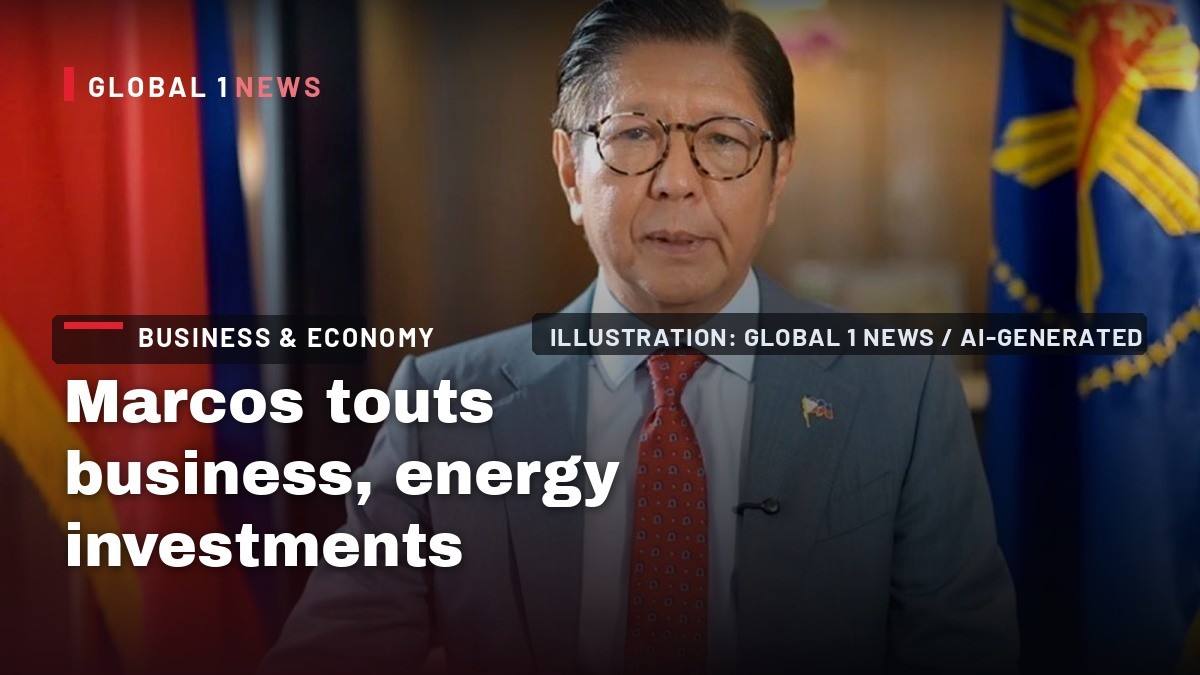
President Ferdinand Marcos Jr. returned to Manila in the early hours of October 12, 2026, after a five‑day working visit to Singapore. In his arrival statement, the president highlighted a series of investment pledges from Singapore‑based firms that he said would boost the Philippines’ business and energy sectors. While the announcements signal a surge of foreign confidence, ordinary Filipinos—from the sari‑sari store owner in a barangay to the OFW sending remittances home—are keenly watching how these deals translate into jobs, lower costs and a more resilient power supply.
Singapore trip yields headline‑making commitments
Marcos recounted meetings with executives from FedEx, Mitsubishi Corp. and Vena Energy during his Singapore itinerary. The president emphasized that each firm expressed concrete interest in expanding its footprint in the Philippines, framing the pledges as “high‑value investments” that align with the country’s long‑term growth agenda. He underscored the importance of such foreign equity inflows, noting that they signal confidence in the Philippines’ market reforms and infrastructure plans.
The president’s remarks came as he stepped off the plane at around 1:54 a.m., a moment captured by local media. By foregrounding the Singapore deals in his first public statement, Marcos signaled that the administration will prioritize translating diplomatic engagements into tangible economic benefits for Filipino families.
Mitsubishi’s stake boost in Ayala Corp.
One of the most striking announcements was Mitsubishi Corp.’s pledge of a $700 million investment in Ayala Corp., a deal the president described as “among the largest foreign equity investments in the Philippines in recent years.” The infusion would raise Mitsubishi’s ownership from roughly 4.7 percent to 15 percent, a substantial jump that could reshape corporate governance and strategic direction within the conglomerate.
For the average Filipino, the significance lies in the ripple effects of a stronger Ayala. As a major player in real estate, banking and infrastructure, an expanded Ayala could spur new development projects, create construction jobs, and improve access to financing for small enterprises. Community leaders in barangays where Ayala projects are planned are already discussing potential partnerships, hoping to harness the anticipated boost in economic activity.
FedEx eyes Clark Gateway Hub expansion
Marcos highlighted FedEx’s expressed interest in enlarging its Clark Gateway Hub in Pampanga, slated to open in the last quarter of 2028. The logistics giant’s expansion aims to increase cargo handling capacity, offering a more efficient conduit for air freight and specialized shipments.
Small and medium enterprises (MSMEs) stand to benefit directly. With a larger hub, local producers—from Batangas furniture makers to Ilocos textile weavers—could ship goods abroad more affordably and reliably. The president linked this development to a broader vision of empowering MSMEs to tap into global markets, a promise that resonates with the many sari‑sari store owners who dream of scaling up their operations.
Vena Energy’s renewable power push
In the energy arena, Vena Energy announced plans to expand its renewable portfolio, targeting an additional 1.29 gigawatts of generating capacity. The firm intends to invest roughly P52 billion over the next two years to achieve this goal. Currently, Vena’s Philippine assets total 887 megawatts of operational capacity, with another 1.26 gigawatts under construction.
The president framed the expansion as a direct contribution to the government’s renewable energy targets—35 percent of the power mix by 2030 and 50 percent by 2040. For households across Luzon, Visayas and Mindanao, a larger share of clean energy could translate into more stable electricity rates, especially as the country seeks to curb dependence on imported fossil fuels.
Potential job creation and technology transfer
Marcos asserted that the influx of foreign investment would generate jobs and foster technology transfer. The Mitsubishi stake increase, FedEx hub expansion, and Vena’s renewable projects each carry distinct employment prospects. Construction and engineering roles are expected during the build‑out phases, while long‑term operations could create technical and managerial positions.
Community groups in provinces hosting these projects have begun organizing information sessions, encouraging locals to acquire relevant skills. Barangay officials are coordinating with the Department of Labor and Employment to ensure that training programs align with the upcoming demand, reflecting the Filipino tradition of bayanihan—collective effort—to maximize the benefits of new opportunities.
Environmental and safety concerns linger
While the president praised the renewable energy push, his advocacy for nuclear power—highlighted by a visit to the Singapore Nuclear Research and Safety Institute—has drawn criticism from environmental advocates. Concerns center on safety, radioactive waste management and the financial risks of nuclear projects. Although the current Singapore deals do not involve nuclear technology, the broader context of Marcos’ energy agenda raises questions about how future investments will balance growth with ecological stewardship.
Local NGOs have called for transparent impact assessments, especially for the Vena Energy expansion, urging the Department of Environment and Natural Resources to ensure that new renewable facilities do not encroach on protected lands or displace indigenous communities. The dialogue underscores the Philippines’ ongoing struggle to reconcile development with the preservation of its rich natural heritage.
Looking ahead: translating pledges into progress
The Singapore investment pledges mark a promising chapter, yet the real test lies in implementation. The Department of Trade and Industry, together with the Investment Coordination Committee, will need to streamline permits, safeguard against bureaucratic delays, and monitor compliance with labor and environmental standards.
For the Filipino citizenry, the stakes are personal. A farmer in a remote barangay hopes that improved logistics will open new markets for his produce; a young engineer in Metro Manila eyes career prospects in renewable energy; a small‑scale retailer dreams of lower freight costs to keep shelves stocked. As the administration moves from announcement to action, the collective hope is that these foreign commitments will materialize into tangible improvements in daily life—embodying the spirit of bayanihan that has long defined the Filipino people.
This article was produced with AI-assisted research and editorial support. Reporting is based on the source material cited below. Sources: Philstar.com; Global1.News (12 October 2026).
By Bella Reyes, Staff Writer
What's Your Reaction?
 Like
0
Like
0
 Dislike
0
Dislike
0
 Love
0
Love
0
 Funny
0
Funny
0
 Wow
0
Wow
0
 Sad
0
Sad
0
 Angry
0
Angry
0

Philippines/Southeast Asia Correspondent at Global1.News. Manila-based journalist covering Philippine politics, environment, maritime security, and social issues. Passionate about marine conservation and the communities protecting the Philippines' natural heritage.












Comments (0)