
WAFCON 2026: Banyana Banyana's Title Quest Ends as New Era Dawns in African Women's Football
The Stade Moulay Abdellah in Rabat was a cauldron of noise on Saturday night, and for 67 glorious minutes, Banyana Banyana dared to dream. But the dream died in the Moroccan heat, as the Atlas Lionesses exacted a measure of revenge for their 2022 final heartbreak, edging Banyana Banyana 2-1 in a quarterfinal that had everything: skill, controversy, and raw, unbridled passion.
The Stade Moulay Abdellah in Rabat was a cauldron of noise on Saturday night, and for 67 glorious minutes, Banyana Banyana dared to dream. But the dream died in the Moroccan heat, as the Atlas Lionesses exacted a measure of revenge for their 2022 final heartbreak, edging Banyana Banyana 2-1 in a quarterfinal that had everything: skill, controversy, and raw, unbridled passion. The result sends South Africa packing from the Women's Africa Cup of Nations, while hosts Morocco march on, one step closer to a first continental crown.
WAFCON 2026: Banyana Banyana's Title Quest Ends as a New Era Dawns in African Women's Football
Rabat, Morocco - The 2026 Women's Africa Cup of Nations has been a tournament of seismic shocks, and the quarterfinal stage delivered its most significant tremor yet. South Africa, the 2022 champions and standard-bearers for the continent's women's game, are out. Nigeria, the record 10-time defending champions, are out. In their place stand Morocco, Cameroon, Algeria, and tournament debutants Malawi, a quartet that guarantees a new name will be etched onto the trophy when the final is played in Rabat on August 16. This is not just a changing of the guard; it is a full-scale revolution.
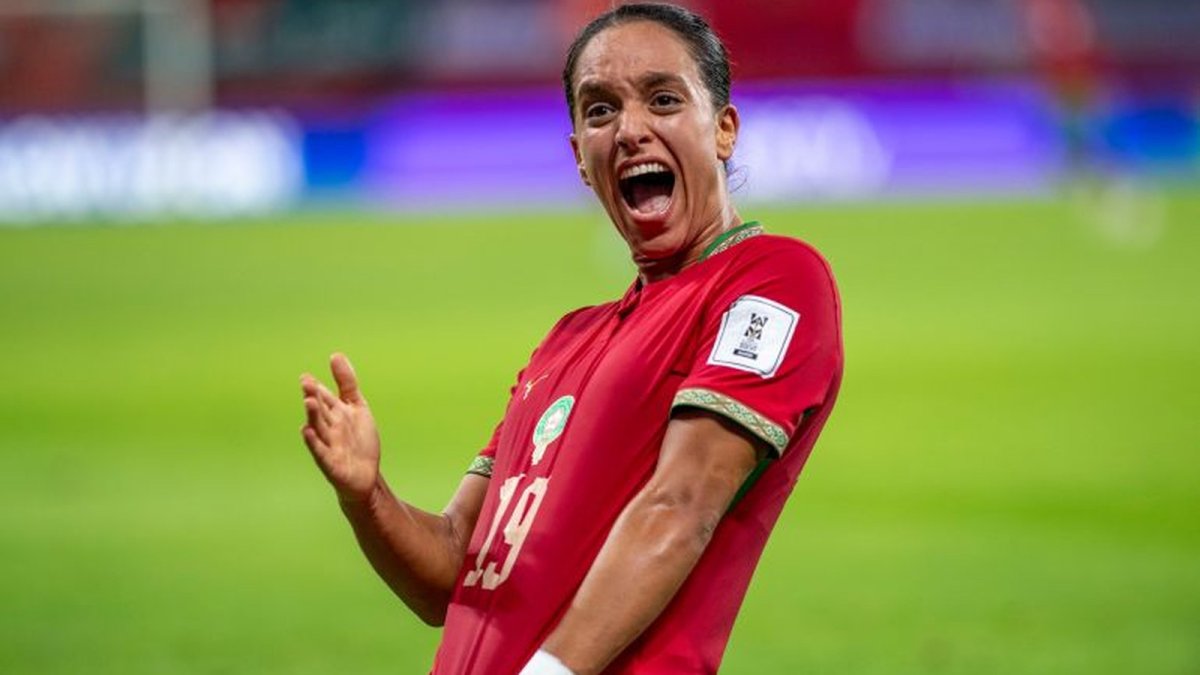
Quarterfinal Fallout: The Champions Are Sent Home
The defining image of the quarterfinals was the sight of Banyana Banyana's Thembi Kgatlana, arms outstretched in frustration, after her 67th-minute strike proved to be nothing more than a consolation. Morocco had built their fortress early. Sakina Ouzraoui, a constant menace all tournament, fired the hosts ahead in the 31st minute with her second goal of the competition, before Hanane Ait El Haj coolly converted a penalty six minutes into the second half. Kgatlana's goal set up a frantic finale, but the Atlas Lionesses, runners-up to South Africa four years ago, defended with a resolute fury that spoke of a team on a mission. For Desiree Ellis and her charges, the dream of a second title in four years is over, a bitter pill to swallow for a squad that had grown accustomed to continental dominance.
The drama, however, was not confined to Rabat. In Casablanca, the script was flipped on its head twice over. Algeria, roared on by a passionate crowd, came from behind to beat a 10-woman Ivory Coast 2-1. The Ivorians had taken the lead through Ines Konan on 29 minutes, but their world collapsed when 18-year-old N'Sira Ouedraogo was sent off for a reckless kick on Algeria goalkeeper Chloe N'Gazi. Algeria pounced, with substitute Ines Khiri and Amira Braham scoring within six minutes of each other around the hour mark. Between those goals, Ivory Coast's Rebecca Elloh struck the post from the penalty spot, a moment that will haunt her for years. It was a brutal lesson in game management.
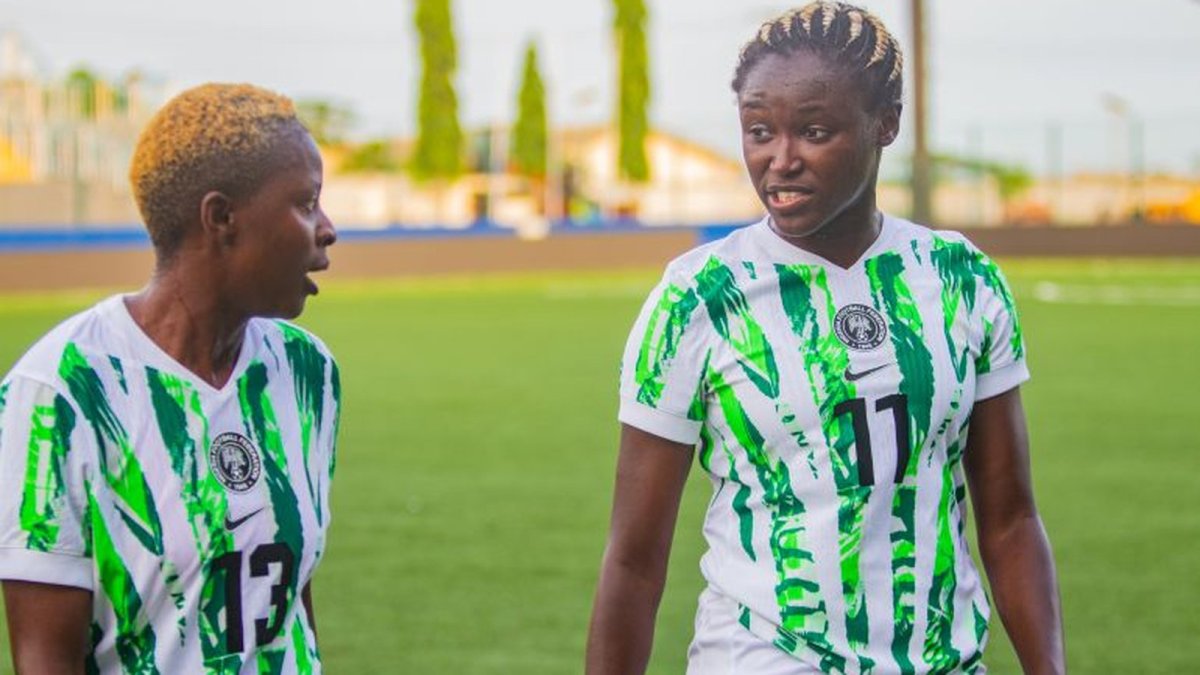
The Giant Killers: Cameroon and Malawi's Historic Night
If Algeria's comeback was impressive, Cameroon's was monumental. On Sunday, August 9, the Indomitable Lionesses produced a defensive masterclass to stun Nigeria 1-0, ending the Super Falcons' 35-year stranglehold on the competition. The goal came from the unlikeliest of sources: 19-year-old Myriam Nyadjou, who curled a stunning free-kick past the world-class Chiamaka Nnadozie in the 19th minute. From there, it was a siege. Goalkeeper Michaely Bihina was nothing short of heroic, producing a series of acrobatic saves to deny Nigeria's relentless pressure. Even the introduction of six-time African Women's Footballer of the Year Asisat Oshoala, clearly not fit enough to start, could not break the deadlock. Esther Okoronkwo had the best chance in the third minute of added time, but Bihina stood tall. It was only Cameroon's second victory over Nigeria in 14 WAFCON meetings, and it sent shockwaves through the continent.
Yet, the most romantic story of all unfolded in Rabat. Malawi, ranked 153rd in the world and playing in their first-ever WAFCON, continued their fairytale run by beating three-time runners-up Ghana 2-1. Chantelle Boye-Hlorkah had volleyed Ghana into a seventh-minute lead, but the Scorchers, as they are known, refused to wilt. Temwa Chawinga, one half of the famed Chawinga sister duo, saw her shot deflected in for the equaliser just five minutes later. Then, with 11 minutes remaining, Rose Kadzere burst into the area and fired past goalkeeper Cynthia Konlan to seal a result that defies all logic. Ghana, ranked 62 places above their opponents, pushed for an equaliser but never seriously threatened. The fairytale is alive.
Semifinal Showdowns: A New Champion Is Guaranteed
The semifinals, set for Wednesday, August 12, present a mouth-watering prospect. Hosts Morocco will face a Cameroon side high on confidence and defensive resilience in Rabat, while Algeria and Malawi will do battle in Casablanca. The statistics are stark: none of the four semifinalists has ever won the WAFCON. Since the tournament's debut in 1998, only three nations have lifted the trophy: Nigeria (10 times), Equatorial Guinea (twice), and South Africa (once, in 2022). No North African nation has ever won it. That will change on August 16. The question is, who will seize their moment in history?
For Malawi, the achievement is staggering. They stunned record champions Nigeria 3-2 in their opening match, then beat Egypt. A loss to Zambia did not prevent them from winning their group on goals scored. Now, they are 90 minutes away from a continental final. Their star power is undeniable, with Tabitha and Temwa Chawinga terrorising defences, but their collective spirit is what has carried them this far. Algeria, meanwhile, are in their first-ever WAFCON semifinal, and their victory over Ivory Coast showed a resilience that suggests they are not just happy to be here.
World Cup Stakes: Brazil 2027 Beckons
The prize on offer is immense. All four semifinalists have secured their places at the 2027 Women's World Cup in Brazil, a first for Algeria and Malawi. For the losing quarterfinalists, including South Africa and Nigeria, there is a second chance via African and intercontinental playoffs, but the pain of missing out on direct qualification will linger. The expansion of the World Cup and the increased investment in African women's football, including CAF's 150 percent prize money boost in 2022 which saw winners earn $500,000, is clearly bearing fruit. The depth of quality on display at this tournament has been remarkable, and the fact that the "big two" have been dethroned is a testament to the rapid growth of the game across the continent.
South African Perspective: A Bitter Exit, But a Bright Future
For South Africa, the exit is a gut-wrenching blow. Banyana Banyana, the 2022 champions who reached the quarterfinals of the 2023 World Cup, came to Morocco hoping to reclaim the crown they last lifted in 2022. Thembi Kgatlana's goal was a flash of brilliance, but it was not enough. The South African Football Association (SAFA) has invested heavily in the women's game, with more than 400,000 women and girls now registered on the MySAFA digital platform and the launch of a professional women's league. The infrastructure is there, the talent is there, but on this occasion, the execution was lacking. The loss to Morocco, on their home turf, will sting for a long time. But the foundation being laid in South Africa, from grassroots development to the professional ranks, suggests this is a temporary setback, not a decline. The disappointment is raw, but the future remains bright.
What to Watch For: The Road to Rabat and Beyond
All eyes now turn to Wednesday's semifinals. Can Morocco handle the weight of expectation on home soil? Can Cameroon's defence hold firm once more? Will Algeria's comeback kings produce another miracle? Or will Malawi's fairytale have the most improbable ending of all? The playoffs for the remaining World Cup spots take place on August 13, before the grand final on August 16 in Rabat. One thing is for certain: African women's football has never been more competitive, more exciting, or more unpredictable. The old order has crumbled, and a new, thrilling era has begun.
The scenes in Rabat and Casablanca this week have been a testament to the passion and growth of the women's game on the continent. From the tears of the Nigerian players to the unbridled joy of the Malawians, this is sport at its most raw and compelling. South Africa may be out, but the revolution they helped spark in 2022 is now in full swing. The future of African women's football is not just bright; it is blinding.
By Dante Williams, Staff Writer
This article was produced with AI-assisted research and editorial support. Reporting is based on sources cited in the article.
What's Your Reaction?
 Like
0
Like
0
 Dislike
0
Dislike
0
 Love
0
Love
0
 Funny
0
Funny
0
 Wow
0
Wow
0
 Sad
0
Sad
0
 Angry
0
Angry
0

Breaking News and Investigations Correspondent at Global1.News. Based in London, covering global breaking news, security, and investigative stories. Known for digging deeper and connecting the dots across continents.













Comments (0)