
Search for Parker Wells was delayed by 911 issues: City of Calgary
When 11‑year‑old Parker Wells vanished from his day‑home in north Calgary on the morning of 16 July, the city launched a massive search that would span two weeks and capture the attention of an entire community.
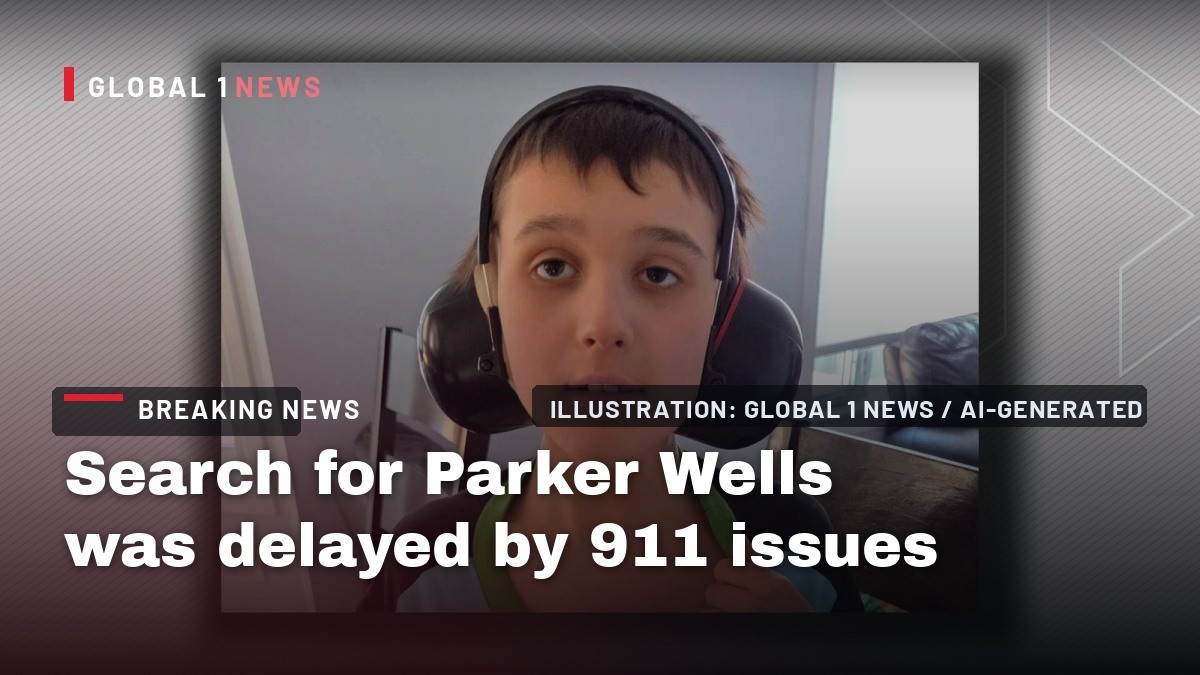
When 11‑year‑old Parker Wells vanished from his day‑home in north Calgary on the morning of 16 July, the city launched a massive search that would span two weeks and capture the attention of an entire community. The tragedy has since sparked a critical review of Calgary’s 911 response procedures, raised questions about the timing of Amber Alerts, and prompted calls for reforms that could affect how emergencies are handled across Canada.
Initial call and procedural breakdown
According to a city‑commissioned review, the first 911 call regarding Parker’s disappearance arrived at 10:53 a.m. from the day‑home staff. While the staff did not wish to officially label the child as missing, the operator on duty had enough information to flag the incident as an emergency. Instead, the call was not marked as such, and the operator failed to alert police immediately.
The review further identified a lapse by a supervising 911 employee who, after reviewing the call, did not take the necessary action to trigger police involvement. It was not until a half‑hour later, when the day‑home called back to report Parker missing, that the alert was finally sent to police at 11:41 a.m., nearly 48 minutes after the initial call.
Impact of the delay on the search effort
Calgary’s emergency management chief, Iain Bushell, acknowledged that the delay “did not meet the standard of service we expect.” He noted that the early minutes of a missing‑child case are crucial for launching coordinated search protocols, and that the missed opportunity to alert police immediately may have limited the speed and scope of the initial response.
Despite the setback, the city mobilised hundreds of police officers and volunteers who canvassed homes, boats, sheds, garages and waterways. The search was complicated by Parker’s autism and non‑verbal status, which meant traditional methods of locating a child—such as calling out his name—were less effective. Officers even played Parker’s favourite Disney songs from patrol vehicles and left out Goldfish crackers in an effort to draw him out.
Police and community response
Police officials warned that confronting Parker could have heightened his fear, given his neurological condition. This caution shaped the approach of search teams, who balanced the urgency of finding the child with the need to avoid causing additional distress.
The community’s involvement was extensive. A makeshift memorial of flowers, stuffed toys and candles emerged near the footbridge where Parker’s body was later discovered, reflecting the collective grief and solidarity of Calgarians during the two‑week search.
Discovery and aftermath
After an exhaustive search, Parker’s body was located in a network of underground pipes beneath the north‑end portion of the Deerfoot Trail expressway, roughly three kilometres from the day‑home. The discovery, while bringing closure to his family, underscored the tragic reality that the child had been unable to navigate the complex urban infrastructure.
The finding prompted an outpouring of remembrance and highlighted the need for better safety measures for vulnerable children, especially those with special needs who may not be able to communicate distress or follow conventional safety instructions.
City’s corrective actions
In response to the findings of the review, Calgary has instituted several changes aimed at preventing a repeat of the 911 mishandling. These include the addition of more supervisors within the 911 centre, increased checks and spot reviews of calls, and updated training protocols to ensure operators and supervisors fully consider the totality of information—particularly a child’s age and any inability to locate them.
Bushell emphasised that the city is “committed to strengthening our processes and ensuring our employees have the support, training and tools they need to serve Calgarians effectively.” While disciplinary action has been taken against the individuals involved, details remain undisclosed due to privacy regulations.
Amber Alert considerations
Parker’s case also ignited a debate over the province’s Amber Alert system. Although an Amber Alert was eventually issued as a special exemption, it was not released until the second day of the search, limiting its potential impact. In the wake of the tragedy, the Alberta government announced a review of the criteria governing Amber Alerts, signalling a possible shift toward more rapid deployment of alerts in cases involving children with special needs.
Petitions calling for changes to the Amber Alert framework have gained traction, arguing that the current thresholds may not adequately account for situations where a child’s vulnerability, such as autism, heightens the urgency of a rapid public warning.
Broader implications for emergency response in Canada
The Parker Wells tragedy underscores a broader challenge for municipalities across Canada: ensuring that emergency communication systems are both responsive and adaptable to the nuances of each case. While the 911 system is designed to triage calls based on perceived risk, the Calgary review suggests that operators must be empowered—and required—to act on information that may not fit conventional emergency patterns but nonetheless warrants immediate action.
For policymakers, the incident offers a case study in balancing procedural rigidity with the flexibility needed to protect vulnerable populations. As provinces consider reforms to Amber Alerts and municipalities evaluate their own emergency response protocols, the lessons from Calgary may inform a more nuanced approach that integrates training on neurodiverse conditions, clearer guidelines for supervisors, and stronger accountability mechanisms.
Ultimately, the hope is that the painful lessons from Parker’s disappearance will lead to systemic improvements that safeguard other children, ensuring that the first call for help is met with the swift, coordinated response that every Canadian deserves.
This article was produced with AI-assisted research and editorial support. Reporting is based on the source material cited below. Sources: Global News Canada; globalnews.ca; Global1.News (22 September 2026).
By Alex Thompson, Staff Writer
What's Your Reaction?
 Like
0
Like
0
 Dislike
0
Dislike
0
 Love
0
Love
0
 Funny
0
Funny
0
 Wow
0
Wow
0
 Sad
0
Sad
0
 Angry
0
Angry
0

Canada Correspondent at Global1.News. Based in Toronto, covering Canadian politics, energy, trade, and US-Canada relations. Provides the Canadian perspective on North American and global affairs.














Comments (0)