
Saudi Intercepts Houthi Missiles Over Riyadh, Analysts Predict Continued Threat
In a stark reminder that the war in Yemen continues to spill over into the heart of the Arabian Peninsula, Saudi Arabia reported that its air defence forces intercepted a series of Houthi‑launched ballistic missiles aimed at the capital Riyadh and the southern city of Khamis Mushait.
In a stark reminder that the war in Yemen continues to spill over into the heart of the Arabian Peninsula, Saudi Arabia reported that its air defence forces intercepted a series of Houthi‑launched ballistic missiles aimed at the capital Riyadh and the southern city of Khamis Mushait. The Al Jazeera English video, posted on 8 October 2026, shows Saudi officials describing damage to a kindergarten and a medical clinic in Riyadh caused by falling debris, while an analyst from King’s College London warned that such attacks are to be expected as long as the conflict endures.
The intercepted strike and its immediate impact
The Saudi‑led coalition said its forces shot down two missiles targeting Riyadh and a third missile aimed at Khamis Mushait, a city near the southern border with Yemen. According to the report, the intercepted projectiles broke apart in the atmosphere, scattering fragments that struck civilian infrastructure in the capital. A kindergarten and a medical clinic suffered damage from the falling debris, underscoring how even a successful defence can leave ordinary citizens vulnerable.
While the Saudi defence system prevented the missiles from reaching their intended high‑value targets, the incident highlights the growing risk of collateral damage in densely populated urban areas. The footage in the Al Jazeera report shows the aftermath at the kindergarten, with broken windows and scattered plaster, and the clinic, where a small section of the roof was punctured. No casualties were reported in those specific sites, but the psychological impact on families and health workers is palpable.
Saudi officials have repeatedly emphasized that their multi‑layered air defence network is capable of neutralising most inbound threats. The video includes statements that the system intercepted the missiles before they could strike, yet the debris field demonstrates that interception does not guarantee a clean sky for civilians.
Houthi strategy and recent targeting of Saudi air hubs
The intercepted missiles were part of a broader pattern of Houthi attacks on Saudi air infrastructure. In the days leading up to the 8 October report, the Houthis announced a strike aimed at King Khalid International Airport in Riyadh, marking the third consecutive day of assaults on Saudi airports. Earlier in the week, Saudi authorities confirmed that at least three people were killed and more than thirty injured in attacks on two of the kingdom’s airports.
These airport attacks reveal a deliberate Houthi focus on disrupting Saudi civil aviation and the perception of security in the kingdom’s most visible international gateway. By targeting airports, the Houthis aim to amplify the political and economic ramifications of their campaign, even as they lack the capacity to sustain a prolonged missile offensive against a heavily defended nation.
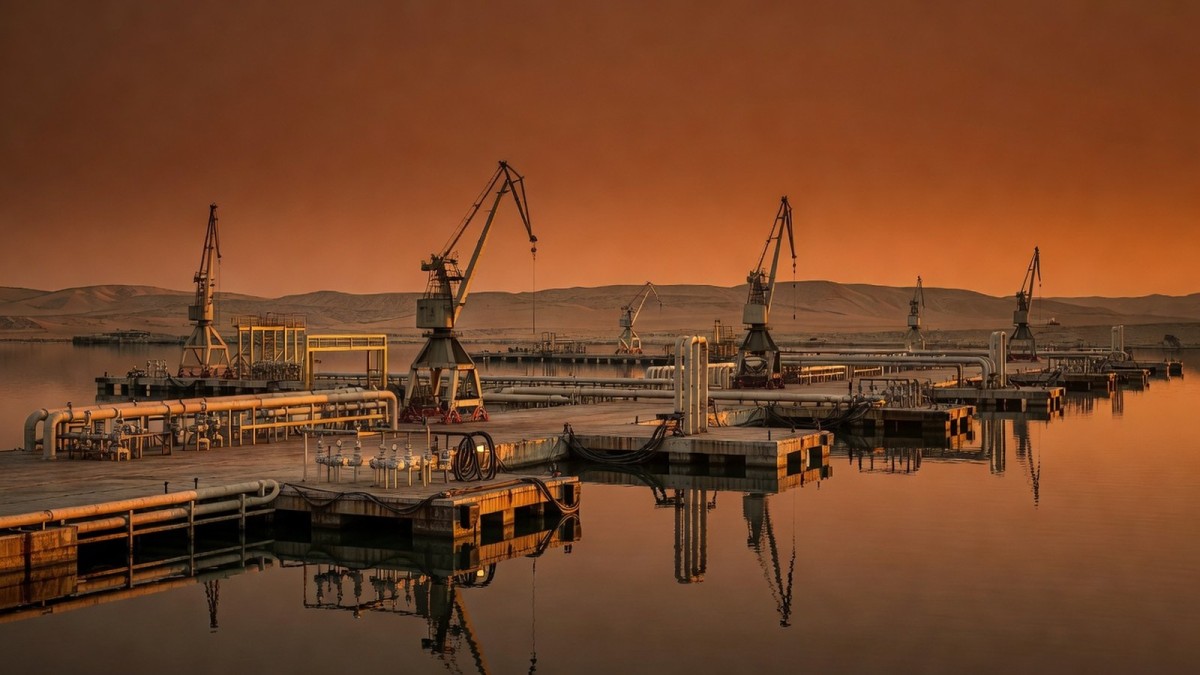
Analyst Nawaf Obaid, a senior research fellow at King’s College London, explained that the Houthis have warned workers at Saudi oil facilities to avoid sites they consider legitimate targets. This rhetoric extends the threat beyond airports to the kingdom’s energy infrastructure, a sector that underpins both the Saudi economy and global oil markets.
Expert assessment of Houthi capabilities
Obaid, who has served as a special adviser to Prince Turki Al Faisal, offered a measured view of the Houthi missile threat. He noted that Saudi Arabia’s layered air defence system is preventing most missiles from reaching their intended objectives, but the debris that falls after interception can still cause damage in populated areas. This assessment aligns with the observed impact on the kindergarten and clinic in Riyadh.
The analyst emphasized that the Houthis possess a limited number of launchers and a finite missile stockpile. He argued that the group’s capacity to sustain a high‑tempo missile campaign is constrained, especially as the Saudi‑led coalition intensifies its own strikes against Houthi launch sites and supply lines.
Obaid also clarified a common misconception: the Houthis are not Iran. While Iran supplies political support and some material assistance, the Houthi missile inventory is not as extensive as that of a state actor. Consequently, the analyst expects a gradual decline in the frequency of missile launches as the group exhausts its limited arsenal.
Saudi strategic objectives in the Yemen conflict
According to Obaid, Saudi Arabia’s overarching goal is not to eradicate the Houthis but to degrade their military capabilities. This nuance is critical for understanding the kingdom’s long‑term strategy. By targeting launch platforms, supply routes, and command structures, the Saudi‑led coalition seeks to diminish the Houthis’ ability to threaten Saudi territory while avoiding a total war that could destabilise the broader region.
The focus on capability degradation rather than outright defeat reflects a pragmatic calculation. A full‑scale elimination of the Houthis would likely require a protracted ground campaign, with significant humanitarian costs and the risk of inflaming anti‑Saudi sentiment across the Arab world. By limiting the conflict to a series of targeted strikes, Saudi Arabia aims to maintain pressure without overextending its military resources.
This approach also ties into Saudi domestic politics. Demonstrating a robust defence against missile attacks reassures the Saudi public that the kingdom can protect its citizens, while the narrative of degrading an external threat supports the legitimacy of the coalition’s ongoing involvement in Yemen.
Implications for regional security and civilian life
The repeated missile interceptions over Riyadh and the damage to civilian facilities raise broader questions about the security of urban populations in conflict‑adjacent states. Even when a missile is neutralised, the resulting debris can strike schools, clinics, and homes, creating a climate of fear that extends beyond the battlefield.
For residents of Riyadh, the incident underscores a lingering vulnerability that cannot be fully mitigated by technology alone. The psychological toll of hearing sirens, seeing smoke, and dealing with broken windows can erode confidence in public safety measures, especially in a city that hosts diplomatic missions, multinational corporations, and a large expatriate community.
Beyond Saudi Arabia, the episode serves as a cautionary tale for other nations bordering conflict zones. The ability of non‑state actors to launch ballistic missiles across borders challenges traditional notions of sovereignty and defence, prompting governments to invest heavily in layered air defence systems and to develop contingency plans for civilian protection.
Future outlook and the path ahead
Looking forward, the trajectory of Houthi missile attacks will likely be shaped by two intersecting dynamics: the depletion of the group’s missile stockpile and the intensity of Saudi‑led coalition strikes on Houthi launch capabilities. As Obaid warned, the Houthis have a finite supply of launchers, suggesting that the frequency of attacks may taper off unless external support replenishes their arsenal.
Nevertheless, the risk of sporadic strikes remains. Even a single missile that evades interception can cause casualties and infrastructure damage, as the Riyadh debris incident illustrates. Saudi Arabia will therefore continue to rely on its multi‑layered air defence network, while also seeking to further degrade Houthi capabilities through targeted airstrikes and diplomatic pressure on Iran.
For the people of Saudi Arabia, the coming months will be defined by how effectively the kingdom balances military action with civilian protection. The Al Jazeera footage captures a moment where technology succeeded in stopping a missile, yet the fallout still reached schools and clinics. That paradox will shape public discourse, policy decisions, and the broader regional narrative about the cost of a war that increasingly spills over into civilian life.
By Elena Vasquez, Staff Writer
This article was produced with AI-assisted research and editorial support. Reporting is based on the source material cited below. Sources: Al Jazeera English video report (08 October 2026); Al Jazeera English; Global1.News
What's Your Reaction?
 Like
0
Like
0
 Dislike
0
Dislike
0
 Love
0
Love
0
 Funny
0
Funny
0
 Wow
0
Wow
0
 Sad
0
Sad
0
 Angry
0
Angry
0

Latin America Correspondent at Global1.News. Based in Mexico City, covering politics, economics, energy, and culture across the region. Brings an on-the-ground perspective to stories spanning from the Rio Grande to Patagonia.











Comments (0)