
Saudi Arabia Bolsters Alliances as Iran War Threatens Kingdom Borders
Saudi Arabia prepares to sign a defense pact with Turkey and Pakistan as Houthi attacks target its oil tankers and Iran advances a Hormuz shipping deal with Oman. Five months into the Iran war, traffic through the strait is down more than 90 percent.
The Defense Pact Takes Center Stage
Saudi Arabia is set to sign a joint defense pact with Turkey and Pakistan on Friday, August 7, 2026, as the Iran conflict edges closer to the kingdom. CNN's live blog highlighted how the kingdom has pulled in two major Muslim military powers for protection. This move comes after more than five months of fighting that began on February 28, 2026.
The timing aligns with Pakistan Prime Minister Shehbaz Sharif's arrival in Saudi Arabia on Thursday for a three-day visit, joined by army chief Field Marshal Asim Munir. Turkey's President Recep Tayyip Erdogan is also en route for talks with Crown Prince Mohammed bin Salman. These high-level meetings underscore the urgency.
Pakistan's foreign ministry described the pact as a step to strengthen collective deterrence. Saudi Arabia and Pakistan had already announced a similar agreement in 2025, building on existing ties. The addition of Turkey expands the scope significantly.
This development signals a clear shift in regional alignments. The kingdom is no longer relying solely on traditional partners amid the ongoing war.
Pakistan Brings Nuclear Deterrence to the Table
Pakistan stands as the Muslim world's only nuclear-armed state, a factor that adds weight to the new defense framework. Its involvement could alter calculations for any further escalation involving Iran. The three-day visit by Prime Minister Shehbaz Sharif and Field Marshal Asim Munir focuses on military coordination.
Officials in Islamabad have framed the pact as essential for mutual security. This builds directly on the 2025 announcement between Saudi Arabia and Pakistan. The nuclear element provides a layer of deterrence that other regional players lack.
Field Marshal Asim Munir's presence highlights the military dimension of the talks. Saudi leaders see this as a practical counter to threats spilling over from the Iran conflict. The pact aims to formalize these ties on August 7, 2026.
Such alliances reflect a pragmatic response to five months of sustained warfare. Pakistan's role could influence how the conflict evolves near Saudi borders.
Turkey Joins the Fray with Erdogan’s Visit
President Recep Tayyip Erdogan's arrival in Saudi Arabia adds another dimension to the defense pact. Turkey brings substantial military capabilities that complement the kingdom's needs. Discussions with Crown Prince Mohammed bin Salman center on joint strategies against widening threats.
The inclusion of Turkey follows months of Houthi actions that have already reached Saudi territory. This partnership extends beyond previous bilateral deals. Erdogan’s presence signals Ankara's willingness to engage directly in the current crisis.
Combined with Pakistan, the pact creates a stronger front. Turkish forces could provide additional support if attacks intensify. The August 7 signing date marks a concrete step forward.
Regional observers note that Turkey's involvement changes the balance in the Muslim world. It positions the kingdom with formidable allies as the war approaches its borders.
Houthi Attacks Escalate Pressure on Saudi Oil
Houthi strikes have killed dozens in Yemen while targeting Saudi assets, according to officials cited by The Guardian on August 7. Over the past month, these attacks have hit Saudi Aramco oil facilities and tankers. A recent incident injured 11 civilians inside Saudi Arabia.
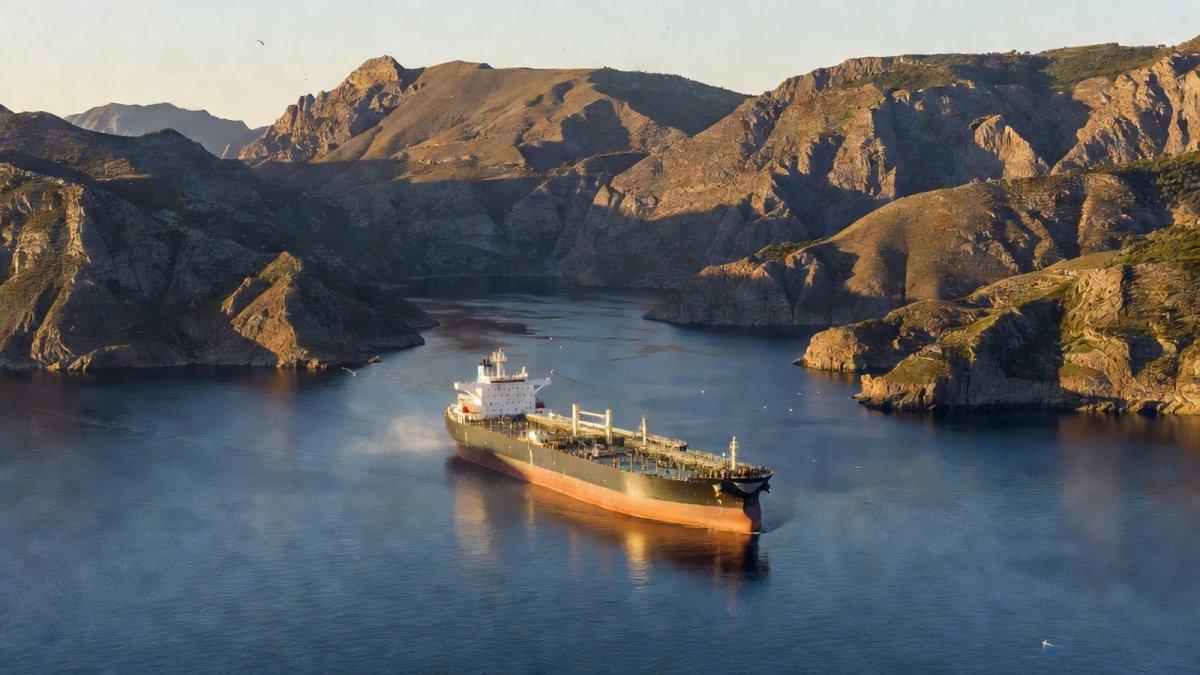
Saudi forces responded with strikes on Houthi-controlled Hodeidah. The Houthis claimed responsibility for targeting the eighth and ninth Saudi oil tankers since their blockade began in July 2026. One strike hit the Saudi-flagged tanker Wafa off Yanbu with ballistic missiles.
Another tanker faced attack in the Gulf of Aden. These actions follow the Houthis' resumption of involvement on March 28, 2026. The group controls Sanaa and large parts of Yemen despite the earlier 2015-2022 coalition campaign.
The escalation adds direct pressure on Saudi energy infrastructure. It demonstrates how the Iran war has expanded into multiple fronts.
Red Sea Shipping Routes Face Severe Disruption
Ship traffic through the Bab al-Mandab Strait has dropped by nearly half since Houthi threats to block Saudi exports, per New York Times reporting. Millions of barrels per day of Saudi oil were rerouted to Yanbu to bypass the Strait of Hormuz. This creates a double strain on logistics.
Lloyd's List Intelligence data shows the impact on maritime routes. The Houthis have now threatened the Red Sea alternative, compounding earlier Hormuz issues. Saudi Arabia has relied on its East-West Pipeline as a backup during closures.
These disruptions affect global energy flows. The blockade since July 2026 has already reduced available export options. Oil facilities remain under repeated threat from Houthi missiles.
The situation forces Saudi planners to manage multiple choke points simultaneously. It highlights the widening reach of the conflict beyond initial battle lines.
Iran and Oman Edge Toward Hormuz Shipping Accord
Iran announced on August 5 an agreement with Oman on a proposed shipping route through the Strait of Hormuz, according to Bloomberg. Only eight vessels transited the strait on August 3, down from roughly 130 ships per day before the war. This represents a collapse of more than 90 percent.
The waterway normally carries 20 percent of the world's oil. Iran's deputy foreign minister described the deal as temporary and not a full reopening. The US, Iran, and Oman are preparing a 60-day agreement, though Tehran has not confirmed all details.
President Trump has stated the strait will open very soon. Secretary of State Marco Rubio maintains that denuclearization stays the ultimate goal. Iran refuses nuclear talks until the conflict ends.
The New York Times noted that any deal could give Iran greater control over the strait than before the war. Oil prices already tumbled on the initial buzz from August 5.
Trump Administration Grapples with Munitions Shortages
Reuters and CNN reported this week that US stockpiles of long-range missiles are dangerously low after five months of war. President Trump denied these claims in a midnight Truth Social post, asserting massive amounts of munitions without specifics. He threatened long prison sentences for leakers.
Trump reportedly confronted Defense Secretary Pete Hegseth at Camp David over the depleted reserves. Critical shortages have reportedly limited Washington's military options in the Iran conflict. The reports come from multiple outlets including Al Jazeera and The Guardian.
This internal dispute reveals strains on US capabilities. The five-month timeline since February 28, 2026, has exposed vulnerabilities in supply chains. Leaks about the shortages prompted strong responses from the administration.
The munitions issue adds a domestic layer to the foreign policy challenges. It affects how the US can respond as the war widens toward Saudi Arabia.
Strategic Implications for the Broader Conflict
The August 7 defense pact signing occurs against a backdrop of Houthi tanker attacks and Hormuz diplomacy. Saudi Arabia faces threats from multiple directions while securing new allies. Pakistan's nuclear status and Turkey's military weight provide tangible support.
Oil market reactions, including the August 5 price drop, show how quickly developments affect global economics. The 90 percent drop in strait traffic and rerouting to Yanbu illustrate the scale of disruption. These factors compound the pressure on the kingdom.
US munitions concerns further complicate the picture. Five months of conflict have tested alliances and resources alike. The pact represents a direct response to these realities.
Regional dynamics are shifting rapidly as the war expands. Saudi leaders are adapting with concrete steps on August 7, 2026.
By Jessica Ali, Staff WriterThis article was produced with AI-assisted research and editorial support. Reporting is based on sources cited in the article.
What's Your Reaction?
 Like
0
Like
0
 Dislike
0
Dislike
0
 Love
0
Love
0
 Funny
0
Funny
0
 Wow
0
Wow
0
 Sad
0
Sad
0
 Angry
0
Angry
0

Editor-in-Chief at Global1.News. Atlanta-based journalist who cuts through the BS and tells it like it is. Lead anchor, host, and the voice you hear when the spin stops and the truth starts.












Comments (0)