
Russia Pledges to Continue Massive Strikes on Kyiv, Urges Foreign Diplomats to Leave City
Russia’s Foreign Ministry announced on Saturday that its armed forces will persist in “targeted retaliatory strikes” against Kyiv and other Ukrainian cities, while simultaneously urging foreign nationals, including diplomatic staff, to leave Ukraine.
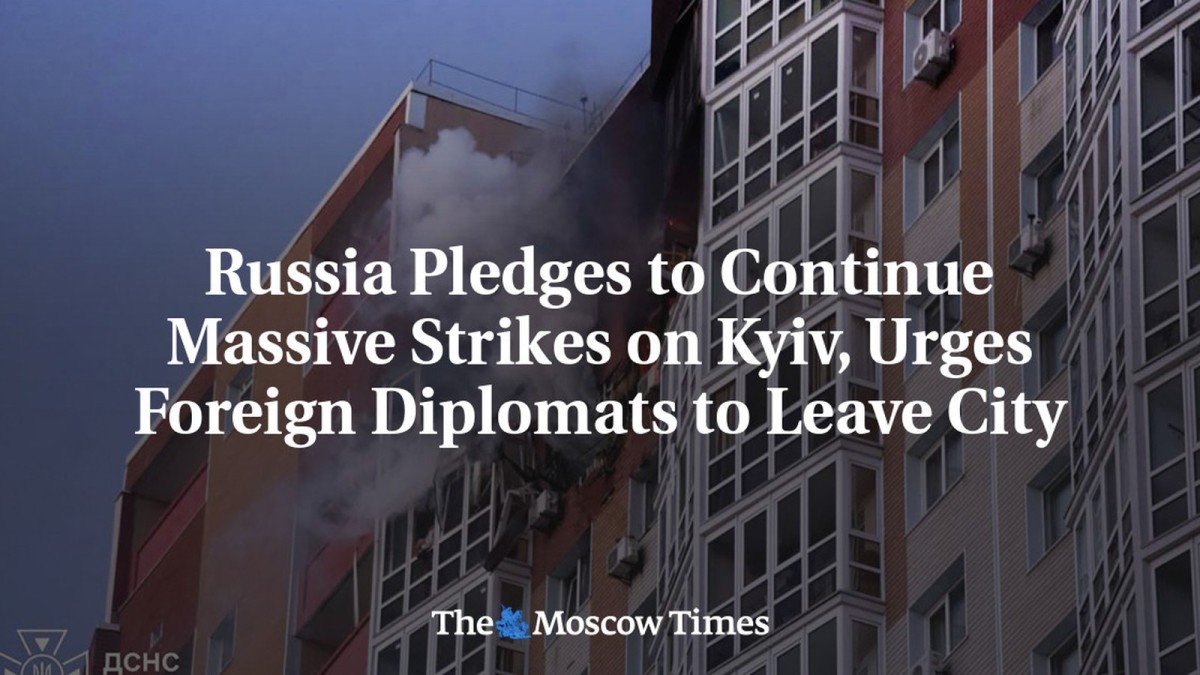
Russia’s Foreign Ministry announced on Saturday that its armed forces will persist in “targeted retaliatory strikes” against Kyiv and other Ukrainian cities, while simultaneously urging foreign nationals, including diplomatic staff, to leave Ukraine. The statement framed the escalation as a direct response to what Moscow describes as “terrorist acts” by the Ukrainian Armed Forces against Russian civilian populations and infrastructure. This pronouncement, issued amid a sharp increase in attacks on critical Ukrainian infrastructure, underscores the Kremlin’s strategy of linking military pressure with diplomatic isolation.
Official Justification for the Escalation
The ministry’s communiqué explicitly linked the intensified bombardment of Kyiv to “terrorist acts” carried out by Ukrainian forces against Russian civilians and infrastructure. By attributing the strikes to a defensive posture, Moscow seeks to legitimize its campaign under international law, positioning the attacks as “systematically” targeting only military facilities. This narrative aligns with President Vladimir Putin’s recent remarks that Ukraine is “paying the price” for its own attacks on Russia, reinforcing the message that the Russian military’s actions are retaliatory rather than offensive.
In the same statement, the Foreign Ministry warned foreign nationals and diplomatic personnel that remaining in Ukraine or traveling there would be “against” the warning, placing responsibility for any “adverse consequences” on those who ignore it. This language mirrors previous Russian advisories that have sought to deter foreign presence in conflict zones, thereby limiting external scrutiny and potential diplomatic pressure.
Escalation of Infrastructure Strikes
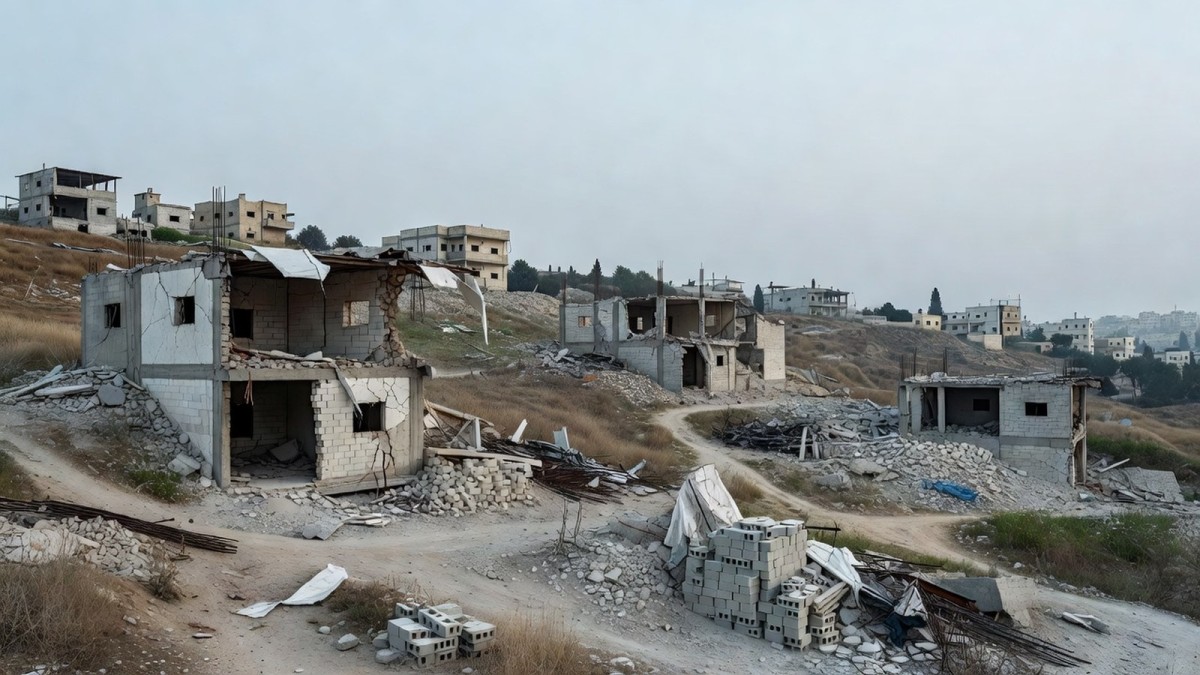
Recent Russian air operations have focused on critical infrastructure in Kyiv, most notably a bridge spanning the Dnipro River, which was struck on Saturday. The targeting of such a crossing disrupts both civilian mobility and logistical supply lines, amplifying the humanitarian impact as the city’s three‑million residents brace for the approaching winter. By concentrating on infrastructure, Moscow signals a shift toward a strategy that seeks to erode urban resilience while maintaining a veneer of “targeted” strikes.
The intensification of these attacks coincides with a broader pattern of mutual escalation in the Black Sea, where both Russian and Ukrainian forces have increased strikes on grain vessels. Simultaneously, Russian oil refineries and other enterprises continue to endure Ukrainian shelling, while Ukrainian drones have reportedly killed civilians in Russian border regions. Both sides persist in denying deliberate attacks on civilian targets, a claim that complicates verification and accountability.
Diplomatic Pressure and the “Undesirable” Designation
In parallel with its military campaign, the Russian state has intensified pressure on independent media. The Prosecutor General’s Office recently labeled The Moscow Times as an “undesirable” organization, criminalizing its operations and exposing its staff to prosecution. This follows an earlier designation as a “foreign agent,” a label traditionally used to stigmatize and restrict NGOs and media outlets perceived as hostile to the Kremlin.
The ministry’s warning to foreign nationals, coupled with the crackdown on independent journalism, reflects a coordinated effort to isolate Ukraine diplomatically while suppressing dissenting narratives within Russia. By framing independent reporting as “discrediting the decisions of the Russian leadership,” the authorities aim to delegitimize external criticism and reinforce domestic support for the war effort.
Humanitarian Implications for Kyiv
The bridge strike and other infrastructure attacks exacerbate the humanitarian strain on Kyiv’s population. With winter approaching, disruptions to transport, energy, and water services threaten to deepen civilian suffering. While Moscow claims its strikes are limited to “military facilities,” the impact on civilian life is evident, as the loss of a major river crossing hampers evacuation routes and the delivery of essential supplies.
International humanitarian law distinguishes between legitimate military targets and attacks that cause disproportionate civilian harm. The pattern of targeting infrastructure that serves both civilian and military functions raises questions about compliance with these norms, especially as the conflict enters a season traditionally associated with heightened humanitarian needs.
Strategic Messaging Behind the Diplomatic Warning
The repeated advisories to foreign diplomats serve multiple strategic purposes. First, they aim to deter foreign observers from witnessing Russian operations, thereby limiting real‑time documentation of alleged war crimes. Second, by casting the responsibility for any “adverse consequences” on those who ignore the warning, Moscow seeks to shift blame for potential casualties or diplomatic incidents onto foreign governments.
This tactic also aligns with Russia’s broader information strategy, which portrays the conflict as a defensive struggle against Western‑backed aggression. By warning foreign nationals, the Kremlin reinforces the narrative that external actors are complicit in Ukraine’s “terrorist” actions, thereby justifying its own escalation in the eyes of domestic audiences.
Implications for International Relations
The escalation of strikes and the diplomatic warning are likely to strain Russia’s already tenuous relations with Western capitals. As foreign ministries receive directives to evacuate personnel, diplomatic missions may reassess the level of engagement they maintain in Kyiv, potentially reducing on‑the‑ground reporting and diplomatic channels. This could further isolate Ukraine at a critical juncture, limiting its ability to garner real‑time support and to coordinate aid delivery.
Conversely, the heightened pressure on independent media like The Moscow Times may galvanize international advocacy for press freedom. The organization’s appeal for financial support underscores the precarious position of independent journalism under Russian law. External funding efforts could become a focal point for broader sanctions or diplomatic measures aimed at curbing Russia’s suppression of dissent.
Outlook and Potential Trajectories
Given the current trajectory, Moscow is likely to maintain its dual approach of intensified military pressure and diplomatic intimidation. The Foreign Ministry’s statement signals that the “systematic” campaign against Kyiv will continue, particularly as winter approaches and the strategic value of disrupting Ukrainian logistics rises.
For Ukraine, the challenge will be to mitigate the humanitarian fallout while sustaining its defensive operations. International partners may need to accelerate humanitarian assistance and reinforce diplomatic security protocols for their personnel. Meanwhile, the plight of independent Russian media will remain a barometer of the Kremlin’s willingness to tolerate dissent, with each designation as “undesirable” or “foreign agent” narrowing the space for critical reporting.
This article was produced with AI-assisted research and editorial support. Reporting is based on the source material cited below. Sources: The Moscow Times; themoscowtimes.com; Global1.News (07 October 2026).
By Irina Volkov, Staff Writer
What's Your Reaction?
 Like
0
Like
0
 Dislike
0
Dislike
0
 Love
0
Love
0
 Funny
0
Funny
0
 Wow
0
Wow
0
 Sad
0
Sad
0
 Angry
0
Angry
0
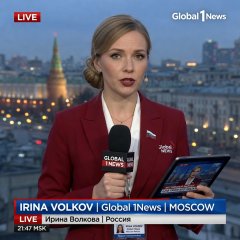
Russia/Eastern Europe Correspondent at Global1.News. Covering Russian politics, energy, security, and the shifting dynamics of the post-Soviet space. Provides clear-eyed analysis on one of the world's most opaque regions.











Comments (0)