
Russia Kills 21 in Overnight Missile Barrage as Ukraine Pleads for Interceptors
In a recent BBC News report, viewers saw the aftermath of one of the deadliest nights of the war for Ukraine's capital — a Russian barrage of ballistic missiles and drones that killed at least 21 people, 17 of them in Kyiv and the surrounding region. Kyiv, Ukraine – 5 August 2026 — Ukraine has appealed to its allies for more air-defence interceptors after Russia launched one of the largest missile and drone attacks of the year against the capital and other cities.
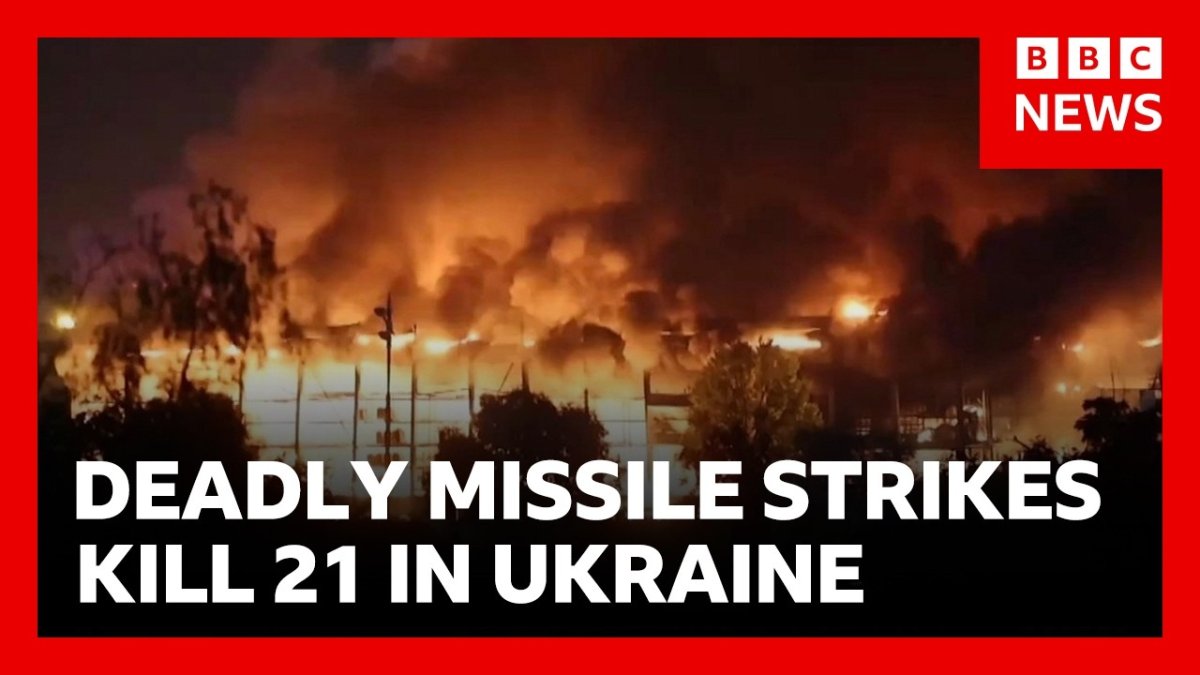
In a recent BBC News report, viewers saw the aftermath of one of the deadliest nights of the war for Ukraine's capital — a Russian barrage of ballistic missiles and drones that killed at least 21 people, 17 of them in Kyiv and the surrounding region.
Russia Kills 21 in Overnight Missile Barrage as Ukraine Pleads for Interceptors
Kyiv, Ukraine – 5 August 2026 — Ukraine has appealed to its allies for more air-defence interceptors after Russia launched one of the largest missile and drone attacks of the year against the capital and other cities. President Volodymyr Zelensky said interceptors "could have saved lives" as emergency crews pulled bodies from rubble across the Kyiv region. The attack came as BBC Verify data showed Ukraine's missile-interception rate has fallen sharply this year compared with the same period in 2025.
The Overnight Barrage: 24 Ballistic Missiles and 115 Drones
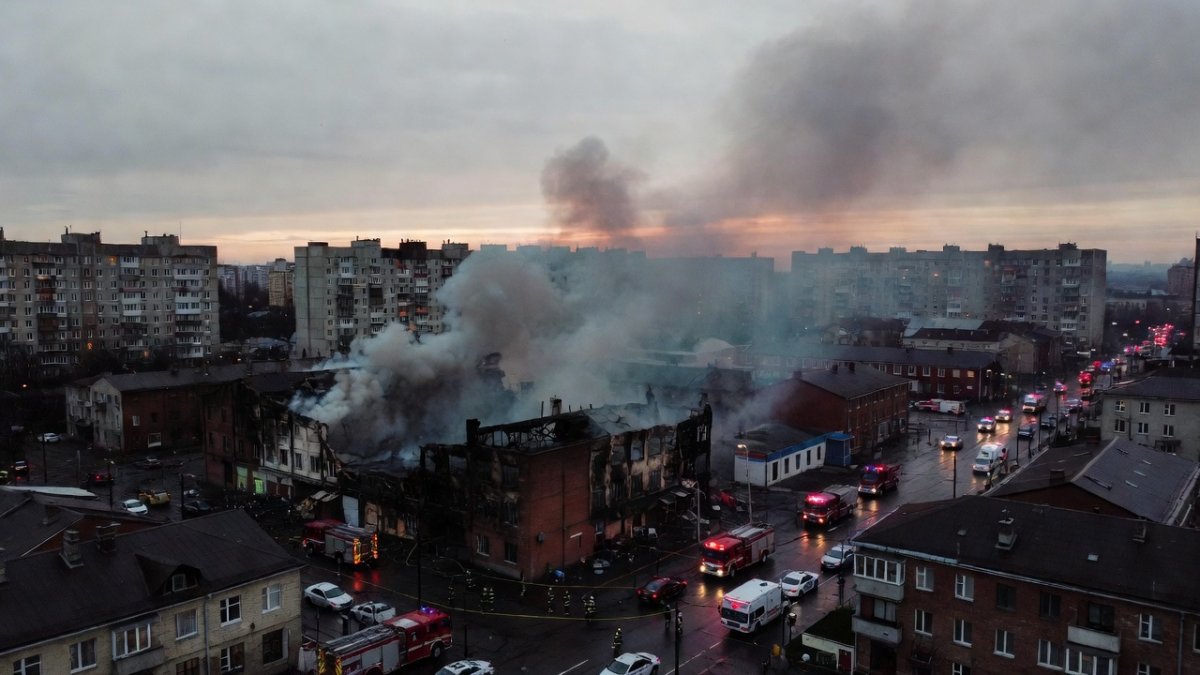
Ukraine's air force said on Telegram that Russia had launched 24 ballistic missiles and four anti-ship missiles during the attack on the capital, alongside 115 drones, of which air-defence systems intercepted 98. According to Ukrainian emergency services, one person died in the city of Kyiv with at least 16 injured, while a further 16 died and 29 were injured in the wider region. The overnight attack marked the deadliest strikes Kyiv and its surroundings had experienced this year. In Kharkiv, one person was killed and several injured — one critically — according to regional head Oleh Syniehubov, while three people were killed and 27 injured in Donetsk, governor Vadym Filashkin said.
Kyiv Mayor Vitali Klitschko described scenes of chaos and fear, noting that residents remained anxious about possible survivors trapped under collapsed structures after residential buildings, a railway station and warehouses sustained direct hits. Emergency teams worked through the morning amid ongoing risks from unstable debris. The firefighting effort proved extensive, with crews still battling blazes at five separate locations across the Kyiv region that together covered approximately 230,000 square metres. Ukraine reported no interceptions of the ballistic missiles in the overnight attack, highlighting the particular difficulty these weapons pose for existing defences. This combination of scale and precision in the Russian strike package left local authorities stretched, as rescue operations competed with the need to contain spreading fires and secure damaged infrastructure. Ordinary residents in affected districts faced immediate displacement, with many losing homes and belongings in the early hours before dawn.
A Capital Under Strain: Kyiv's Deadliest Night This Year
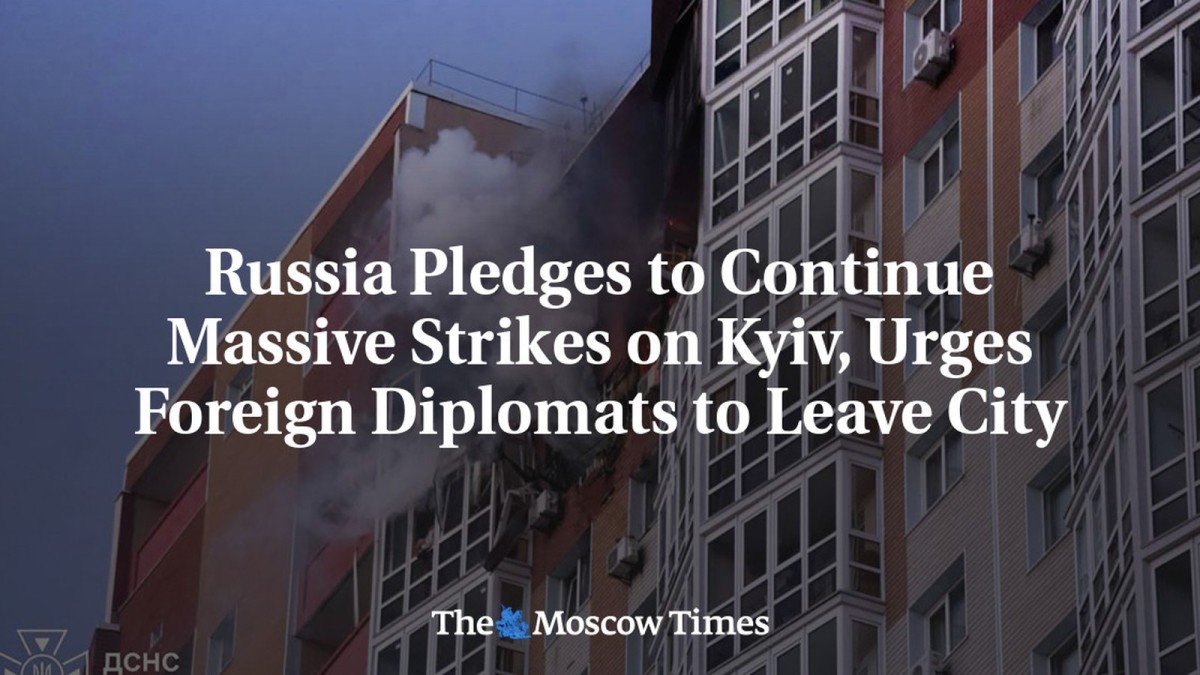
The attack on the capital unfolded before dawn, sending residents into shelters as explosions echoed across the city. Kyiv's emergency services described a night of sustained strikes in which residential blocks, transport infrastructure and commercial warehouses were all hit. Mayor Vitali Klitschko said there were fears people could be trapped beneath the rubble, as rescue teams worked through the day to search collapsed buildings. The scale of destruction — with fires still being extinguished at five locations across the region, covering an area of roughly 230,000 square metres — underscored how a single night of strikes can overwhelm a city's defences and emergency services.
The human cost proved severe, with 17 people confirmed dead in Kyiv and the surrounding region, marking the deadliest attack on the capital area this year. Families in residential buildings hit by the missiles faced sudden loss and injury, while survivors described the terror of seeking cover as ballistic weapons arrived with little warning. Russia's defence ministry described the targets as logistics hubs and supply centres involved in the storage and delivery of weapons and military supplies, as well as production and distribution of unmanned aerial vehicles. Ukrainian officials rejected these characterisations, pointing instead to the civilian toll and damage to everyday infrastructure. The strikes left many in the Kyiv region without power or access to basic services in the immediate aftermath, illustrating the broader strain on urban life amid repeated Russian pressure on the capital.
Zelensky's Plea: "Interceptors Could Have Saved Lives"
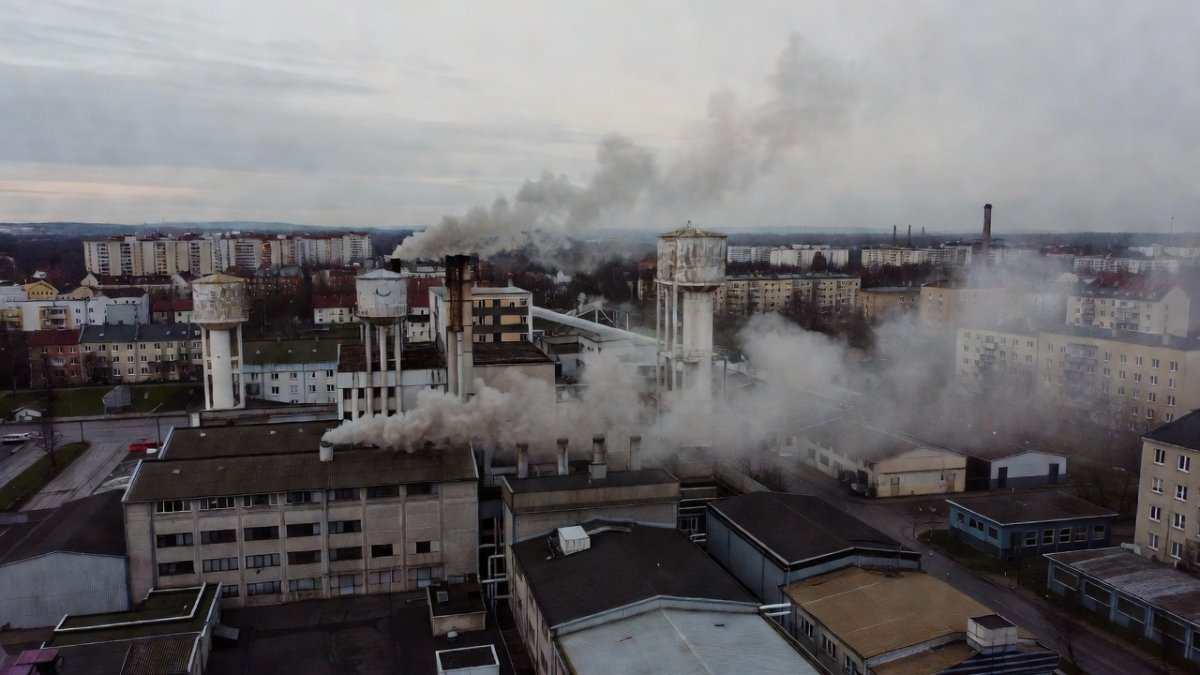
President Volodymyr Zelensky stated that delays in receiving anti-ballistic systems from partners lead to "horrific casualties and destruction." He later noted that the supply of interceptors from allies had been "significantly reduced" this year. Ukraine has consistently urged allies for more US-made Patriot missile interceptors to defend against Russian ballistics. Ukraine did not report intercepting any of the ballistic missiles in the overnight attack. Analysts suggest the shortage of interceptors is a direct consequence of reduced allied deliveries, not a failure of Ukrainian crews.
Zelensky's appeal comes at a critical moment when Russian forces appear to be exploiting gaps in Ukraine's layered air defences. The absence of sufficient interceptors leaves cities such as Kyiv exposed to repeated ballistic salvos, forcing civilians to endure nights of uncertainty in shelters. European partners have acknowledged the urgency, yet production and delivery timelines have not kept pace with Russian output. This shortfall directly affects ordinary Ukrainians who must rebuild after each strike while facing the prospect of harsher conditions ahead. The Kremlin's strategy of sustained long-range pressure aims to degrade both military capacity and civilian morale, particularly as energy infrastructure faces renewed threats. Without accelerated shipments of interceptors, Ukrainian authorities warn that winter months could bring additional hardship for populations already coping with disrupted heating and electricity supplies.
BBC Verify: The Numbers Behind the Failing Shield
Ukrainian air force data analysed by BBC Verify shows missile interceptions over the last month have fallen compared with the same period last year (44.4% in 2026 vs 66.7% in 2025). Ukraine intercepted 156 of 351 Russian missiles launched between 6 July and 5 August 2026, compared with 128 of 192 during the same period in 2025. Russian missile launches increased by 83% this month compared with last year. Drone interception rates fell much less — 85.8% in 2026 vs 88.4% in 2025. Russia has intensified attacks on Kyiv in recent weeks while Ukraine has increased attacks on Russian civilian infrastructure, including power facilities.
The BBC Verify figures reveal a widening gap between Russian launch volumes and Ukraine's ability to neutralise incoming threats. Ballistic missiles, which travel at high speeds and follow unpredictable trajectories, account for much of the decline in overall interception success. This trend places additional pressure on remaining stockpiles and forces difficult choices about which cities receive priority protection. Ukrainian crews continue to operate under intense conditions, yet the data indicate that allied resupply rates have not matched the escalation in Russian activity. The disparity carries direct consequences for civilians in frontline and rear areas alike, as each unstopped missile can destroy homes, workplaces and critical utilities. Energy politics play a central role here, with Moscow seeking to weaken Ukraine's power grid ahead of winter and thereby increase dependence on external aid. EU and NATO allies have voiced support for bolstering defences, yet the numerical evidence underscores the urgency of translating statements into faster deliveries.
Russia's Response and the Widening Drone War
Russia's defence ministry said it had struck logistics hubs and supply centres in Kyiv and the surrounding region, claiming they were involved in storage, delivery of weapons and military supplies, and production and distribution of drones. It also said it had hit three cargo vessels "which were transporting weapons and military equipment" near the Black Sea port of Odesa. Dmitry Milyaev, governor of Russia's Tula region, said a Ukrainian drone crashed into a warehouse of e-commerce giant Wildberries overnight and caused a fire, with one person injured. Ukraine has repeatedly targeted Wildberries warehouses — five people were killed and ten wounded in the Moscow region on Tuesday in the most recent strikes. The day before, Russian officials said seven people were killed and 58 injured after a drone hit a busy beach in the southern Krasnodar region. Ukraine expressed outrage over a video showing a man chased by a drone in Kherson, calling it a deliberate "hunt" and "safari" targeting civilians. Both sides deny deliberately targeting civilians.
These cross-border incidents illustrate how the conflict has expanded into mutual strikes on infrastructure and populated areas. Russian authorities maintain that their operations focus on military-related targets, while Ukrainian statements emphasise civilian harm from incoming missiles and drones. The involvement of commercial sites such as Wildberries warehouses highlights the blurring of lines between economic and military assets in the eyes of both parties. EU officials, including European Commission President Ursula von der Leyen, have condemned attacks that endanger non-combatants and have pointed to the need for accountability. The pattern of escalation risks drawing more regions into the fighting, complicating efforts to protect energy networks and civilian populations across Ukraine and neighbouring areas.
Analysis and Implications: A Winter of Exposure
European Commission President Ursula von der Leyen said on Wednesday the EU had received €1.4bn (£1.2bn) from immobilised Russian assets, which would be used to support Ukraine. BBC Verify's data shows Russian missile launch rates up 83% year-on-year while Ukraine's interception rate has fallen to 44.4%. Zelensky's public appeal for interceptors reflects a structural dependency on allied air defence. Analysts suggest this could indicate Moscow is deliberately testing the limits of Ukraine's depleted shield ahead of winter. The interceptor shortage stands as the central strategic question of the coming months — whether allied production and deliveries can keep pace with Russian missile output.
This dynamic carries profound implications for Ukraine's resilience. A sustained shortfall in interceptors could leave energy facilities and urban centres vulnerable during the colder months, when heating demands rise and repair times lengthen. The Kremlin's approach combines missile barrages with pressure on power grids, aiming to compound civilian hardship and strain state resources. Ukrainian officials continue to document the human impact, from families displaced in Kyiv to workers affected in industrial regions. EU support through frozen-asset revenues offers one avenue for assistance, yet the immediate requirement remains physical deliveries of defensive systems. NATO partners have increased commitments in recent months, but the pace must accelerate if Ukraine is to maintain credible protection against the current tempo of Russian strikes. The coming period will test whether diplomatic pledges translate into operational capacity on the ground.
By Irina Volkov, Staff Writer
This article was produced with AI-assisted research and editorial support. Reporting is based on sources cited in the article.
What's Your Reaction?
 Like
0
Like
0
 Dislike
0
Dislike
0
 Love
0
Love
0
 Funny
0
Funny
0
 Wow
0
Wow
0
 Sad
0
Sad
0
 Angry
0
Angry
0

Russia/Eastern Europe Correspondent at Global1.News. Covering Russian politics, energy, security, and the shifting dynamics of the post-Soviet space. Provides clear-eyed analysis on one of the world's most opaque regions.











Comments (0)