
Ramses and the Pharaohs' Gold: Egypt's Treasures Dazzle London
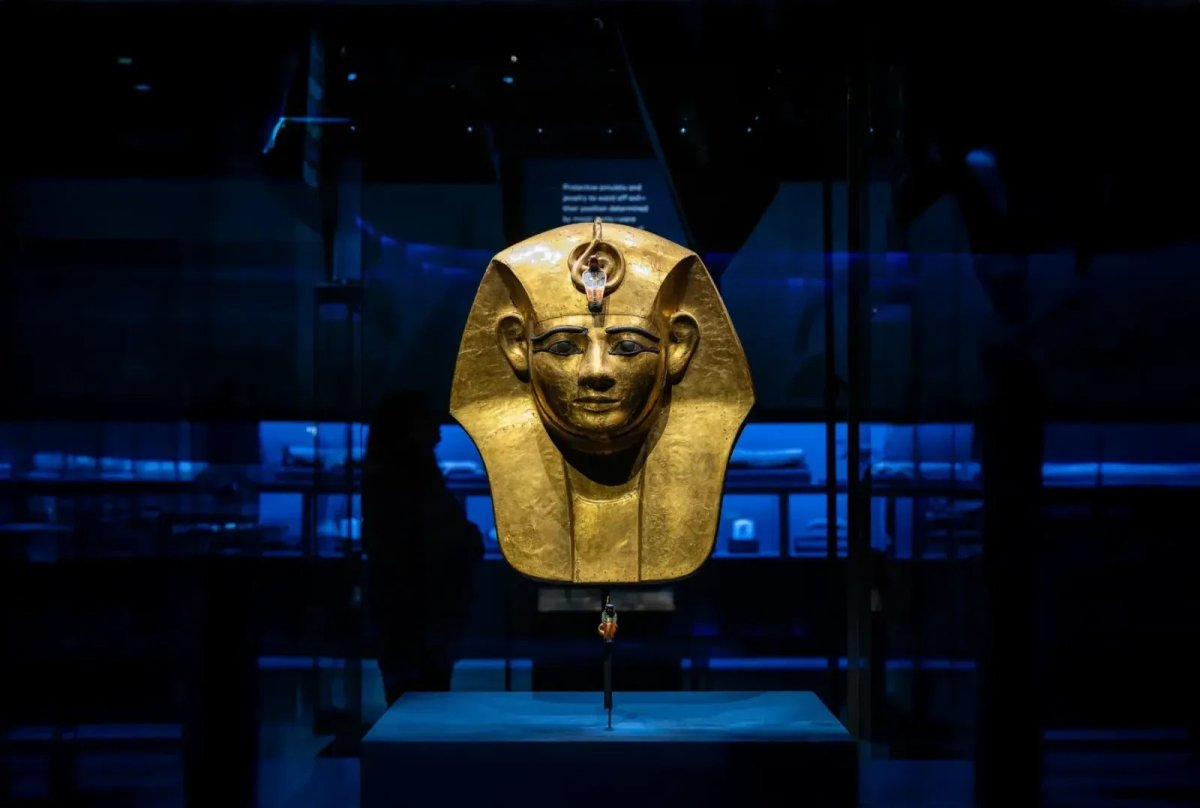
The golden mask of King Amenemope, ruler of Egypt's Twenty-First Dynasty, now gazes out at visitors in London, thousands of kilometres from the Nile Valley where it was made more than three thousand years ago. The mask is the crown jewel of "Ramses and the Pharaohs' Gold," a landmark exhibition at Battersea Power Station that brings more than 180 artefacts from Egypt's museums and archaeological sites to British audiences.
The golden mask of King Amenemope, ruler of Egypt's Twenty-First Dynasty, now gazes out at visitors in London, thousands of kilometres from the Nile Valley where it was made more than three thousand years ago. The mask is the crown jewel of "Ramses and the Pharaohs' Gold," a landmark exhibition at Battersea Power Station that brings more than 180 artefacts from Egypt's museums and archaeological sites to British audiences. For a continent that has watched its heritage travel the world for centuries, the show is both a celebration of African civilisation's depth and a new chapter in how Egypt shares its treasures.
Ramses and the Pharaohs' Gold: Egypt's Treasures Dazzle London
London, United Kingdom — The exhibition opened at the end of February at NEON's Battersea Power Station venue, continuing a world tour that has already carried Egypt's royal gold across four continents. With royal jewellery, sarcophagi, statues and ritual objects spanning more than two thousand years of Pharaonic history, it offers Londoners an immersive introduction to a civilisation that shaped human knowledge itself.
King Amenemope's Mask: A Masterpiece of Ancient Craft
The golden mask of King Amenemope, ruler of Egypt's Twenty-First Dynasty, stands as the exhibition's centrepiece among more than 180 artefacts on display at NEON at Battersea Power Station, London. Crafted from solid gold with inlaid eyes of stone and glass, the mask captures serene royal features that convey both authority and calm. Ancient Egyptian goldsmiths hammered and shaped the metal over weeks, adding precise details to reflect the king's likeness for eternity.
Funerary masks protected the identity of the deceased for the afterlife in ancient Egyptian belief, ensuring the spirit could recognise its body after judgment. This particular mask belonged to Amenemope during the Twenty-First Dynasty, part of the Third Intermediate Period when Egypt navigated political shifts yet maintained its artistic traditions. Goldsmiths in temple workshops used lost-wax casting and inlay techniques passed down through generations to create such enduring works.
The mask's journey from Egypt to London required armed escort by specialised teams who coordinated with authorities at every stage. It travelled in climate-controlled cases aboard cargo aircraft, arriving safely for the exhibition that opened at the end of February 2026. Visitors now encounter the piece under controlled lighting that highlights its reflective surfaces and intricate craftsmanship.
Ancient Egypt is a key part of Africa's civilisational heritage, with ties to Nubia and the rest of the continent that scholars continue to trace through shared motifs and trade routes. The mask embodies this continuity, linking the Nile Valley to broader African narratives of kingship and craftsmanship. Its presence in London allows direct engagement with these roots for audiences far from the original burial sites.
Exhibition organisers positioned the mask at the heart of the display to draw attention to the human stories behind the gold. Each detail, from the shaped nose to the symbolic beard, reflects beliefs about divine kingship that influenced later African royal traditions. The piece serves as a tangible reminder of how ancient artisans achieved technical mastery without modern tools.
A Journey of 50,000 Kilometres: How the Treasures Travel
The complex international logistics of moving the collection involved artefacts flown aboard cargo aircraft under tight security with police escorts and military coordination across six cities. Andres Numhauser, Senior Vice President at NEON World Heritage Exhibitions, described the logistics as "mind-blowing" and noted the exhibition has journeyed 50,000 kilometres worldwide using two 747 aircraft. Each shipment followed strict protocols to maintain temperature and humidity levels essential for preservation.
London follows previous stops in Houston, San Francisco, Sydney, Paris, Cologne and Tokyo, where similar security measures protected the objects during transit and installation. Teams from Egypt's Supreme Council of Antiquities accompanied the artefacts at every stage, ensuring compliance with international heritage transport standards. The scale of coordination required months of planning between airlines, museums and government agencies.
Insurance, conservation and handling expertise formed the backbone of the operation, with conservators inspecting each piece before and after flights. The africanews report on the exhibition was published March 2, 2026, highlighting how these efforts enable global access while safeguarding fragile items. Such meticulous care reflects the value placed on these objects as living links to African history.
The African continent's heritage and cultural diplomacy are central themes of the exhibition's global tour, demonstrating how nations can share treasures responsibly. Two dedicated 747 aircraft carried the load across continents, minimising handling risks through direct routing. This approach sets a benchmark for future exhibitions involving irreplaceable artefacts from African institutions.
Coordination across borders also involved customs clearances and specialised packing materials developed specifically for ancient metals and stones. The success of these movements underscores the growing professionalism in heritage logistics that benefits museums throughout Africa. Visitors in London benefit from the expertise that made the journey possible.
More Than 180 Artefacts: Royal Jewellery, Sarcophagi and Ritual Objects
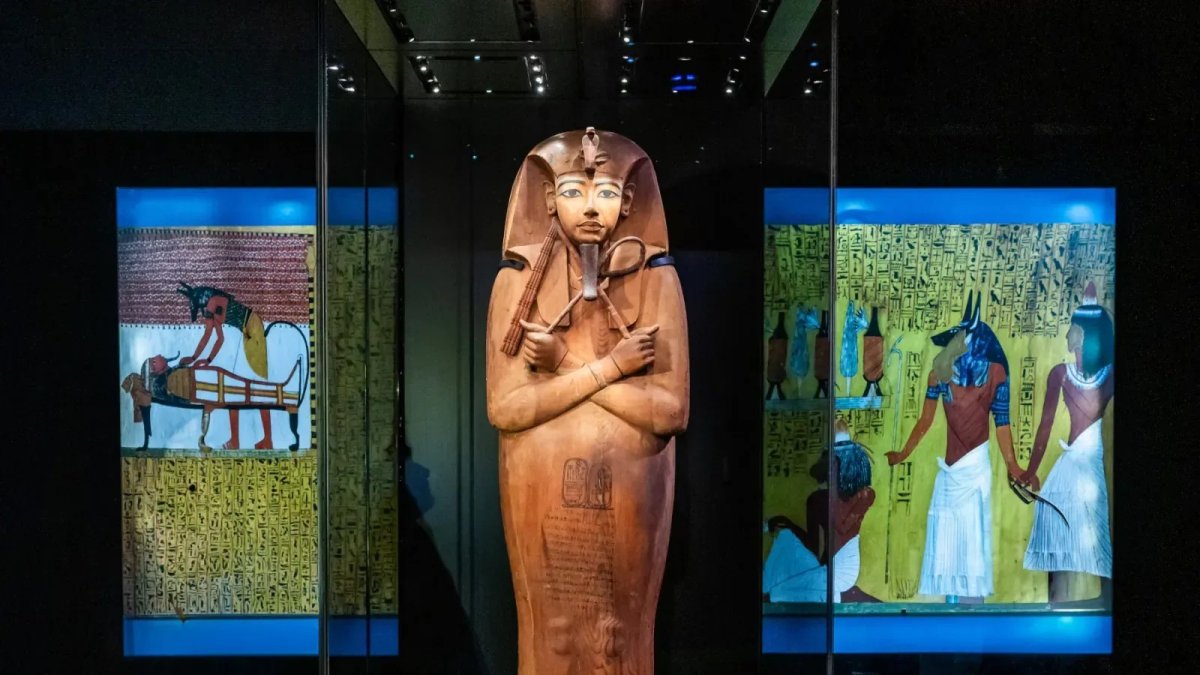
The scale and range of the exhibition features more than 180 artefacts on display, including royal jewellery, sarcophagi, statues and ritual objects spanning more than 2,000 years of Egyptian history. These items arrived on loan from Egypt's Supreme Council of Antiquities after being gathered from museums and archaeological sites across Egypt. The collection provides a comprehensive view of pharaonic life from everyday rituals to royal ceremonies.
The immersive exhibition design at Battersea Power Station uses dramatic lighting and multimedia elements to recreate temple interiors and tomb chambers. A Ramesses II limestone colossus dominates one gallery, its massive scale illustrating the power of one of Egypt's most powerful pharaohs. Smaller pieces such as amulets and cosmetic vessels sit alongside to show daily practices.
The show presents ancient Egyptian daily life, belief and royal power through carefully arranged sequences that guide visitors from public monuments to private funerary practices. Artefacts include gold rings inscribed with royal names and wooden sarcophagi painted with protective spells. This variety allows audiences to grasp the breadth of a civilisation that influenced the entire continent.
Exhibition curators drew the artefacts together from museums and archaeological sites across Egypt, ensuring regional representation within the displays. The result offers an immersive introduction to the world of ancient Egypt that connects monumental architecture with personal devotion. London audiences encounter objects rarely seen together outside Cairo.
Multimedia projections complement the physical artefacts by explaining manufacturing techniques and symbolic meanings. The combination keeps the focus on the objects while providing context that deepens appreciation. Such thoughtful presentation strengthens the exhibition's educational impact.
Cultural Diplomacy: What Egypt's Minister Says
Sherif Fathy, Egypt's Minister of Tourism and Antiquities, opened the exhibition and described it as a model of cultural diplomacy. His quote "We do believe in sharing what we have with humanity and with other nations" captured the spirit of the event at NEON at Battersea Power Station, London. The minister emphasised Egypt's commitment to making its heritage accessible beyond national borders.
Fathy described the show as an "appetiser" for those considering a visit to Egypt, encouraging travellers to experience the original sites after viewing the artefacts. The exhibition forms part of Egypt's heritage tourism and cultural diplomacy strategy that pairs international loans with domestic promotion. This dual approach supports both global awareness and local economic benefits.
Egypt has balanced lending treasures abroad with protecting them at home through rigorous selection processes and conservation agreements. The diplomatic significance of an African nation presenting its ancient civilisation on a global stage resonates strongly with audiences who recognise the continent's foundational contributions. Such initiatives foster mutual respect and cultural exchange.
The strategy also pairs international loans with domestic promotion, supporting both global awareness and local economic benefits. Fathy's remarks at the opening reinforced the idea that sharing strengthens rather than diminishes national identity, and that heritage can serve as a bridge between nations while affirming Egypt's central role in African history.
Conservation at Home: Proceeds Restore Ramesses II's Tomb
A significant share of exhibition proceeds supports conservation in Egypt, including the restoration of Ramesses II's tomb in the Valley of the Kings. The tomb of Ramesses II recently reopened to the public for the first time in a generation after extensive structural work funded by touring exhibitions. This direct link between global display and local preservation demonstrates a sustainable model for heritage management.
The importance of touring exhibitions funding preservation work at home extends beyond Egypt to the broader African conversation about heritage restitution and the return of artefacts. Egypt's approach offers a model for cultural institutions across the continent that seek to maintain collections while generating resources for site protection.
The tension between sharing heritage globally and protecting it for future generations remains central to these projects. Ramesses II, also known as Ramesses the Great, was one of Egypt's most powerful pharaohs whose tomb required specialised conservation work to safeguard it for the future. The reopened site now welcomes researchers and tourists under controlled conditions.
This funding model creates a cycle where international interest directly benefits domestic sites, and African heritage professionals increasingly study these arrangements for application in their own countries. The exhibition thus serves both educational and practical conservation goals.
Transparency in how proceeds are allocated builds trust with lending institutions and international partners, reinforcing the accountability that makes cultural exchange possible. This model strengthens arguments for continued collaboration across Africa.
African Civilisation on the World Stage
The exhibition means a great deal for African audiences because ancient Egypt forms part of African heritage with deep connections to Nubian kingdoms and Sahelian trade networks. The show counters narrow narratives about African history by presenting evidence of sophisticated statecraft, metallurgy and religious systems that developed along the Nile. Senegalese visitors and members of the diaspora see their civilisational lineage celebrated at this scale.
Parallels with other African heritage exhibitions and museums, from Dakar to Cairo, emerge clearly when viewing the goldwork and monumental sculpture side by side. The growing global appetite for African history and culture creates opportunities for institutions across the continent to mount similar tours. This moment matters for how Africa's past is understood because it places Egypt firmly within continental narratives rather than isolating it.
For African visitors in London and diaspora communities following from afar, the exhibition resonates as more than spectacle — it is a reminder that the Nile Valley's achievements belong to the continent's shared story. The artefacts prompt questions about technology transfer and artistic influence that span the Sahara, connecting North and West Africa in ways that popular history rarely acknowledges. Such reflection enriches the experience for those who cannot travel to London yet feel the resonance through shared heritage.
The visibility of African civilisation at this level supports cultural confidence and professional ambition across the continent. The exhibition's success signals a broader renaissance in how Africa presents its history, with audiences everywhere invited to see the pharaohs' gold as part of an African inheritance that still speaks to the present.
What to Watch For
The exhibition running at Battersea Power Station through 2026 will continue to draw visitors seeking direct encounters with ancient Egyptian craftsmanship. Where the tour heads next after London remains under discussion as the organisers review options for future stops. Egypt's continued investment in museums, including the Grand Egyptian Museum, prepares the ground for future loans and collaborations.
The global trend of blockbuster African heritage exhibitions shows no sign of slowing, with cultural institutions across the continent developing their own international projects. What African travellers and heritage lovers can look forward to includes expanded access to these collections through digital platforms and regional tours. The ongoing story of Egypt's treasures and the continent's cultural renaissance promises further chapters of discovery and preservation.
Future stops may include cities with large African diaspora communities to maximise educational impact, building on the success of the current 50,000-kilometre journey.
Heritage professionals across Africa monitor attendance figures and conservation outcomes to refine their own strategies. The Battersea Power Station installation serves as a reference point for immersive design that respects both objects and audiences. Continued investment ensures that the story of these artefacts remains dynamic and accessible.
The exhibition ultimately reminds viewers that Africa's ancient achievements continue to shape contemporary cultural conversations. As the tour progresses, new generations will encounter the gold of the pharaohs and recognise their own place within that enduring legacy. The narrative of sharing and safeguarding will guide the next phases of this remarkable journey.
By Amara Diop, Staff Writer
This article was produced with AI-assisted research and editorial support. Reporting is based on sources cited in the article.
What's Your Reaction?
 Like
0
Like
0
 Dislike
0
Dislike
0
 Love
0
Love
0
 Funny
0
Funny
0
 Wow
0
Wow
0
 Sad
0
Sad
0
 Angry
0
Angry
0

West Africa/Sahel Correspondent at Global1.News. Dakar-based journalist covering politics, security, climate, and development across Francophone and Anglophone West Africa. Tells the stories of a region undergoing profound transformation.













Comments (0)