
Qatar-Iran Hormuz Talks: De-escalation or Stalemate?
The diplomatic calculus of the Middle East has shifted once again toward the Gulf, where the intersection of energy security and armed conflict demands constant recalibration. As the US-Israel war on Iran enters its seventh month, the strategic choke point of the Strait of Hormuz has become the central arena for both military posturing and economic leverage, drawing in regional mediators seeking to prevent a full collapse of global energy flows.
The diplomatic calculus of the Middle East has shifted once again toward the Gulf, where the intersection of energy security and armed conflict demands constant recalibration. As the US-Israel war on Iran enters its seventh month, the strategic choke point of the Strait of Hormuz has become the central arena for both military posturing and economic leverage, drawing in regional mediators seeking to prevent a full collapse of global energy flows.
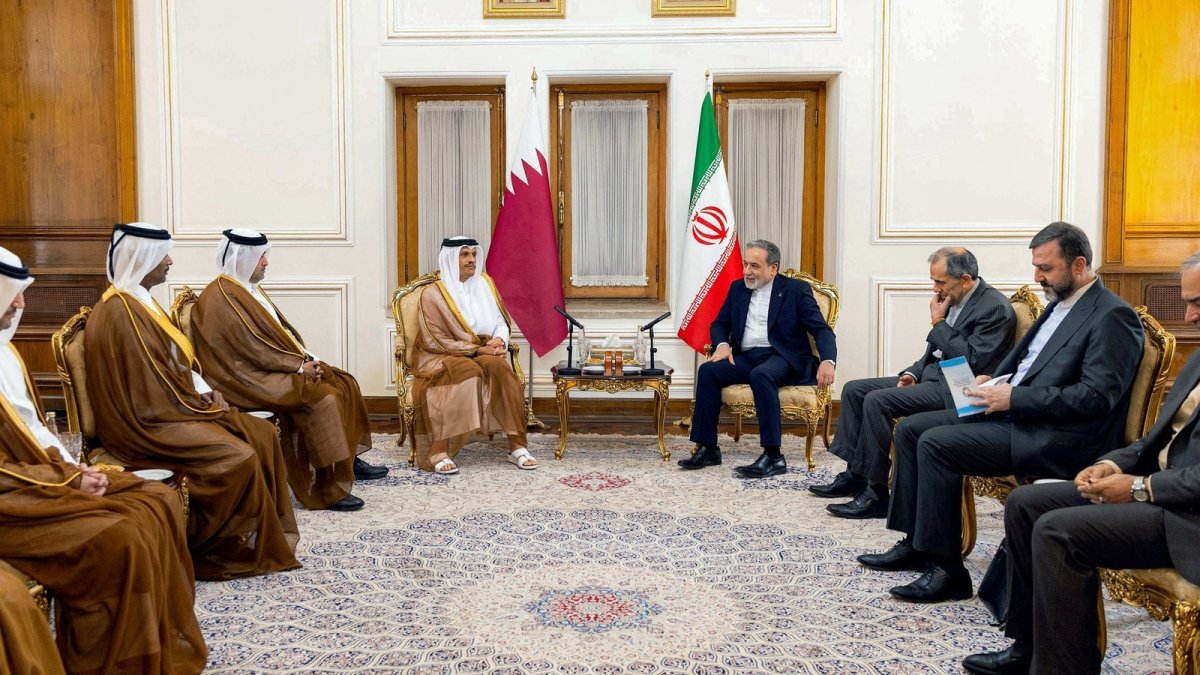
Against this backdrop, Qatari mediation has emerged as the most viable, albeit fragile, channel for dialogue. The visit of Qatar’s Prime Minister and Foreign Minister Sheikh Mohammed bin Abdulrahman bin Jassim Al Thani to Tehran on August 27, 2026, represents a critical test of whether Gulf diplomacy can bridge the chasm between Tehran’s demands and Washington’s maximalist pressure campaign.
Qatar’s High-Stakes Mediation in Tehran: Navigating the Strait of Hormuz Impasse
Tehran, Iran – August 27, 2026 — Qatar’s top diplomat arrived in the Iranian capital with a focused agenda: salvaging a de-escalation framework for the Strait of Hormuz and probing the viability of a temporary shipping corridor. The talks, held with Iran’s Foreign Minister Abbas Araghchi, come at a moment when the risk of a broader maritime confrontation remains acute, and the economic fallout of the closure is reverberating through global markets.
The Strategic Context: A Waterway Under Siege
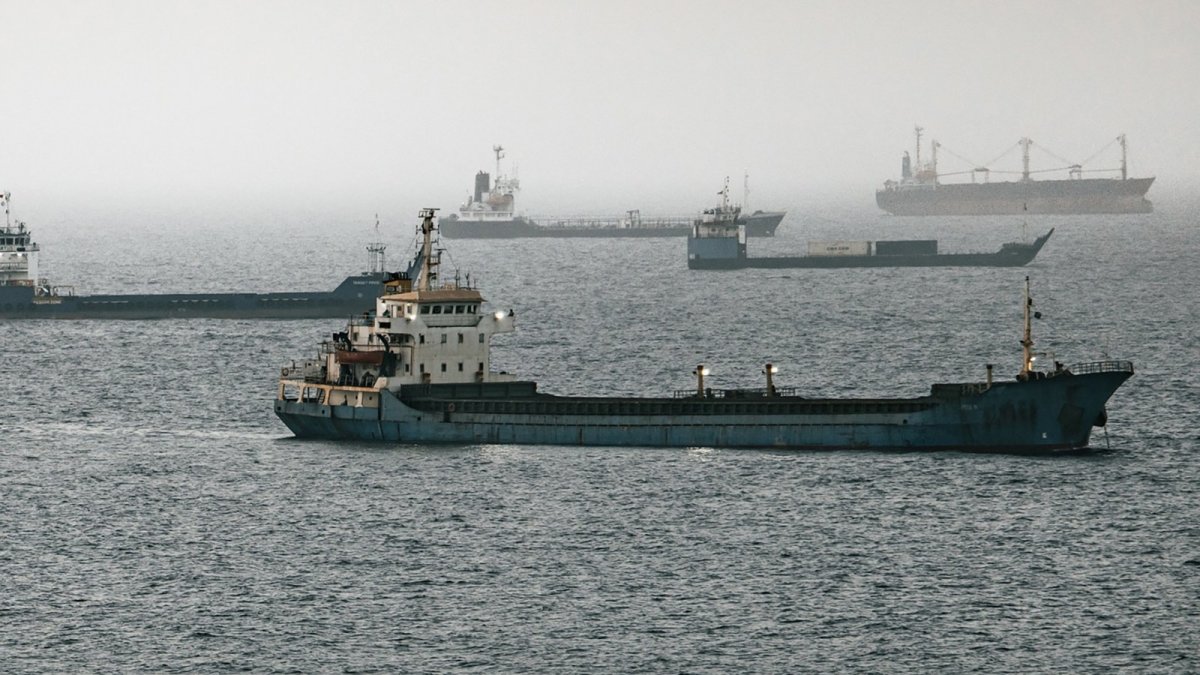
The Strait of Hormuz, which carries approximately 20 percent of the world's oil in peacetime, has been transformed into a high-risk zone since the outbreak of hostilities on February 28, 2026. The war, triggered by US-Israeli airstrikes that killed several Iranian officials including Supreme Leader Ali Khamenei, has seen Iran impose strict control over the waterway. Iranian forces now require vessels to obtain permission for transit and have struck ships that failed to comply, effectively weaponizing the strait as a strategic countermeasure against the US naval blockade of Iranian ports.
Washington’s counter-blockade has strangled Iranian oil exports, while Tehran’s response has disrupted global shipping lanes, causing freight rates to roughly quadruple and insurance premiums on a single Hormuz voyage to hit record highs. The economic stakes are immense: Brent crude has topped $89 per barrel, and India’s crude import bill has soared, underscoring the cascading effects of the stalemate on non-aligned economies. For Qatar, which has maintained open channels with both Tehran and Washington, the imperative to find a face-saving formula is not merely altruistic—it is existential for regional stability and the global energy order.
Tehran’s Demands: The Price of Reopening the Strait
Iran’s position, articulated clearly by Foreign Minister Abbas Araghchi during the meeting, is that any reopening of the strait is contingent on a comprehensive reversal of US economic warfare. Tehran’s demands are threefold: the lifting of the US naval blockade, the unfreezing of Iranian assets abroad, and the removal of oil sanctions. These are not incremental requests; they represent a fundamental challenge to the Trump administration’s policy of maximum pressure, which has been intensified despite the ongoing conflict.
Adding a layer of complexity is Iran’s insistence on imposing service fees on ships using the waterway—a proposal strongly opposed by Washington and regional countries. The Islamic Revolutionary Guard Corps (IRGC) announced on Wednesday, August 26, that Iran and Oman had agreed on each country’s share of the waters and any revenues collected from managing the waterway. This unilateral framing of revenue-sharing, done without international consensus, signals Tehran’s intent to institutionalize its control over the strait as a permanent source of leverage and income, rather than a temporary wartime measure.
Qatar’s Diplomatic Calculus: Leverage and Limitations
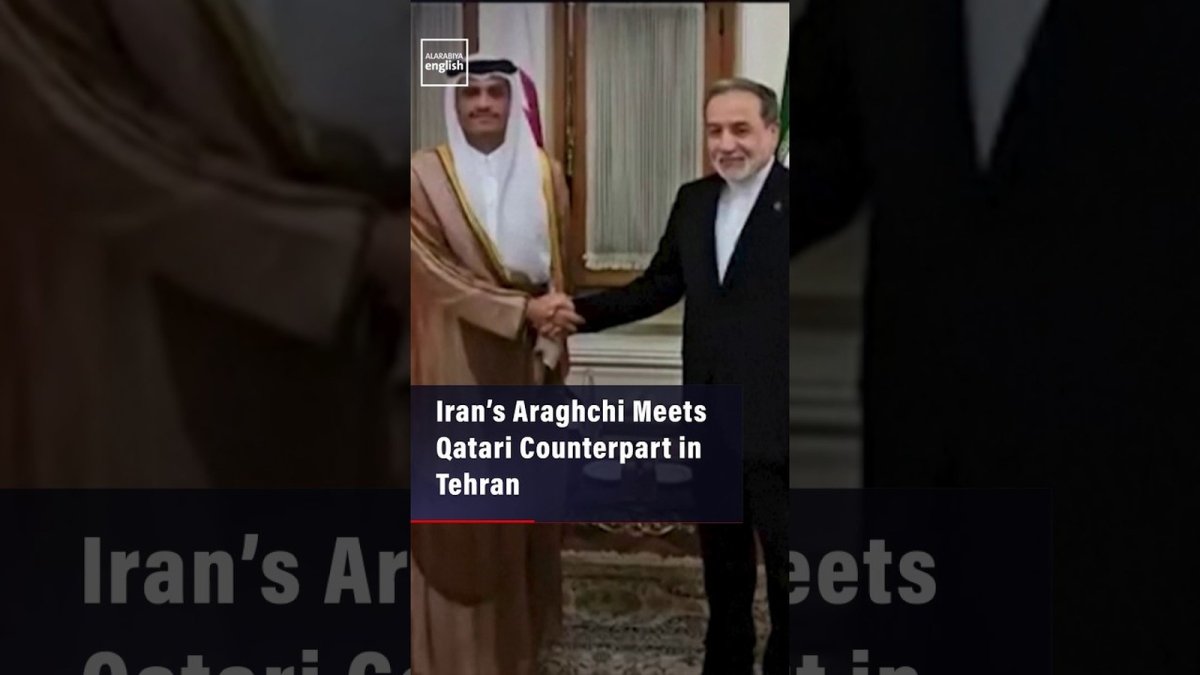
Sheikh Mohammed’s visit is the culmination of a week of intense diplomacy in Tehran, which also saw visits from Oman’s Foreign Minister Badr Albusaidi and senior Pakistani officials. This flurry of engagement reflects a coordinated regional effort to de-escalate, but it also highlights the limits of Qatari influence. Qatar and Pakistan played key roles in securing the April ceasefire and the June memorandum of understanding between Iran and the US—both of which have since collapsed. The failure of those agreements looms large over the current talks, raising questions about the durability of any new framework.
In his public remarks, Sheikh Mohammed emphasized that "dialogue and diplomatic solutions remain the optimal path for addressing disputes and overcoming crises," while underscoring "the importance of respecting freedom of navigation in the Strait of Hormuz in accordance with international law." This dual message—support for dialogue coupled with a firm commitment to international norms—reflects Qatar’s delicate balancing act. Doha must reassure Washington that it is not legitimizing Iran’s control over the strait, while simultaneously offering Tehran a credible off-ramp that addresses its core economic grievances.
The Qatari Foreign Ministry’s readout of the talks noted that discussions reviewed "the latest developments in the regional situation... along with the efforts being made to reduce escalation and create appropriate conditions for dialogue." The inclusion of "appropriate conditions" is telling; it suggests that the proposed framework, which includes a temporary shipping corridor and a possible joint project to clear the strait of mines, is contingent on a broader political understanding that has yet to materialize.
The Mine Clearance Proposal: A Confidence-Building Measure or a Trap?
One of the most concrete elements of the proposed framework is the joint project to clear the strait of mines, which Iran claims were laid during the war. On the surface, this appears to be a pragmatic, technical step that could restore safe passage and build confidence. However, the devil is in the details. Who would conduct the clearance? Under whose authority? And would the IRGC allow unfettered access to the waterway during the operation?
For Washington, any agreement that legitimizes Iranian involvement in managing the strait is a non-starter. President Donald Trump told Al Jazeera on Wednesday that he was "not in a hurry" to resume negotiations with Iran, signaling that the administration remains committed to a strategy of attrition rather than accommodation. This stance is reinforced by the US Treasury Department’s announcement on August 24 of sanctions on nearly 60 Iranian and Iran-linked entities over ties to Iranian oil, weapons, and cyber operations. The sanctions, unveiled by Treasury Secretary Scott Bessent, are a clear message that economic pressure will continue regardless of regional mediation efforts.
Iran’s leadership, for its part, appears to be playing a long game. President Masoud Pezeshkian and parliament speaker Mohammad Bagher Ghalibaf, who also met with Sheikh Mohammed, have emphasized the need to de-escalate regional tensions. Ghalibaf’s remarks, in particular, suggest a pragmatic willingness to engage, but the hardline factions within the IRGC and the political establishment may view any concession on the strait as a betrayal of the sacrifices made during the war. The internal dynamics of Iranian politics are a wildcard that no external mediator can fully control.
Regional Implications: Energy Markets and Alliance Realignment
The outcome of these talks will have profound implications beyond the immediate parties. For the Gulf states, the closure of the strait represents an existential threat to their economic model. Saudi Arabia and the UAE have largely avoided direct confrontation with Iran, preferring to let the US and Israel bear the military burden while they hedge their bets diplomatically. Qatar’s mediation is, in part, an attempt to protect the region from the collateral damage of a prolonged conflict that could spiral into a full-blown maritime war.
The energy market is watching closely. With Brent crude above $89 per barrel, the risk premium embedded in oil prices reflects the market’s skepticism that a diplomatic breakthrough is imminent. India, as a major importer, is particularly vulnerable; the soaring cost of crude imports is straining its fiscal position and could have political repercussions for the government in New Delhi. The insurance and freight markets are similarly stressed, with rates that are pricing in a prolonged disruption rather than a quick resolution.
Strategically, the talks also underscore the shifting dynamics of great power competition in the region. China and Russia, both of whom have maintained ties with Tehran, are watching the Qatari initiative with interest. A successful mediation would enhance Qatar’s standing as an indispensable diplomatic broker, potentially at the expense of US influence in the Gulf. Conversely, a failure would reinforce the narrative that Washington’s policy of maximum pressure has left no room for negotiation, pushing Iran further into the arms of its eastern partners.
The Road Ahead: A Narrowing Window
As the dust settles on Sheikh Mohammed’s visit, the fundamental question remains: can a temporary shipping corridor be implemented without addressing the underlying political and economic grievances that led to the closure? The answer, based on the current trajectory, is likely no. Iran’s demands are not technical; they are strategic. Tehran seeks recognition of its role as a regional power with legitimate security interests in the strait, and it will not relinquish its leverage without significant concessions from Washington.
The US position, articulated by President Trump, suggests that such concessions are not forthcoming. The sanctions announced on August 24 are a clear indication that the administration views economic pressure as the primary tool for compelling Iranian compliance. This creates a classic stalemate: Iran will not open the strait without sanctions relief, and the US will not provide sanctions relief without Iran opening the strait. Qatar’s mediation, while well-intentioned, may be unable to break this impasse without a fundamental shift in Washington’s strategic calculus.
For now, the region remains in a state of precarious equilibrium. The Strait of Hormuz is open but heavily restricted, with Iranian forces controlling access and imposing fees. The risk of a miscalculation—a ship refusing to comply, an IRGC patrol boat overstepping, a US naval response—remains dangerously high. The diplomatic track, while active, has yet to produce a breakthrough, and the window for a negotiated solution is narrowing with each passing day.
The broader implications for regional stability are clear: the longer the stalemate persists, the greater the risk of a wider conflict that draws in other Gulf states and potentially triggers a global energy crisis. The Qatari initiative represents a last-ditch effort to prevent this outcome, but its success depends on factors beyond Doha’s control. The ball, as they say, is in Washington’s court—and Tehran’s.
By Malik Hassan, Staff Writer
This article was produced with AI-assisted research and editorial support. Reporting is based on sources cited in the article.
What's Your Reaction?
 Like
0
Like
0
 Dislike
0
Dislike
0
 Love
0
Love
0
 Funny
0
Funny
0
 Wow
0
Wow
0
 Sad
0
Sad
0
 Angry
0
Angry
0
Middle East Correspondent at Global1.News. Based in Beirut, covering politics, conflict, energy, and society across the Middle East. Brings context and depth to a region often reduced to headlines.











Comments (0)