
‘It’s evident in our lives, leaders have failed’ – Agbakoba advises Nigerians on 2027
Former President of the Nigerian Bar Association, Olisa Agbakoba, SAN, has taken to the social media platform X to issue a stark warning to Nigerians as the country gears up for the 2027 presidential election.
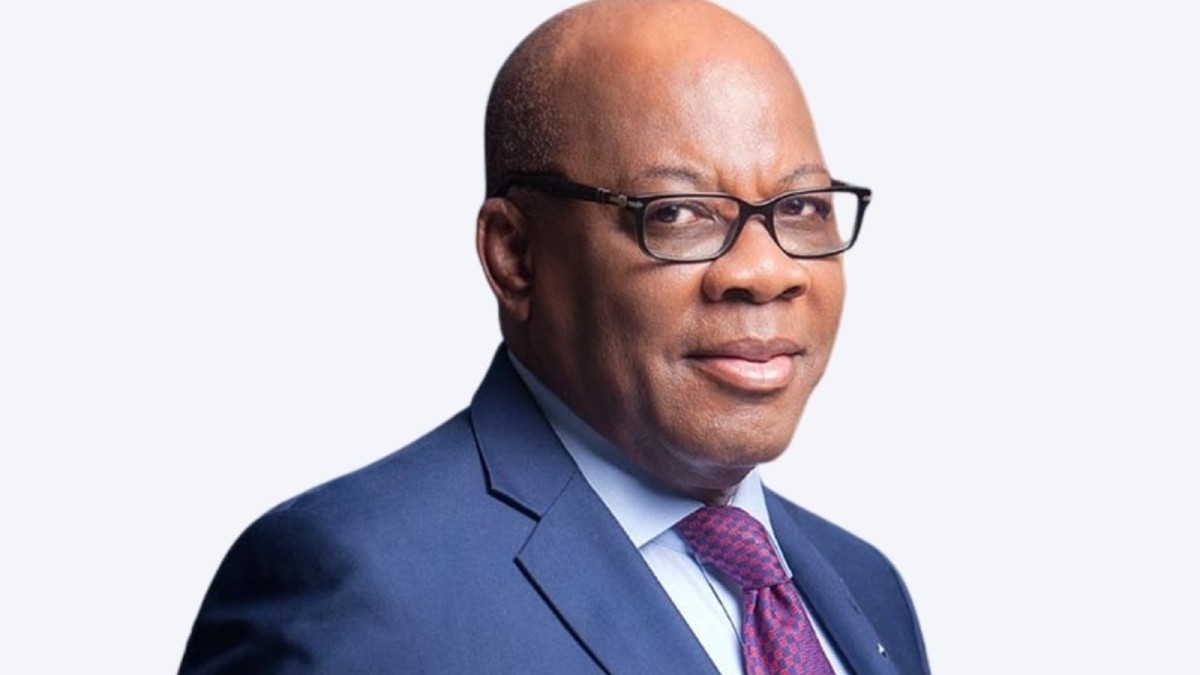
Former President of the Nigerian Bar Association, Olisa Agbakoba, SAN, has taken to the social media platform X to issue a stark warning to Nigerians as the country gears up for the 2027 presidential election. In a post that resonated across the nation, the veteran lawyer urged citizens to move beyond ethnic loyalties and superficial considerations, insisting that the ballot box remains the most potent tool for shaping Nigeria’s future. His message, delivered in the midst of rising food costs, a strained health system, a faltering education sector and a bleak job market for the youth, underscores the urgency of informed voting in a nation where the weight of a massive population rests on a relatively small cadre of elected officials.
Why the 2027 Election Matters More Than Ever
Agbakoba’s appeal is rooted in a simple arithmetic: Nigeria’s population dwarfs the number of politicians who make decisions that affect everyday life. He reminded Nigerians that this demographic imbalance means each vote carries amplified responsibility. When citizens overlook the long‑term impact of their choices, they risk electing leaders who may not prioritize the pressing needs of the majority.
The former NBA chief highlighted that past elections have often delivered outcomes that fell short of public expectations. “In the past, our choices have not always served us well, and the consequences are evident in our daily lives,” he wrote. By drawing a direct line between electoral decisions and the everyday hardships Nigerians endure, Agbakoba framed the 2027 ballot as a decisive moment to break the pattern of disappointment.
The Core Challenges Facing Nigerians Today
Rising food prices dominate household budgets, especially for families in urban centres like Lagos and Kano where inflation has eroded purchasing power. Agbakoba noted this as a clear symptom of policy failure, urging voters to demand candidates with concrete plans to stabilise food markets and protect the most vulnerable.
Healthcare, another pillar of national wellbeing, remains inadequate in many regions. Long queues at public hospitals and shortages of essential medicines have become routine, a reality that Agbakoba believes should push voters to seek leaders who will prioritize health financing and infrastructure.
Education, once hailed as Nigeria’s engine of growth, now struggles under overcrowded classrooms and insufficient teaching resources. The lawyer’s call for “meaningful changes” implies that candidates must present credible strategies to revamp the system, ensuring that the next generation is equipped for a competitive economy.
Finally, the lack of job opportunities, particularly for the burgeoning youth population, fuels social unrest and drives many young Nigerians to seek fortunes abroad. Agbakoba’s emphasis on employment underscores the political cost of ignoring this demographic dividend.
Beyond Ethnicity: The Call for Character and Capacity
One of the most resonant parts of Agbakoba’s message is his plea to look past ethnic and regional affiliations. He warned that “it doesn’t matter where candidates come from or what they look like; what matters is their ability to lead with discipline, inspire change, and make a meaningful impact.” This admonition challenges the long‑standing practice of voting along tribal lines, a habit that has often produced leaders more concerned with patronage than performance.
By foregrounding “character, leadership capacity and ability to bring about meaningful changes,” Agbakoba is urging voters to assess candidates on measurable criteria: integrity, policy competence, and a track record of delivering results. In a political landscape where personality often eclipses policy, this shift could reshape campaign narratives and voter expectations.
The Power of the Ballot Box in a Democratic Nigeria
Agbakoba reaffirmed a fundamental democratic principle: the electorate holds the power to determine who leads them. He cautioned against the fatalistic belief that “votes cannot influence the direction of the country,” insisting that every ballot is a lever for change. This reminder is especially potent as Nigeria prepares for a tightly contested 2027 election, with parties and potential presidential hopefuls already positioning themselves.
The former NBA president’s emphasis on informed voting aligns with broader civil‑society efforts to educate voters about candidate platforms. By encouraging citizens to scrutinise manifestos and hold aspirants accountable, Agbakoba contributes to a growing movement that seeks to elevate the quality of Nigeria’s democratic discourse.
Political Parties and Candidate Positioning Ahead of 2027
While Agbakoba’s statement does not name specific parties or candidates, it arrives at a time when political actors are intensifying their outreach. The lawyer’s warning that “voters sometimes give away their votes without considering the consequences” serves as a caution to both the electorate and the aspirants themselves: the public will be watching closely for genuine commitment to the nation’s core challenges.
In the weeks to come, parties are likely to roll out policy proposals aimed at addressing food security, health, education and employment. Agbakoba’s call for “discipline, inspire change, and make a meaningful impact” sets a benchmark for these proposals, urging parties to move beyond rhetoric and present actionable plans that resonate with the lived experiences of Nigerians.
What Informed Voting Could Look Like in Practice
Translating Agbakoba’s exhortation into concrete voter behaviour involves several steps. First, citizens must seek out reliable information about each candidate’s track record, policy positions and personal integrity. Second, they should compare these attributes against the nation’s pressing needs—food affordability, health service delivery, educational quality and job creation. Finally, voters must resist the allure of identity politics, focusing instead on the capacity of candidates to deliver disciplined governance.
By adopting this disciplined approach, Nigerians can collectively steer the country toward a future where elected officials are held accountable for tangible outcomes, rather than being judged solely on ethnic affiliation or charisma.
The Road Ahead: From Voter Awareness to National Renewal
Agbakoba’s message is more than a plea; it is a roadmap for national renewal. As the 2027 election draws nearer, the stakes are high. The challenges he enumerated—rising food costs, inadequate healthcare, a struggling education system and limited job opportunities—are not abstract statistics but daily realities felt in Lagos markets, Abuja clinics, Kano classrooms and the homes of countless Nigerian families.
If voters heed his call and select leaders based on character, competence and a clear vision for change, the ballot could become the catalyst for a new era of disciplined governance. Conversely, a repeat of past patterns—where choices fail to serve the public—will likely perpetuate the very hardships Agbakoba warns about.
In the words of the former NBA president, the power to shape Nigeria’s destiny lies firmly in the hands of its citizens. As the nation stands at this crossroads, the collective decision made at the ballot box will determine whether Nigeria can move from a cycle of unmet promises to a trajectory of meaningful progress.
This article was produced with AI-assisted research and editorial support. Reporting is based on the source material cited below. Sources: Daily Post Nigeria; dailypost.ng; Global1.News (07 October 2026).
By Sarah Okafor, Staff Writer
What's Your Reaction?
 Like
0
Like
0
 Dislike
0
Dislike
0
 Love
0
Love
0
 Funny
0
Funny
0
 Wow
0
Wow
0
 Sad
0
Sad
0
 Angry
0
Angry
0

Africa Correspondent at Global1.News. Based in Lagos, covering politics, business, technology, and culture across the continent. Focused on telling African stories beyond the headlines — the innovation, entrepreneurs, and communities shaping the region's future.













Comments (0)