
Ex-US congressman sentenced to 10 years in prison for $50m lobbying scheme
In a case that reverberates far beyond the halls of a Florida courtroom, former U.S. congressman David Rivera has been sentenced to a decade behind bars for money‑laundering and acting as an undeclared foreign agent for Venezuela’s state oil giant.
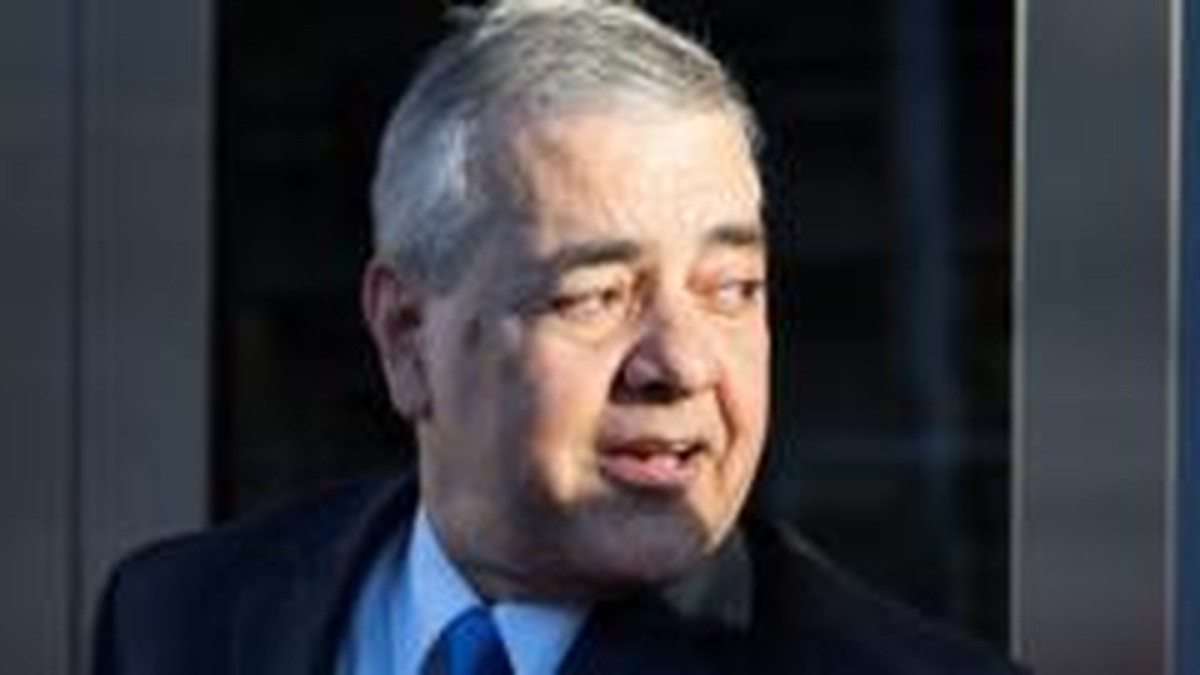
In a case that reverberates far beyond the halls of a Florida courtroom, former U.S. congressman David Rivera has been sentenced to a decade behind bars for money‑laundering and acting as an undeclared foreign agent for Venezuela’s state oil giant. The verdict, delivered in early October 2026, shines a harsh light on a shadowy lobbying operation that unfolded at the height of U.S. sanctions against Caracas and raises unsettling questions about how foreign regimes can infiltrate American political processes.
The trial that exposed a secret lobbying network
Rivera, a Republican who served a single term in the House of Representatives from 2011 to 2013, was found guilty after a seven‑week trial that laid bare a “secret political influence campaign” orchestrated by him and political consultant Esther Nuhfer. Prosecutors said the duo secured a $50 million contract to lobby on behalf of a U.S. subsidiary of PDVSA, Venezuela’s state‑run oil company, which also operates under the Citgo brand in the United States.
The evidence presented by federal prosecutors in Florida traced payments and communications that linked Rivera and Nuhfer directly to the Maduro regime. According to the court record, the lobbying effort spanned 2017 and 2018, a period marked by intense diplomatic tension after the Trump administration imposed sweeping sanctions on Venezuelan officials and the oil sector. The prosecution argued that the money “came from the Maduro regime,” a point underscored by Judge Melissa Damian during sentencing.
How the scheme was allegedly structured
Rivera’s consulting firm was hired to influence members of Congress and senior officials, including then‑senator Marco Rubio and former White House adviser Kellyanne Conway. The defense maintained that the contract was with a U.S. subsidiary, not the Venezuelan government itself, and therefore did not require registration under the Foreign Agents Registration Act (FARA). Nonetheless, the court rejected that distinction, noting that the funds originated from a Venezuelan state entity and that the lobbying was intended to soften U.S. policy toward Caracas.
The prosecution’s narrative painted a picture of a coordinated effort: Rivera and Nuhfer received a lump‑sum payment, then set about arranging meetings, drafting talking points, and leveraging personal connections to sway policy. The alleged goal was to improve bilateral relations and, by extension, ease the sanctions that were choking Venezuela’s oil revenue.
Testimonies from former allies
Two high‑profile witnesses, Secretary of State Marco Rubio and Texas congressman Pete Sessions, took the stand to assert that they had no knowledge of Rivera’s clandestine work. Rubio, who had once shared a house with Rivera, described their friendship as close but insisted he was unaware of any lobbying activities. His testimony aimed to distance himself from the scandal, emphasizing that no direct contact or instruction had been received from Rivera regarding the Venezuelan contract.
Sessions echoed a similar sentiment, underscoring that the alleged lobbying attempts targeted him as a potential conduit for influence but that he never engaged with Rivera on the matter. Both testimonies were pivotal in establishing that the scheme operated without the direct involvement of senior U.S. officials, even as it sought to sway them.
The sentencing and its immediate consequences
Judge Melissa Damian handed down a ten‑year prison term, a sentence that reflects the gravity of the offenses—money laundering, acting as an undeclared foreign agent, and violating FARA. In addition to incarceration, Rivera was ordered to forfeit his Florida properties, a punitive measure designed to strip him of the financial gains derived from the illicit contract.
Esther Nuhfer, tried alongside Rivera, was also convicted, though the source material does not detail her specific sentence. The joint convictions signal a broader crackdown on foreign‑influenced lobbying, especially in a climate where U.S. policymakers are increasingly wary of covert foreign money flowing into domestic politics.
Implications for U.S.–Venezuelan relations
The case arrives at a moment when diplomatic overtures toward Venezuela are tentative at best. While the Biden administration has signaled a willingness to re‑engage on humanitarian grounds, the legacy of sanctions and the lingering distrust between Washington and Caracas remain potent. The exposure of a high‑level lobbying effort financed by the Maduro government underscores the lengths to which the regime will go to soften U.S. pressure.
For Venezuelan officials, the scandal may serve as a cautionary tale about the risks of covert influence operations abroad. The public revelation that a former U.S. congressman was paid to lobby on their behalf could harden U.S. policymakers’ resolve to scrutinize any future attempts at back‑channel diplomacy, especially those involving financial incentives.
Broader lessons for lobbying transparency in the Americas
Rivera’s case is a stark reminder that the lines between legitimate advocacy and illicit foreign influence can blur, particularly when former lawmakers leverage personal networks for profit. The defense’s argument—that a contract with a U.S. subsidiary absolved them of foreign‑agent registration—was decisively rejected, setting a precedent that the source of funding, not merely the legal entity, determines the need for disclosure.
Latin American observers note that many regional governments have long employed “consultancy” firms to shape foreign policy in Washington. The Rivera verdict may prompt stricter enforcement of FARA across the board, compelling lobbyists to register even when dealing with subsidiaries that claim a veneer of independence from their parent state entities.
What this means for the American public
For ordinary citizens, the scandal reinforces a growing awareness that political corruption can cross borders, with foreign regimes seeking to buy influence in the United States. The involvement of a former congressman—once a public servant—highlights how personal ambition and financial temptation can erode democratic norms.
As the story unfolds, watchdog groups are likely to press for more robust oversight mechanisms, ensuring that any lobbying on behalf of foreign governments is fully transparent. The conviction of Rivera and Nuhfer may serve as a deterrent, but only if the legal system continues to pursue similar cases with vigor. In the meantime, the episode stands as a cautionary chapter in the ongoing struggle to protect the integrity of American policymaking from covert foreign interference.
This article was produced with AI-assisted research and editorial support. Reporting is based on the source material cited below. Sources: BBC News Latin America; bbc.co.uk; Global1.News (06 October 2026).
By Elena Vasquez, Staff Writer
What's Your Reaction?
 Like
0
Like
0
 Dislike
0
Dislike
0
 Love
0
Love
0
 Funny
0
Funny
0
 Wow
0
Wow
0
 Sad
0
Sad
0
 Angry
0
Angry
0

Latin America Correspondent at Global1.News. Based in Mexico City, covering politics, economics, energy, and culture across the region. Brings an on-the-ground perspective to stories spanning from the Rio Grande to Patagonia.











Comments (0)