
Proposed Iran-Oman Hormuz Pact Could Reshape Gulf Power Balance
The proposed Iran-Oman agreement on the Strait of Hormuz could give Tehran control over ships entering the Gulf, reshaping energy markets and regional power dynamics.
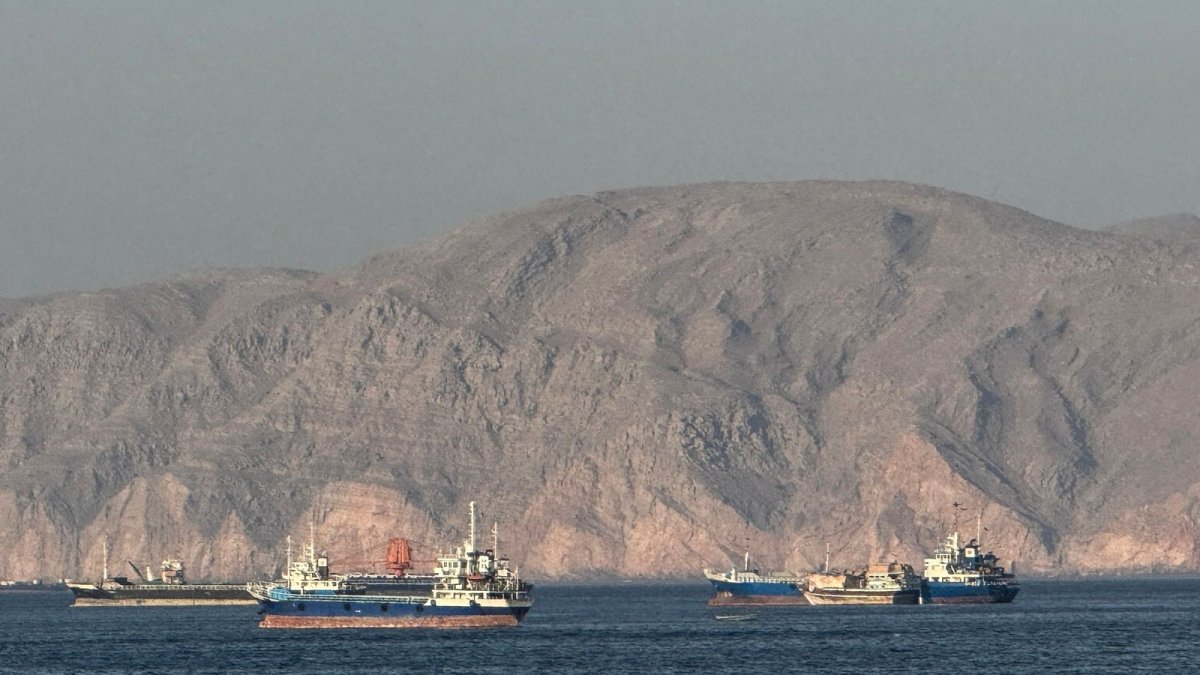
The proposed agreement between Iran and Oman represents a potential turning point in control over the Strait of Hormuz, the critical chokepoint for global energy supplies. Sources indicate that the deal would allow Tehran to oversee ships entering the Gulf, a development that could alter longstanding free navigation practices in the waterway. Before the war the strait was freely open to all ships with no fees. Iran has repeatedly attacked vessels attempting to transit through the Strait of Hormuz without its authorization as part of its conflict with the US.
Iran-Oman Hormuz Agreement Signals Major Shift in Regional Influence
Beirut, Lebanon - August 6, 2026 — A proposed pact between Iran and Oman would place Tehran in charge of vessels heading into the Gulf via the Strait of Hormuz, according to a senior Iranian source and two regional officials. This arrangement marks one of the most significant concessions to Iran in the strategic waterway, though details on implementation remain under discussion.
Core Elements of the Proposed Iran-Oman Arrangement
The text of the agreement envisions Iran exercising control over ships entering the Gulf through the strait. One key unresolved issue involves Iran's potential role over vessels traveling in the opposite direction. Gulf negotiators have insisted that regional countries supervise any ship inspections and that fee payments remain voluntary. Iran's Foreign Ministry spokesperson Esmaeil Baghaei described the talks with Oman as professional and advancing, noting that the two sides had reached mutual understanding on the geographical parameters of the route.
Under a potential deal ships would enter the Gulf through an Iranian-held route and exit via a route controlled by Oman. Oman's proposal is based on the Strait of Malacca in East Asia a model whereby ships that use the strait provide voluntary fees. This structure draws directly from pre-war Hormuz norms when passage occurred without any charges or oversight by individual states.
Strategic analysis shows Iran seeks fees of between 5% and 7% of the price of cargoes from ships using the strait while Oman discusses smaller fees of around 3% and Washington wants no fees at all. Making fees voluntary could address the impasse though an implied threat of attacks might encourage shippers to pay to avoid risks. Second-order effects on energy markets include potential ripple impacts on OPEC+ production decisions and China's oil imports that rely heavily on Hormuz transit.
Regional implications extend to Sunni-Shia competition as any Iranian oversight could heighten tensions with Gulf Arab states while also intersecting with Arab-Israeli normalization efforts and Iran's nuclear program trajectory amid ongoing denuclearisation references in talks.
Positions of Key Iranian Officials
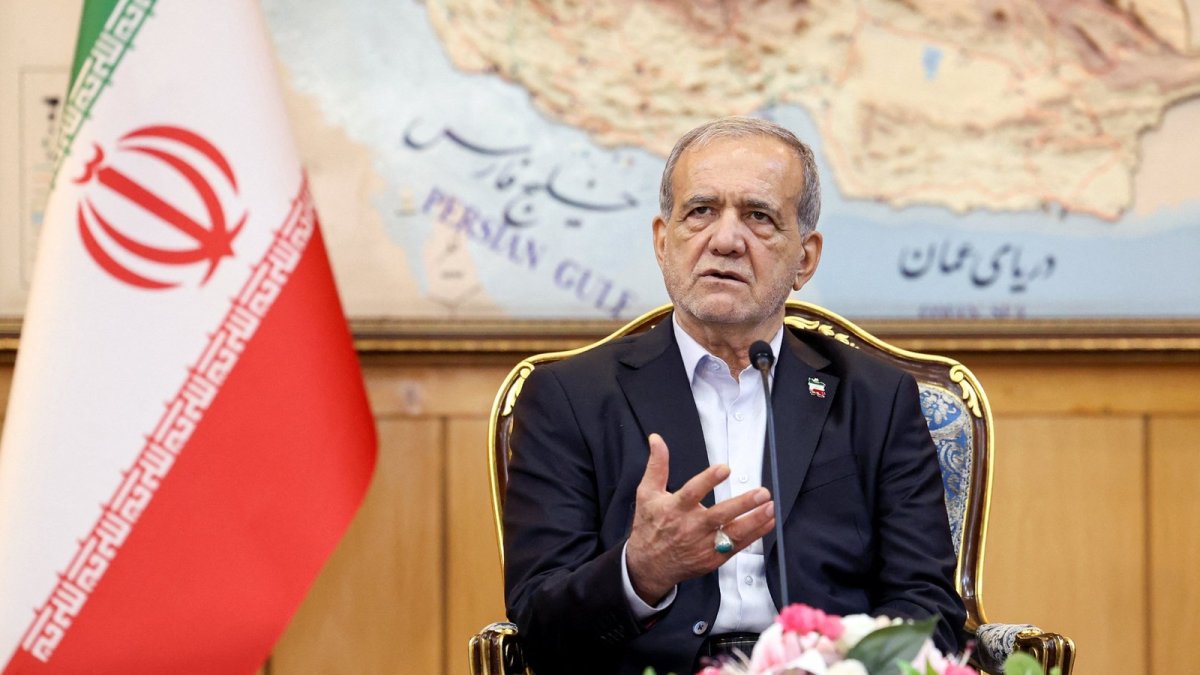
Esmaeil Baghaei stated that if third parties do not obstruct the process a joint statement outlining main considerations and key points of understanding is in the final stages of review. Iranian President Masoud Pezeshkian noted that communication with Supreme Leader Mojtaba Khamenei is currently very difficult though his presence provides strength for continued efforts. A senior Iranian source emphasized that talks are continuing but it is too early to say the deal with Oman has been finalized.
Historical context from the 1980s Tanker War and 2019-2020 tanker incidents illustrates how past disruptions in Hormuz led to prolonged shipping insurance spikes and global supply strains that current negotiators aim to avoid repeating. Iran views the proposed fees as leverage gained through conflict while Oman seeks a mediator role that preserves its neutral stance.
Each side's leverage differs sharply with Iran holding physical control over entry routes and the US retaining military options though commanders advised in July they were running low on supplies of some munitions. Second-order effects could pressure Gulf states to adjust alliances and influence OPEC+ output quotas if fees raise transit costs.
Broader regional implications involve Iran's nuclear program trajectory as the deal references denuclearisation alongside Hormuz access potentially linking shipping arrangements to future non-proliferation talks and affecting Sunni-Shia dynamics across proxy networks.
US Administration Response and Military Context
U.S. officials have repeatedly stated they would never accept any arrangement granting Iran control over access to the world's most important energy trade route. President Donald Trump has described talks as moving along nicely and indicated that the Strait of Hormuz would be open very soon. The administration called off planned attacks on Iran citing ongoing negotiations. Months of U.S. military efforts including strikes in July have not altered Iran's position in the strait and commanders reported running low on certain munitions supplies.
Trump who initially said Operation Epic Fury would end in Iran's unconditional surrender has been under pressure to find a way out of a war U.S. voters now oppose two-to-one. Israel and the US launched Operations Roaring Lion and Epic Fury on February 28 2026 with the stated aim of creating conditions for regime change in Iran.
Strategic analysis reveals the US wants zero fees to preserve free navigation while Iran pushes for revenue sharing that could reshape energy market dynamics for OPEC+ members and importers like China. Leverage remains contested as months of strikes failed to dislodge Iranian grip on the strait.
Regional implications touch on Arab-Israeli normalization prospects and Sunni-Shia competition since a deal favoring Tehran might embolden its nuclear program trajectory and alter Gulf state calculations on security partnerships.
Effects on Global Energy Markets and Shipping
Oil prices edged lower after recent fluctuations tied to Houthi attacks on shipping in the Red Sea. Crude prices have declined following Trump's decision to halt fresh strikes on Iran. Iran seeks fees of between 5% and 7% of cargo prices from ships using the strait while Oman discusses around 3% and Washington wants no fees. Making fees voluntary could address the impasse though an implied threat of attacks might encourage shippers to pay to avoid risks. The model draws from practices in the Strait of Malacca where voluntary fees apply.
Pre-war Hormuz norms of unrestricted passage without fees contrast sharply with current proposals and echo lessons from the 1980s Tanker War when attacks drove up global oil volatility. Second-order effects on energy markets could include sustained price pressure on OPEC+ coordination and China's reliance on Gulf crude flows.
Strategic analysis indicates Iran aims to monetize transit as leverage while Gulf states prioritize inspection oversight to safeguard their exports. This balance may influence broader shipping insurance costs and regional power alignments.
Implications for Iran's nuclear program trajectory and Sunni-Shia competition arise if the pact stabilizes Hormuz access potentially easing or complicating Arab-Israeli normalization depending on fee structures and enforcement.
Strategic Calculations for Gulf States and Iran
Oman has positioned itself as a mediator in the negotiations with ships potentially entering the Gulf through an Iranian-held route and exiting via an Omani-controlled path. Gulf states seek to maintain supervision over inspections to protect their interests. For Iran securing any form of control represents leverage gained through prolonged conflict shifting the balance in its favor despite earlier U.S. and Israeli aims in the war that began in February 2026. This development could influence Iran's regional proxy networks and its approach to nuclear discussions.
Historical parallels to past tanker wars underscore how control over Hormuz has repeatedly tested international norms and energy security. Each side wants different outcomes with Iran seeking fees Oman favoring voluntary models and the US insisting on zero charges to protect market stability.
Second-order effects on energy markets OPEC+ and China's oil imports could follow if fees alter transit economics while regional implications include shifts in Sunni-Shia competition and Arab-Israeli normalization tied to Iran's nuclear program trajectory.
Uncertainties and Potential Second-Order Effects
Baghaei confirmed no plans for Iran's foreign minister or parliament speaker to travel to Qatar or Pakistan over the weekend though contacts continue with those countries to reduce tensions. A senior Iranian source warned that a single statement from Trump could cause the arrangement to collapse. The United Nations has received no first-hand information on a possible reopening but encourages negotiated solutions. Any deal granting Iran oversight would mark a major power shift with implications for Arab-Israeli normalization efforts and broader Sunni-Shia geopolitical competition across the region.
Pre-war free navigation without fees and incidents from 2019-2020 highlight risks if talks falter amid US interference cited by Iranian sources. Strategic analysis shows leverage hinges on details that could affect energy markets and Gulf state positions.
Regional implications for Iran's nuclear program trajectory remain intertwined with any Hormuz pact potentially reshaping alliances and competition dynamics.
By Malik Hassan, Staff Writer
This article was produced with AI-assisted research and editorial support. Reporting is based on sources cited in the article.
What's Your Reaction?
 Like
0
Like
0
 Dislike
0
Dislike
0
 Love
0
Love
0
 Funny
0
Funny
0
 Wow
0
Wow
0
 Sad
0
Sad
0
 Angry
0
Angry
0

Middle East Correspondent at Global1.News. Based in Beirut, covering politics, conflict, energy, and society across the Middle East. Brings context and depth to a region often reduced to headlines.











Comments (0)