
Proof on Broadway: Ayo Edebiri and Don Cheadle Redefine a Pulitzer Classic
Ayo Edebiri and Don Cheadle made history on Broadway this spring — and their landmark revival of "Proof" has just drawn its final curtain. The Pulitzer Prize-winning play by David Auburn returned to the Great White Way for the first time since its 2000 debut, with the Emmy-winning daughter of an Edo State, Nigeria father at the heart of a story about genius, family and the fragile lines between them.
Ayo Edebiri and Don Cheadle made history on Broadway this spring — and their landmark revival of "Proof" has just drawn its final curtain. The Pulitzer Prize-winning play by David Auburn returned to the Great White Way for the first time since its 2000 debut, with the Emmy-winning daughter of an Edo State, Nigeria father at the heart of a story about genius, family and the fragile lines between them.
Proof on Broadway: Ayo Edebiri and Don Cheadle Redefine a Pulitzer Classic
New York — When Ayo Edebiri and Don Cheadle stepped onto the Booth Theatre stage on April 16, 2026, they were not just opening a play. They were opening a new chapter in American theatre — one in which a Black family sits at the centre of a modern classic, and a daughter of the African diaspora leads a Pulitzer-winning story about mathematics, madness and inheritance.
The Revival That Made History
The limited 16-week engagement at the Booth Theatre on 222 West 45th Street drew to a close on July 19, 2026, after previews began March 31 and the official opening arrived April 16. This marked the first-ever New York revival of the play that captured the 2001 Pulitzer Prize for Drama and Tony Award for Best Play.
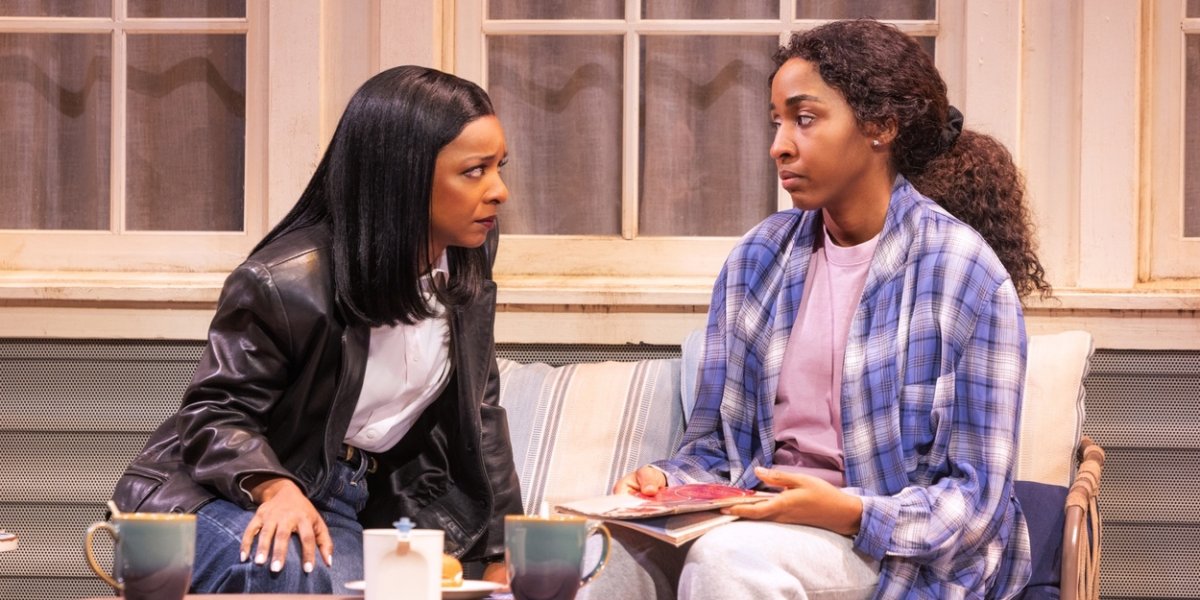
Thomas Kail, the Tony winner for Hamilton, directed the production with a steady hand that honored the original while centering fresh voices. Ayo Edebiri portrayed Catherine and Don Cheadle played her father Robert, both making their Broadway debuts in the four-person cast completed by Kara Young and Jin Ha.
Box office figures reflected strong audience interest, with the top weekly gross reaching $976,807 during the week ending April 26, 2026, and average capacity holding at 98 percent across the run. Higher Ground, the production company founded by Barack and Michelle Obama, stood among the key producers backing the revival.
The Booth Theatre itself carries decades of theatrical memory, yet this staging transformed the space into a site of cultural dialogue that reached beyond Manhattan. Audiences filled the house night after night, drawn by the promise of seeing two screen stars step into live theatre for the first time.
Producers noted that the color-conscious casting and the Obama-backed involvement helped the show connect with younger theatregoers who rarely attend traditional Broadway revivals. The 16-week limit kept demand high and created a sense of occasion that lingered through the final performance.
From the first preview, the production signaled a shift in how classic American plays can be reimagined when African diaspora talent leads the narrative. The run proved that stories once considered the domain of earlier generations now belong to a broader, more inclusive stage.
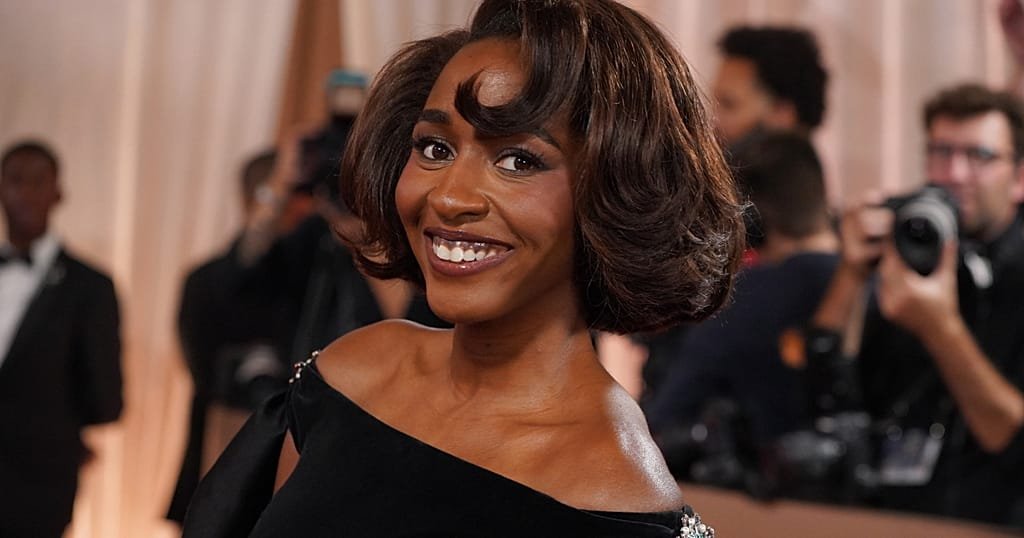
A Story of Genius, Madness and Inheritance
Catherine, the daughter of a celebrated mathematician, discovers a revolutionary proof in her late father's notebook and must convince others that she wrote it herself. The play explores hereditary genius, mental illness, family legacy and the heavy burden placed on caregivers who hold households together.
David Auburn wrote the script in London during the late 1990s before bringing it to the Manhattan Theatre Club in 1998. The 2000 Broadway premiere featured Mary-Louise Parker in the role of Catherine, earning her the 2001 Tony Award for Best Actress in a Play.
The production ran two hours and fifteen minutes with one intermission, giving audiences time to absorb the quiet intensity of the family dynamics. Auburn studied at the University of Chicago and Juilliard under Marsha Norman and Christopher Durang, bringing a precise ear for dialogue that still resonates today.
Themes of mental health and inheritance strike particular chords in African households where family reputation and unspoken struggles often travel across generations. The play's questions about who qualifies as a genius feel especially urgent when a Black woman stands at the center of the story.
Original audiences in 2000 encountered a tale rooted in academic circles, yet this revival reframes those same tensions through lived experience that many diaspora families recognize. The single intermission allows the weight of caregiving to settle before the second act deepens the conflict.
By placing these questions inside a Black family, the revival invites African viewers to see their own conversations about legacy and resilience reflected on a world stage. The running time keeps the focus tight, never allowing the emotional stakes to drift.
Ayo Edebiri: From Edo State Roots to Broadway
Ayo Edebiri was born October 3, 1995, in Boston, Massachusetts, to a Bajan mother and a father from the Edo ethnic group in Edo State, Nigeria. Her name Ayo means Joy in Yoruba, and her full name Funmilayo Edebiri carries the warmth of that heritage into every role she takes.
She grew up as an only child in Dorchester, Boston, within a Pentecostal family that instilled both discipline and a deep sense of community. Those early years shaped the grounded presence she brings to the stage, where quiet strength often speaks louder than grand gestures.
After studying dramatic writing at NYU, Edebiri rose quickly, winning a Primetime Emmy, Golden Globe and two Screen Actors Guild awards for her portrayal of chef Sydney Adamu in The Bear. Her film credits include Bottoms and Theater Camp in 2023, followed by Opus, After the Hunt and Ella McCay in 2025.
She also lent her voice to Envy in Inside Out 2 and April O'Neil in Teenage Mutant Ninja Turtles: Mutant Mayhem, expanding her reach across animation and family audiences. Each project added layers to a career that now includes a Broadway debut few predicted a decade ago.
For young performers across Lagos, Accra and Dakar who dream of stages beyond Nollywood or local festivals, Edebiri's journey offers a tangible path. Her Edo-Nigerian roots remind them that African stories and African faces belong at the center of even the most canonical American works.
The significance of her Broadway debut extends beyond one production. It signals to creative communities from Senegal's music halls to Nigeria's Terra Kulture that diaspora talent can claim space in the world's most visible theatres without apology.
Don Cheadle: The Oscar-Nominated Star Who Chose the Stage
Don Cheadle arrived on Broadway with an Oscar nomination for Hotel Rwanda and a Golden Globe already on his shelf. Audiences know him as War Machine in the Marvel Cinematic Universe and as a key player in the Ocean's franchise, yet he chose to return to live theatre at the height of his film career.
His earlier New York stage credit came in 2001 when he appeared in Suzan-Lori Parks' Topdog/Underdog at the Public Theater. That experience prepared him for the intimate demands of Proof, where every breath and pause carries weight in a four-person ensemble.
Cheadle took on the role of Robert, Catherine's father, bringing decades of screen gravitas to the part. Critics noted the natural father-daughter chemistry he shared with Edebiri, creating moments that felt lived rather than performed.
By stepping onto the Booth Theatre stage, Cheadle demonstrated that Hollywood A-listers can still prioritize the immediacy of live performance. His presence helped draw audiences who might otherwise skip a straight play revival.
The decision to join this color-conscious production underscored his long-standing interest in stories that examine family and legacy. Cheadle's commitment mirrored the dedication many African actors show when they balance international film work with theatre rooted in their communities.
His example encourages established performers across the continent to consider stage work as a vital part of their artistic practice, not merely a stepping stone to screen success.
Critical Reception: What the Reviewers Said
The New York Times' Helen Shaw praised how Edebiri "can seem to shrink, collapsing inward, while the audience registers an expanding sense of presence." That observation captured the quiet power she brought to Catherine's internal battles.
The Wall Street Journal's Charles Isherwood called it "a quietly transfixing performance from Ayo Edebiri" and noted that it "equals" Mary-Louise Parker's original yet "feels entirely fresh and fully reimagined." Reviewers across outlets highlighted the same grounded intensity.
Variety's Aramide Tinubu pointed out that the play's questions about hereditary mental illness, the truth, and "who can be labeled a genius — especially with a Black woman at the center — continue to resonate." The color-conscious casting reframed the classic for audiences who rarely see themselves in such narratives.
Deadline's Greg Evans wrote that Edebiri, "so good on TV's restaurant drama The Bear," and the Oscar-winning Cheadle "are about to make something special of their Broadway debuts" — and the prediction held through the run. Some critics noted mixed feelings about pacing, yet the ensemble chemistry consistently earned praise.
The revival's success showed that thoughtful casting can open new entry points into familiar texts. Reviewers agreed that the production honored the original while inviting fresh conversations about genius, family and belonging.
Those conversations traveled quickly through African creative networks, where theatre practitioners in Lagos and Dakar recognized parallels with their own explorations of mental health and inheritance on local stages.
What the Broadway Revival Means for Africa
The sight of an Edo-Nigerian daughter of the diaspora headlining a Pulitzer-winning classic on Broadway carries weight far beyond New York. It affirms that African heritage belongs at the heart of global theatre, not on its margins.
Audiences across the continent connected with the play's themes of family duty, mental health and the weight of inheritance. These topics echo daily realities in households from Dakar to Johannesburg, where caregivers often navigate silence around illness and legacy.
The growing pipeline of African and diaspora talent on Broadway and the West End now includes names that trace back to Lagos Theatre Festival stages and Senegal's vibrant music and theatre scenes. Edebiri's journey adds another visible link in that chain.
Michelle Obama hosted the Proof stars on her IMO podcast to discuss the production, extending the conversation into living rooms where African listeners could hear the stars reflect on representation and family. The podcast episode traveled widely through diaspora networks.
Parallels with African theatre institutions such as Nigeria's Terra Kulture remind us that the questions raised in Proof already animate stages across the continent. The Broadway success strengthens the case for increased support of those local scenes.
Ultimately the revival's strong box office and critical response demonstrate that stories centered on African diaspora experiences can thrive on the world's most visible stages. This matters for the creative economy, for mental health dialogue and for the next generation of performers who will carry these narratives forward.
By Amara Diop, Staff Writer
This article was produced with AI-assisted research and editorial support. Reporting is based on sources cited in the article.
What's Your Reaction?
 Like
0
Like
0
 Dislike
0
Dislike
0
 Love
0
Love
0
 Funny
0
Funny
0
 Wow
0
Wow
0
 Sad
0
Sad
0
 Angry
0
Angry
0

West Africa/Sahel Correspondent at Global1.News. Dakar-based journalist covering politics, security, climate, and development across Francophone and Anglophone West Africa. Tells the stories of a region undergoing profound transformation.















Comments (0)