
Ashes of exiled Nobel Laureate Miguel Ángel Asturias returned to Guatemala
On Sunday, the ashes of Miguel Ángel Asturias—Guatemala’s first Nobel laureate in literature—were finally laid to rest on Guatemalan soil, more than half a century after his death in exile.
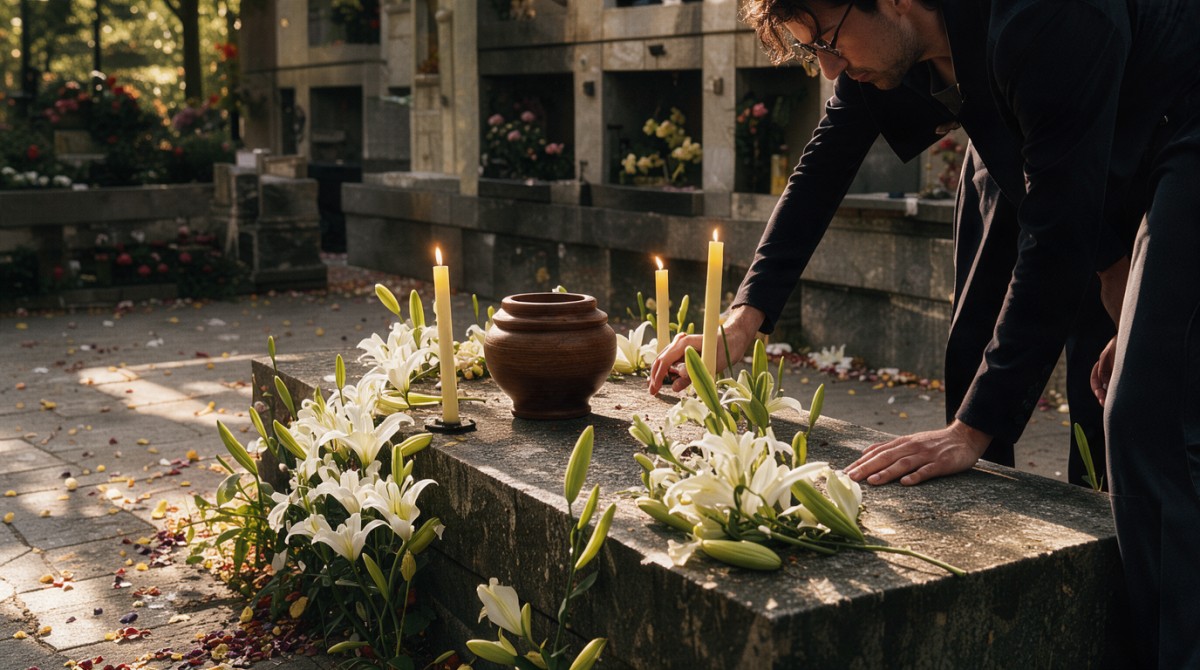
On Sunday, the ashes of Miguel Ángel Asturias—Guatemala’s first Nobel laureate in literature—were finally laid to rest on Guatemalan soil, more than half a century after his death in exile. The ceremony, held at a cultural centre that bears his name in Guatemala City, was both a solemn tribute and a stark reminder of the political forces that once drove him from his homeland. As his son placed the urn among earth gathered from across the country, the moment resonated with the poet‑diplomat’s lifelong yearning for a nation that had repeatedly denied him the right to belong.
From Paris to the Andes of Memory: Asturias’s Return
The urn that held Asturias’s ashes traveled from Père Lachaise cemetery in Paris to the heart of Guatemala, a journey that could only happen after the election of a progressive government. The family agreed to the transfer only after Bernardo Arévalo won the presidency in 2023, signaling a political climate more receptive to reconciling with the writer’s legacy. At the interment, President Arévalo called Asturias “our voice in the world,” highlighting the symbolic weight of the act: a nation finally acknowledging a figure it once expelled.
Asturias’s son, also named Miguel Ángel, spoke emotionally, noting that his father “always wanted to be in Guatemala” but was barred by “political conditions.” The son’s words echoed the broader narrative of a country whose own history has often silenced dissenting voices, especially those that championed the marginalized. By laying his father’s remains beneath Guatemalan skies, the ceremony attempted to close a wound that began with the 1954 CIA‑backed coup that toppled President Jacobo Árbenz and forced Asturias into exile.
The Nobel Laureate’s Literary Mission
When Asturias received the Nobel Prize for Literature in 1967, the world recognized his vivid portrayals of indigenous life and his unflinching critique of oppression. His early work, such as the 1920s “Legends of Guatemala,” drew on Maya myths he studied while living in Paris, blending surrealist influences with a deep respect for native narratives. This foundation set the stage for later novels that exposed the brutal realities of plantation labor and authoritarian rule.
His 1946 novel “The President” and the subsequent “Banana Trilogy” directly denounced the exploitation of indigenous workers on banana plantations—an industry dominated by foreign corporations that shaped much of Guatemala’s modern history. “Men of Maize,” published in 1949, remains his most celebrated work, charting the clash between ancient communal life and the relentless march of modernization. Through these stories, Asturias gave voice to communities that had long been invisible in the national discourse.
Exile and the Loss of Citizenship
The 1954 coup that ousted President Árbenz marked a turning point for Asturias. Stripped of his Guatemalan citizenship and banned from publishing his books at home, he was compelled to leave the country he had served as a diplomat during the “Ten Years of Spring” (1944‑1954). The coup, orchestrated with CIA support, not only toppled a democratically elected government but also targeted intellectuals like Asturias who championed social reform.
Asturias’s forced exile illustrates a broader pattern in Latin America where writers, activists, and politicians have been silenced through legal and extralegal means. His experience underscores how cultural production becomes a battlefield: the very narratives that illuminate injustice are the ones most threatened by regimes seeking to control the national story.
The Role of the Arévalo Family
President Bernardo Arévalo’s connection to Asturias is more than ceremonial. His father, Juan José Arévalo, appointed Asturias to diplomatic posts during the “Ten Years of Spring,” a period of progressive reforms and cultural flourishing. This historical link adds a personal dimension to the current president’s praise of Asturias as “our voice in the world.” It also signals an attempt by the current administration to reclaim a legacy that was once suppressed.
The younger Arévalo’s decision to bring Asturias’s ashes home can be read as a political gesture aimed at reconciling with the past. By honoring a figure once vilified by the state, the administration signals a break from the authoritarian narratives of the past and aligns itself with a more inclusive vision of Guatemalan identity—one that embraces indigenous heritage and the literary contributions that celebrate it.
Symbolism of the Soil
The urn was placed in soil collected from various regions of Guatemala, a symbolic act that ties Asturias’s memory to the land he so often wrote about. By embedding his remains in earth from across the country, the ceremony physically united the writer with the diverse peoples and landscapes that inspired his work. This gesture also serves as a reminder that the struggles he chronicled—land dispossession, cultural erasure, economic exploitation—remain unresolved for many communities today.
For indigenous groups, the return of Asturias’s ashes may hold particular resonance. His early writings celebrated Maya legends, and his later novels highlighted the ongoing marginalization of indigenous populations. While the ceremony cannot erase decades of repression, it offers a moment of collective acknowledgment that the stories of these communities are integral to the nation’s fabric.
Continuing Challenges: From Historical Injustice to Present Crises
Even as Guatemala honors Asturias, the country continues to grapple with the legacies of the 1954 coup and subsequent decades of conflict. Issues such as land inequality, forced displacement, and impunity for human rights abuses persist, echoing the very themes Asturias explored in his literature. The recent mention of “Attorney-General's alleged role in illegal adoptions” and the presence of “US farm workers coming from Guatemala” hint at ongoing social complexities that intersect with migration, labor exploitation, and state corruption.
These contemporary challenges underscore why Asturias’s work remains relevant. His narratives warned of the dangers when power concentrates in the hands of foreign interests and domestic elites, a warning that still rings true as Guatemala navigates its place in a globalized economy. The ceremony, while symbolic, also serves as a call to action for policymakers and civil society to address the systemic inequities that have long plagued the nation.
Legacy and the Way Forward
Asturias’s return to Guatemalan soil is more than a posthumous homecoming; it is a reaffirmation of the power of literature to shape collective memory. By honoring a writer who dared to critique authoritarianism and champion indigenous voices, Guatemala signals a willingness to confront its past and, perhaps, to chart a more just future.
For a region still haunted by the specter of foreign intervention and internal repression, Asturias’s life story offers a blueprint: engage with the cultural roots of a people, expose exploitation, and persist despite exile or censorship. As the nation moves forward, the hope is that the same courage that drove Asturias to write his truth will inspire a new generation of Guatemalans to demand accountability and to celebrate the rich tapestry of their heritage.
This article was produced with AI-assisted research and editorial support. Reporting is based on the source material cited below. Sources: BBC News Latin America; bbc.co.uk; Global1.News (18 November 2026).
By Elena Vasquez, Staff Writer
What's Your Reaction?
 Like
0
 Dislike
0
 Love
0
 Funny
0
 Wow
0
 Sad
0
 Angry
0

Latin America Correspondent at Global1.News. Based in Mexico City, covering politics, economics, energy, and culture across the region. Brings an on-the-ground perspective to stories spanning from the Rio Grande to Patagonia.












Comments (0)