
Postponement not an option as Kenya races to be ready for Afcon 2027
Patrice Motsebe, the president of the Confederation of African Football (CAF), has sounded a clear warning to Kenya, Tanzania and Uganda as they race to finish the preparations for the 2027 Africa Cup of Nations (Afcon).
Patrice Motsebe, the president of the Confederation of African Football (CAF), has sounded a clear warning to Kenya, Tanzania and Uganda as they race to finish the preparations for the 2027 Africa Cup of Nations (Afcon). After a whirlwind inspection that began in Tanzania and moved on to Nairobi, Motsebe stressed that there is “little room for delay” and that postponement is simply not on the table. The stakes are high: the tournament will mark the first return of Afcon to East Africa in more than half a century, and the opening match is slated for 19 June 2027, with the final on 17 July. The three co‑hosts now have roughly nine months to turn their stadiums, training grounds, hotels and transport links into venues that meet CAF’s exacting standards.
Urgency in the Countdown
Motsebe’s message was unequivocal: the co‑hosts must begin using the stadiums for test matches as early as January 2027. “Even though we’ve got nine months, we need to start using those stadiums in January next year to test them and to see what further improvements are required,” he told BBC Sport Africa after touring Nairobi’s facilities. This timeline leaves a narrow window for any major remedial work, especially given that CAF’s previous inspection in mid‑February set a target of 80 % readiness for stadiums and training sites by August. The president’s insistence on a “heightened sense of urgency” reflects both the logistical complexity of a multi‑nation tournament and the pressure to avoid the scheduling disruptions that have plagued recent CAF events.
Progress and Gaps in Nairobi’s Venues
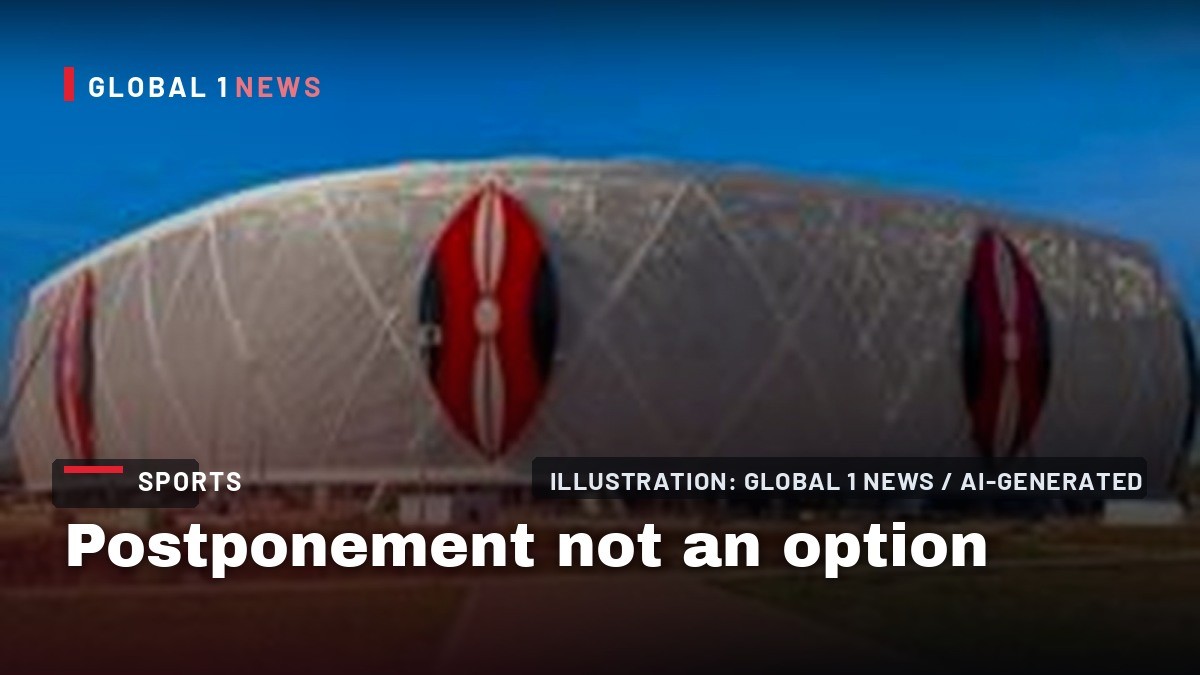
During his visit, Motsebe inspected two key Nairobi sites: the long‑standing Kasarani Stadium and the newly built Talanta Stadium, which boasts a 60,000‑seat capacity. While he acknowledged “very good progress” overall, he also highlighted that several facilities remain below the required level. The most pressing shortfall at Kasarani is the playing surface, which has yet to be laid. In addition, work is still needed on broadcast cabling, floodlights and the sky‑box suites that will host media and VIP guests. These gaps are significant because Kasarani is also earmarked to host the 2029 World Athletics Championships, a bid Nairobi secured over London and Rome.
Security and VIP Considerations
Motsebe warned that the design of some stadiums will need to be re‑thought to accommodate the influx of heads of state and other high‑profile guests. “Security issues in relation to where the special guests, particularly the heads of state, will be seated requires a revision of the original plans,” he explained. This adds another layer of complexity, as the venues must balance spectator capacity with secure, segregated areas for dignitaries. The need for such revisions underscores the broader challenge of delivering a seamless experience for both fans and the diplomatic entourage that will accompany the tournament.
Government Commitment Amid Tight Timelines
Kenya’s cabinet secretary for sports, Salim Mvurya, responded to the CAF president’s concerns with a firm pledge to accelerate the work. “I assure CAF and Kenyans we will accelerate the preparations for Afcon 2027,” he said, adding that all construction and upgrades will be completed by December. This deadline is deliberately set to allow test matches to be staged in the various facilities before the January assessment visit that Motsebe will make. Mvurya’s confidence is rooted in the belief that delivering Afcon on schedule is crucial not only for sport but also for Kenya’s broader economic ambitions.
Afcon as a Catalyst for Economic Transformation
For Kenya, the tournament is more than a football celebration; it is a cornerstone of a larger development agenda. Mvurya emphasized that sport is “livelihood, it is economic transformation,” and that hosting Afcon will boost tourism and create jobs. The link between Afcon and the 2029 World Athletics Championships bid was also highlighted: “One of the reasons why Kenya won the 2029 World Athletics Championship bid is because we are hosting Afcon. Therefore this is a legacy.” The government’s narrative positions the tournament as a driver of infrastructure investment, hospitality growth and international visibility.
Historical Context of Scheduling Pressures
Motsebe’s insistence on a firm timetable is informed by recent CAF experiences. The 2023 Afcon in Ivory Coast was shifted to early 2024 because of concerns about the rainy season, while the 2024 Women’s Afcon was postponed from March to July with only 12 days’ notice. The 2024 African Nations Championship, also slated for Kenya, Tanzania and Uganda, was moved from February to August 2025 after an 18‑day warning that facilities were not yet at the required level. These disruptions have prompted CAF officials, including former deputy Veron Mosengo‑Omba, to describe the calendar as a “scheduling nightmare.” The pressure to keep Afcon 2027 on track is part of a broader effort to avoid further calendar chaos.
Looking Ahead: The Final Test and What Success Means
The next three months will be decisive. By December, Kenya must have finished all major construction and upgrades so that test matches can be staged. Motsebe is scheduled to return for a final assessment visit in January, where he will evaluate whether the venues meet CAF’s standards for safety, broadcast capability and overall functionality. If the co‑hosts succeed, the 2027 Afcon could become a showcase of East African hospitality and a springboard for future mega‑events, including the 2029 World Athletics Championships. Failure, however, could reignite doubts about the region’s capacity to host large‑scale tournaments and jeopardise the economic hopes tied to the event.
This article was produced with AI-assisted research and editorial support. Reporting is based on the source material cited below. Sources: BBC News Africa; bbc.co.uk; Global1.News (20 September 2026).
By Amara Diop, Staff Writer
What's Your Reaction?
 Like
0
Like
0
 Dislike
0
Dislike
0
 Love
0
Love
0
 Funny
0
Funny
0
 Wow
0
Wow
0
 Sad
0
Sad
0
 Angry
0
Angry
0

West Africa/Sahel Correspondent at Global1.News. Dakar-based journalist covering politics, security, climate, and development across Francophone and Anglophone West Africa. Tells the stories of a region undergoing profound transformation.














Comments (0)