
North Korean leader receives Philippine ambassador
In a historic diplomatic moment, North Korean leader Kim Jong Un personally received the credentials of foreign ambassadors on November 22, 2026, including those of Philippine Ambassador Jaime FlorCruz.
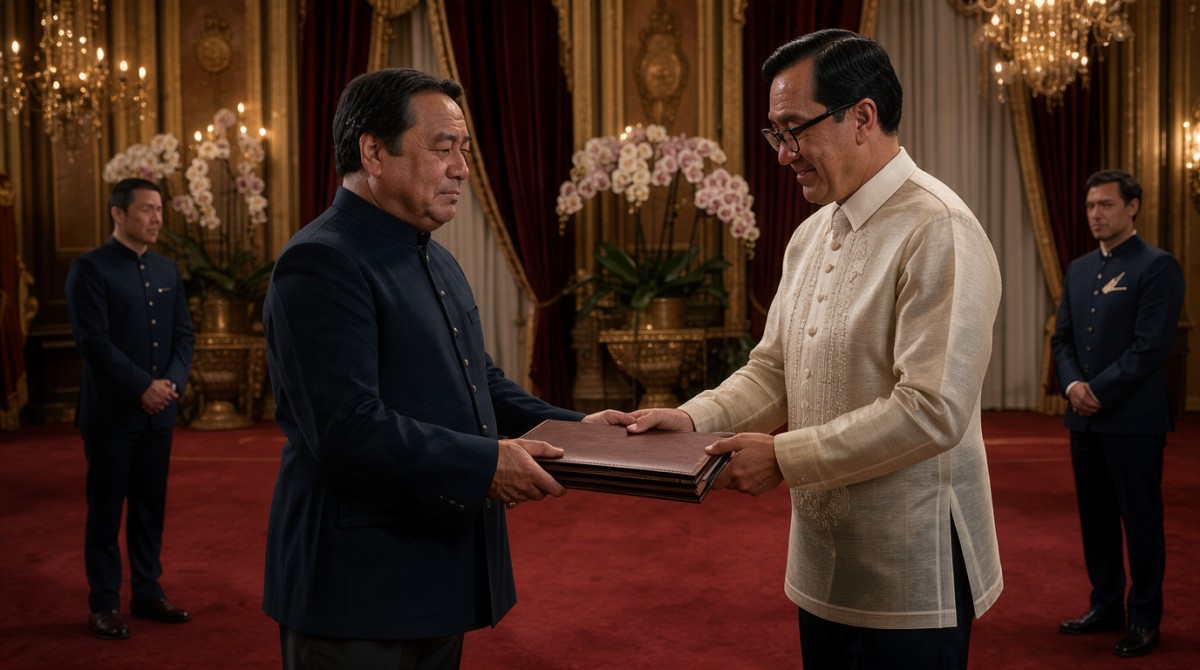
In a historic diplomatic moment, North Korean leader Kim Jong Un personally received the credentials of foreign ambassadors on November 22, 2026, including those of Philippine Ambassador Jaime FlorCruz. The ceremony, held in Pyongyang, marked the first time in more than three decades that Kim himself has officiated such a credential‑presentation, underscoring a subtle shift in the DPRK’s diplomatic protocol. For the Philippines, the event signals a renewed, albeit cautious, engagement with a nation long isolated from mainstream international relations.
Historic first: Kim Jong Un’s personal reception of ambassadors
The credential‑presentation ceremony in Pyongyang was notable not merely for its participants but for the fact that Kim Jong Un, who has led North Korea since 2011, personally welcomed the newly appointed envoys. According to the report from Philstar.com, this was the first such ceremony officiated by Kim in his tenure, highlighting a rare moment of direct interaction between the North Korean leader and foreign diplomats.
FlorCruz joined nine other newly appointed ambassadors at the event, each presenting their Letters of Credence—a formal document that confirms an ambassador’s authority to represent their home country. The presence of a small cohort of diplomats, rather than a larger diplomatic corps, suggests a measured opening by the DPRK, allowing a controlled environment for confidence‑building talks.
Jaime FlorCruz: From Beijing to Pyongyang
Jaime FlorCruz, who has been serving as the Philippine ambassador to China, presented his credentials in Pyongyang while still based in Beijing. The source notes that FlorCruz also holds non‑resident accreditation to Mongolia, and now to the DPRK. This multi‑country portfolio reflects the Philippines’ pragmatic approach to diplomatic representation in regions where resources and personnel are limited, yet strategic interests persist.
By presenting his Letters of Credence, FlorCruz formally assumed his duties as the Philippines’ envoy to the Democratic People’s Republic of Korea. The act of credentialing is more than ceremonial; it grants the ambassador the legal standing to engage with the host government, pursue bilateral initiatives, and protect the welfare of Filipino citizens abroad, including any overseas Filipino workers who may find themselves in the region.
Kim’s brief address: Confidence‑building and mutual interests
During the ceremony, Kim delivered a brief speech emphasizing the role of ambassadors in “promoting confidence building” and “strengthening relations of friendship” in line with mutual interests. While the remarks were succinct, they echo the DPRK’s longstanding rhetoric of seeking dialogue that respects its sovereignty while addressing shared concerns such as regional stability and economic cooperation.
The language used by Kim aligns with the diplomatic tone often heard in inter‑governmental settings, where “confidence‑building” serves as a diplomatic bridge to reduce mistrust. For the Philippines, this invitation to deepen friendship carries practical implications: it may open channels for cultural exchange, trade talks, or humanitarian cooperation, especially in areas like health and education where the Philippines has expertise to share.
Why the Philippines cares: Strategic and humanitarian stakes
The Philippines’ interest in engaging with North Korea is rooted in both strategic calculations and humanitarian concerns. Strategically, maintaining open lines of communication with all regional actors helps Manila navigate the complex security environment of East Asia, where the South China Sea, the Taiwan Strait, and the broader Indo‑Pacific dynamics intersect.
Humanitarian considerations are equally salient. Although the source does not detail specific Filipino communities in North Korea, the Philippines has a long tradition of caring for overseas Filipino workers (OFWs) and ensuring their safety wherever they are deployed. An ambassador’s presence can facilitate consular assistance, should any Filipino nationals require aid, and can also support initiatives that address food security, health, or education in the DPRK, aligning with the Philippines’ broader commitment to human rights and development.
Non‑resident ambassadorship: A pragmatic diplomatic model
FlorCruz’s role as a non‑resident ambassador—based in Beijing while covering Mongolia and now North Korea—illustrates a pragmatic model increasingly adopted by countries with limited diplomatic footprints. This arrangement allows Manila to maintain formal diplomatic ties without the expense of a full embassy in Pyongyang, where security and logistical challenges remain significant.
Such a model also underscores the importance of regional hubs like Beijing, which serve as logistical bases for diplomats covering multiple neighboring states. By operating from Beijing, FlorCruz can more readily travel to Pyongyang for official duties, attend meetings, and coordinate with other Philippine missions in the region, ensuring continuity in diplomatic engagement.
Implications for regional diplomacy
The ceremony’s significance extends beyond bilateral ties between Manila and Pyongyang. It reflects a broader pattern of the DPRK cautiously re‑engaging with the international community. The presence of ambassadors from ten countries suggests a modest yet tangible opening, potentially paving the way for future talks on trade, cultural exchange, or even multilateral cooperation on issues like pandemic response.
For Southeast Asian nations, especially members of the Association of Southeast Asian Nations (ASEAN), this development may prompt a reassessment of how to incorporate North Korea into regional dialogues. While the source does not mention ASEAN directly, the Philippines’ participation signals a willingness to explore constructive engagement, consistent with ASEAN’s principle of non‑interference combined with a collective interest in regional peace.
Looking ahead: What the credential‑presentation means for ordinary Filipinos
At its core, the credential‑presentation ceremony is a diplomatic formality, but its ripple effects can reach the barangay level. A stronger diplomatic channel could translate into more robust consular services for Filipinos traveling or working abroad, better protection in times of crisis, and potential cultural or educational exchanges that enrich local communities.
Moreover, the Philippines’ commitment to “confidence building” aligns with the nation’s enduring spirit of bayanihan—working together for the common good. As the new ambassador begins his tenure, the hope is that this diplomatic step will foster tangible benefits: from facilitating the safe return of any Filipino workers caught in unforeseen circumstances, to opening avenues for joint projects that improve livelihoods, whether through agricultural cooperation, health initiatives, or educational scholarships.
This article was produced with AI-assisted research and editorial support. Reporting is based on the source material cited below. Sources: Philstar.com; Global1.News (25 November 2026).
By Bella Reyes, Staff Writer
What's Your Reaction?
 Like
0
 Dislike
0
 Love
0
 Funny
0
 Wow
0
 Sad
0
 Angry
0

Philippines/Southeast Asia Correspondent at Global1.News. Manila-based journalist covering Philippine politics, environment, maritime security, and social issues. Passionate about marine conservation and the communities protecting the Philippines' natural heritage.














Comments (0)