
Pedro Sanchez’s Emotional Campaign Faces Corruption Storm in Spain’s Snap Election
In the latest DW News video, the channel’s correspondents detail the fierce contest unfolding in Spain as Prime Minister Pedro Sanchez seeks to preserve his grip on power through a snap election.
In the latest DW News video, the channel’s correspondents detail the fierce contest unfolding in Spain as Prime Minister Pedro Sanchez seeks to preserve his grip on power through a snap election. The report paints a picture of a leader besieged by allegations of corruption tied to his inner circle, a worsening housing crisis, and a public mood that is increasingly restless. As the election campaign ramps up, Sanchez appears to be betting on personality and emotion to win over voters, a strategy that raises questions about the durability of his political reinvention.
Corruption Allegations Cast a Long Shadow
The DW footage underscores that the most immediate threat to Sanchez’s political future stems from a series of corruption allegations involving people close to him. While the report does not enumerate specific cases, it emphasizes that the accusations have become a focal point of public debate, eroding confidence in the government’s ethical standards. This climate of suspicion has forced Sanchez to navigate a delicate balance between defending his administration and distancing himself from the alleged misconduct.
In the video, analysts suggest that the corruption narrative is being amplified by opposition parties, who see an opportunity to weaken the ruling coalition. The report notes that the allegations have not yet resulted in formal legal proceedings, but the mere perception of impropriety is enough to stir public discontent. For many Spaniards, the specter of graft resonates with broader concerns about transparency and accountability in public office.
From a Mexican perspective, the situation echoes familiar challenges faced by our own leaders when scandals surface. The Mexican public often demands swift action and clear accountability, and the same expectations are evident in Spain. Sanchez’s ability to address—or evade—these allegations will likely shape the electoral calculus as voters weigh integrity against other pressing issues.
The Housing Crisis Fuels Voter Frustration
Beyond the corruption cloud, the DW report highlights a deepening housing crisis that is intensifying public frustration. Rising rents and a shortage of affordable homes have become daily realities for many Spaniards, especially in urban centers. The video points out that this crisis is not merely an economic issue but a social one, affecting families’ ability to secure stable living conditions.
In the footage, commentators link the housing shortage to policy decisions made during Sanchez’s tenure, suggesting that the government’s response has been inadequate. While the report does not provide specific statistics, it conveys a sense of urgency: citizens are feeling the pressure of soaring costs and limited options, which in turn fuels a broader sense of disenchantment with the political establishment.
The housing dilemma resonates strongly with Mexican audiences, where similar struggles unfold in colonias and rapidly expanding metropolitan areas. The parallel underscores how housing policy can become a decisive electoral issue, shaping voter sentiment and influencing the political narrative. Sanchez’s campaign must therefore confront this reality head‑on if he hopes to retain the confidence of ordinary families.
Emotional Appeal as a Campaign Strategy
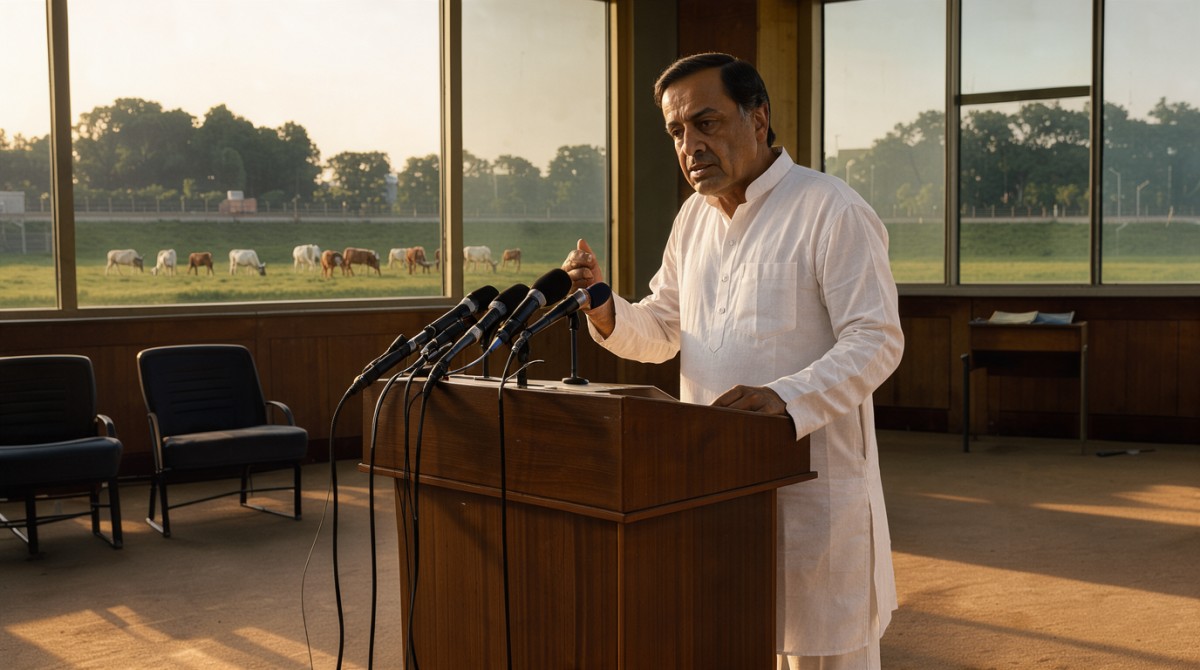
According to the DW segment, Sanchez is leaning heavily on personality and emotion to rally support. The video shows clips of the prime minister delivering impassioned speeches, emphasizing solidarity, national pride, and a vision of a resilient Spain. This approach appears designed to connect with voters on a personal level, bypassing the more technical policy debates that dominate the news cycle.
Analysts in the report argue that this emotional outreach is a calculated response to the twin pressures of corruption allegations and the housing crisis. By framing his leadership as a unifying force, Sanchez hopes to shift the conversation away from scandal and toward collective hope. The video suggests that this tactic mirrors a broader trend in contemporary politics, where leaders increasingly rely on charisma and narrative to galvanize their base.
From the standpoint of a Mexican journalist, such a strategy is familiar. Leaders across Latin America have often turned to emotive rhetoric to rally support, especially when faced with institutional challenges. However, the effectiveness of this approach depends on whether the emotional message can convincingly address the underlying material concerns of the electorate.
Opposition’s Counter‑Narrative
The DW report also outlines how opposition parties are framing their critique of Sanchez. They are positioning the corruption allegations and housing crisis as evidence of governmental failure, urging voters to demand a change in direction. The video captures moments of opposition leaders calling for transparency, accountability, and concrete solutions to the housing shortage.
These parties are not merely attacking Sanchez personally; they are presenting policy alternatives that aim to resonate with citizens’ everyday struggles. By highlighting the tangible impacts of the housing crisis—such as families being forced to allocate a larger share of their income to rent—they seek to translate abstract discontent into a concrete call for political change.
In Mexico, similar dynamics play out when opposition groups leverage scandals and socioeconomic grievances to challenge incumbents. The interplay between personal attacks and policy proposals is a hallmark of competitive elections, and Spain’s snap election appears to be following this familiar pattern.
Public Sentiment and the Road Ahead
The DW footage conveys a sense that public sentiment in Spain is increasingly volatile. While some segments of the population remain loyal to Sanchez, drawn by his emotive messaging, others are growing weary of the persistent scandals and economic pressures. The report suggests that voter turnout could be a decisive factor, as mobilizing the base may be as crucial as swaying undecided voters.
In the video, street interviews and on‑the‑ground observations illustrate a populace that is both hopeful and skeptical. Families express concerns about paying rent, while others voice confidence in Sanchez’s leadership if he can deliver tangible improvements. This mixture of hope and doubt mirrors the complex tapestry of public opinion that Mexican journalists often encounter in election cycles.
The upcoming snap election will test whether Sanchez’s emotional campaign can overcome the weight of the corruption cloud and the housing crisis. The DW report implies that the outcome will hinge on how convincingly the prime minister can translate his narrative into actionable policies that address the everyday needs of Spaniards.
Implications for Spain’s Democratic Future
Finally, the DW segment situates the snap election within a broader context of Spain’s democratic health. The report warns that persistent corruption scandals and socioeconomic strains can erode trust in democratic institutions if left unchecked. The election, therefore, is not just a contest for power but a moment that could shape the trajectory of Spain’s political culture.
From a Mexican perspective, the stakes are clear: a democracy thrives when its leaders are accountable and responsive to citizens’ basic needs, such as affordable housing. The Spanish experience, as captured in the DW video, serves as a reminder that political reinvention must be anchored in concrete results, not merely emotional appeal.
As the campaign intensifies, observers will watch closely to see whether Sanchez can navigate the twin challenges of scandal and socioeconomic pressure. The outcome will offer lessons not only for Spain but for other nations, including Mexico, where the balance between personality politics and substantive governance remains a constant tension.
By Rosa Martinez, Staff Writer
This article was produced with AI-assisted research and editorial support. Reporting is based on the source material cited below. Sources: DW News video report (24 November 2026); DW News; Global1.News
What's Your Reaction?
 Like
0
 Dislike
0
 Love
0
 Funny
0
 Wow
0
 Sad
0
 Angry
0

Latin America/Andes Correspondent at Global1.News. Based in Bogota, covering politics, environment, energy, and social movements across the Andean region. Passionate about environmental journalism and communities protecting their land.













Comments (0)