
Nine Dead in Sagar Hooch Tragedy as Toxic Liquor Strikes MP's Banda Tehsil
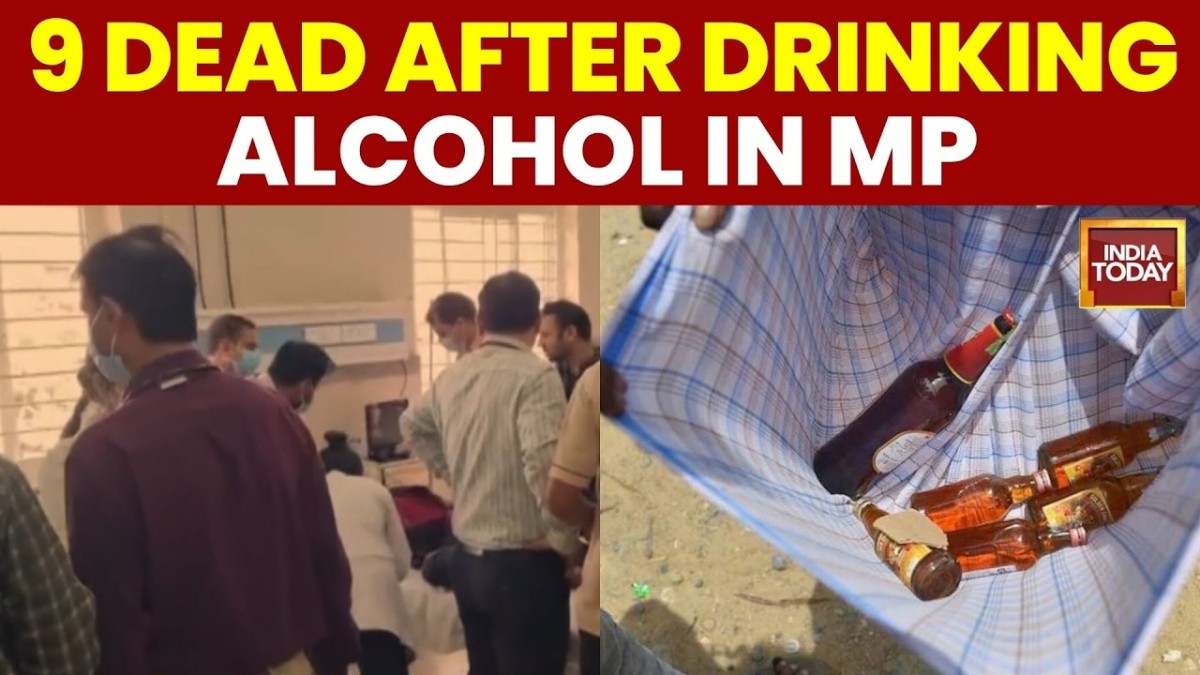
At least nine people are dead and around 35 hospitalised in Sagar district, Madhya Pradesh, after consuming spurious liquor on Saturday night — the latest in a grim, recurring cycle of methanol poisoning tragedies that continue to claim working-class lives across India despite decades of prohibition debates and excise reforms.
At least nine people are dead and around 35 hospitalised in Sagar district, Madhya Pradesh, after consuming spurious liquor on Saturday night — the latest in a grim, recurring cycle of methanol poisoning tragedies that continue to claim working-class lives across India despite decades of prohibition debates and excise reforms.
Sagar Hooch Tragedy: Nine Dead as Toxic Brew Strikes MP's Banda Tehsil
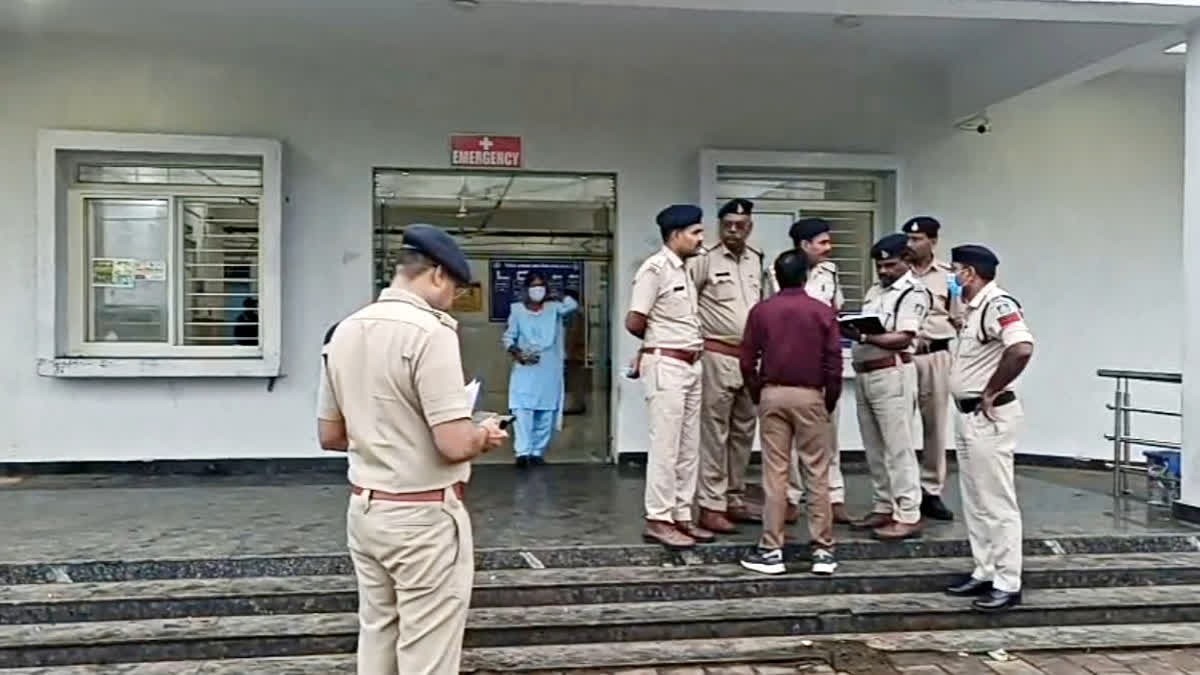
Sagar, Madhya Pradesh, September 6: The first death was reported early Sunday morning, hours after residents of Naura and Ghugru Khurd villages in Banda tehsil, roughly 30 kilometres from the district headquarters, bought and consumed locally sourced liquor on the night of Saturday, September 5. By midday, the toll had climbed to six; by evening, district officials confirmed at least nine dead, with several critically ill patients referred to the government-run Bundelkhand Medical College and District Hospital in Sagar. Morning PTI reports had placed the toll at six dead and four to five hospitalised before the numbers rose sharply through the day.
District Collector Pratibha Pal confirmed that reports of illness and deaths allegedly linked to illicit liquor consumption emerged since morning. "An investigation is underway at the Civil Hospital," she said, adding that screening teams comprising doctors and Sub-Divisional Magistrate (SDM) officials have been deployed in Naura and Ghugru Khurd. "Anyone who consumed liquor in the past 24-48 hours or is experiencing symptoms should get screened immediately at the Civil Hospital or any health facility," she urged.
What Happened in Banda Tehsil
The affected villages — Naura and Ghugru Khurd, also reported as Ghugru — are agricultural hamlets typical of the Bundelkhand region, where daily-wage labour and smallholder farming dominate the local economy. News18 reported consumption in and around the Ghooghar, Naoraj and Baraj areas, suggesting the contamination may have spread beyond the two officially named villages. Six licensed liquor shops in the area have been sealed as a precautionary measure, and officials have been directed to collect samples of the suspected liquor for forensic examination. Post-mortem examinations are pending, and the exact cause of death is yet to be confirmed by laboratory analysis.
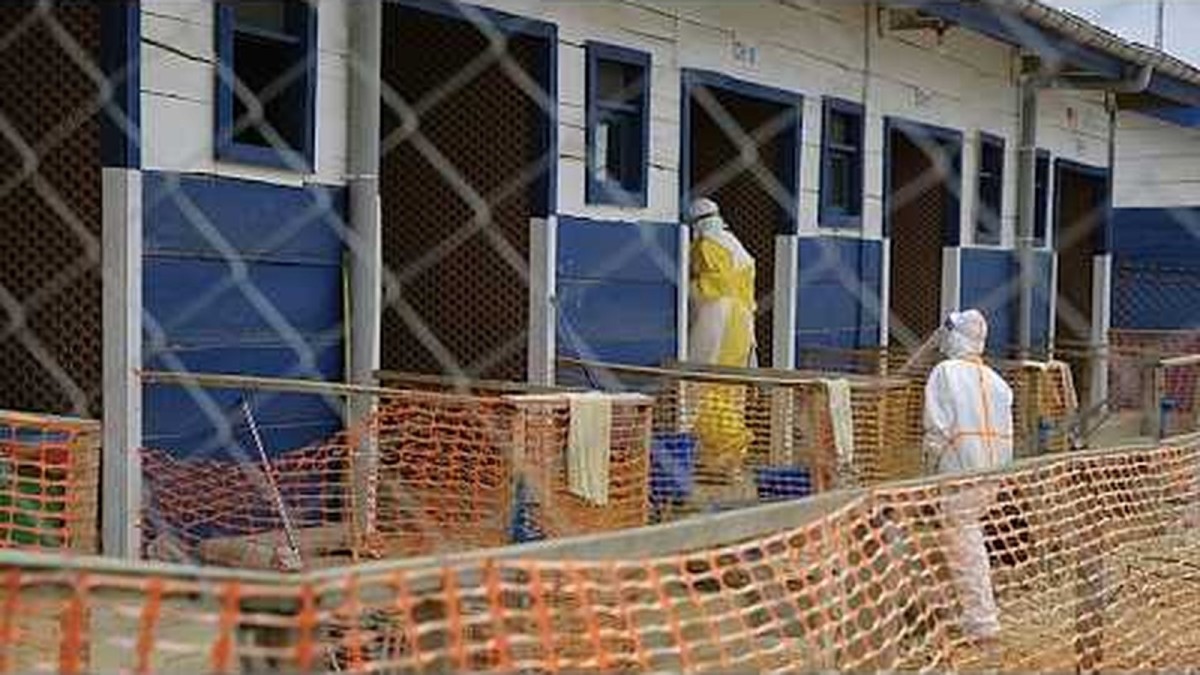
Doctors treating the hospitalised patients have reported a clinical picture consistent with methanol poisoning: cyanosis, a bluish discolouration of the body indicating oxygen deprivation, and muscle rigidity, alongside complaints of headache, vomiting and fever. These symptoms typically emerge 12 to 24 hours after ingestion — a delay that makes timely medical intervention extraordinarily difficult, particularly in rural districts where the nearest tertiary care centre may be hours away.
Senior officials, including the Sagar Commissioner, Inspector General, Collector and Superintendent of Police, have visited the affected villages. Police are investigating the source of the toxic brew, with India Today's video report indicating that five to six suspected liquor sources are under the scanner. Madhya Pradesh Chief Minister Mohan Yadav has ordered a probe, and strict legal action has been directed against those involved in the illicit liquor trade.
Methanol: The Silent Killer Inside Cheap Liquor
The science behind these tragedies is well understood, yet it bears repeating because it explains why the death toll is often so high and why treatment is so time-sensitive. Methanol, or methyl alcohol, is an industrial solvent used in paint, chemicals and cleaning agents. It is relatively non-toxic in its original form. The danger comes from its metabolites. The liver enzyme alcohol dehydrogenase converts methanol to formaldehyde and then to formic acid, which causes severe metabolic acidosis, damages the optic nerve — leading to blurred vision that can progress to permanent blindness — and can trigger seizures, coma and death.
Because symptoms typically appear 12 to 24 hours after ingestion, by the time victims reach hospital the poison has already begun to accumulate in their systems. The standard treatment protocol involves antidotes that block alcohol dehydrogenase — either fomepizole or intravenous ethanol — alongside sodium bicarbonate to correct acidosis and haemodialysis for severe cases to remove both methanol and formate from the bloodstream. The recurring gap in India's district hospital infrastructure is precisely here: antidote availability and dialysis capacity are often inadequate or entirely absent at the level where these patients first present.
The forensic evidence from a similar tragedy in Gujarat just last month underscores the pattern. In August 2026, in Bhavnagar district, a spurious liquor tragedy killed eight people and affected 61, with 25 hospitalised, 10 in intensive care units and one on a ventilator. Forensic Science Laboratory testing showed the toxic brew contained 38.59 per cent methanol and just 0.94 per cent ethanol. That is not a contaminated batch of country liquor; that is industrial methanol being sold as alcohol, a lethal cocktail engineered by bootleggers who boost potency with a cheap, untaxed solvent instead of ethanol, which is heavily taxed and controlled.
A Recurring National Emergency
The Sagar tragedy is not an isolated incident; it is the latest data point in a public health crisis that has claimed thousands of lives across India over the past decade. In February 2019, approximately 100 people died in Uttar Pradesh and Uttarakhand from methanol-laced liquor. Two weeks later, more than 150 died in Assam's Golaghat and Jorhat districts, with the toll eventually reaching 156. In August 2020, at least 120 people died in Punjab across Amritsar, Tarn Taran and Gurdaspur districts; a Ludhiana-based paint-store owner was linked to the sale of three drums of methanol connected to over 100 deaths. Seven excise officials and six police personnel were suspended, and compensation was initially set at Rs 2 lakh per family before being raised to Rs 5 lakh.
In 2022, separate incidents killed 30 in Bihar and 28 in Gujarat. In June 2024, at least 65 people died in Kallakurichi district, Tamil Nadu, centred on Karunapuram village, with more than 200 hospitalised. The victims were predominantly daily-wage workers and Dalits; the methanol was sourced from Puducherry, and the CB-CID took over the investigation. The demographic consistency across these tragedies is striking: the victims are almost always poor, often Dalit or Adivasi, and almost always daily-wage earners who cannot afford licensed liquor and turn to cheaper, unregulated alternatives.
The Gujarat case from August 2026 adds another layer of complexity. Gujarat is a "dry" state where the manufacture, sale and consumption of alcohol are banned. Yet the counterfeit bottles imitated a popular Indian-Made Foreign Liquor (IMFL) brand, and police said preliminary investigation indicated the duplicate bottles were supplied from Madhya Pradesh. Thirteen bootleggers were arrested; the brew was produced at an accused's house in Bhavnagar, and a key accused, Narendra Yadav, had come from Madhya Pradesh. Congress MLA Jignesh Mevani called it the sixth such incident in Gujarat in five years — a damning indictment of prohibition as a public health strategy.
Dry States, Wet States: Why Enforcement Fails
Madhya Pradesh is not a dry state. Sagar district has licensed liquor vends — six shops were sealed in this case — yet illicit liquor still reaches consumers, often at a fraction of the price of legal stock. This is the central paradox of India's alcohol policy: whether the state prohibits alcohol entirely, as in Gujarat and Bihar, or regulates and taxes it, as in Madhya Pradesh and most other states, the illicit market persists and periodically produces mass casualty events.
The economics are straightforward. Licensed liquor carries excise duty, GST and distribution costs, making it unaffordable for a significant segment of the population. Illicit liquor undercuts legal prices substantially, and bootleggers maximise profit by substituting ethanol with methanol, which is cheaper and more potent. The Gujarat FSL finding of 38.59 per cent methanol demonstrates how industrial solvent is diverted from legitimate supply chains — paint, chemicals, cleaning agents — and repackaged as consumable alcohol. This is not organised crime in the traditional sense; it is a cottage industry operating at the margins of the formal economy, with devastating consequences.
The enforcement failure is systemic. Excise departments are understaffed and under-resourced relative to the scale of the illicit market. Police investigations often focus on arresting street-level bootleggers rather than dismantling the supply chains that divert industrial methanol. And the judicial process is slow, with convictions rare and penalties often inadequate to deter repeat offenders. The 2020 Punjab tragedy, where seven excise officials and six police were suspended, shows that accountability mechanisms exist but are applied inconsistently and rarely lead to systemic reform.
The Treatment Race: Antidotes, Dialysis and the 24-Hour Window
For the 35 people currently hospitalised in Sagar, the next 24 to 48 hours will be critical. Methanol poisoning is treatable if caught early, but the window is narrow. Fomepizole, the preferred antidote, is expensive and often unavailable at district hospitals. Intravenous ethanol, the cheaper alternative, requires careful dosing and monitoring. Sodium bicarbonate can correct acidosis but does not remove the poison. Haemodialysis is the definitive treatment for severe cases, but dialysis capacity at district hospitals across India is limited, and referral to tertiary centres consumes precious hours.
The patients referred to Bundelkhand Medical College and District Hospital in Sagar will have access to better infrastructure than those treated at primary health centres, but the outcome depends on how quickly they presented and how severely they were poisoned. The symptoms described — cyanosis and muscle rigidity — suggest advanced toxicity, which carries a higher risk of permanent neurological damage or death even with treatment. For survivors, the long-term consequences can include blindness, cognitive impairment and kidney damage, requiring ongoing medical care that places additional burden on families already struggling financially.
This is where the public health system's preparedness matters most. Screening teams deployed in Naura and Ghugru Khurd are a positive step, but they are reactive measures. A proactive approach would involve pre-positioning antidotes in districts with known illicit liquor networks, training primary care physicians in methanol poisoning management, and ensuring dialysis referral pathways are functional before a crisis occurs. None of this is technically difficult or prohibitively expensive; it requires political will and administrative priority.
What This Means for India
The Sagar tragedy, coming just weeks after the Bhavnagar deaths, should force a national conversation about alcohol policy that goes beyond the tired prohibition-versus-regulation debate. The data is clear: prohibition in Gujarat did not prevent the August 2026 tragedy; it may have contributed to it by driving the market underground. Regulation in Madhya Pradesh did not prevent the current tragedy; it simply coexists with an illicit market that serves those priced out of legal alcohol.
The common thread is methanol diversion from industrial supply chains. This is a solvable problem. Methanol is used in legitimate industries, but its sale and distribution can be tracked and monitored. The 2024 Kallakurichi tragedy, where methanol was sourced from Puducherry, and the 2020 Punjab case, where a paint-store owner sold three drums of methanol, both point to identifiable points of diversion. Strengthening regulations on industrial methanol sales, requiring denaturants that make it undrinkable, and imposing severe penalties for diversion could significantly reduce the supply of toxic alcohol.
There is also a demand-side dimension. The victims of these tragedies are overwhelmingly poor, and they consume illicit liquor because legal alternatives are unaffordable. This is a regressive tax issue: excise duties on alcohol disproportionately burden low-income consumers, pushing them toward riskier alternatives. A public health approach would consider tiered pricing that makes safe, regulated alcohol accessible to all income groups, alongside treatment and harm-reduction services for those with alcohol dependence.
The compensation question also demands attention. In Punjab, families received Rs 2 lakh initially, later raised to Rs 5 lakh. In Tamil Nadu, the Kallakurichi victims' families received higher compensation following public outrage. But no amount of compensation can restore a breadwinner or undo the suffering of families who lose multiple members in a single night. The focus must shift from post-tragedy relief to pre-tragedy prevention.
The Bottom Line
Nine dead in Sagar, eight dead in Bhavnagar, 65 dead in Kallakurichi, 120 dead in Punjab — these are not isolated incidents but a national public health emergency that claims hundreds of lives annually, almost always among the poorest and most marginalised Indians. The science of methanol poisoning is well understood, the treatment protocols are established, and the supply chain vulnerabilities are identifiable. What is missing is the political will to treat spurious liquor deaths as a preventable public health crisis rather than an inevitable consequence of poverty and vice. Until excise policy, industrial chemical regulation and district-level healthcare infrastructure are addressed holistically, the next tragedy is not a question of if, but when.
— By Dr. Raj Patel, Staff Writer
This article was produced with AI-assisted research and editorial support. Sources: India Today, The Hindu, PTI, IANS, News18, ET Bharat, National Herald, NDTV, Wikipedia (historical context).
What's Your Reaction?
 Like
0
Like
0
 Dislike
0
Dislike
0
 Love
0
Love
0
 Funny
0
Funny
0
 Wow
0
Wow
0
 Sad
0
Sad
0
 Angry
0
Angry
0

India/South Asia Correspondent at Global1.News. Analytical voice with a background in science and health journalism. Based in New Delhi, covering Indian politics, education, healthcare, technology, and policy. Breaks down complex data into clear, actionable reporting.











Comments (0)