
Nigerian Army Rescues 33 Kidnapped Victims in Zamfara
It was meant to be an ordinary journey along a road that has become one of Nigeria's most dangerous. Instead, travellers in the Tsafe area of Zamfara state found themselves in the hands of armed kidnappers — until troops and police arrived, and every one of the 33 hostages came home alive.
It was meant to be an ordinary journey along a road that has become one of Nigeria's most dangerous. Instead, travellers in the Tsafe area of Zamfara state found themselves in the hands of armed kidnappers — until troops and police arrived, and every one of the 33 hostages came home alive.
Nigerian Army Rescues 33 Kidnapped Victims in Zamfara
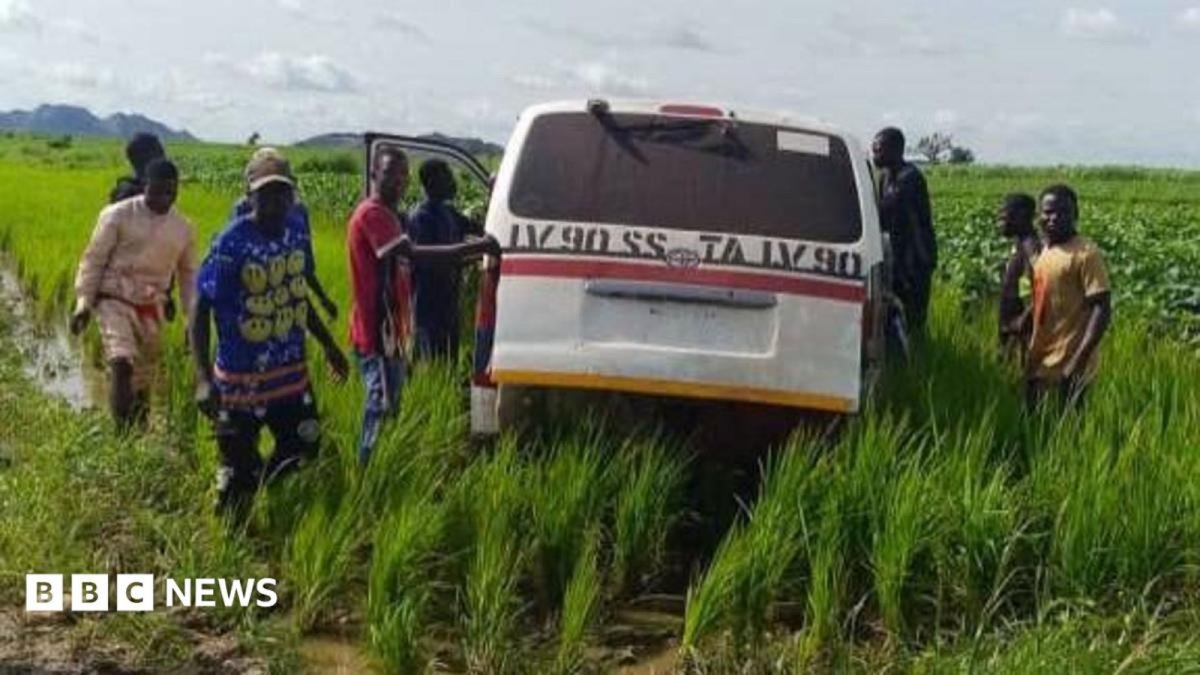
Abuja, Nigeria — Troops from the Nigerian army, working alongside police, rescued all 33 people abducted on Saturday afternoon while travelling through Zamfara state. The army said it mobilised immediately after hearing about the abduction and found the kidnappers moving their hostages to an unknown location. The gunmen fled after the military engaged them with effective fire, leaving their captives behind without casualties.
Rescue Operation in Zamfara’s Tsafe Area
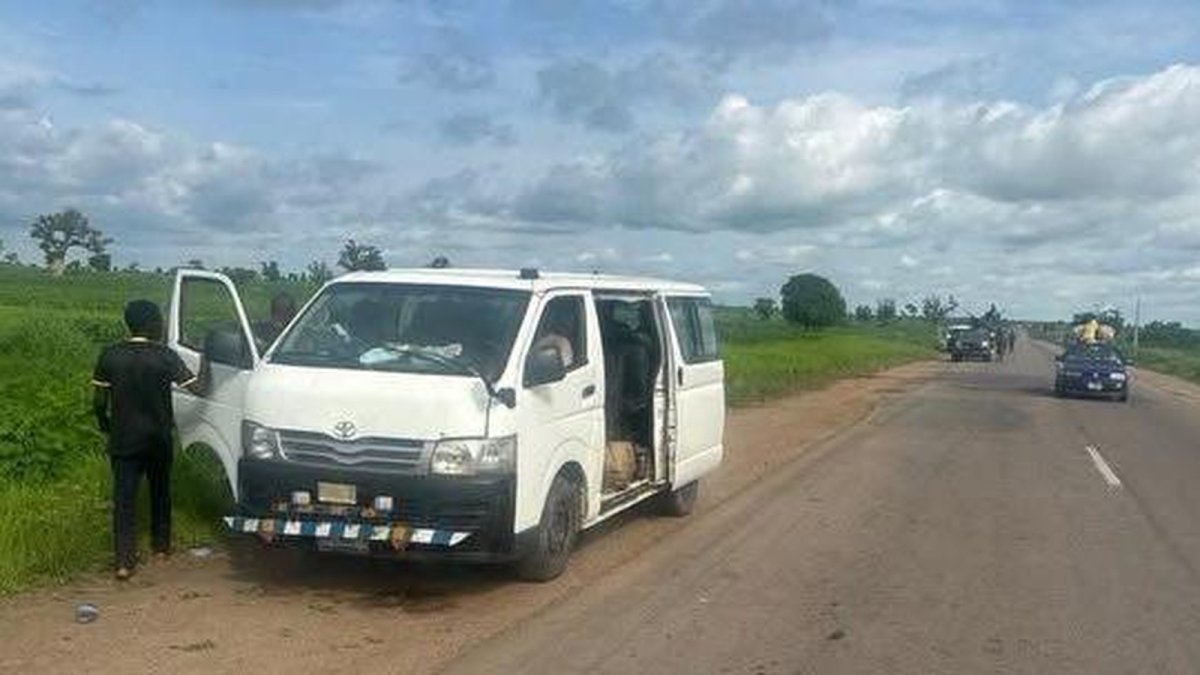
The Nigerian army said its troops moved quickly alongside police after receiving reports of an abduction on Saturday afternoon in the Tsafe area, a known route in Zamfara state. When the security forces reached the scene, they discovered the kidnappers in the process of moving the hostages to an unknown location. The gunmen opened fire, but the troops responded with “effective fire” and forced them to flee into adjoining bushes.
According to the army, all hostages were recovered with no casualties reported.
Army Spokesman Confirms Rescue, Warns Public
Nigerian army spokesman Lt-Col Aliyu Danja said it was unclear where the abductors were moving their hostages when troops intercepted them. He added that the army was now attempting to track the kidnappers who escaped into the surrounding bushes.
“The troops engaged the terrorists with effective fire, forcing them to abandon the victims and flee into adjoining bushes,” Danja said. He confirmed that all the hostages had been recovered without any casualties.
Danja also warned members of the public in the region to remain vigilant and to pass on relevant information to security forces. His comments underscore the ongoing nature of the threat, even after successful rescue operations. The statement did not mention any arrests or casualties among the kidnappers.
Ransom Kidnapping Crisis Across the North-West
Zamfara is not alone in this nightmare. The same shadowy networks of bandit gangs stretch across Katsina, Sokoto, Kaduna and Kebbi, operating from dense forest sanctuaries like the Rugu and Dansadau belts. These are not the ideological militants many confuse with Boko Haram. They are homegrown armed groups, often formed decades ago around retaliatory cattle-thefts or disputes over grazing land, that have since mutated into professional kidnapping rings. The ransom economy runs on a ruthless logic: a quick, negotiated payment beats the risk of a raid, and so businessmen, farmers, even schoolchildren become business assets. Travellers are particularly exposed. Long stretches of highway, waiting at military checkpoints, or villages accessible only by bush paths are all soft targets.
For the communities left behind, this is more than a headline. Farmers abandon fields for fear of being seized, traders lose their goods and their freedom in one swoop, and children stay home from school. The December 2020 abduction of schoolboys in Kankara, Katsina state, sent a chill across the entire north-west because it struck at the heart of every parent's hope. Rescue operations like the one in Tsafe are rare breaths of relief, but they do not yet undo the everyday anxiety of knowing that the bush still hides men watching, waiting, and counting their ransom.
Analysts say ransom payments by desperate families, intermediaries or, in some cases, Nigerian authorities have fuelled the abductions. The promise of quick payment makes kidnapping a lucrative enterprise for armed groups, despite repeated military offensives.
A Wave of Recent Security Successes
These rescues are remarkable not only for their number but for their geography. The cases that ended this week shattered the perception that mass abduction is confined to the north-west: victims were recovered in Kwara, in Niger state on the doorstep of the federal capital, and in Oyo in the south-west. The message to Nigerians is stark — no corner of the country is entirely safe from the gangs that trade in human life.
What ties these operations together is the slow, grinding work of negotiation, intelligence, and pressure. The military and police often speak of tactical success, but families too often share stories of private middlemen, quiet payments, and painful evenings haggling over a loved one's life. It suggests that security forces are learning to follow the traffic of abductions, to hit the corridors where victims are moved, and to coordinate across state borders. Yet for every headline rescue, there are quiet cases in remote villages that never reach the news. Mass abductions on potholed roads and during dawn raids remain one of the gravest threats to ordinary life in rural Nigeria.
Saturday’s rescue came amid a series of successful operations across Nigeria. On Thursday, the presidency said that more than 300 people abducted in separate attacks in Nigeria had been rescued. Those freed included 163 people abducted in an attack in February on the Woro and Nuku communities in Kwara state, where scores were killed.
At least 145 others had been taken in Niger state, according to the presidency. The announcement pointed to a pattern of large-scale abductions, often occurring on roads or in raids on rural communities.
Separately, 44 pupils and teachers abducted during a raid on a school in Oyo state were freed after more than 50 days in captivity. These cases, along with the Zamfara rescue, highlight the scale of the kidnap crisis and the pressure on security forces to deliver results.
Tinubu Announces Up to 80% Pay Raise for Soldiers
President Bola Tinubu said on Wednesday that soldiers would get a pay increase of up to 80% as the government’s “deep appreciation” of those battling the nation’s enormous security threats. The raise is part of a broader effort to support troops as they confront banditry, kidnapping and violence from various armed groups.
Behind the pay raise lies a deep and growing strain on Nigeria's soldiers. They are fighting on at least two fronts — the long-running insurgency in the north-east, where Boko Haram and its offshoots still hold ground, and the new wave of banditry and kidnapping in the north-west. Soldiers have been deployed for months, sometimes years, in remote villages far from their families, with poor shelter and rationed supplies. Morale has suffered; so has public trust. A visible increase in pay, up to eighty percent, is a clear attempt to guard against both discontent and desertion. It is also a quiet acknowledgment that no amount of new equipment means anything if the person holding it feels forgotten.
For the government, security spending is more than a budget line. It is a political test. Tinubu's administration inherited a security crisis that has outlasted many presidents, and every operation, every rescue, every sacrifice feeds into the national mood. The pay raise signals that the federal government understands its soldiers are exhausted and wants to show its appreciation in tangible form. Yet money alone cannot solve the deeper issues of strategy, intelligence gaps, or the corruption that sometimes diverts resources. Still, the announcement carries weight in barracks and marketplaces alike. When a soldier feels valued, he stands firmer at his post; when a mother sees soldiers around her village, she knows the state has at least not abandoned her.
Security Looms Over 2027 Elections
In the north-west, security is not an abstract campaign slogan. It is the difference between sleeping at home and running to a hiding place at dusk; between sending a daughter to school and keeping her close because the road is dangerous; between planting crops and leaving the field to lie fallow while bandits roam. Northern voters remember these daily fears. They remember too that previous governments made promises, while abductions kept coming. For President Tinubu's administration, the 2027 election may be won or lost not in countless political rallies, but in the simple question: can my family and I go about our lives in safety?
The recent rescues give the administration a small measure of political breathing room, a proof that pressure can yield results. But they also set the bar high. Voters will ask why, if so many can be freed after abduction, the abductions are still taking place at scale. The gap between military effort and public security remains wide, and opposition candidates will make sure the country understands it. There is also a deeper social reckoning underway. Communities that feel abandoned by the state have increasingly turned to vigilante groups and armed self-defence. Those forces can bring short-term protection, but they also risk deepening cycles of violence. The 2027 vote, then, is about more than party politics. It is about whether Nigerians believe their leaders can deliver peace — and for the north in particular, whether that peace will come in time for children to grow up without fear.
By Amara Diop, Staff Writer
This article was produced with AI-assisted research and editorial support. Sources: BBC News, Nigerian Army statements.
What's Your Reaction?
 Like
0
Like
0
 Dislike
0
Dislike
0
 Love
0
Love
0
 Funny
0
Funny
0
 Wow
0
Wow
0
 Sad
0
Sad
0
 Angry
0
Angry
0

West Africa/Sahel Correspondent at Global1.News. Dakar-based journalist covering politics, security, climate, and development across Francophone and Anglophone West Africa. Tells the stories of a region undergoing profound transformation.














Comments (0)