
Nepal-Tibet Border Disaster: 552 Dead, 1,400 Missing After Himalayan Mudslide
In the thin, brittle air of the high Himalayas, a mountain community woke to a sound no one should ever hear—a deep, rolling roar that grew into a thunderous wall of water and debris.
In the thin, brittle air of the high Himalayas, a mountain community woke to a sound no one should ever hear—a deep, rolling roar that grew into a thunderous wall of water and debris. On Wednesday, August 26, 2026, at approximately 8:40 in the morning, a catastrophic flash flood tore through the Nepal-Tibet border region, erasing entire villages in minutes and leaving a trail of devastation that has now claimed at least 552 lives, with more than 1,400 people still unaccounted for. CCTV footage captured the terrifying moment, showing a tsunami-like surge of mud, rock, and water engulfing homes, roads, and bridges along the Trishuli valley, a stark reminder of nature's raw power at the roof of the world.
Nepal-Tibet Border Disaster: 552 Dead, 1,400 Missing After Himalayan Mudslide
Bangkok, Thailand — The disaster struck with almost no warning, transforming the peaceful mountain towns of Nuwakot district, including Battar Bazar and Shanti Bazar, along with the Rasuwa area, into scenes of utter ruin. On the Chinese side, Gyirong County in Tibet's autonomous region suffered similar devastation. As rescue teams from Nepal and China work around the clock, the international community, including the United Nations, the Red Cross, and humanitarian agencies, has mobilised to support the survivors. For Thailand and the wider Southeast Asian region, this tragedy carries profound implications, touching on shared concerns about disaster resilience, mountain tourism safety, and the fragility of the infrastructure that connects our region to the great plateau of Central Asia.
A Wall of Water at the Roof of the World
The morning of Wednesday, August 26, began like any other in the mountainous borderlands between Nepal and the Tibet Autonomous Region of China. In Battar Bazar, a bustling market town in Nuwakot district, traders were setting up their stalls. In Shanti Bazar, near the epicentre of the event, workers at the Trishuli 3A hydropower project were beginning their shift. Pilgrims on buses from India were making their way toward sacred sites near the Chinese border. Then, at 8:40am, everything changed.
CCTV footage broadcast by Bangkok Post and international news agencies shows a massive wall of water and debris surging through the valley, sweeping away everything in its path. The flow, described by witnesses as "tsunami-like," was apparently unleashed by a glacier's collapse, according to initial reports, though the exact sequence of events remains under investigation. The force of the water destroyed homes, uprooted trees, and carried vehicles downstream like leaves. In the space of minutes, entire communities were reduced to rubble and mud.
The scale of the destruction is difficult to comprehend. The United Nations reports that more than 40 bridges were destroyed or badly damaged, and over 40 kilometres of road were completely wiped out. Lila Pieters Yahia, the UN resident coordinator for Nepal, described the scene: "The damage is just incredible." The Trishuli valley, a vital artery connecting Nepal to the Tibetan border, has been severed in multiple places, complicating rescue efforts and leaving remote communities isolated.
Death Toll and the Missing
As of Friday, the confirmed death toll stands at 552, with Nepal Police confirming at least 547 dead on the Nepali side and Chinese state media reporting at least five deaths in Tibet. But these numbers are far from final. More than 1,400 people remain missing on both sides of the border, including hundreds of foreign tourists who were travelling in the region when the disaster struck. The uncertainty is agonising for families waiting for news.
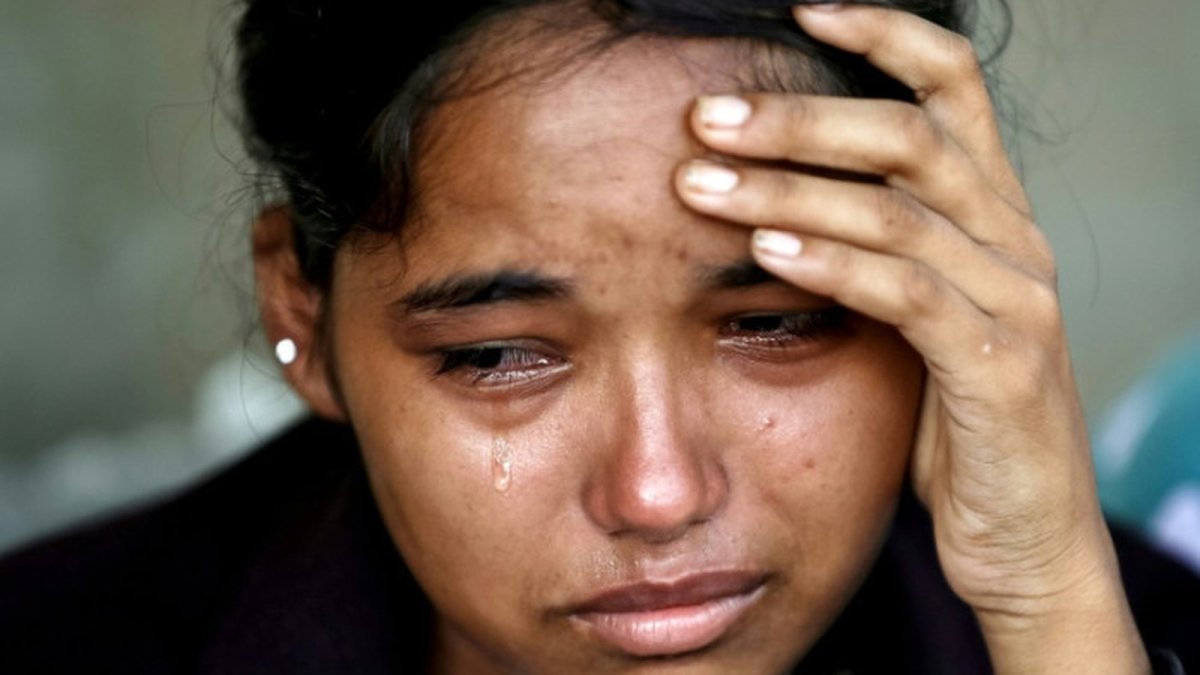
The International Federation of Red Cross and Red Crescent Societies (IFRC) estimates that at least 93,000 people have been affected by the disaster. Thousands of homes have been destroyed or significantly damaged, displacing entire communities. David Fisher, the IFRC head of delegation for Nepal, spoke of the profound psychological toll: "The trauma of this event is enormous." In a region where communities have lived for generations, the sudden loss of homes, livelihoods, and loved ones has left survivors in a state of shock.
Among the dead are at least 14 children, according to UNICEF. The agency also reports that 18 schools were destroyed and 20 more damaged, leaving an estimated 10,000 children urgently needing support to continue their education. Ricardo Pires, a UNICEF spokesman, warned that the situation would likely worsen: "Sadly, we're only seeing the beginning of this tragedy." The loss of educational infrastructure will have long-term consequences for a generation of children already living in one of the most challenging environments on Earth.
What Caused the Disaster
The exact cause of the flash flood remains under investigation, with competing explanations emerging from different sources. Nepali Foreign Minister Shisir Khanal stated that an earthquake triggered an avalanche in the Himalayas, which in turn unleashed the flash floods. This sequence of events—seismic activity, snow and ice destabilisation, and sudden water release—is a known hazard in the region, though the precise trigger has yet to be confirmed.
Bangkok Post reports that the flow was "apparently unleashed by a glacier's collapse," a phenomenon increasingly associated with climate change. As global temperatures rise, Himalayan glaciers are retreating at an alarming rate, creating unstable ice formations and glacial lakes that can burst without warning. Chinese state news agency Xinhua offered a slightly different account, reporting that a mudslide on the Nepali side spread to Gyirong County in Tibet, suggesting a more complex, cascading series of events.
Kamal Kishore, head of the UN Office for Disaster Risk Reduction, underscored the unprecedented nature of the event: "We haven't seen a mountain hazard event like this for a very, very long time." The disaster has reignited concerns about the vulnerability of high-mountain regions to climate-induced hazards, a topic of particular relevance to Thailand and Southeast Asia, where downstream river systems and regional weather patterns can be affected by changes in the Himalayan cryosphere.
Rescue Efforts: Helicopters, Tunnels and a Race Against Time
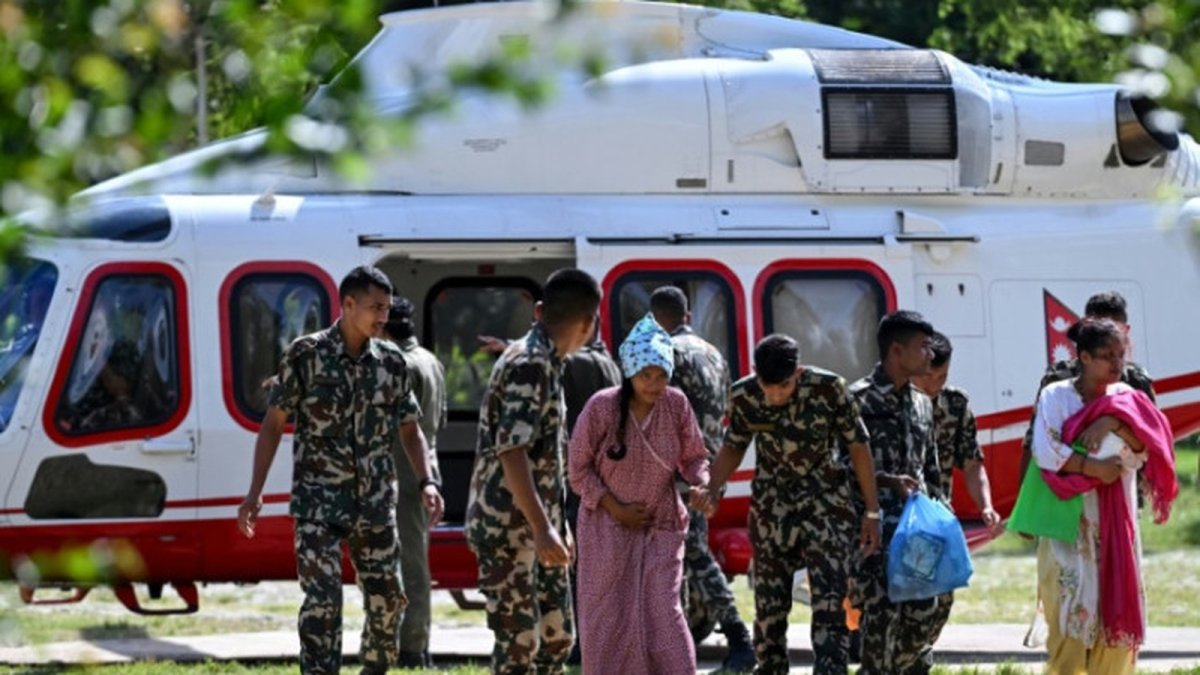
Rescue operations are underway on both sides of the border, with teams facing immense logistical challenges. Nepal's army has deployed helicopters to reach stranded survivors, but the destruction of roads and bridges has made access extremely difficult. Army spokesman Raja Ram Basnet described the challenges: two helicopters were dispatched to the Trishuli 3A hydropower project, but locating tunnel entry points proved tough. At that site, 350 workers and residents were brought to safety, but more than 100 people remain trapped in the same area.
Dam worker Dev Shrestha, who was airlifted to safety, described the horror: "There were at least 400 workers at the site. More people died than were rescued." Another worker, Buddha Tamang, survived inside a tunnel, marooned for more than 24 hours before help arrived. "The senior officers working on the other side, they were all swept away," he recalled.
On the Chinese side, rescuers from the Tibet Fire and Rescue Corps and a team from Sichuan province, comprising 21 personnel and a search dog, reached the core rescue site on Friday at approximately 4:30pm. State broadcaster CCTV reported that 555 tourists and 499 local residents had been evacuated from the Tibet side. The rescue effort was briefly halted when a debris lake began overflowing after a dam in Tibet was reported to have burst, prompting Nepal to issue a warning for people to move to higher ground. State media later said the risk was "decreasing" and that rescue operations were proceeding "in an orderly manner."
Chinese President Xi Jinping offered Beijing's help on Friday, underscoring the cooperative spirit between the two nations in the face of shared tragedy. Nepal, for its part, appealed for international financial assistance but stated that it was coping without foreign rescue teams. Foreign ministry spokesman Lok Bahadur Chhetri explained: "It is not that we will not need help, but our security network is capable and working effectively right now. If Nepal needs any specialised help or expertise, then we will request it."
Survivors' Harrowing Accounts
The stories emerging from survivors paint a picture of chaos, terror, and remarkable bravery. Sivaranjani Muthunathan, 46, was on a bus carrying 56 pilgrims from Tamil Nadu, India, heading to the Chinese border when the flood struck. "One by one, we also climbed out through the driver's side," she told AFP, describing how the group then scrambled up a hill to escape the rising water. Vijayabhuvaneshwari, 53, recalled the sheer randomness of survival: "We had no choice. Every vehicle in front of us, behind us, was gone."
In an act of extraordinary heroism, Poonguzhali Ponmambadan, 61, unwrapped her sari and used it as a rope-harness to lift elderly pilgrims to safety. Her quick thinking and selflessness saved lives that day, a testament to the human spirit in the face of overwhelming adversity. Indian engineer Ananay Sharma, 29, described emerging from the chaos to find a transformed landscape: "When I came out, everything was gone, only the river remained."
Engineer Gorakh Khatka, who was at Shanti Bazar near the epicentre, recounted the terrifying speed of the event: "All we got to react was 20 seconds before mud and water was as high as 20 feet (six metres) in the inundated area. We ran for our lives and spent more than 48 hours on a hill before help finally arrived." His account underscores the near-total lack of warning that preceded the disaster, a critical lesson for disaster preparedness efforts across the region.
Humanitarian Response: Red Cross, UN, UNICEF and WHO
The humanitarian response is mobilising rapidly, with international agencies working alongside Nepali and Chinese authorities to address the immense needs. The IFRC is coordinating relief efforts, focusing on providing shelter, clean water, and psychosocial support to the thousands of displaced survivors. David Fisher of the IFRC highlighted the need for long-term mental health support alongside immediate material assistance for survivors.
The United Nations is playing a central role in the response. UN aid chief Tom Fletcher stated that the UN is "moving at speed to save lives," with drinking water being airlifted to affected communities. The destruction of water infrastructure has created an urgent public health risk, with the potential for waterborne diseases to spread among vulnerable populations. The UN's Office for Disaster Risk Reduction is also closely monitoring the situation, given the unprecedented nature of the event.
UNICEF is focusing on the needs of children, who are among the most vulnerable in any disaster. With 18 schools destroyed and 20 damaged, the agency is working to establish temporary learning spaces and provide psychosocial support to traumatised children. Ricardo Pires warned that the full scale of the tragedy is only beginning to emerge: "Sadly, we're only seeing the beginning of this tragedy." The World Health Organization (WHO) is also on the ground, with eight health workers missing and six health facilities damaged. The agency has delivered surgical masks, gloves, and body bags to support the response, according to spokesman Tarik Jasarevic.
In a grim reminder of the disaster's reach, India recovered seven bodies from rivers flowing from Nepal, believed to be flood victims. The transboundary nature of the disaster highlights the interconnectedness of the region's river systems and the need for coordinated regional responses to such events.
Implications for Thailand and Southeast Asia
For Thai and Southeast Asian readers, this disaster carries multiple layers of significance. Nepal is a popular destination for Thai and regional travellers, drawn by its majestic mountains, spiritual heritage, and trekking opportunities. The disaster serves as a stark reminder of the fragility of Himalayan mountain tourism infrastructure. What happens when the very landscape that attracts visitors turns against them? The loss of hundreds of foreign tourists in this event will reverberate through the regional travel industry, prompting questions about safety protocols, insurance coverage, and emergency response capabilities in remote mountain areas.
The disaster also underscores the importance of regional disaster-response cooperation. ASEAN has developed frameworks for disaster management and emergency response, but events like this test the limits of those mechanisms. The ability to mobilise resources quickly across borders, share early-warning information, and coordinate rescue efforts is critical in a region prone to natural hazards. Thailand, with its own experience of devastating floods, including the 2011 Bangkok floods, understands the importance of robust early-warning systems and community preparedness. The lessons from this Himalayan disaster will likely inform regional discussions on strengthening resilience.
There are also implications for overland trade routes toward China and regional connectivity. The destruction of roads and bridges along the Nepal-Tibet border has severed a key artery for trade and movement. For Southeast Asia, which is increasingly looking to expand connectivity with China through initiatives like the Belt and Road, this disaster highlights the vulnerability of mountain infrastructure to climate-related hazards. Investments in such routes must account for the growing risks posed by glacial melt, landslides, and extreme weather events.
For travellers from Thailand and the region, the disaster is a sobering reminder of the need for vigilance and preparation when visiting high-mountain destinations. It is essential to check weather and safety advisories, travel with reputable operators, and have contingency plans in place. The Thai Ministry of Foreign Affairs and the Royal Thai Police have protocols for assisting Thai citizens abroad in emergencies, and travellers are encouraged to register with their embassies when visiting remote areas.
What to Watch For
In the coming days and weeks, several developments will be closely watched. First, the death toll is expected to rise as search and rescue teams reach more remote areas and the missing are accounted for. The identification and repatriation of foreign tourists will be a sensitive and complex process, requiring international cooperation. Second, the investigation into the cause of the disaster will continue, with scientists studying the role of climate change, glacial dynamics, and seismic activity. The findings will have implications for disaster risk reduction policies across the Himalayan region.
Third, the humanitarian response will evolve from emergency relief to long-term recovery and reconstruction. The rebuilding of homes, schools, roads, and bridges will take years and require substantial international support. The psychological recovery of survivors, particularly children, will be a long and difficult process. Fourth, the political and diplomatic dimensions will unfold, with Nepal's appeal for international financial assistance and China's offer of help shaping the bilateral relationship. The disaster may also prompt renewed discussions on transboundary water management and cooperation in the Hindu Kush-Himalaya region.
Finally, for Thailand and Southeast Asia, the disaster will likely spur conversations about regional disaster resilience, climate adaptation, and the safety of mountain tourism. As the region's economies and communities become increasingly interconnected, the ability to respond to and recover from such events will be a defining challenge of our time. The images from the Nepal-Tibet border are a stark reminder that nature's power is beyond human control, but our preparedness, cooperation, and compassion can make a difference in the face of tragedy.
As the sun rises over the Himalayas, the people of Nepal and Tibet begin the long and painful journey of recovery. They do so with the support of the international community, including neighbours in Southeast Asia who understand all too well the devastation that nature can unleash. In the words of the IFRC's David Fisher, "The trauma of this event is enormous," but so too is the resilience of the human spirit. For the survivors, for the families of the missing, and for all of us who watch from afar, the hope is that from this devastation will come a renewed commitment to protecting the most vulnerable and building a more resilient future for all.
By Ann Srisawat, Staff Writer
This article was produced with AI-assisted research and editorial support. Sources: Bangkok Post, AFP, Reuters, Xinhua, IFRC, UN, UNICEF, WHO.
What's Your Reaction?
 Like
0
Like
0
 Dislike
0
Dislike
0
 Love
0
Love
0
 Funny
0
Funny
0
 Wow
0
Wow
0
 Sad
0
Sad
0
 Angry
0
Angry
0

Southeast Asia Correspondent at Global1.News. Based in Bangkok, covering Thai and Southeast Asian politics, economy, technology, and culture. Deep regional perspective on one of the world's most dynamic regions.














Comments (0)