
Michoacán Avocado Ban Hits Families as US Halts Imports
Everyday Families Face Uncertainty in Avocado Heartland The suspension of USDA inspections in Michoacán has sent ripples through rural communities where avocado orchards sustain entire colonias. Families who have tended trees for generations now wonder how long their harvests will sit in packing houses without certification for the US market. Small growers in the Uruapan and Tancítaro regions describe the news as another blow to their already tight budgets.
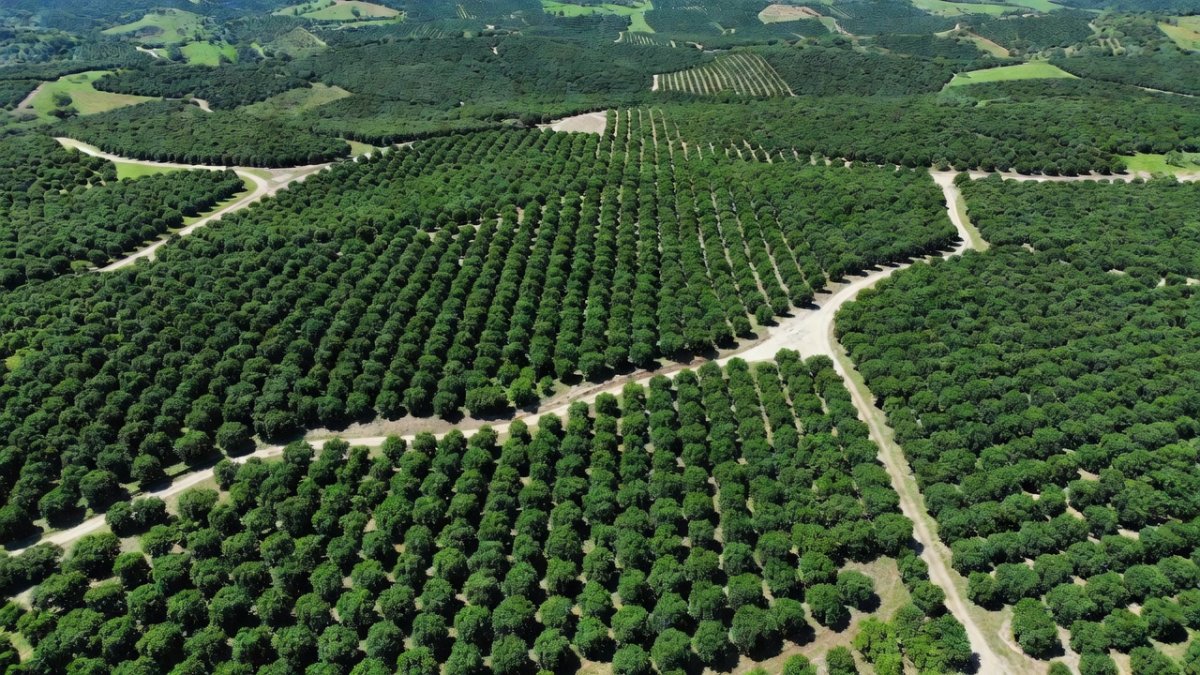
Everyday Families Face Uncertainty in Avocado Heartland
The suspension of USDA inspections in Michoacán has sent ripples through rural communities where avocado orchards sustain entire colonias. Families who have tended trees for generations now wonder how long their harvests will sit in packing houses without certification for the US market.
Small growers in the Uruapan and Tancítaro regions describe the news as another blow to their already tight budgets. Many rely on weekly payments from packers to cover school fees and medical costs for their children.
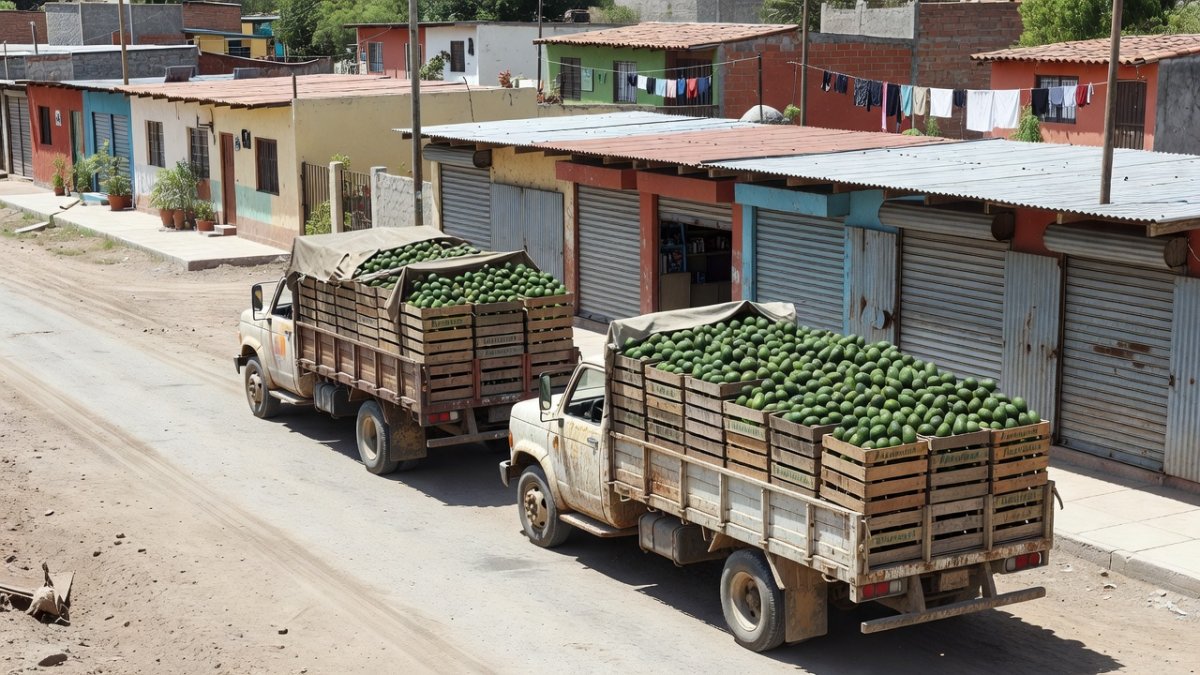
Truckers who transport the fruit to ports report canceled routes and idle vehicles parked along dusty roads. These workers, often from ejido communities, fear the pause could stretch into weeks without clear timelines from either government.
Local tianguis vendors who sell secondary products like avocado oil and soaps also feel the pinch as supply chains slow. The community spirit that usually fills harvest festivals now carries quiet conversations about resilience and waiting.
Across Michoacán, the avocado trade functions as the backbone for multigenerational households, where income from the orchards funds everything from home repairs to community festivals. When inspections halt, the uncertainty spreads beyond immediate growers to include schoolteachers and local mechanics who depend on steady circulation of wages in these rural economies.
Security Deployment Aims to Restore Operations Quickly
Michoacán Governor Alfredo Ramírez Bedolla announced the deployment of 300 state security operatives alongside 1,500 federal troops to the avocado belt following the US announcement on August 5, 2026. The move coordinates with SEDENA and Guardia Nacional units already active in the region.
Officials emphasize that past suspensions ended once safety protocols strengthened around inspection sites. The governor stated the priority remains creating conditions for USDA personnel to return and resume normal certification work.
SSPC coordination with state forces focuses on protecting both Mexican workers and any returning US inspectors. Community leaders in affected pueblos have welcomed the visible presence while urging continued dialogue with local ejido assemblies.
Residents note that similar troop movements in prior years helped stabilize the area enough for exports to restart within weeks. Families hope the current effort follows that pattern without prolonged disruption to daily life.
The Sheinbaum administration's approach integrates SEDENA, Guardia Nacional, and SSPC resources to address localized threats while maintaining operational continuity for key export sectors. This layered strategy reflects broader efforts to balance immediate security needs with the long-term stability required by agricultural communities that have faced recurring challenges from organized crime.
Economic Stakes Touch Millions Across Both Nations
Mexico supplies roughly 80 percent of US avocado imports, with Michoacán producing the bulk of that volume. The 2025 export value reached 3.65 billion dollars, and early 2026 figures showed a 35 percent increase over the prior year.
Approximately 200,000 jobs in the state depend directly on the avocado sector, from field workers to packers and transporters. A prolonged halt would strain household incomes in areas where few other industries offer comparable wages.
US consumers could face higher prices at supermarkets if supplies tighten, though Mexican officials stress the suspension targets only government operations rather than private trade flows. SRE channels remain open for diplomatic discussions on resuming inspections.
Small business owners who supply equipment and fertilizers to growers already report reduced orders. The interconnected economy of the region means even brief pauses affect far more than the orchards themselves.
The 35 percent growth recorded early in 2026 underscored how quickly the sector can expand when conditions remain stable, yet any extended interruption risks reversing those gains for the families and small enterprises that form the supply chain's foundation. Michoacán's position as the primary source of US avocados amplifies these effects across supermarket shelves and restaurant menus throughout the United States.
Historical Disruptions Show Pattern of Quick Recovery
Similar inspection halts occurred in February 2022 after a threat to a USDA inspector and again in June 2024 following assaults on personnel. In both cases, strengthened security allowed operations to resume within weeks.
The current action stems from an unspecified threat tied to recent arrests in an extortion probe, according to statements from the US Embassy and Governor Ramírez Bedolla. No details on the exact nature of the risk have been released publicly.
Sheinbaum administration strategies continue to emphasize federal-state coordination through SSPC and SEDENA to address violence linked to organized crime. Avocado regions have seen repeated cycles of tension and stabilization over the past decade.
Growers associations recall how previous pauses ended once local authorities increased patrols around packing facilities. This history gives families cautious optimism that the current deployment will produce similar results.
The February 2022 and June 2024 episodes demonstrated that targeted security enhancements around inspection points can restore confidence rapidly, allowing the flow of fruit to resume without long-term damage to market relationships. Communities in Michoacán have learned to prepare contingency plans during these periods while maintaining focus on the eventual return to full operations.
Path Forward Centers on Dialogue and Community Safety
Governor Ramírez Bedolla has pledged ongoing talks with federal counterparts and US representatives to restore inspections as soon as conditions allow. The focus remains protecting personnel while keeping the economic lifeline open for Michoacán residents.
Community organizations in the avocado belt are organizing meetings to share information and support affected families. These gatherings echo the collective spirit that has helped the region weather past challenges.
SEDENA and Guardia Nacional presence is expected to remain flexible, scaling back only after clear improvements in the security environment. Officials have avoided setting firm dates, stressing measured progress instead.
Ultimately, the green gold that defines Michoacán's identity continues to link Mexican campesinos with US dinner tables. Families across the state watch developments closely, drawing strength from their shared history of adaptation and endurance.
Local assemblies continue to emphasize that sustainable solutions require ongoing engagement between growers, state authorities, and federal agencies to prevent future disruptions. This collaborative approach has proven essential in previous cycles, helping communities maintain both safety and economic momentum.
Avocado Trade Strengthens Enduring US-Mexico Bonds
The avocado sector serves as a tangible example of how agricultural exports underpin broader diplomatic and economic ties between the two nations. Michoacán's production directly supports US market demand while providing stable employment for thousands of families who view the orchards as central to their way of life.
Organizations such as APEAM represent the collective interests of producers and packers, facilitating the coordination necessary for consistent supply across the border. Their role highlights the institutional framework that has allowed the trade to grow despite periodic security concerns.
For many in Michoacán, the phrase green gold captures both the financial importance of the crop and its deep connection to regional identity, where orchards shape landscapes and community traditions alike. Disruptions therefore affect not only income but also the cultural continuity that binds generations of growers.
Continued coordination between Mexican security forces and US inspection requirements illustrates the practical interdependence that characterizes this bilateral relationship. Families in the avocado belt remain hopeful that measured responses will once again allow the trade to proceed smoothly, preserving livelihoods on both sides of the border.
Tags: Michoacán avocado, US imports suspension, green gold economy, Ramírez Bedolla, USDA inspections, family growers, SEDENA security, Sheinbaum strategy
By Rosa Martinez, Staff Writer
This article was produced with AI-assisted research and editorial support. Reporting is based on sources cited in the article.
What's Your Reaction?
 Like
0
Like
0
 Dislike
0
Dislike
0
 Love
0
Love
0
 Funny
0
Funny
0
 Wow
0
Wow
0
 Sad
0
Sad
0
 Angry
0
Angry
0

Latin America/Andes Correspondent at Global1.News. Based in Bogota, covering politics, environment, energy, and social movements across the Andean region. Passionate about environmental journalism and communities protecting their land.














Comments (0)