
LPG price hike, pump price rollback seen
LPG prices will rise in August as the DOE announces adjustments amid Middle East tensions; supply is stable at 35.77 days as of July 24. Small diesel and gasoline rollbacks are expected next week, though recent hikes still squeeze families, jeepney drivers, and sari-sari stores.
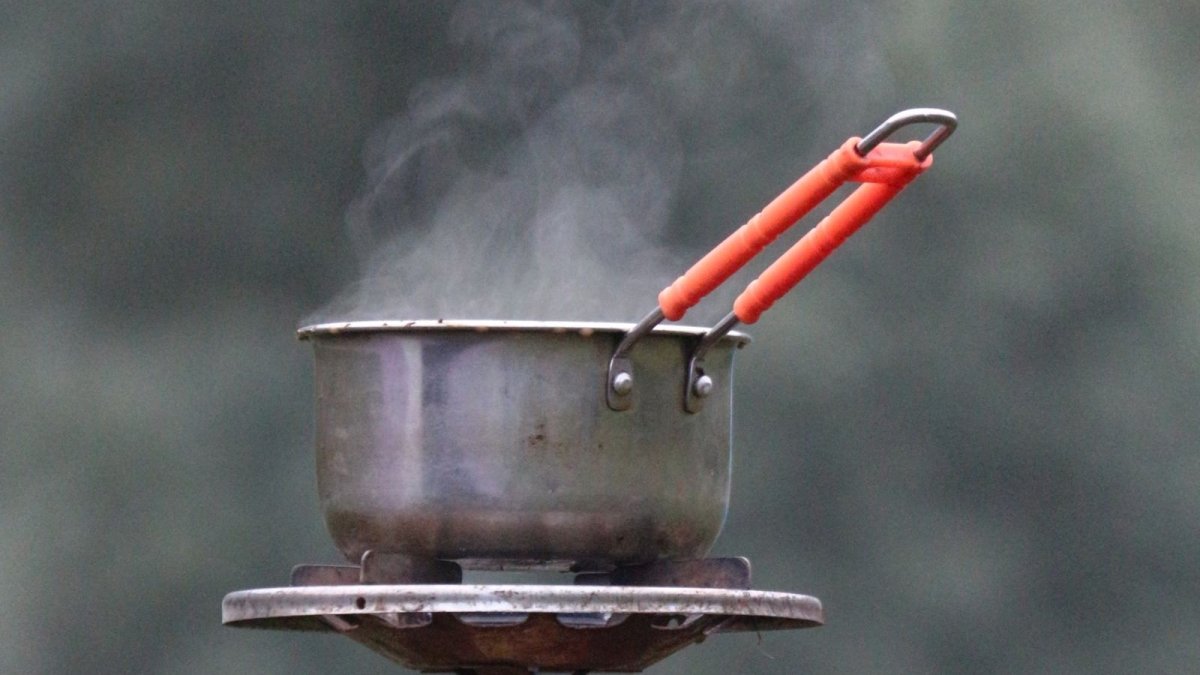
LPG price hike, pump price rollback seen
LPG Prices Poised for August Increase
Prices of liquefied petroleum gas are set to rise in August amid renewed tensions in the Middle East. Republic Gas Corp. president Arnel Ty shared this outlook during an appearance on "Money Talks" on One News, noting that the Department of Energy will announce the adjustments in the coming days.
Ty assured the public that LPG supply remains stable across the country. As of July 24, the Department of Energy reported that available stocks can last 35.77 days. Vendors have been sourcing supplies from non-traditional countries such as the United States to maintain this buffer.
Industry observers note that even with diversified sourcing, global crude movements can still influence local LPG costs through shipping and refining expenses. Philippine importers often adjust contracts quarterly, which means households may see the effects of recent international shifts only after several weeks. This lag gives families and small businesses a brief window to prepare budgets before the next round of adjustments takes effect.
Expected Rollbacks at the Pump
A potential price cut of P0.50 to P1 per liter for diesel and P1 to P1.50 per liter for gasoline can be expected next week. Jetti Petroleum president Leo Bellas based these projections on the four-day average movement of foreign exchange rates and the Mean of Platts Singapore benchmark.
Bellas noted that oil prices eased earlier due to cautious optimism over the US-Iran conflict, which helped temper concerns over geopolitical risks. These movements offer a small measure of relief after recent sharp increases at the pumps.
Analysts emphasize that such rollbacks remain modest compared with the cumulative rises seen in prior months. For tricycle and jeepney operators who track daily fuel expenses closely, even a peso or two per liter can influence route planning and passenger fares over time. The Department of Energy continues to publish weekly advisories so drivers can anticipate these small changes and adjust accordingly.
Stable Supply Amid Geopolitical Tensions
Ty emphasized that the industry is no longer dependent on Middle East supply alone. By diversifying sources, importers have helped keep LPG stocks steady even as tensions flare abroad. The Department of Energy continues to monitor inventory levels closely to support households and small businesses.
This approach reflects broader efforts by Philippine energy officials to build resilience. Local government units and barangay leaders often coordinate with suppliers during price shifts to help communities prepare, especially in areas where many families rely on LPG for daily cooking.
Supply chain managers highlight that long-term contracts with suppliers from the United States and other regions help cushion sudden disruptions. Still, any prolonged conflict can raise freight costs that eventually reach local terminals. Communities in provinces far from major ports feel these added expenses more sharply because of extra transport legs needed to reach sari-sari stores and refilling stations.
Recent Price Adjustments and Current Levels
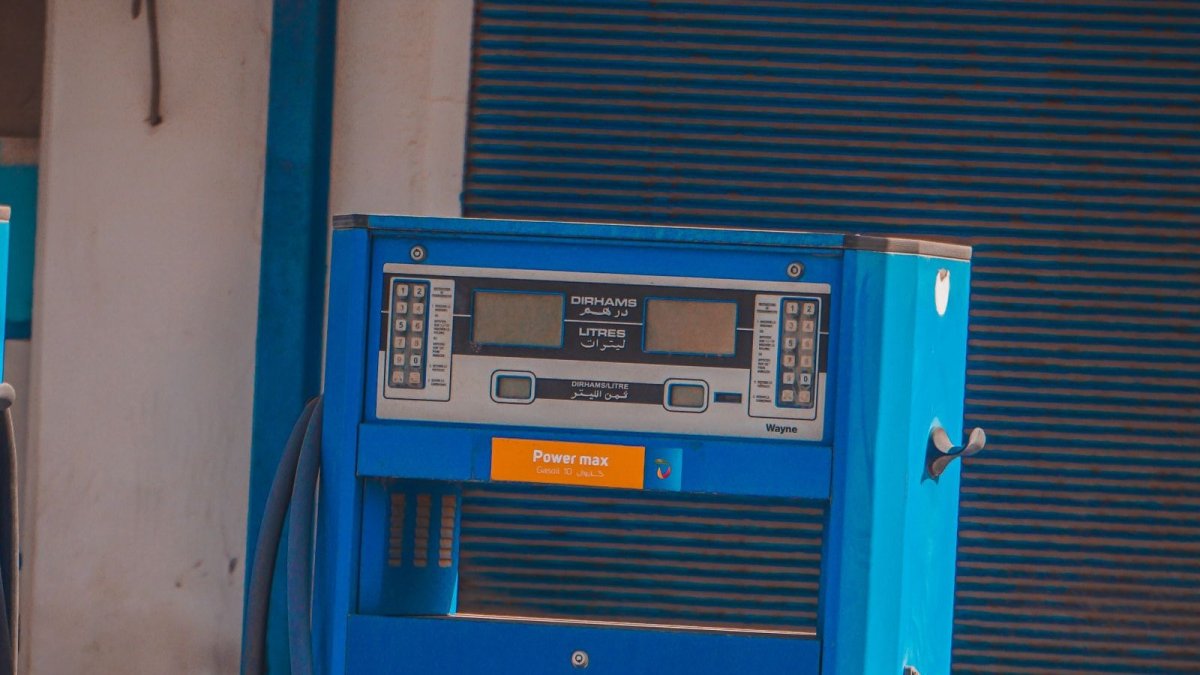
This week, major oil companies raised gasoline prices by P6.80 per liter, diesel by P7.30 per liter, and kerosene by P4.20 per liter. Following these changes, gasoline in Metro Manila now ranges from P76.40 to P106.50 per liter, while diesel reaches as high as P106.60 per liter.
Kerosene prices also climbed further and now range from P103.20 to P138.30 per liter. These adjustments come at a time when many households are already managing tight budgets ahead of the new school year.
Food vendors who rely on kerosene for portable stoves report that even small increases compound quickly when they operate daily. In urban markets, operators often compare prices across several stations before refilling to keep margins intact. The timing of these hikes coincides with back-to-school purchases, forcing many parents to prioritize between fuel, uniforms, and textbooks.
Impact on Filipino Households and Communities
Ordinary Filipino families feel these shifts most directly. A sari-sari store owner who refills her LPG tank each month will soon face higher costs for preparing food and keeping her small business running. Jeepney drivers, who already watch every peso at the pump, may see only modest relief from the expected gasoline and diesel rollbacks.
Barangay captains and local officials often hear from kapitbahay about how rising cooking gas prices affect meal planning and family gatherings. With the school year approaching, parents balancing tricycle fares, uniforms, and daily meals must stretch resources even further when LPG costs climb.
Many households in rural barangays share stories of adjusting traditional recipes to use fewer pots or cooking larger servings on weekends. These small changes help preserve the remaining gas until the next refill. Community leaders note that such adaptations reflect the practical side of bayanihan, where neighbors exchange tips on stretching limited resources during uncertain periods.
What This Means for Families
For many households, the upcoming LPG increase means rethinking weekly spending. Families may cook larger batches less often or turn to alternative methods to stretch each tank. Sari-sari store owners could pass on small price adjustments to customers buying cooked food or snacks.
Jeepney drivers and tricycle operators stand to gain slightly from the projected diesel and gasoline cuts, though the amounts remain modest compared with recent hikes. The Department of Energy and Department of Trade and Industry continue to track these movements, while communities lean on bayanihan spirit to share tips on conserving fuel during tight times.
Practical steps include checking current prices at different refilling stations, planning meals around fewer cooking sessions, and coordinating with neighbors for bulk purchases where possible. LGUs sometimes organize information drives to help residents understand upcoming adjustments and available support programs.
These price movements highlight how global events reach Filipino kitchens and roads. While supply appears steady for now, families across the archipelago will continue to monitor announcements from the Department of Energy for the clearest picture of what lies ahead.
Global Forces, Local Kitchens
International crude oil prices and developments in the Middle East influence Philippine pump and LPG costs through established import channels. Local companies purchase refined products based on benchmarks such as the Mean of Platts Singapore, then add freight, foreign exchange, and distribution expenses before reaching consumers. Because the Philippines imports most of its fuel needs, even distant geopolitical events can translate into higher refilling costs within weeks.
Pass-through pricing means that changes in global benchmarks appear at local stations after a short delay. When tensions rise, importers often secure cargoes earlier or from alternative origins, yet added shipping fees still factor into final retail prices. This mechanism explains why families notice gradual increases at sari-sari stores and gasoline stations even when the original conflict remains far from Philippine shores.
Coping With Higher Costs
Households can manage upcoming LPG adjustments by planning meals that require fewer cooking sessions and preparing larger batches on days when gas use is concentrated. Comparing prices at several refilling stations before committing to a full tank often yields small savings, especially for sari-sari store owners who cook food items daily. Some vendors coordinate with nearby kapitbahay to split bulk purchases, reducing the number of individual trips and associated transport costs.
Jeepney and tricycle drivers can adopt steady driving speeds and avoid unnecessary idling to stretch each liter of diesel or gasoline. Checking tire pressure regularly and maintaining engines also help limit fuel consumption during long routes. Local government units occasionally hold information sessions where residents learn about current price trends and simple conservation methods that fit daily routines.
These adjustments allow families and small businesses to navigate price movements without major disruptions to routines. While global factors remain beyond local control, consistent monitoring of Department of Energy updates combined with community-level sharing of practical habits supports steadier budgeting through the coming months.
By Bella Reyes, Staff Writer
This article was produced with AI-assisted research and editorial support. Reporting is based on sources cited in the article.
What's Your Reaction?
 Like
0
Like
0
 Dislike
0
Dislike
0
 Love
0
Love
0
 Funny
0
Funny
0
 Wow
0
Wow
0
 Sad
0
Sad
0
 Angry
0
Angry
0

Philippines/Southeast Asia Correspondent at Global1.News. Manila-based journalist covering Philippine politics, environment, maritime security, and social issues. Passionate about marine conservation and the communities protecting the Philippines' natural heritage.














Comments (0)