
London's ULEZ Linked to Improved Lung Growth in Children, Study Finds
A landmark study of more than 3,400 children shows London's Ultra Low Emission Zone restored lung growth stunted by traffic pollution, with children's lung capacity matching Luton's within five years of the zone's introduction.
For the first time, a landmark study has demonstrated that the health damage caused by traffic pollution in children's lungs can be reversed. The five-year CHILL study, published in The Lancet Public Health, compared lung development in more than 3,400 children in London and Luton, and found that the capital's Ultra Low Emission Zone (ULEZ) delivered measurable, life-changing benefits.
'It's Never Too Late': Landmark Study Shows ULEZ Reversed Lung Damage in London's Children
London, UK – 19 August 2026 — The political war over London's Ultra Low Emission Zone has been reframed by science. A major study funded by the National Institute for Health and Care Research (NIHR) has concluded that the ULEZ, introduced by Sadiq Khan in April 2019, not only cut toxic air but physically improved the lung capacity of thousands of primary school children. The findings, published in The Lancet Public Health, provide the strongest evidence yet that bold environmental policy can undo the physiological harm inflicted on young bodies by decades of diesel and petrol fumes.
The CHILL Study: How the Research Was Conducted
The Children's Health in London and Luton (CHILL) study, led by Queen Mary University of London (QMUL) in collaboration with Imperial College London, the Universities of Bedfordshire, Oxford, Edinburgh, Cambridge and the University of Southern California, tracked children aged six to nine across 84 primary schools. Crucially, the researchers used Luton as a control town — a comparable urban environment with similar traffic-related pollutants but no clean air zone. Between 2018 and 2022, scientists conducted annual school visits, monitoring lung health before and after the ULEZ came into force.
The design was deliberate. By comparing London with Luton, the team could isolate the effect of the ULEZ from broader national trends in air quality. Professor Chris Griffiths, joint senior author and Professor of Primary Care at the University of Oxford and QMUL, said: "Traffic pollution in cities damages children's health and development. We provide the strongest evidence yet on how these harms can be prevented."
What the Data Shows: Lung Capacity, NO2 and Impaired Function
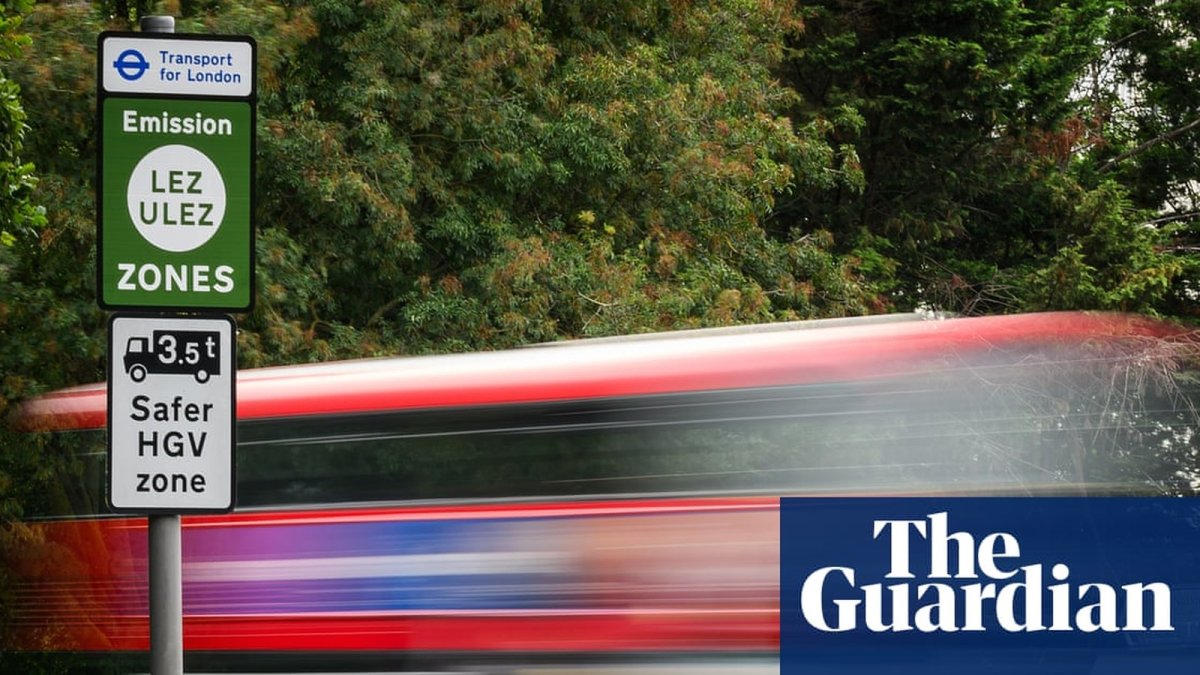
The results are striking. Before the ULEZ, London children had significantly smaller lungs than their counterparts in Luton. Within five years of the zone's introduction, that gap had closed entirely. The study measured forced expiratory volume in one second (FEV1) — a standard test of lung function — and found that as nitrogen dioxide (NO2) exposure fell twice as fast in London as in Luton, London children gained an additional 10ml of lung capacity per year compared with their Luton peers.
By the end of the study period, lung capacity was equal across both groups. The proportion of London children with clinically impaired lung function fell from 14% to 9%, while in Luton it dropped only marginally from 9% to 7%. Helen Wood, research fellow at QMUL and lead author, put it plainly: "We already knew that the ULEZ reduced air pollution but now we know that children's lung health has improved at the same time."
The significance of these figures cannot be overstated. Previous research has shown that by age eight or nine, children from the most polluted areas had 5-10% less lung capacity than their peers. Failure to reach full lung capacity in early adulthood is linked to an increased risk of asthma, cardiovascular disease and premature death. This study demonstrates that deficit is not a life sentence.
Sadiq Khan and the Politics of the ULEZ
The Mayor of London did not hide his vindication. Writing in The Guardian on Tuesday 18 August, Khan acknowledged the political cost of the policy: "Introducing and expanding the ULEZ involved some incredibly difficult decisions. I never took them lightly, but I knew that – as mayor – I could not stand by while Londoners young and old lost their lives to a problem it was within my power to solve."
He went further, taking aim at his critics. "For years, politicians and pundits opposed to the ULEZ have cynically sought to turn questions of public health into a crude culture war. Today, though, it's clear that we're winning the battle against toxic air in the capital – and it's London's children who are reaping the rewards." Speaking to Metro, he added: "No child should have their future health limited by the air they breathe. Today's landmark independent report provides yet more compelling evidence that the London ULEZ, the world's biggest clean air zone, is working and has been a huge success – showing it's never too late to act against the devastating effects of air pollution."
The policy, which charges drivers of the most polluting vehicles to enter the capital, was expanded to all London boroughs in August 2023 — a move that provoked fierce opposition from some outer London residents, small businesses reliant on older vans, and low-income households who argued the daily fee was an unfair burden. The study does not address those distributional concerns, but it does reframe the debate: what was once dismissed as a "war on motorists" is now evidenced as a public health intervention with measurable results.
Scientific Reaction: Breakthrough and Caution
The scientific community has greeted the findings with cautious enthusiasm. Ian Mudway, associate professor in the School of Public Health at Imperial College London and joint senior author, said: "Air pollution is a global issue. If we want to improve the lives of children living in high-traffic urban environments, we need bold and ambitious measures. Our data demonstrates that clean air zones can be an effective public health intervention to prevent damage to developing lungs."
Professor Lucy Chappell, Chief Scientific Adviser at the Department of Health and Social Care and CEO of the NIHR, praised the scale of the research: "This research, funded by NIHR, will provide crucial evidence on real-life interventions that deliver life-changing health benefits for children. I would like to thank the 3,400 children and their families who took part."
However, not everyone is fully convinced. Stephen Burgess, professor of biostatistics at the University of Cambridge, who was not involved in the study, cautioned that it was not entirely clear the changes were attributable to the ULEZ as opposed to other factors — such as the impact of the Covid-19 pandemic on pollution levels. "Nevertheless," he said, "the finding is important because lung function in childhood is an important measure of health, and the study provides encouraging evidence that changes in the urban environment may benefit children's lung development."
The Human Impact: Families and Children Across the UK
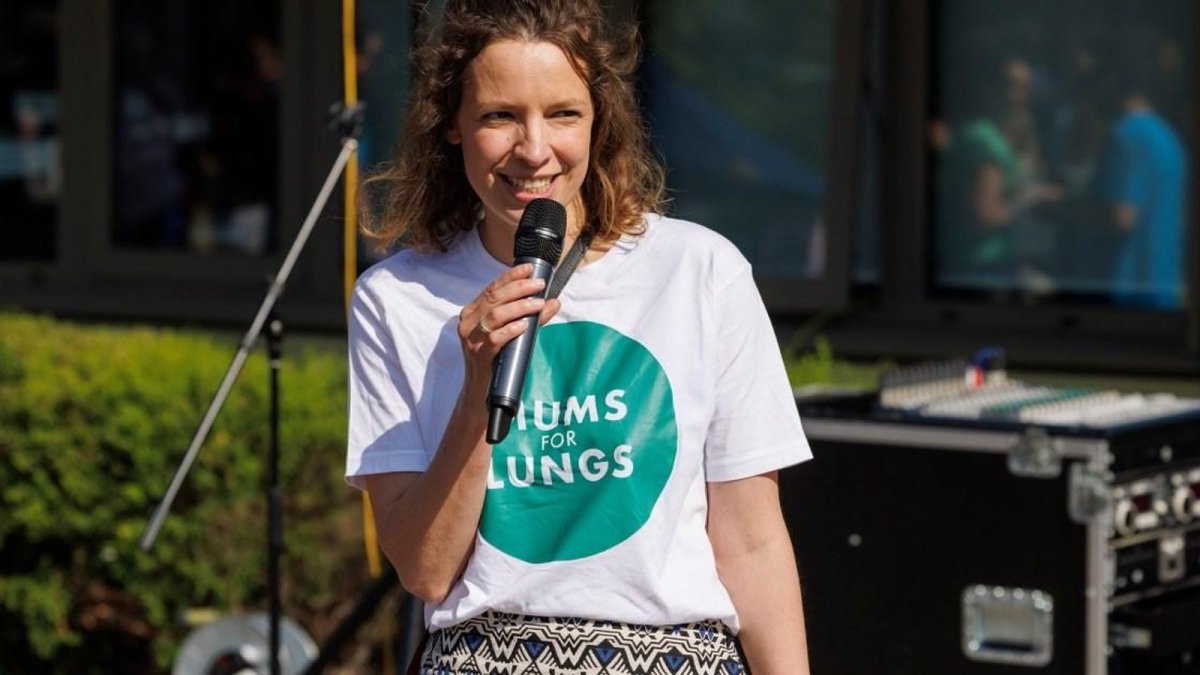
For parents who campaigned for cleaner air, the study is deeply personal. Jemima Hartshorn, founder of Mums for Lungs, set up the campaign group in 2017 after reading that air pollution could stunt the lung growth of her newborn son. Her two children are now aged seven and ten — both have lived their entire primary school years under the ULEZ. "This is fantastic news," she said. "It gives me real reassurance that it is never too late to clean up the air. To hear that any damage my children may have had is outweighed by ULEZ is such a massive relief."
Hartshorn also turned her attention to national politics. "This is more than ever a call to action for city leaders and the new Prime Minister Andy Burnham," she said. "If he wants to truly set Britain on path to growth, we need cleaner air, less diesel, a phase out of domestic burning, and real action to clean out our cities and towns." The reference to Burnham is pointed: the new Prime Minister — the former Greater Manchester Mayor — will be watched closely by clean air advocates to see whether the ULEZ model is exported beyond the capital.
What This Means for the UK and Cities Worldwide
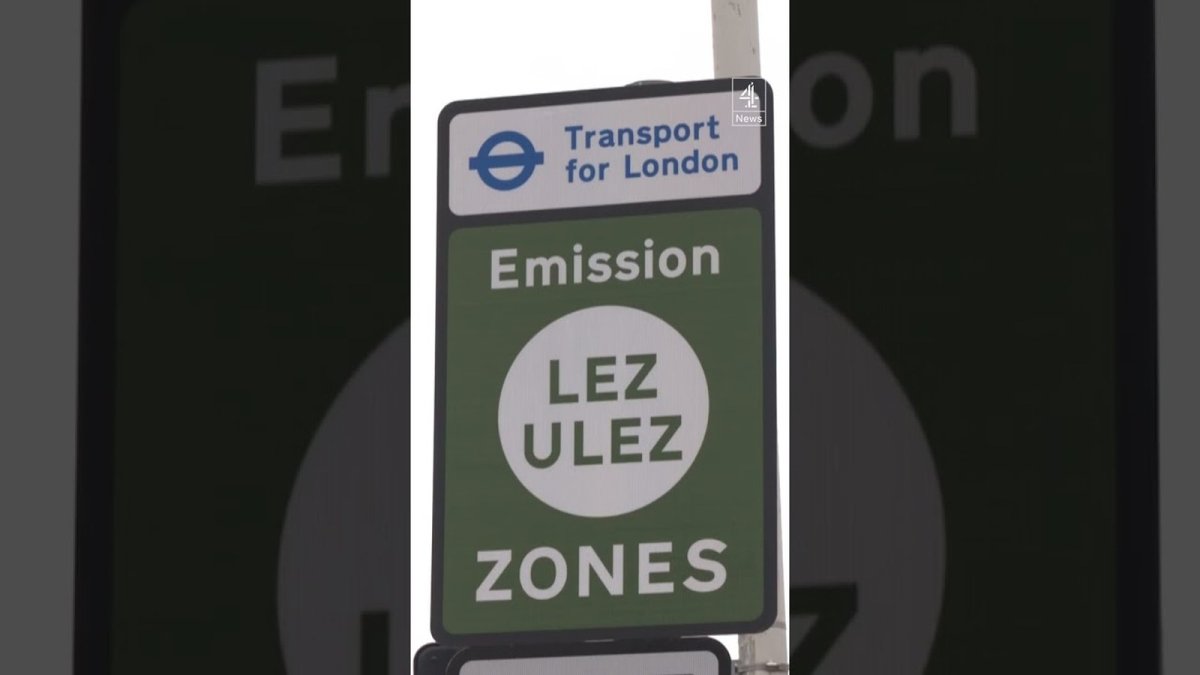
The implications extend far beyond London. Health Minister Karin Smyth said the study "is a powerful reminder of the impact that air quality has on children's lung health" and will "support our goal to give every child the best start in life." But the data also sounds a warning: air pollution in London, Luton and other UK cities remains above World Health Organization (WHO) guidelines. The ULEZ closed a gap between two polluted towns — it did not deliver clean air by WHO standards.
For cities across the UK and globally, the message from the researchers is unambiguous. Professor Griffiths said: "Ambitious clean air zones should be considered a priority for cities globally with traffic-related air pollution." The study's publication in The Lancet Public Health gives it international credibility, and with the ULEZ now the world's largest low-emission zone, other metropolitan leaders — from Manchester to Milan, from Birmingham to Bangkok — have a template to follow.
The Bottom Line: What Comes Next
The CHILL study closes a chapter in the ULEZ debate but opens a new one on public health policy. The evidence that children's lung damage can be reversed is a rare piece of good news in environmental health, and it arrives at a politically sensitive moment. With a new Prime Minister in Downing Street and clean air groups demanding a phase-out of domestic burning and diesel vehicles, the pressure is now on government to act.
What remains unresolved is the equity question: how to deliver the benefits of clean air zones without penalising those who cannot afford to upgrade their vehicles. The Mayor's office and Transport for London have introduced scrappage schemes, but the study does not assess their adequacy. What it does demonstrate, with unusual clarity, is that the cost of inaction is measured in children's lungs. As Helen Wood noted, the improvement in lung health happened "at the same time" as the reduction in pollution. For the researchers, it is the strongest evidence yet that cleaner air and healthier lungs move together.
This article was produced with AI-assisted research and editorial support. Sources: Channel 4 News, The Guardian, NIHR, Metro.
By Erica Thornton, Staff Writer
What's Your Reaction?
 Like
0
Like
0
 Dislike
0
Dislike
0
 Love
0
Love
0
 Funny
0
Funny
0
 Wow
0
Wow
0
 Sad
0
Sad
0
 Angry
0
Angry
0

US Politics and Policy Correspondent at Global1.News. Based in Washington DC, covering American politics, policy, elections, and the courts. Knows how the system works and tells you what it actually means.












Comments (0)