
Kyiv Mourns as Russian Overnight Strikes Kill at Least 15
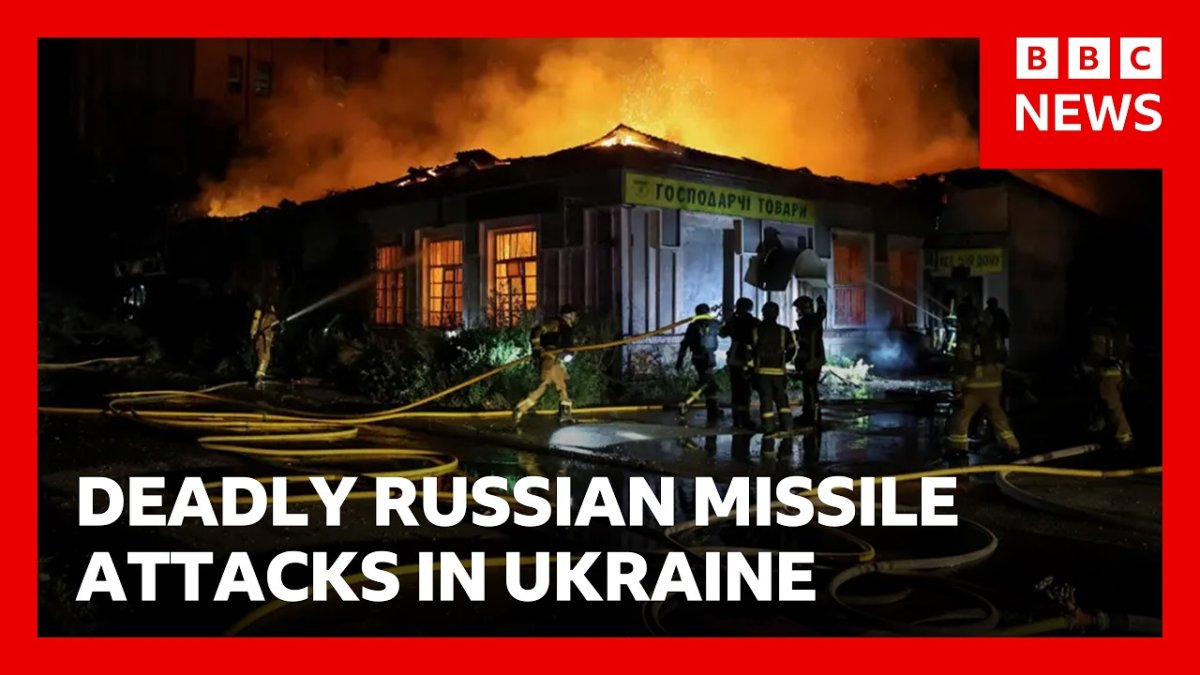
In a recent BBC News report, viewers saw the aftermath of one of the deadliest nights the Ukrainian capital has endured in months: a wave of overnight Russian missile strikes killed at least 15 people in and around Kyiv, damaged a children's hospital and a school, and plunged parts of the city into.
In a recent BBC News report, viewers saw the aftermath of one of the deadliest nights the Ukrainian capital has endured in months: a wave of overnight Russian missile strikes killed at least 15 people in and around Kyiv, damaged a children's hospital and a school, and plunged parts of the city into darkness. The video report captured emergency workers sifting through rubble in the Solomianskyi district as residents stood outside their destroyed homes, and it underscored a grim warning from Ukrainian President Volodymyr Zelensky — that as long as Ukraine lacks enough anti-ballistic defences, Russia will not seriously consider peace.
Kyiv Mourns as Russian Overnight Strikes Kill at Least 15
Kyiv, Ukraine – 20 August 2026 — Russian forces launched a barrage of ballistic missiles, cruise missiles and drones at Ukraine's capital in the early hours of Thursday, killing at least 15 people and wounding dozens more, according to Ukrainian authorities. The assault, which began around midnight local time when air raid sirens sounded across the city, struck apartment blocks, warehouses, a children's hospital and a school, and cut power to thousands of properties in the Kyiv region. The Ukrainian Air Force said Russia used 168 drones and 44 missiles in the attack, mainly targeting Kyiv, and claimed that air defences shot down 146 drones and 39 cruise missiles — but its morning update implied that none of the ballistic missiles were intercepted.
Overnight Barrage: A City Under Fire
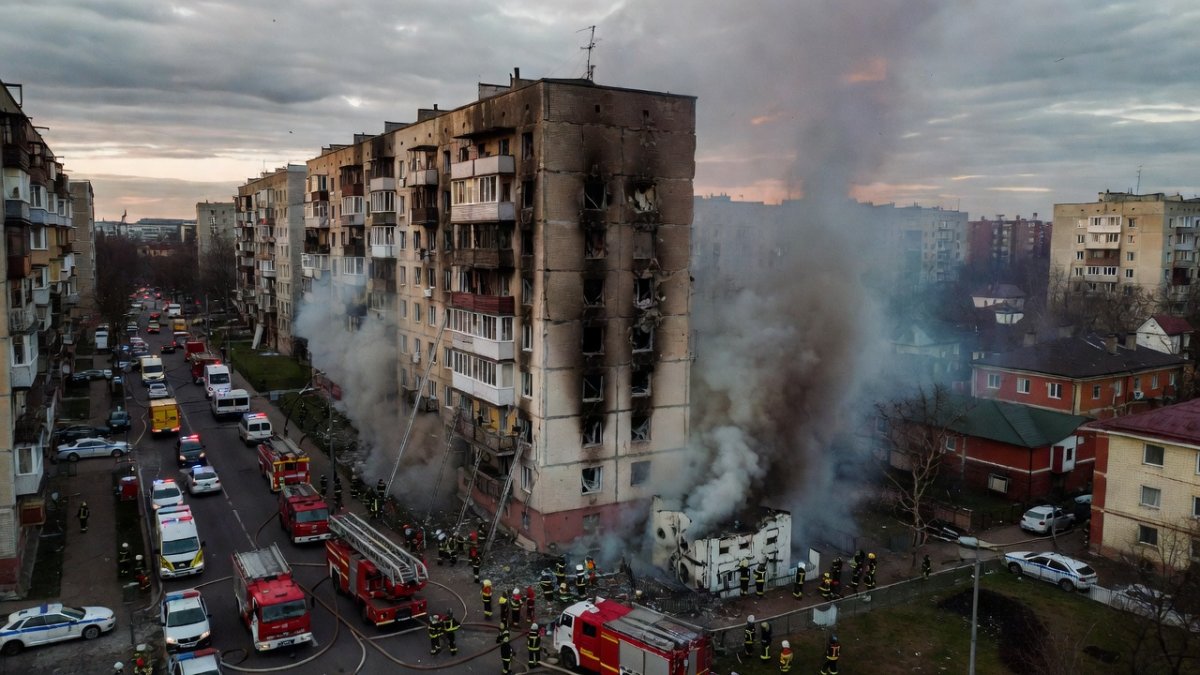
The strikes began around midnight local time, when air raid sirens wailed across Kyiv and residents hurried to shelters, basements and underground parking garages. Around 20 Russian missiles then impacted across the city, the BBC reported, damaging buildings in at least a dozen locations across three districts, including Solomianskyi. In one local school, windows were knocked out and playing fields were left covered in debris; a nearby storeroom that served as a laundry and boiler house supplying heating to surrounding apartment blocks was totally ruined, its basement exposed.
The attack severed power to thousands of properties, plunging parts of the Kyiv region into darkness as emergency crews fought fires and pulled people from under the rubble. The Ukrainian State Emergency Service said apartment blocks and warehouses were struck across the city overnight, while a children's hospital and a school were also damaged. The scale of the barrage echoed recent patterns in the air war: in the past week, both sides have carried out massive strikes, with Ukraine targeting Moscow with a wave of 600 drones over the weekend and two separate attacks on Russia this week killing at least 16 people, including one child.
The Human Toll: Fifteen Dead and a City in Shock
The human cost of Thursday's barrage was measured in shattered lives and broken homes across the capital and its outskirts. At least 15 people were killed in and around Kyiv, according to Ukrainian authorities, with the toll climbing through the morning as rescue workers dug through collapsed concrete. Earlier in the day, Kyiv Mayor Vitali Klitschko cited figures of 12 killed and 33 injured, but by midday the number had risen as more bodies were recovered from the wreckage of apartment blocks in the Solomianskyi district. The dead included residents who had been sleeping when the first explosions tore through their buildings, and emergency workers described scenes of chaos as families emerged from basements to find their homes reduced to rubble.
The BBC report captured the anguish of survivors grappling with sudden displacement. Valeria Bondaruk, who moved to Kyiv after her home in southern Ukraine was bombed earlier in the war, found herself displaced for the second time in the conflict. A shard of glass was embedded in her bedroom wall, and she had spent the night hiding in a hallway because her building has no bomb shelter. Speaking through tears, she told the BBC she feared for her 13-year-old daughter and was now considering leaving Ukraine altogether, a decision she never thought she would have to make again. Nearby, Anastasiia Kovtun, 31, a primary school teacher, stood outside what remained of her nine-storey building, which was destroyed in the strikes. She told the BBC it was frightening to realise it was her house, that she never thought she would be next — a sentiment echoed by many residents who had grown accustomed to air raid sirens but never expected a direct hit.
Beyond the capital, the wider Kyiv region also suffered. In the Brovary and Boryspil districts, attacks killed one man and wounded seven others, according to local officials. In Donetsk Oblast, a local official said one person was killed and 11 were injured in separate strikes, underscoring that the war's reach extends far beyond the capital. As the sun rose over the damaged city, authorities declared a day of mourning for those killed, with flags lowered to half-mast and residents gathering at makeshift memorials to lay flowers and light candles. The emotional weight of the night was palpable, as families searched for loved ones and volunteers distributed water and blankets to those left without power or shelter.
'We Need Support From Our Partners': Kyiv's Plea
Kyiv's leadership moved quickly to frame Thursday's attack as a direct consequence of air defence shortages, turning the tragedy into an urgent appeal to Western allies. Kyiv Mayor Vitali Klitschko, speaking to BBC News at a wrecked apartment block in the Solomianskyi district, was blunt about the city's needs. "We need ammunition, anti-missile systems — we need support from our partners," he said, his voice strained as emergency crews worked behind him. Klitschko's words reflected a growing frustration among Ukrainian officials who have repeatedly warned that without adequate interceptors, cities like Kyiv remain vulnerable to Russian ballistic missiles that fly too fast and too high for many existing defences to track.
President Volodymyr Zelensky wrote on Telegram that the deaths were the result of a shortage of air defence missiles, delivering a pointed message to Ukraine's allies. "The interceptors for the Patriots have not yet been replaced, and they are needed every day. Each additional missile saves the lives of our people," he wrote, directly linking the overnight casualties to the slow pace of Western resupply. Ukrainian MP Oleksiy Goncharenko went further in an interview with the BBC, describing Ukraine as "absolutely unprotected" from ballistic missile attacks. "We can't do anything without interceptors," he said, adding that Russia is trying to destroy as much infrastructure as possible. "We are dying here every day without these interceptors," Goncharenko said, his frustration echoing the sentiments of many in the capital who feel abandoned by allies despite repeated promises of support.
The Ukrainian Air Force's Thursday morning update implied that none of the Russian ballistic missiles used overnight were intercepted, a stark admission that highlighted the severity of the defence gap. While cruise missiles and drones were largely shot down, the ballistic missiles — which travel at several times the speed of sound — evaded the current arsenal. This technical reality has become the central theme of Kyiv's appeals: without Patriot interceptors or similar systems, the city cannot be fully protected. The plea from Klitschko, Zelensky and Goncharenko was consistent and urgent, framed not as a political demand but as a matter of life and death for ordinary Ukrainians who face the nightly terror of incoming missiles with little protection.
Russia's Military Calculus and the Winter Strategy
The Russian defence ministry said it used air, land and sea-based weapons to target military facilities and warehouses, a standard formulation that Ukraine and its allies reject, noting the civilian casualties and damage to residential buildings, a children's hospital and a school. Moscow has consistently denied targeting civilians, but the evidence on the ground in Kyiv tells a different story, with schools, hospitals and apartment blocks bearing the scars of the overnight assault. In Russia, the defence ministry claimed that 726 Ukrainian drones had been shot down after being launched at various regions across the country, a figure that underscores the intensity of the reciprocal air campaigns that have defined recent weeks.
Ukrainian officials have warned that Moscow is planning intensified strikes ahead of winter to make life difficult for the population, a strategy that echoes previous campaigns aimed at breaking civilian morale. Ukraine's deputy intelligence chief told the BBC that Russia was preparing exactly this kind of campaign to strain the energy grid and force the population to endure freezing temperatures without power or heating. The overnight attack on Kyiv, with its focus on infrastructure and residential areas, appears to be a preview of what is to come as the colder months approach. The recent escalation cycle is telling: Ukraine's strikes deep inside Russia, including the weekend wave of 600 drones toward Moscow and repeated targeting since July of Wildberries logistics facilities, have provoked a fierce response. Ukraine's defence ministry said seven out of 10 of the company's logistics centres had been "disabled," a significant blow to Russian supply chains that Moscow has sought to retaliate for with overwhelming force against Ukrainian cities.
This tit-for-tat escalation has created a dangerous dynamic, with each side seeking to outdo the other in the scale and destructiveness of its attacks. For Russia, the calculus appears to be that sustained pressure on Kyiv and other major cities will eventually force Ukraine to the negotiating table on Moscow's terms. For Ukraine, the strikes on Russian infrastructure are designed to demonstrate that the war has consequences for ordinary Russians as well, and to pressure the Kremlin to reconsider its campaign. The result is a cycle of violence that shows no signs of abating, with civilians on both sides bearing the heaviest burden.
Western Allies and the Air Defence Gap
Ukraine has relied on American supplies of Patriot interceptor missiles to combat Russian ballistic missiles, but the BBC reported that the United States has used much of its stockpile during the war in the Middle East and has been supplying Ukraine with less. This air defence gap is the core of Kyiv's repeated appeals: without interceptors, Ukraine cannot stop ballistic missiles, and the overnight attack demonstrated the consequences in devastating detail. The Patriot system, which has been Ukraine's most effective defence against ballistic threats, requires a steady supply of interceptors that cost millions of dollars each, and the current flow has been insufficient to meet the scale of Russian attacks.
The strain on neighbouring countries was also visible on Thursday, as the war's air campaigns increasingly brushed against NATO's eastern flank. Romania's defence ministry said a drone crossed into its territory at the northern border with Ukraine, triggering an air alert siren before crashing into an uninhabited area. The incident, while causing no casualties, highlighted the risks of spillover from the conflict. The Polish military said it had launched "defensive air operations" to protect its airspace, a precautionary measure that reflects the heightened alert levels across the region. Analysts suggest these incidents reflect how the war's air campaigns increasingly brush against NATO territory, raising the stakes for the alliance and testing its resolve to avoid direct involvement in the conflict.
For Ukraine, the air defence gap is not just a military problem but a political one. Each failed interception undermines public confidence in the government's ability to protect its citizens, and each successful Russian strike provides ammunition for critics who argue that Western support is insufficient. The United States and European allies have pledged continued assistance, but the pace of deliveries has been slow, and the demands of other conflicts have stretched supplies thin. Ukrainian officials have called for a more systematic approach to air defence, including the transfer of additional Patriot systems and interceptors from allied stockpiles, but so far the response has been incremental rather than transformative. As winter approaches, the urgency of these appeals is likely to grow, with the spectre of a humanitarian crisis looming if the energy grid is crippled and cities are left without heat.
Domestic Pressure on Zelensky
The strikes came as President Zelensky faced a direct political challenge at home, adding a layer of complexity to an already fraught situation. The popular former defence minister, Mykhailo Fedorov, has called for an election and launched a scathing attack on the government, claiming corruption has deprived the military of weapons. Fedorov's criticism, which has resonated with a war-weary public, has put Zelensky on the defensive, forcing him to balance the demands of war with rising domestic discontent over governance and the pace of Western support. The attack on Kyiv therefore lands at a delicate moment for the Ukrainian leadership, which must navigate both the external threat from Russia and the internal pressures of political opposition.
The timing of Fedorov's challenge is significant, coming at a moment when the public is increasingly questioning the effectiveness of the government's war effort. The overnight strikes, which killed at least 15 people and damaged critical infrastructure, are likely to intensify these questions, with critics pointing to the air defence shortage as evidence of mismanagement. Zelensky's government has defended its record, citing the constraints of limited resources and the challenges of coordinating international support, but the political pressure is mounting. Despite the scale of the overnight barrage, there has been little progress in diplomatic efforts to broker a ceasefire, and both sides accuse each other of targeting civilians. The diplomatic track remains frozen, with no clear path to negotiations, and the war shows no signs of ending anytime soon.
For Zelensky, the challenge is to maintain public morale and international support while addressing legitimate concerns about governance and corruption. The government has taken steps to address these issues, including anti-corruption reforms and increased transparency in military procurement, but the perception of inefficiency persists. The domestic political situation adds another layer of uncertainty to an already volatile environment, and the coming months are likely to test the resilience of Ukraine's leadership as it faces both external aggression and internal dissent. The attack on Kyiv, coming at this delicate moment, serves as a reminder that the war's pressures extend beyond the battlefield, shaping the political landscape in ways that could have lasting consequences for the country's future.
Analysis and Implications
The failure to intercept a single ballistic missile over Kyiv is a stark illustration of the air defence shortage Zelensky has warned about for weeks, and it is likely to sharpen his appeals to Washington and European capitals ahead of the winter, when Russia is expected to target the energy grid again. This could indicate that the coming months will see an intensified diplomatic push from Ukraine, as the government seeks to secure the interceptor supplies needed to protect its cities. Analysts suggest that Moscow's intensifying missile campaign is designed to demonstrate that it can still strike the capital at will, undermining public confidence and pressuring Kyiv into concessions at a moment when the diplomatic track is frozen. The psychological impact of these strikes, which target civilians in their homes, is a key element of Russia's strategy, aimed at breaking the will of the population and forcing the government to accept terms it would otherwise reject.
The strikes also highlight the widening regional stakes: a drone crossed into Romania, triggering an air alert before crashing in an uninhabited area, and Poland launched defensive air operations to protect its airspace. Analysts note the war's air campaign increasingly brushes against NATO territory, and this could indicate that the conflict is entering a more dangerous phase, where the risk of direct confrontation between Russia and NATO grows with each incident. For ordinary Ukrainians, the human cost is measured in destroyed homes, displaced families and the painful arithmetic of interceptors that never arrive. The overnight attack, which killed at least 15 people and wounded dozens more, is a reminder that the war's toll is borne primarily by civilians, who face the nightly terror of incoming missiles with little protection. Thursday's attack suggests that arithmetic will only get harder as winter approaches, with the prospect of more strikes, more casualties and more suffering.
Looking ahead, the implications of this attack extend beyond the immediate tragedy. The air defence gap, if not addressed, could embolden Russia to escalate further, targeting critical infrastructure with impunity. The political pressure on Zelensky, combined with the military challenges, creates a precarious situation that could shape the course of the war in the coming months. The international community faces a choice: to provide the support Ukraine needs to defend itself, or to watch as the country endures another winter of bombardment. The stakes are high, not just for Ukraine but for the broader regional order, and the decisions made in the coming weeks will have lasting consequences. For now, the people of Kyiv are left to mourn their dead, rebuild their homes and hope that the world is listening to their plea for help.
By Irina Volkov, Staff Writer
This article was produced with AI-assisted research and editorial support. Reporting is based on sources cited in the article.
What's Your Reaction?
 Like
0
Like
0
 Dislike
0
Dislike
0
 Love
0
Love
0
 Funny
0
Funny
0
 Wow
0
Wow
0
 Sad
0
Sad
0
 Angry
0
Angry
0
Russia/Eastern Europe Correspondent at Global1.News. Covering Russian politics, energy, security, and the shifting dynamics of the post-Soviet space. Provides clear-eyed analysis on one of the world's most opaque regions.













Comments (0)