
Jeepney Drivers Welcome Fuel Subsidy Boost and Call Off Planned Strike
Transport groups led by Pasang Masda, FEJODAP and ALTODAP cancel their August 10-12 strike after the government raises the fuel discount subsidy to P12 per liter. MANIBELA still consults members on whether a fare hike is needed.
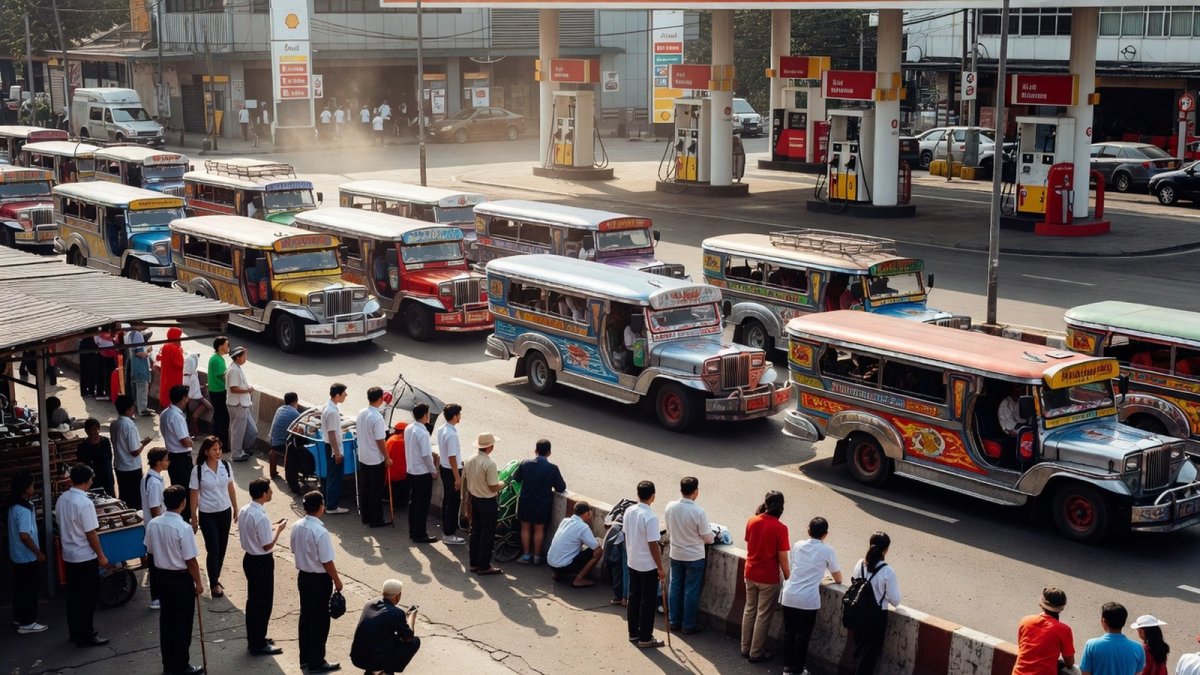
Filipino commuters can breathe easier this week after transport groups decided to keep their jeepneys and buses rolling instead of staging a three-day strike. The decision came after leaders met with the Department of Transportation and welcomed an increase in the fuel discount subsidy that will help ease the burden of rising pump prices on drivers and their families. This move reflects the bayanihan spirit that often brings government and communities together during tough times.
Strike Called Off After DOTr Meeting
Transport leaders met with the Department of Transportation on August 6 and announced they would cancel the strike originally set for August 10 to 12. Groups including Pasang Masda, the Federation of Jeepney Operators and Drivers Association of the Philippines, and the Alliance of Transport Operators and Drivers Association of the Philippines confirmed they will continue operations. The decision followed the government's approval of a higher fuel discount subsidy aimed at helping public utility vehicle drivers cope with recent price increases.
Who Backed Out and Who Is Still Deciding
Along with Pasang Masda and FEJODAP, the Alliance of Concerned Transport Organization, Boses at Samahan ng mga Jeepney Drivers and Operators Association, and Stop and Go also chose to keep their vehicles on the road. ALTODAP President Melencio Vargas noted that the government's willingness to help represents a big step forward for the transport sector. In contrast, MANIBELA Chairperson Mar Valbuena said the group will first consult its members before deciding whether to proceed with any action.
The P12 Fuel Discount: Help That Falls Short of the Ask
The fuel discount subsidy will rise to P12 per liter starting August 15, up from the previous P10 per liter that has already supported more than 93,000 public utility vehicle drivers since April. The Department of Energy reports that 2,735 gasoline stations across the country now participate in the program. While transport leaders described the increase as helpful, it remains below the P20 per liter level proposed by the Land Transportation Franchising and Regulatory Board.
Drivers experience the subsidy directly when they present their PUV identification card at participating gasoline stations and receive the discounted rate on the spot, allowing them to fill their tanks at a price below what regular motorists pay. This simple process turns the program into immediate relief that reaches the driver's pocket before the next route begins, helping families stretch limited earnings across daily household needs in neighborhoods where every peso counts.
The difference between the approved P12 per liter and the P20 level originally sought by the LTFRB translates into real weekly shortfalls for drivers who cover long hours on the road. That gap can add up across multiple refills, leaving operators to absorb extra costs that affect their ability to maintain vehicles and support dependents.
Pasang Masda national president Obet Martin pointed out that only a limited number of stations currently offer the discount and called for the program to reach more drivers, as families across Metro Manila and beyond feel the pinch at the sari-sari store and the neighborhood gasoline station alike. Together, these adjustments reflect ongoing efforts to balance driver livelihoods with the broader needs of communities that depend on steady public transport service.
Why Drivers Were Ready to Strike
Two straight weeks of pump price increases, triggered by renewed tensions between the United States and Iran in mid-July, pushed transport groups to demand relief. As of July 30, average prices in Metro Manila stood at P80.90 per liter for RON 91 gasoline and P90.40 per liter for diesel. Drivers and operators announced the strike on August 3 after the Land Transportation Franchising and Regulatory Board heard their petitions for fare adjustments.
What began as distant geopolitical friction quickly translated into higher costs at local stations, directly squeezing the daily margins of jeepney and bus operators who already operate on tight schedules. The conflict in West Asia may feel remote, yet its effects surface in the fuel gauge of every vehicle that carries workers and students across Metro Manila and provincial routes.
Drivers emphasized that the strike was intended to highlight the need for sustainable support rather than to inconvenience the passengers who rely on them each morning. By voicing their demands collectively, they sought to remind officials that stable fuel costs are essential to keeping the transport network running smoothly for everyone.
What This Means for Commuters
With the strike averted, daily commuters who rely on jeepneys and buses can continue their routines without disruption to work, school, or family obligations. The higher subsidy offers drivers a modest cushion that may help keep fares stable in the near term while the government reviews other requests. Ordinary Filipinos in barangays from Manila to the provinces often depend on these kapitbahay drivers to get children to class and workers to their jobs on time.
A three-day strike would have forced many commuters to endure longer waits at stops, crowd onto already packed alternatives, or fall back on tricycles and long walks that add time and expense to already busy days. Students heading to early classes and workers rushing to shifts would have faced disrupted routines that ripple through entire households.
The close kapitbahay bond between regular drivers and their passengers often means more than just a ride; it includes small acts of care such as waiting a moment for a late passenger or offering a friendly greeting that brightens the morning commute. Avoiding the strike preserves these everyday connections that strengthen community life in barangays.
With service continuing uninterrupted, families can keep their daily budgets intact instead of scrambling for costlier options or missing work and school.
The Road Ahead for Drivers and Fares
MANIBELA maintains that only a fare increase can fully address the rising costs drivers face, arguing that subsidies alone cannot cover the gap when fuel prices remain volatile. Mar Valbuena has indicated the group will consult members before taking further steps, ensuring that any decision reflects the collective view of those most affected.
Pending petitions before the LTFRB continue to receive attention, with reports noting that the government has offered several additional benefits while these requests are under review. These measures could provide interim support as operators weigh their options in the weeks ahead.
The Department of Energy expects a significant pump price rollback in the coming week, offering another layer of potential relief. The coming period will test how the expanded subsidy and any approved adjustments shape both driver earnings and commuter fares, as ongoing dialogue between transport groups and officials determines whether current relief proves sufficient or further changes become necessary to sustain reliable public transport across the country.
By Bella Reyes, Staff Writer
This article was produced with AI-assisted research and editorial support. Reporting is based on sources cited in the article.
What's Your Reaction?
 Like
0
Like
0
 Dislike
0
Dislike
0
 Love
0
Love
0
 Funny
0
Funny
0
 Wow
0
Wow
0
 Sad
0
Sad
0
 Angry
0
Angry
0

Philippines/Southeast Asia Correspondent at Global1.News. Manila-based journalist covering Philippine politics, environment, maritime security, and social issues. Passionate about marine conservation and the communities protecting the Philippines' natural heritage.









Comments (0)