
Iran-Oman Hormuz Deal Nears as Tehran Sets US Conditions
Iran and Oman are finalizing new shipping lanes through the Strait of Hormuz, yet Tehran insists the waterway will stay closed to commercial traffic until Washington meets multiple political and financial conditions.
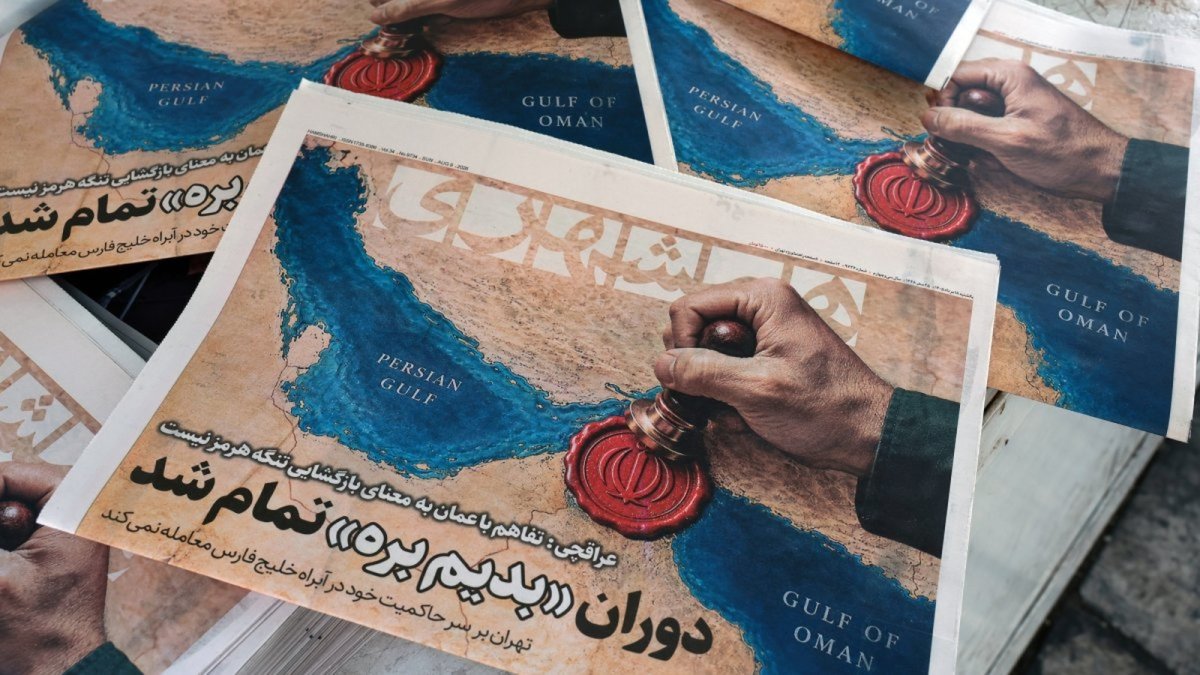
Iran and Oman are finalizing new shipping lanes through the Strait of Hormuz, yet Tehran insists the waterway will stay closed to commercial traffic until Washington meets multiple political and financial conditions. The developments unfold against the backdrop of recent US-Israeli strikes on Iran, a fragile June ceasefire, and renewed Houthi attacks on Saudi energy infrastructure. Regional powers including Saudi Arabia, Turkey and Pakistan have responded with a new mutual defense pact that reshapes alliance calculations across the Gulf and Red Sea.
Iran Advances Oman Shipping Lanes Accord While Holding Hormuz Access Hostage to US Concessions
Istanbul, Turkiye - August 9, 2026 - Iranian Foreign Minister Abbas Araghchi stated Sunday that an agreement with Oman on new shipping lanes through the Strait of Hormuz has reached the final stages. The arrangement would define routes once the strait reopens, but Araghchi made clear that reopening hinges on separate US commitments. A US official had indicated Friday that the Iran-Oman understanding was close, yet Tehran's position shows the waterway's status remains linked to wider negotiations conducted through intermediaries.
The latest status of the agreement remains unclear as Iranian officials continue to tie any reopening to additional US steps beyond the shipping lanes themselves. Messages between Tehran and Washington continue through intermediaries, with no direct talks underway while the June interim deal faces ongoing breaches from the US side. This cautious approach reflects Iran's determination to secure broader concessions before allowing commercial traffic to resume through the vital chokepoint.
Sequencing of Blockade Relief and Iranian Commitments
The United States reimposed a blockade on Iranian shipping in the Gulf in July after the June ceasefire. Washington has signaled it would lift that blockade once Iran implements commitments under the proposed deal. Iranian officials reject direct talks and insist messages pass through intermediaries as long as the interim June agreement remains breached. This sequencing leaves both sides wary of moving first on Hormuz access, which normally carries one-fifth of global oil and liquefied natural gas shipments.
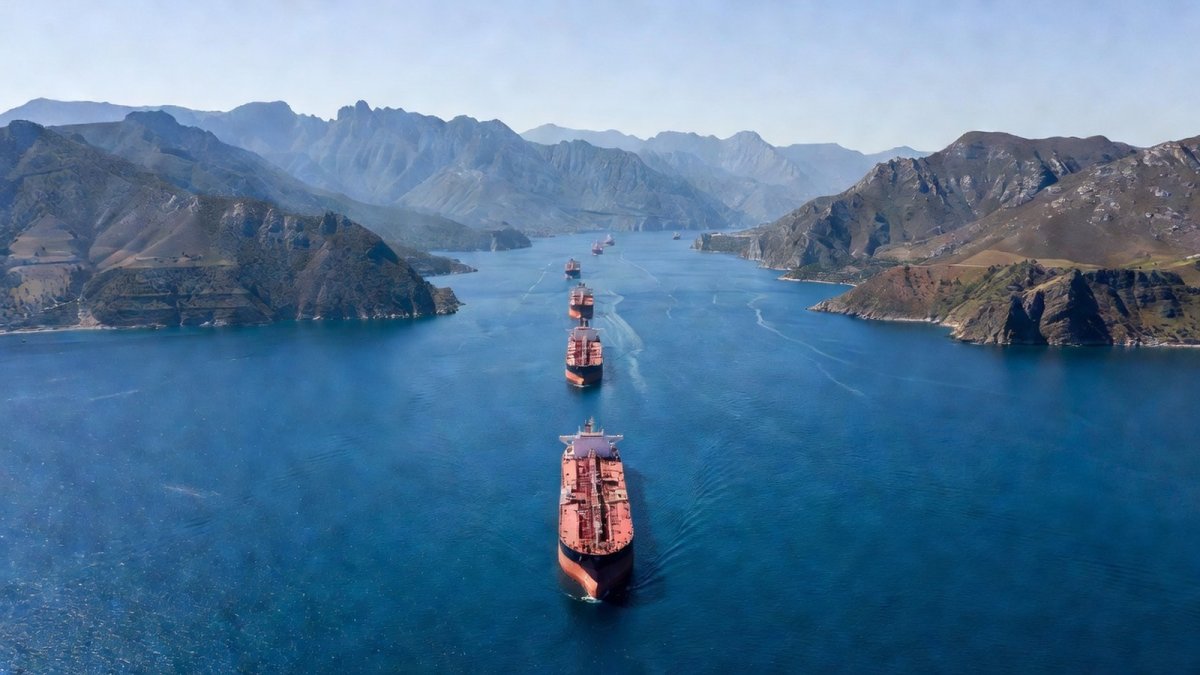
The Strait of Hormuz has long served as a critical artery for global energy security, carrying one-fifth of worldwide oil and liquefied natural gas shipments before Iran's recent blockade in response to US and Israeli attacks. Past disruptions at this narrow passage between Iran and Oman have repeatedly triggered sharp spikes in energy prices and supply concerns across Asia and Europe. Iran's current control over proposed new lanes would give Tehran oversight of vessel movements into the Gulf, a mechanism that shippers have already flagged as operationally challenging and likely to sustain market volatility until full access is restored under agreed conditions.
Tehran's Explicit List of Preconditions
Abbas Araghchi and Mohammad Bagher Zolghadr, secretary of Iran's top national security body, outlined the conditions. They include US compensation for attacks on Iran, an end to threats, cessation of aggression against Iran and its allies in Lebanon, Palestine, Yemen and Iraq, removal of the blockade and sanctions, and release of Iranian assets. These demands extend beyond the strait itself and tie Hormuz reopening to broader regional de-escalation.
Araghchi emphasized that the Oman agreement on shipping lanes would only become operational once Washington fulfills the full list of preconditions. Zolghadr reinforced this stance by stressing the need for concrete US actions on sanctions relief and asset releases alongside security guarantees for Iran's regional allies. The linkage of Hormuz access to these wider issues underscores Tehran's strategy of using its geographic leverage to address multiple grievances accumulated since the February airstrikes and subsequent July blockade.
Mecca Joint Defense Agreement Reshapes Gulf Security
On August 7, Turkish President Recep Tayyip Erdogan, Saudi Crown Prince Mohammed bin Salman and Pakistani Prime Minister Shehbaz Sharif signed the Mecca Joint Defense Agreement at Al-Safa Palace. The pact treats an armed attack on any signatory as an attack on all. Turkish Foreign Minister Hakan Fidan emphasized the arrangement is not aimed at Iran but provides a framework for consultations on support during crises. The timing coincides with heightened instability from the US-Israeli campaign against Iran and its proxies.
The Mecca Joint Defense Agreement establishes a mutual defense commitment among Trkiye, Saudi Arabia and Pakistan that echoes the collective security principles seen in earlier Gulf arrangements such as the GCC Peninsula Shield while mirroring the consultation-based response model of NATO Article 5. Hakan Fidan clarified that the pact is not directed at any single country and instead offers a flexible framework for determining the degree and format of support during crises through joint consultations. This Sunni-majority alignment introduces new coordination mechanisms that could shape responses to future attacks on energy infrastructure or shipping lanes amid ongoing regional instability.
Houthi Strikes Escalate Pressure on Saudi Energy Sites
Yemen-based Houthis, aligned with Iran, claimed a drone attack on Saudi Aramco's Jazan refinery on August 9. The facility processes 400,000 barrels of crude oil per day. Saudi authorities confirmed a fire broke out but was extinguished without injuries. The Houthis also declared a naval blockade against Saudi Arabia in the Red Sea last month and struck the Yemeni port of Mocha. These actions compound disruptions at both the Strait of Hormuz and the Bab el-Mandeb chokepoint.
The Houthi drone strike on the Jazan refinery, which processes 400,000 barrels per day, followed their earlier attacks on Aramco facilities at Yanbu and came two days after the Mecca defense pact signing. Saudi Energy Ministry statements confirmed the fire was contained without casualties, yet the incident highlights the expanding reach of Iran-aligned forces across multiple chokepoints. Combined with the declared Red Sea naval blockade and strikes on Mocha, these actions increase pressure on Saudi energy exports and complicate efforts to stabilize Gulf and Red Sea shipping routes.
Strategic Calculus for Key Regional Actors
Iran seeks to leverage control over Hormuz entry to extract sanctions relief and security guarantees while preserving influence through its proxy network. Saudi Arabia and its new defense partners aim to deter further Houthi escalation and protect energy exports critical to Vision 2030 diversification plans. The United States balances pressure on Iran's nuclear and missile programs with the need to stabilize global energy flows. Each side calculates that incremental concessions on shipping lanes could reduce the risk of wider conflict without conceding core strategic objectives.
US officials have indicated that lifting the Gulf blockade would follow Iran's implementation of commitments, with messages continuing via intermediaries rather than direct negotiations. This approach allows both Washington and Tehran to test sequencing without immediate political exposure while regional actors such as Saudi Arabia coordinate through the new Mecca framework to safeguard exports. The resulting calculations reflect each party's effort to manage escalation risks around the Strait of Hormuz and Red Sea simultaneously.
Implications for Global Energy Markets and Alliances
Any sustained closure or restricted access through Hormuz would sustain upward pressure on oil and LNG prices. The proposed Iran-Oman lanes would grant Tehran oversight of vessels entering the Gulf, a mechanism shippers view as operationally difficult. Meanwhile, the Mecca pact introduces a new layer of coordination among Sunni-majority powers that could influence future responses to Iranian-aligned attacks. These shifts affect both immediate energy security and longer-term alliance patterns across the Middle East.
The combination of Hormuz restrictions and Houthi actions at the Bab el-Mandeb has already created dual chokepoint pressures that markets are monitoring closely for sustained price effects. Shippers have expressed concerns over the proposed new lanes granting Iran oversight of Gulf entries, adding operational uncertainty to an already fragile supply picture. These developments are reshaping how Sunni powers coordinate responses while Iran maintains leverage through its network of allies in Yemen and elsewhere.
By Malik Hassan, Staff WriterThis article was produced with AI-assisted research and editorial support. Sources: Daily Sabah, Reuters, Al Jazeera, The Guardian, Bloomberg.
What's Your Reaction?
 Like
0
Like
0
 Dislike
0
Dislike
0
 Love
0
Love
0
 Funny
0
Funny
0
 Wow
0
Wow
0
 Sad
0
Sad
0
 Angry
0
Angry
0

Middle East Correspondent at Global1.News. Based in Beirut, covering politics, conflict, energy, and society across the Middle East. Brings context and depth to a region often reduced to headlines.












Comments (0)