
InstantID WebUI Brings Face-Accurate Local AI Image Generation to Your PC
InstantID, the open-source identity-preserving AI image generator, now runs in a one-click local WebUI. Generate face-accurate images from a single photo - no training, no cloud. But one photo is all it takes, and the deepfake risk is real. Jessica Ali breaks it down.
Folks, here is the thing about AI image tools: for the last couple of years, the ones that could actually keep a person's face looking like, well, the same person, were locked behind paid APIs, heavy training runs, or cloud subscriptions that nickel-and-dime you at every step. Not anymore. A standalone WebUI for InstantID -- the open-source identity-preserving image generator that shook the research world -- just got an updated one-click local installer, and it changes the math for creators who want face-accurate AI images without selling their data or their wallet to a Silicon Valley subscription plan.
InstantID WebUI: Face-Accurate AI Images on Your Own PC
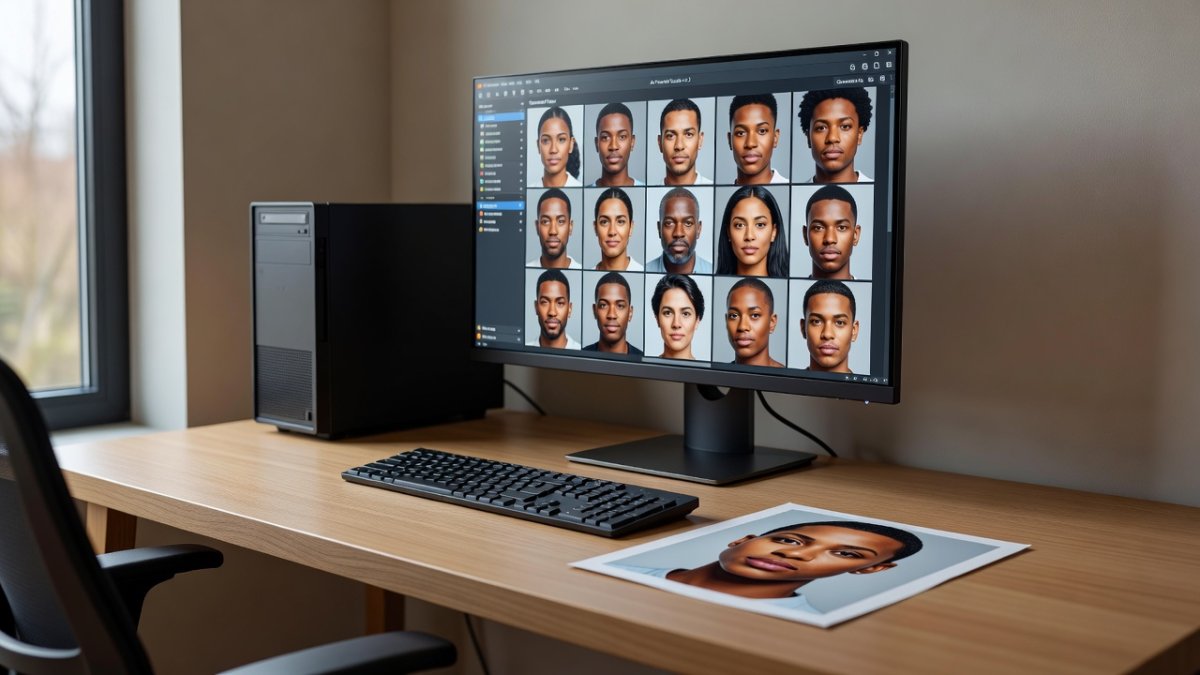
Atlanta, GA - August 5, 2026 - YouTube creator Aitrepreneur just dropped an updated guide to installing the InstantID AI WebUI locally in one click, and the timing could not be more loaded. This is the same technology that lets you generate a brand-new image of a person -- your subject, your character, your client -- from a single reference photo. No LoRA training. No fine-tuning. No DreamBooth marathons. One photo in. Unlimited variations out. And it all runs on your own hardware.
What Is InstantID?
InstantID is a zero-shot identity-preserving image generation method developed by the instantX research team. In plain English: it keeps a person's facial identity locked in while the AI generates entirely new images of them -- new poses, new outfits, new backgrounds, new art styles -- using just one photo as the reference. No per-subject training. No hours of GPU grinding to teach the model who someone is. The paper's title says it all: "Zero-shot Identity-Preserving Generation in Seconds."
The model hit the open-source scene with real momentum because it plugs directly into Stable Diffusion 1.5 and Stable Diffusion XL, the workhorses of the local AI art world. That means it is not some walled-off product; it is a free, adaptable component the community can build on top of. Researchers showed it beating dedicated character LoRAs on face fidelity while keeping the text-to-image flexibility that makes these models genuinely useful in the first place.
How It Works: The Tech Under the Hood
Here is the part that should make you sit up. InstantID does not do magic; it does engineering. The pipeline starts with InsightFace, a face-analysis model that detects the face in your reference photo and extracts an embedding -- a mathematical fingerprint of who that person is -- along with facial keypoints that map the structure of the face.
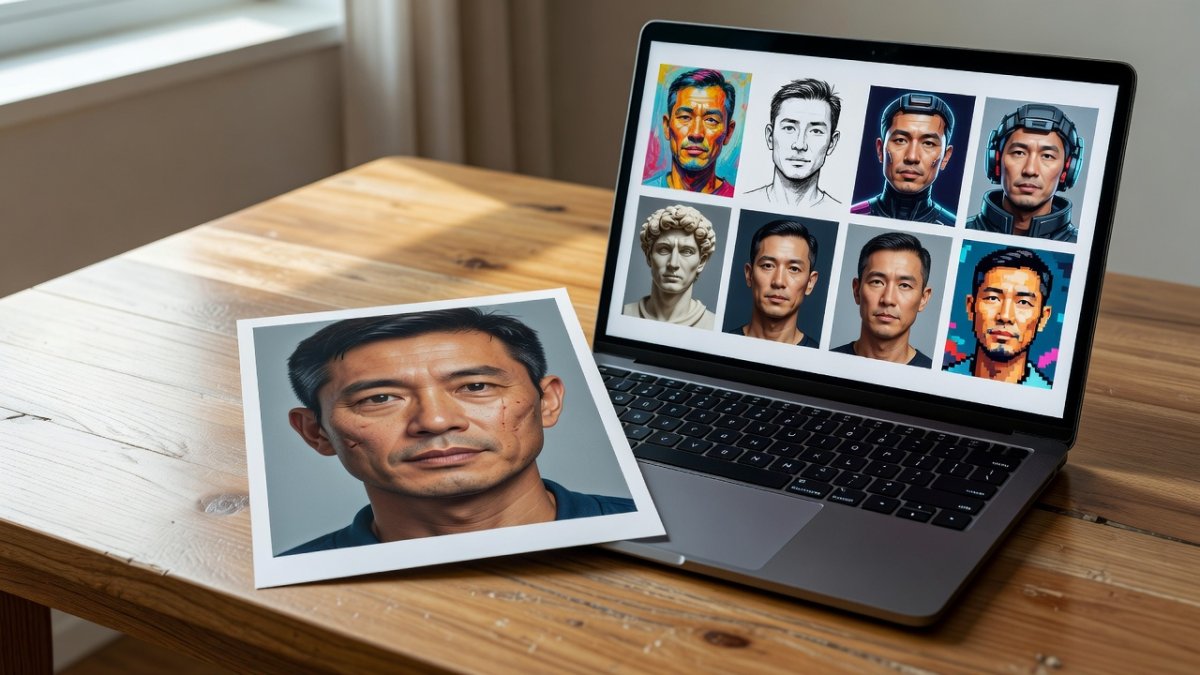
That embedding feeds an IP-Adapter-style image branch, the same family of tech behind the face-ID tools you may have heard of, while a ControlNet-style spatial module called IdentityNet handles the fine-grained control. The result is a generation pipeline that can lock in your identity while following whatever prompt you throw at it. Want the same face in Renaissance oil paint, cyberpunk armor, or a 1980s yearbook photo? One reference image, one prompt, seconds of compute. That flexibility is why the AI art community ranks InstantID alongside IP-Adapter Face ID and PuLID as the top contenders in the identity-preservation arms race -- and why the closed platforms are sweating.
The 1-Click Local WebUI
So what is new in this video? Aitrepreneur's updated walkthrough covers a standalone InstantID WebUI that installs locally with a single click -- no wrestling with Python environments, no dependency hell, no command-line spelunking. For the thousands of creators who bounced off the raw GitHub repos because setup was a nightmare, this is the bridge.
Running locally matters more than most people realize. Your reference photos stay on your machine. Your generations stay on your machine. There is no API key, no usage meter, no upload to a company server that quietly trains its next model on your faces. If you are generating images of real people -- clients, family, your own face -- local processing is the privacy difference between a tool and a surveillance device.
Why the Training Data Angle Matters
Here is the detail creators should not sleep on: the images InstantID generates can themselves be used as training material. Aitrepreneur notes that you can generate new images of your subject and feed them into further Stable Diffusion training -- which means instead of needing dozens of photos of a person to train a decent character LoRA, you can bootstrap from a handful, expand with InstantID, and then train. That collapses the cost of character consistency for indie game devs, YouTubers, and small studios who cannot afford a professional photoshoot for every character.
This is a genuine leveling of the playing field. The same workflow that used to require a machine-learning engineer and a render farm now fits on a gaming PC. When open-source tools keep compounding like this, the gap between hobbyist and studio shrinks every quarter -- and the big closed labs know it.
The Dark Side: One Photo Is All It Takes
Now let me cut through the hype, because there is a reason this technology makes regulators nervous. A single photo is all it takes to put anyone's face into any scene. That is not a hypothetical; that is the core feature, and it cuts both ways.
Bad actors have already weaponized identity-preserving generation for non-consensual imagery, fraud, and disinformation. The same local WebUI that protects a creator's privacy also runs offline and leaves no paper trail -- which means the tools are just as accessible to the people who would abuse them. Synthetic faces are already showing up in election disinformation and romance scams, and the barrier to entry keeps dropping while detection struggles to keep pace.
None of this is a reason to ban the tech. But it is a reason to demand provenance. Watermarking, content credentials, and platform disclosure rules are not optional extras; they are the price of admission for a technology this powerful. If you use these tools, label your work. If you see synthetic media presented as real, say something.
What This Means
Here is the honest read. InstantID and its local WebUI are a fork in the road for AI imagery. On one side, you have a future where individuals own their identity tools -- generating, customizing, and training their own models on their own hardware, free from subscription fees and data harvesting. On the other side, you have a future where anyone can counterfeit a face, and the social infrastructure to tell real from fake is still being built.
Both futures are already here, at the same time, in the same open-source repository. That is the uncomfortable truth of this moment in AI: the technology does not care whether it is used for art or for fraud. What matters is what we do with it -- the rules we demand, the labels we attach, and the responsibility we take for the images we put into the world.
The Bottom Line: What You Can Do
If you are a creator, the practical move is clear: try the InstantID WebUI yourself, keep a local-first workflow, and get comfortable with identity-preserving generation before your competitors do. Generate ethically -- only with consent, only with clear labeling, and never with a face that does not belong to you.
If you are a citizen, stay sharp. Synthetic media is coming for your feeds, your inboxes, and your elections. Check sources, look for provenance, and treat unverified video and images with the same skepticism you would give an anonymous email. And if you see a deepfake doing real harm -- report it, document it, and call it out.
The genie is out of the bottle, folks. InstantID is free, it is local, and it is only getting better. The question is whether we use it like artists or like marks. Choose wisely.
-- Jessica Ali, Global 1 News -- cutting through the BS, one story at a time.
This article was produced with AI-assisted research and editorial support. Reporting is based on sources cited in the article.
What's Your Reaction?
 Like
0
Like
0
 Dislike
0
Dislike
0
 Love
0
Love
0
 Funny
0
Funny
0
 Wow
0
Wow
0
 Sad
0
Sad
0
 Angry
0
Angry
0

Editor-in-Chief at Global1.News. Atlanta-based journalist who cuts through the BS and tells it like it is. Lead anchor, host, and the voice you hear when the spin stops and the truth starts.















Comments (0)