
Imee Marcos Questions Pax Silica Draft Framework, Warns of Foreign Control Over Philippine Land
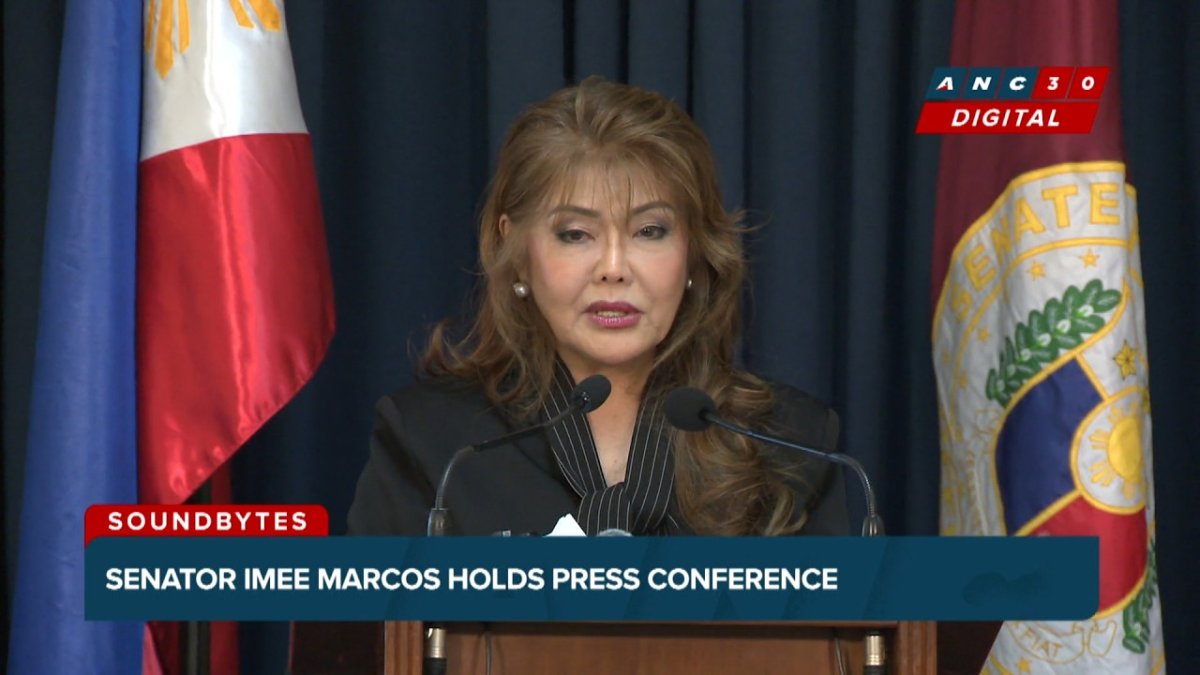
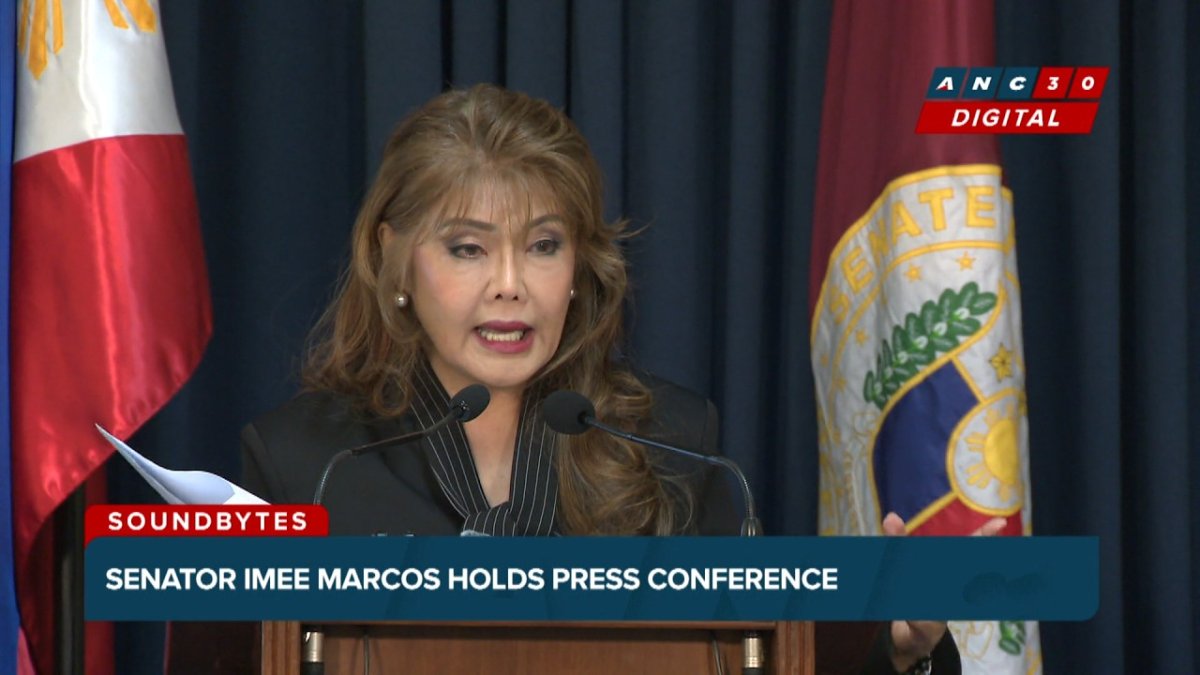
In a recent ANC 24/7 report, Senate Deputy Minority Leader Imee Marcos faced reporters in a tense press conference on Wednesday, August 12, 2026, brandishing what she described as a draft framework for the controversial Pax Silica initiative. The senator, visibly concerned, questioned the document's provisions on land ownership and foreign control, demanding answers from the Department of Justice (DOJ) and other government agencies. Her remarks have reignited a national.
In a recent ANC 24/7 report, Senate Deputy Minority Leader Imee Marcos faced reporters in a tense press conference on Wednesday, August 12, 2026, brandishing what she described as a draft framework for the controversial Pax Silica initiative. The senator, visibly concerned, questioned the document's provisions on land ownership and foreign control, demanding answers from the Department of Justice (DOJ) and other government agencies. Her remarks have reignited a national debate over sovereignty, constitutional limits, and the fate of farmers and indigenous communities in Tarlac.
Sen. Imee Marcos questions alleged Pax Silica draft framework, warns of foreign control over Philippine land
Manila, Philippines — this week
The Document at the Center of the Storm
Senator Marcos, who serves as Senate Deputy Minority Leader, told reporters she received what appears to be a draft architecture of a proposed Economic Security Corridor (ESC) framework for the Philippines. According to the senator, the document is allegedly being circulated by the Department of Justice for approval by various government departments, a process she described as both rushed and opaque. "So ang nakakagitla lang dito, bakit kinakailangan ng joint venture to own the land? Hindi ba Pilipinas ang may-ari ng lupa? Bakit hindi BCDA or 'di kaya ibang GOCCs na 100%?" she asked, referring to the Bases Conversion and Development Authority and other wholly Filipino-owned government corporations.
The alleged document outlines a joint venture structure where 60 percent of land ownership is reserved for Filipino entities and 40 percent is allotted to foreign partners. Marcos warned that even at this 60-40 split, the foreign side "almost owns the land" and would effectively become the "master tenant" in charge of running the special economic zone. "Bakit ganun? The master tenant is not Filipino. The JV is 60% Filipino. Bakit tinu-turnover natin ang control sa mga dayuhan?" she said, questioning why operational control would be handed over to foreign interests despite the nominal Filipino majority.
According to the alleged document, the framework would place an extensive 1,619-hectare (about 4,000-acre) zone under foreign management throughout a 99-year lease. Marcos emphasized that this arrangement goes beyond simple investment facilitation and touches on core questions of national sovereignty. She made clear, however, that she is not opposed to Pax Silica itself: "Hindi ako tutol sa Pax Silica ha, liliwanagin ko. Inaasahan natin at kailangan natin ang investment... Ang akin na lamang, aralin natin ito. Sana mali ako at hindi totoo ang dokumentong ito." Her statement reflects a careful balancing act — welcoming foreign capital while demanding scrutiny of the terms.
Constitutional Questions on Land Ownership
The senator's concerns strike at the heart of the 1987 Philippine Constitution, which reserves land ownership for Filipino citizens and corporations that are at least 60 percent Filipino-owned under Article XII. The alleged draft framework's provision for a 40 percent foreign stake in a joint venture appears to test the boundaries of this constitutional limit. Marcos argued that the structure of the deal, particularly the designation of a foreign "master tenant," could effectively circumvent the spirit of the constitutional provision even if it technically complies with the letter of the law.
Legal experts note that while the 60-40 ownership split is constitutionally permissible, the operational control granted to the foreign partner raises separate questions about whether this constitutes a form of indirect land ownership. The senator's office has indicated that she will seek a formal legal opinion from the Department of Justice and possibly the Supreme Court if the document is confirmed as authentic. "We need to analyze this carefully," Marcos said, "because once we sign away control, it will be very difficult to take it back."
The constitutional dimension is not merely academic. For many Filipinos, land is not just an economic asset but a symbol of national identity and sovereignty. The 1987 Constitution was drafted after the Marcos dictatorship, with strong provisions protecting Filipino ownership of land and natural resources. Any perceived erosion of these protections is likely to provoke significant public backlash, as evidenced by the nearly 400,000 signatures on a petition against Pax Silica as of August 6.
What Is Pax Silica?
Pax Silica is a US-led initiative that the Philippines formally joined in April 2026. The project envisions a 4,000-acre (about 1,619-hectare) industrial hub within New Clark City in Capas, Tarlac, designed to serve as a model for artificial intelligence-focused investment within the broader Luzon Economic Corridor. The Bases Conversion and Development Authority proposed the project, which is expected to be fully developed over 30 years, with an initial phase targeted to begin in 2028.
President Ferdinand Marcos Jr. announced the country's participation in Pax Silica during his State of the Nation Address on July 27, framing it as a strategic move to bolster the Philippines' position in the global AI and technology value chain. The President emphasized that the project would create quality jobs, drive industrial competitiveness, and attract significant foreign investment. Malacañang has since stated that provisions of the US-led initiative could still be revised if necessary, and has assured the public that the project will not displace farmers.
The economic stakes are substantial. Senator Raffy Tulfo, who filed Senate Resolution No. 571 on Tuesday, August 11, seeking a Senate inquiry into Pax Silica, noted the project's projected economic contributions include around 600 billion pesos in initial investments, 130,000 to 290,000 direct jobs, and 68 billion to 75 billion pesos in potential annual tax revenues. These figures explain why the administration is eager to move forward, but they also underscore the importance of getting the legal and operational framework right.
Farmers and Indigenous Communities Speak Out
At the center of the controversy are the farmers and Aeta indigenous communities in Capas who stand to be most directly affected by the project. Marcos claimed that farmers in Camp O'Donnell, Barangay Aranguren, and Sta. Lucia in Tarlac were being offered 300,000 pesos for five hectares of land — the maximum offer, even for properties exceeding five hectares. "Ang balita ay ₱300,000 daw ang inaalok para sa limang hektarya. Kung labis pa 'yung pag-aari na lupa, hindi na daw kayang bayaran, libre na," she said, meaning that if the land exceeds five hectares, the excess would not be paid — effectively free.
This alleged offer has sparked outrage among farming communities who see it as a gross undervaluation of their land and livelihoods. For many magsasaka (farmers) in the region, their land is their only asset and source of income. The prospect of being compensated at rates far below market value, or not at all for excess acreage, has fueled resistance to the project. Marcos's disclosure of these alleged terms has given voice to concerns that were previously circulating only at the barangay level.
The Aeta indigenous communities have also raised alarms over displacement and the impact on ancestral lands. Sapang Kawayan Aeta chieftain Petroniza Capriz-Muñoz said indigenous residents depend on the land for their homes and livelihood. For the Aeta, the land is not merely property but the foundation of their cultural identity and way of life. The prospect of a 99-year lease that places their ancestral domain under foreign management is deeply troubling to community leaders who have fought for decades to secure their land rights.
Growing Calls for Senate Scrutiny
Senator Marcos has called on Senate President Sherwin Gatchalian to make hearings on the US-led Pax Silica initiative a priority, citing her concerns about Philippine sovereignty. Her call has been echoed by other senators who see the need for thorough legislative oversight before the project proceeds. Senator Risa Hontiveros has backed the call for an inquiry, emphasizing the need to protect the rights of farmers and indigenous communities. Senator Erwin Tulfo supports Pax Silica in principle but wants agencies overseeing electricity and water to give clearer explanations before the project moves forward.
Senator Raffy Tulfo's resolution, filed on Tuesday, August 11, raises specific concerns about water consumption for AI cooling and cites the Chuangxing Steel Incorporated case in Magalang, Pampanga, where authorities confiscated an estimated 3 billion pesos in radioactive and steel products and arrested four company officials. "Pax Silica is about 300 times bigger than Chuangxing as far as size goes. If we could not handle such a small company, paano pa itong malaking development?" Tulfo said, highlighting the regulatory and enforcement challenges that come with large-scale industrial projects.
The Senate's growing interest in Pax Silica reflects a broader pattern of legislative scrutiny over major infrastructure and investment projects. Senators are increasingly aware that while foreign investment is essential for economic growth, it must be managed in a way that protects national interests and the rights of affected communities. The hearings, if conducted, would provide a public platform for examining the alleged draft framework and hearing from all stakeholders, including farmers, indigenous leaders, government agencies, and potential investors.
What to Watch For
The coming weeks will be critical in determining the fate of Pax Silica. First, the Senate must decide whether to prioritize hearings on the initiative, as Senator Marcos has requested. If hearings are held, they will likely focus on the authenticity and content of the alleged draft framework, the constitutional implications of the proposed joint venture structure, and the adequacy of compensation for affected landowners. Second, the Department of Justice will need to respond to Senator Marcos's questions about the document's provenance and whether it represents official government policy.
Third, the administration must address the growing public opposition to the project. The petition against Pax Silica, which had gathered nearly 400,000 signatures as of August 6, demonstrates significant grassroots resistance. Malacañang's assurance that the project will not displace farmers will be tested against the alleged compensation offers reported by Senator Marcos. Fourth, the constitutional questions raised by the senator may ultimately require judicial resolution, potentially reaching the Supreme Court if the issue is brought before it.
Finally, the international dimension cannot be ignored. Pax Silica is a US-led initiative, and any significant changes to the framework could affect the Philippines' relationship with the United States and other allied nations. The administration will need to balance its desire to attract foreign investment and strengthen strategic partnerships with the need to protect Philippine sovereignty and the rights of its citizens. The outcome of this debate will send a powerful signal about how the Philippines manages foreign investment in sensitive sectors.
As the controversy unfolds, one thing is clear: the questions raised by Senator Marcos have touched a nerve in Philippine society. The tension between welcoming foreign investment and protecting national sovereignty is not new, but the scale and scope of Pax Silica make it a defining issue for the Marcos administration. Whether the project proceeds as originally envisioned, is revised to address concerns, or is delayed pending further review, the debate itself reflects a healthy democratic process in which elected officials and citizens alike are demanding accountability and transparency.
The coming months will reveal whether the government can navigate these complex issues and deliver a project that benefits all Filipinos while respecting constitutional limits and the rights of affected communities. For now, Senator Marcos's warning serves as a reminder that in a democracy, even the most ambitious development projects must be subject to scrutiny and public debate. The hope is that the final outcome will reflect not just the interests of investors, but the will and welfare of the Filipino people.
By Bella Reyes, Staff Writer
This article was produced with AI-assisted research and editorial support. Reporting is based on sources cited in the article.
What's Your Reaction?
 Like
0
Like
0
 Dislike
0
Dislike
0
 Love
0
Love
0
 Funny
0
Funny
0
 Wow
0
Wow
0
 Sad
0
Sad
0
 Angry
0
Angry
0

Philippines/Southeast Asia Correspondent at Global1.News. Manila-based journalist covering Philippine politics, environment, maritime security, and social issues. Passionate about marine conservation and the communities protecting the Philippines' natural heritage.















Comments (0)