
Cumin-laced fizzy sodas are giving cola giants a tough fight in India
India’s carbonated beverage market, long dominated by multinational cola giants, is undergoing a notable shift. From kitchen experiment to commercial venture The story of the cumin‑flavoured soda boom begins in a modest Punjab household.
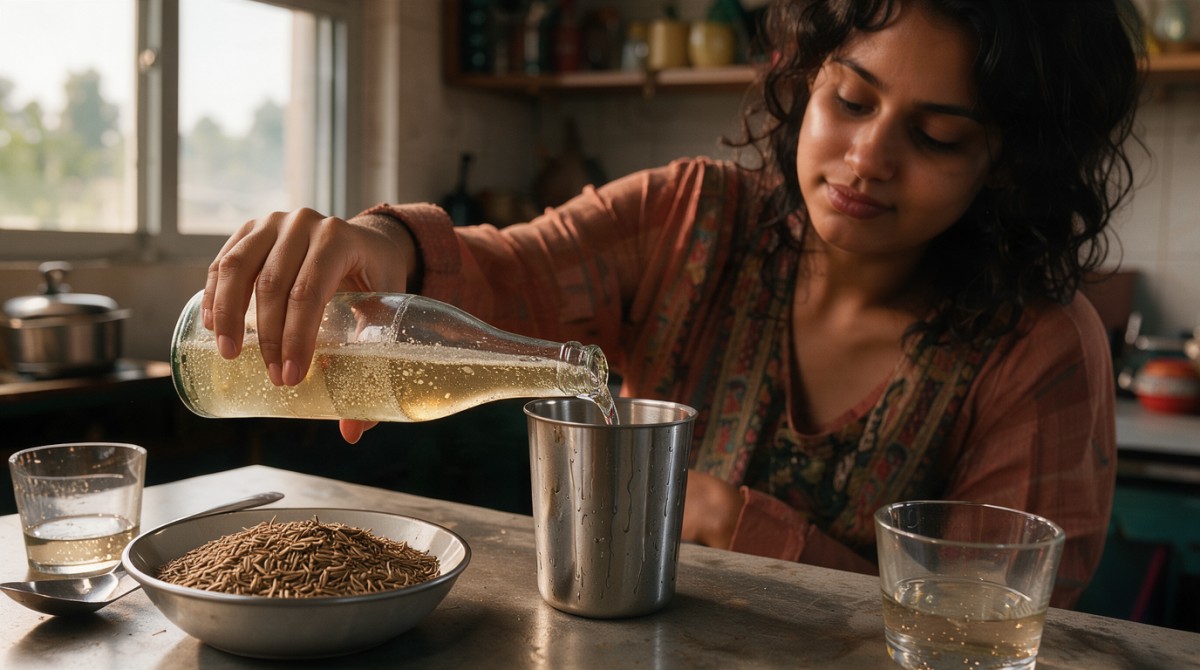
India’s carbonated beverage market, long dominated by multinational cola giants, is undergoing a notable shift. A home‑grown flavour—cumin, known locally as zeera—has become the centerpiece of a burgeoning “ethnic beverages” segment that now accounts for roughly 15 % of the soft‑drink market, according to a Kotak Mutual Fund report released earlier this year. This development reflects a broader consumer trend toward distinctly Indian tastes and perceived health benefits, and it is reshaping distribution, pricing and branding strategies across the sector.
From kitchen experiment to commercial venture
The story of the cumin‑flavoured soda boom begins in a modest Punjab household. Three cousins—Saurabh Munjal, Nikhil Doda and Saurabh Bhutna—spontaneously mixed pantry ingredients to create a tangy, earthy fizzy drink. Their informal tasting sparked a business idea, and with family investment they launched Lahori Zeera in 2017. “Zeera” is the Hindi term for cumin, underscoring the brand’s emphasis on native flavour.
Nearly a decade later, Lahori Zeera has grown into a significant challenger to the entrenched cola duopoly, especially in the mass‑market ten‑rupee beverage category. The brand is projected to close 2026 with revenues in the $115‑120 million range, illustrating how a simple home experiment can evolve into a nationwide commercial force.
Emergence of a fragmented yet fast‑growing category
The cumin soda niche, once limited to street‑side stalls, now hosts a variety of players. Mumbai‑based Xotik Frujus markets Jeeru, while billionaire Mukesh Ambani’s Campa Cola offers Campa Jeera. Regional firms such as House of Bindu have introduced Fizz Jeera Masala, and Parle Agro, a legacy Indian consumer brand, rolled out Dhishoom nationwide after a decade of rural‑only sales. These brands collectively illustrate a fragmented market that is nevertheless expanding rapidly.
Megha Shankar, a director at House of Bindu, notes that the company’s cumin soda contribution to revenue has risen from 20 % to 40 % over the past five years, making it the fastest‑growing carbonated segment. Online orders for these drinks surged by 900 % during the summer, according to a delivery‑platform report, highlighting the role of e‑commerce in accelerating distribution.
Impact on the overall soft‑drink landscape
The rise of cumin‑flavoured sodas is reshaping India’s non‑alcoholic beverage market, which was valued at $32 billion in 2024 and is projected to double by 2033. By September of the previous year, the collective share of ethnic beverage brands—including Lahori Zeera, Campa Jeera and others—had climbed to around 15 % of the carbonated soft‑drink market. In the same period, the combined share of Coca‑Cola and PepsiCo fell from roughly 93 % to 85 %.
Analysts liken this shift to the “Jio moment” that disrupted India’s telecom sector in 2016. The Kotak report emphasizes that a structural disruption of 8 % in market share within a year is unprecedented for global duopolies, which typically lose only 1‑2 % annually.
Scaling production and distribution challenges
Archian Foods, the manufacturer behind Lahori Zeera, reports that it has doubled its bottling capacity to 1.2 million bottles per day, yet still struggles to meet demand. This rapid scaling underscores the logistical hurdles faced by emerging brands that must expand bottling, warehousing and distribution networks while maintaining low price points.
Supply‑chain pressures are mounting. The ten‑rupee price segment, which drives the bulk of sales, is vulnerable to rising costs of plastic, packaging, sugar and other raw materials amid a global energy shock. Thin margins could be squeezed further if brands are forced to raise prices or reduce bottle sizes, tactics previously employed by cola manufacturers to preserve volume.
Strategic responses from multinational incumbents
Coca‑Cola, which acquired the cumin‑flavoured Rimzim brand in the 1990s, is intensifying its focus on the ethnic segment. The company reportedly doubled its production of cumin‑flavoured drinks last year, signalling a willingness to compete directly in a space once considered niche.
Nevertheless, multinationals retain advantages in system integration, distribution reach and bottling infrastructure. As Rajiv Agarwal of SP Jain Institute observes, “Competition is extremely aggressive,” and the deep‑pocketed global players are better organised to leverage economies of scale, potentially limiting the growth ceiling for smaller domestic brands.
Health trends and product innovation
Consumer health consciousness is influencing product development within the cumin soda category. House of Bindu has introduced a zero‑sugar variant to capture demand for healthier non‑cola drinks. Such innovation aligns with broader market shifts toward reduced‑sugar beverages, while preserving the nostalgic Indian flavour profile that differentiates these drinks from Western colas.
Pricing remains a critical factor. The ten‑rupee price point has been instrumental in driving volume, yet any upward pressure on costs could compel brands to adjust pricing strategies, potentially eroding the price advantage that has underpinned their rapid adoption.
Future outlook: domestic growth and global ambitions
While analysts caution that the cumin‑flavoured segment may never rival the sheer scale of cola consumption, the category’s momentum suggests a durable niche. Saurabh Munjal envisions expanding beyond domestic markets, stating that Indian flavours need a global spotlight. This ambition reflects a broader confidence among homegrown brands that authentic regional tastes can resonate internationally, provided they navigate supply‑chain constraints and competitive pressures.
The next few years will test whether the ethnic beverage wave can sustain its growth without sacrificing affordability or compromising quality. If domestic players can maintain capacity expansion, innovate health‑focused variants, and protect their pricing structure, they may solidify a lasting foothold in India’s soft‑drink market—and perhaps, eventually, on the world stage.
This article was produced with AI-assisted research and editorial support. Reporting is based on the source material cited below. Sources: BBC News Asia; bbc.co.uk; Global1.News (22 November 2026).
By Kenji Tanaka, Staff Writer
What's Your Reaction?
 Like
0
 Dislike
0
 Love
0
 Funny
0
 Wow
0
 Sad
0
 Angry
0

Japan Correspondent at Global1.News. Tokyo-based voice covering Japanese politics, technology, economy, and culture. Tracks the intersection of tradition and innovation in one of the world's most dynamic societies.














Comments (0)