
IDF Central Command Tests Multi-Front Readiness as Houthi Attacks Target Saudi Tankers and Israeli Borders
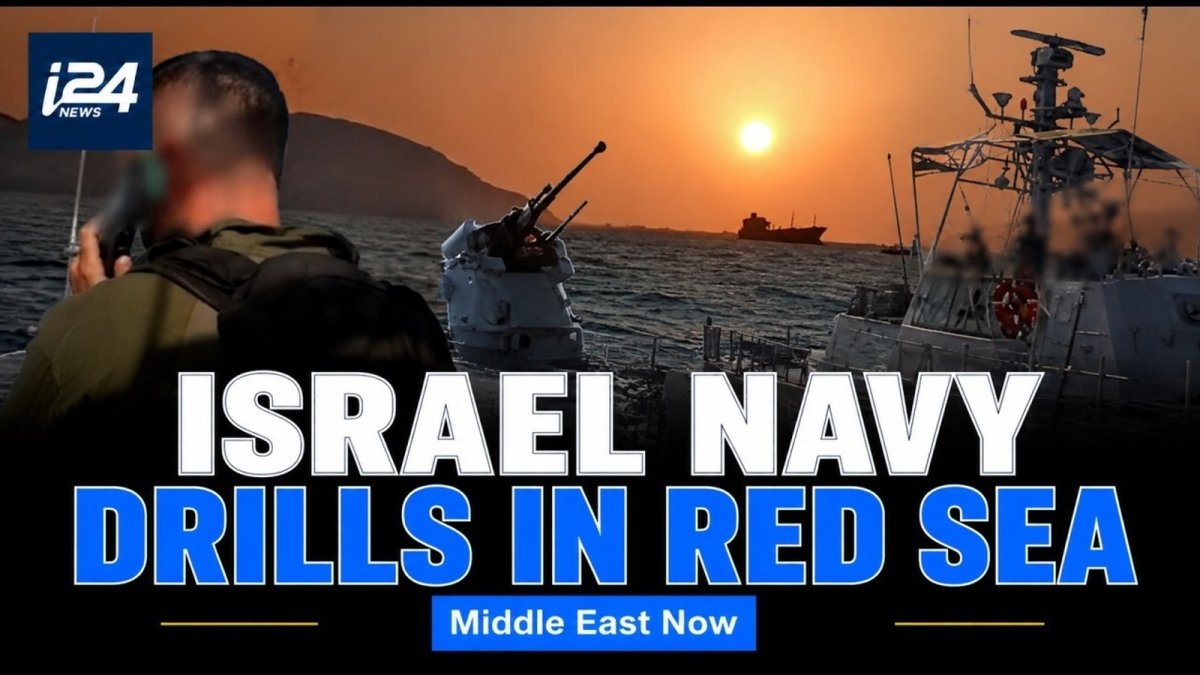
In a recent i24NEWS report, the IDF's Central Command launched a multi-arena readiness drill on August 6, 2026, to test responses under force sparsity conditions while Houthi forces escalated attacks on Saudi oil tankers in the Red Sea and Gulf of Aden.
In a recent i24NEWS report, the IDF's Central Command launched a multi-arena readiness drill on August 6, 2026, to test responses under force sparsity conditions while Houthi forces escalated attacks on Saudi oil tankers in the Red Sea and Gulf of Aden.
The exercise focuses on simultaneous threats from Lebanon, Syria, Gaza, and potential infiltrations across the Jordanian border, directly tying into Israel's ongoing security operations against Iran-backed groups.
IDF Central Command Tests Multi-Front Readiness as Houthi Attacks Target Saudi Tankers and Israeli Borders
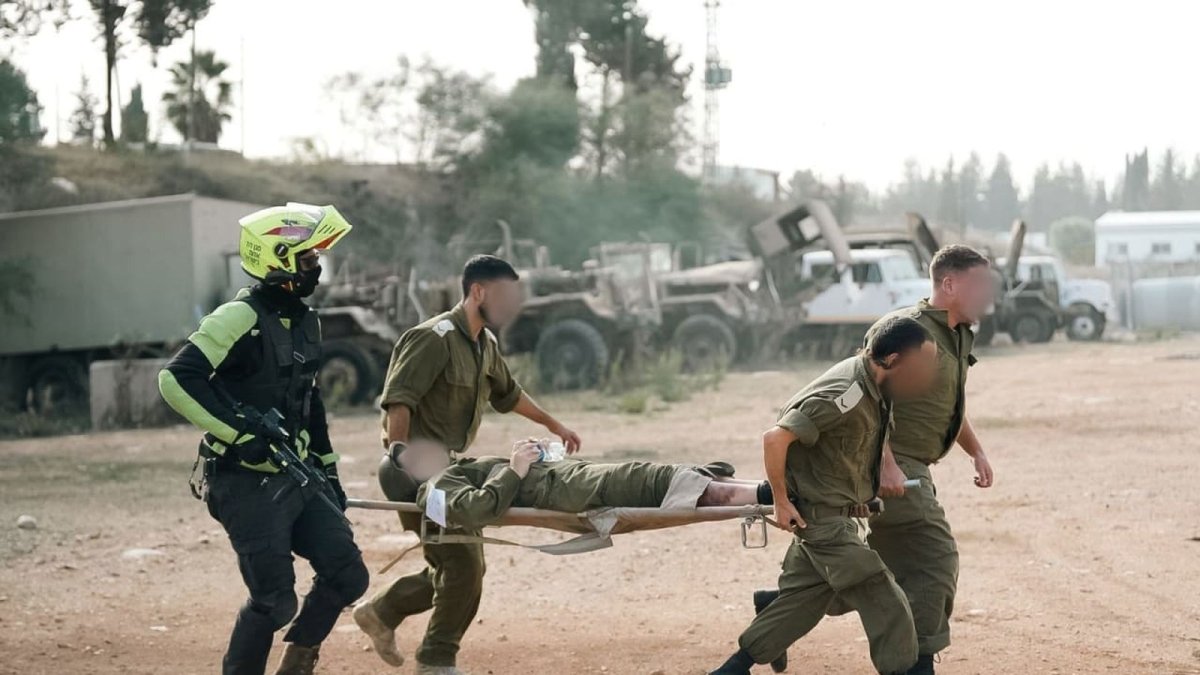
Jerusalem, Israel — The IDF Central Command initiated a large-scale drill on August 6, 2026, simulating extreme scenarios with concurrent operations across several arenas amid manpower shortages. Central Command Chief Maj. Gen. Avi Bluth oversees the exercise, which prioritizes coordination with the IDF Operations Directorate handling active missions in Lebanon, Syria, and the Gaza Strip. The drill directly addresses rising Houthi threats that began with their first strike on Israel on March 28, 2026, one month after Operations Roaring Lion and Epic Fury against Iran.
Central Command Drill Focuses on Force Sparsity Challenges
Maj. Gen. Avi Bluth directed the exercise to evaluate responses when the IDF must manage crises with limited personnel while the Operations Directorate maintains priority missions in northern and southern sectors. The scenario incorporates the October 7 model adapted to the West Bank, with coordinated terrorist raids hitting multiple communities at once. Officials from the IDF confirmed that the drill also includes mass disturbance responses tied to potential Palestinian Authority collapse after succession struggles over the chairman position.
Houthi Attacks Escalate Against Saudi Oil Tankers
On August 5, 2026, Houthi spokesman Yahya Saree claimed ballistic missile strikes on two Saudi oil tankers, including the Saudi-flagged NCC Wafa near Yanbu, bringing the total to eight Saudi vessels targeted since the Houthi blockade started on July 22. Shipping through the Strait of Hormuz and Bab el-Mandeb dropped sharply on August 6, with only three vessels crossing the key waterways amid the disruptions. The Red Sea port city of Eilat has faced repeated Houthi missile threats since the campaign began, prompting repeated IDF interceptions.
Jordanian Border Infiltration Risks and Eastern Front Threats
Security officials identified a developing threat of Houthi operatives entering Jordan via Syria to reach Israel's eastern border for ground infiltration. Despite the establishment of Division 96 and the completion of the Hourglass fence along with a dedicated fire control center, criminal organizations continue exploiting the same routes for drug and weapons smuggling. The IDF confirmed these corridors could quickly convert into pathways for terrorism if Houthi coordination with local networks succeeds. Israel's eastern border gained strategic weight after the 1967 Six-Day War and the 1994 peace treaty with Jordan, yet persistent smuggling networks continue to test security cooperation. The Central Command exercise under Maj. Gen. Avi Bluth prioritizes coordination with the IDF Operations Directorate, which manages active missions in Lebanon, Syria, and Gaza, leaving limited resources for eastern defenses. Houthi operatives reaching Israeli territory would compound risks from concurrent arenas, directly linking the Red Sea escalation that began with their March 28, 2026, strike on Israel to potential ground threats. This eastern front focus matters for Israeli security because any successful infiltration would strain Shin Bet monitoring and IDF rapid response capabilities already stretched by manpower shortages. The drill signals to regional actors that Israel views Houthi coordination with Iran and the Axis of Resistance as extending beyond maritime attacks to land-based operations across the Jordanian frontier.
West Bank Scenarios Mirror October 7 Tactics and PA Instability
The core of the Central Command exercise replicates coordinated terrorist raids targeting multiple West Bank communities simultaneously, combined with widespread disturbances. Palestinian expectations center on routine re-establishment of pre-October 7 conditions before Ramadan, including renewed work permits for Israel. The IDF maintains heightened alert levels across checkpoints and settlements in the West Bank to counter these modeled threats. The drill replicates the October 7 model in the West Bank through simulated coordinated terrorist raids on multiple communities, combined with mass disturbances that could trigger collapse of the Palestinian Authority amid succession struggles for the PA chairman position. These scenarios unfold against Palestinian expectations of returning to pre-October 7 conditions before Ramadan, including renewed access to work in Israel. The exercise tests responses under the same force sparsity that limits simultaneous operations across Lebanon, Syria, and Gaza. Security implications extend to settlements and checkpoints where daily life for Israeli civilians and security forces faces heightened disruption from potential multi-site attacks. Shin Bet plays a central role in intelligence coordination during the drill, identifying threats that mirror tactics used on October 7 while monitoring PA stability. Central Command Chief Maj. Gen. Avi Bluth oversees integration of these West Bank contingencies with broader multi-arena readiness. Such planning underscores why West Bank instability directly affects Israeli domestic security and regional dynamics, as PA succession crises could open additional fronts at a time when Houthi threats and manpower constraints already challenge IDF Operations Directorate priorities.
Axis of Resistance Coordination with Iran and 2026 War Context
Houthi leader Abdulmalik al-Houthi stated the group operates in full coordination with Iran and the Axis of Resistance, including Hezbollah, Iraqi militias, and Hamas. US President Trump labeled the Houthis a surrogate of Iran and warned that Washington will hold Tehran responsible for continued attacks. The IDF has intercepted multiple Houthi missiles aimed at central Israel, including the June 8, 2026, launch that marked the first such fire since the April 8 ceasefire. The 2026 Iran war timeline began with Operations Roaring Lion and Epic Fury on February 28, followed by the Israeli strike that killed Khamenei and the April 7 ceasefire that took effect April 8. During the conflict, 39 IDF soldiers and 23 civilians were killed while 7,693 people were injured in ballistic missile attacks across Israel, with 18 US soldiers also killed according to CENTCOM figures. The IDF Central Command drill on August 6, 2026, incorporates these lessons into responses against Houthi coordination with Iran, Hezbollah, Iraqi militias, and Hamas under Abdulmalik al-Houthi's declared full coordination framework. On June 8, Houthis fired missiles at central Israel for the first time since the ceasefire, with one intercepted and one falling short, after which Yahya Saree announced a complete ban on Israeli vessels in the Red Sea. US strikes on Houthi targets followed, accompanied by statements from Trump holding Iran responsible as the Houthis' surrogate. These developments directly inform the multi-arena scenarios tested by Central Command Chief Maj. Gen. Avi Bluth amid ongoing manpower shortages. The Axis of Resistance connections explain why the drill addresses simultaneous threats from multiple directions, linking the Iran war casualties and Houthi missile activity to current readiness efforts that prioritize coordination with the IDF Operations Directorate.
Economic and Diplomatic Fallout from Houthi Blockade
Shipping through Hormuz and Bab el-Mandeb collapsed to only three vessels crossing on Wednesday following the Houthi blockade that began July 22, during which eight Saudi oil tankers have been targeted, including the August 5 attacks claimed by Yahya Saree on NCC Wafa in the Red Sea and Gulf of Aden. These disruptions affect global energy markets and Israel's Eilat port, which has faced repeated Houthi targeting since the campaign started after the March 28, 2026, strike on Israel. The August 6 Central Command drill signals to regional actors Israel's preparedness to manage such economic pressure alongside military threats. Diplomatic efforts involve the US, Saudi Arabia, Egypt, and Jordan to address the maritime crisis and prevent further escalation. The exercise under Maj. Gen. Avi Bluth tests coordination with the IDF Operations Directorate while highlighting how Houthi actions, backed by Iranian coordination with the Axis of Resistance, impact daily Israeli economic security and energy supply lines. This fallout matters for Israeli readers because reduced shipping volumes through key chokepoints compound the security challenges already evident in the Red Sea and Gulf of Aden, reinforcing the need for multi-arena readiness amid ongoing force sparsity.
Implications for Israeli Security and Diplomacy
These simultaneous pressures force the Prime Minister's Office and Foreign Ministry to balance immediate border defenses with broader diplomatic efforts involving the US and regional partners. The drill outcomes will shape IDF deployment decisions across the Jordan Valley and southern sectors while the Knesset reviews manpower policies. Daily life in Eilat and border communities remains affected by ongoing alerts, with residents adapting to frequent siren drills and restricted maritime activity. Israeli security planners now assess how sustained Houthi pressure and potential West Bank instability could reshape force allocation through the end of 2026, particularly if PA succession issues trigger wider unrest before Ramadan.
By Hannah Berg, Staff WriterThis article was produced with AI-assisted research and editorial support. Reporting is based on sources cited in the article.
What's Your Reaction?
 Like
0
Like
0
 Dislike
0
Dislike
0
 Love
0
Love
0
 Funny
0
Funny
0
 Wow
0
Wow
0
 Sad
0
Sad
0
 Angry
0
Angry
0
Israel Correspondent at Global1.News. Based in Tel Aviv, covering Israeli politics, security, technology, and society. Provides balanced, deeply-sourced reporting on one of the most closely-watched regions in the world.










Comments (0)