
Huckabee: Hamas Hasn't Surrendered 'One Gun' as Disarmament Deal Stalls
The gap between Washington's diplomatic ambitions and the reality on the ground in Gaza has rarely been starker. As the Trump administration touts a historic disarmament framework, US Ambassador to Israel Mike Huckabee concedes that Hamas has not handed over a single weapon, exposing the fragility of a process that was supposed to end the war.
The gap between Washington's diplomatic ambitions and the reality on the ground in Gaza has rarely been starker. As the Trump administration touts a historic disarmament framework, US Ambassador to Israel Mike Huckabee concedes that Hamas has not handed over a single weapon, exposing the fragility of a process that was supposed to end the war. With Iran threatening retaliation in Europe and Israeli elections weeks away, the region stands at a precarious crossroads where rhetoric and action are increasingly out of sync.
Huckabee: Hamas Has Not Surrendered 'One Gun' as Disarmament Deal Stalls
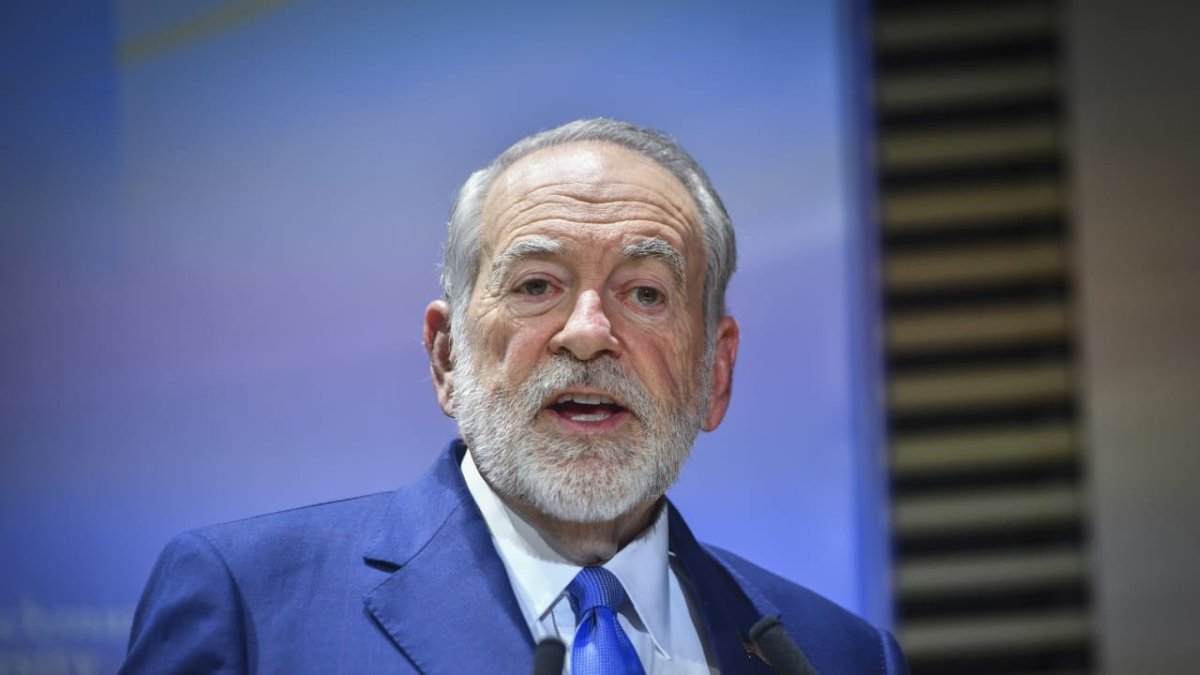
Jerusalem, Israel – August 19, 2026 — US Ambassador to Israel Mike Huckabee has delivered a blunt reality check on the Trump administration's flagship Gaza disarmament initiative, telling Al Arabiya English that Hamas has not surrendered "one gun" despite its pledge to disarm. In an exclusive interview with Melinda Nucifora on Counterpoints, Huckabee argued that Israel cannot be expected to change its security posture without seeing concrete action from the militant group, underscoring the deep skepticism that continues to plague the phased agreement brokered in Cairo.
The Disarmament Gap: Rhetoric vs. Reality
Huckabee's comments land as a significant admission from a senior US official, effectively confirming Israeli assessments that the disarmament process has yet to begin in any meaningful sense. The ambassador's framing suggests that Washington, while publicly committed to the deal, is fully aware that Hamas's compliance remains theoretical. "They have not surrendered one gun," Huckabee stated, emphasizing that Israel's continued military posture in the Strip is a direct response to this lack of tangible progress.
The disconnect between the Trump administration's optimistic pronouncements and the on-the-ground reality is striking. When President Trump announced the agreement on social media in late July, he declared it a "HISTORIC agreement for the COMPLETE DISARMAMENT of Hamas and all other armed groups in Gaza," calling it "a monumental step toward lasting PEACE and SECURITY." Yet Hamas negotiator Ghazi Hamad has explicitly stated: "We will not take any action regarding disarmament prior to Israel's withdrawal from the Strip." This chicken-and-egg dynamic has paralyzed the process from the outset, with each side demanding the other move first.
Israel's Skepticism and the 20-Point Framework
Israeli officials have been publicly lukewarm on the agreement, with one stating that "Israel demands the complete disarmament of Hamas, including the removal of weapons from Gaza and the complete demilitarization of the Strip as a precondition for any process." The same official dismissed the framework as insufficient, noting that "the 15-point document in question does not provide a satisfactory response." Huckabee, however, insists that Israel has "never backed away" from Trump's 20-point agreement, even as he acknowledges the fundamental impasse.
The distinction between the 15-point document referenced by Israeli officials and the 20-point agreement cited by Huckabee highlights the confusion surrounding the negotiations. A Hamas source has called the arrangement a "draft agreement," with heavy weapons to be stored and kept under the control of a Palestinian administration rather than transferred to Israel. A US official admitted that Israel is "very skeptical that Hamas will disarm," while expressing confidence that "they will adhere to it. If they don't, obviously President Trump would be very, very disappointed." The timeline remains murky, with a Board of Peace official estimating 200 to 320 days for implementation—a projection that a US official played down.
Iran: Military Option Remains on the Table
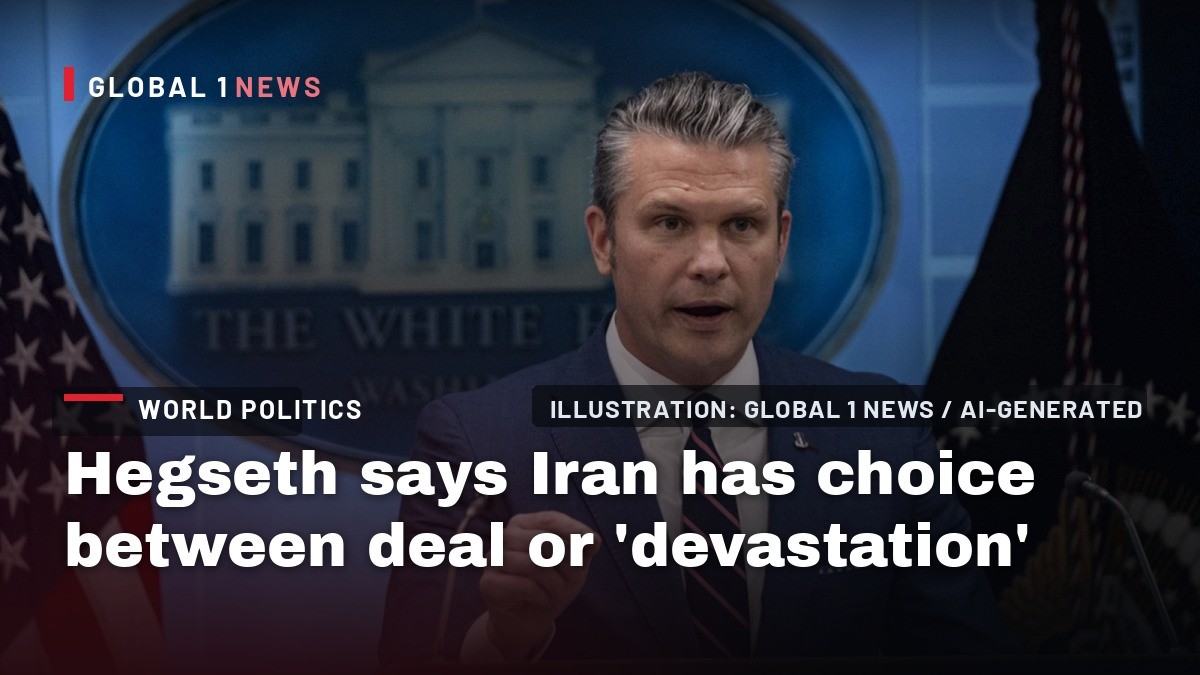
Beyond Gaza, Huckabee struck a hawkish tone on Iran, stating that large-scale military action against the Islamic Republic remains a viable option. "Let's hope that somewhere along the way, that the Iranian regime can wake up to the fact that they're not gonna get a nuclear weapon," he said, adding that Tehran can either "determine they won't have it by result of diplomacy, or the result of activity that they really don't benefit from." The ambassador's comments reflect a Washington that sees military force as a legitimate tool should diplomatic efforts fail.
Huckabee pointed to the cumulative effect of recent military operations, noting that the Iranians are "weakened dramatically, economically, militarily, because of the 12-Day War last year, because of Epic Fury this year." These references to US-Israel operations in 2025 and 2026 suggest a sustained campaign of pressure that has degraded Iran's capabilities. The ambassador reiterated that Iran "will not have" enriched uranium, warning that should Tehran refuse a deal, the US could take military action again. He dismissed Iran's refusal to negotiate a ceasefire extension as "typical," characterizing the regime as portraying itself as strong despite its weakened position.
Regional Flash Points: European Bases and Omani Threats
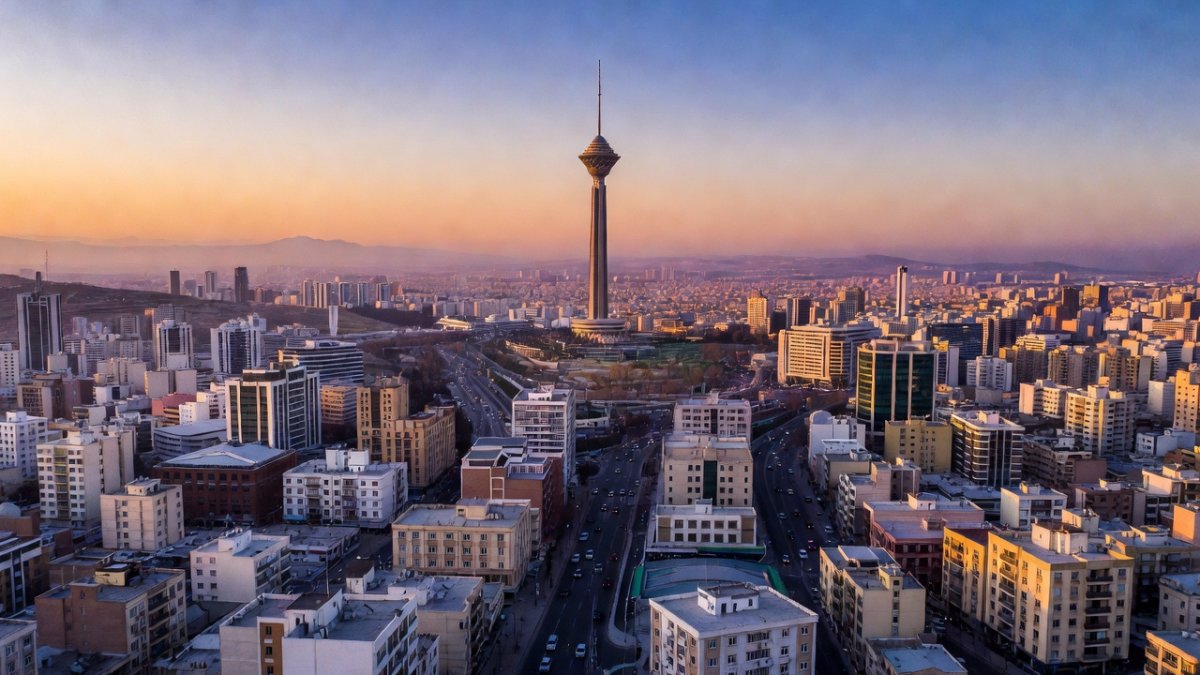
The Iran file carries immediate regional consequences. A Financial Times report from August 19 reveals that Iran has weighed attacking US military targets in Europe should Trump escalate the war, with Iranian forces assessing strikes on American assets in south-eastern European countries such as Bulgaria—which approved use of its Bezmer air base for US refuelling aircraft—and Cyprus. This represents a dangerous expansion of the conflict theater, potentially drawing NATO allies into a confrontation they have sought to avoid.
Trump's own rhetoric has escalated the stakes. In an August 17 Fox News interview, the president told Iran to "put up the white flag of surrender" and threatened to bomb Oman if it "gets in the way" of an Iran deal. Such statements, while characteristic of Trump's negotiating style, risk alienating Gulf partners and complicating the delicate diplomacy required to contain the crisis. Huckabee, for his part, disclosed ongoing diplomatic efforts to establish a trilateral de-escalation mechanism involving Syria, Israel, and Turkey to prevent further military spillovers—a recognition that the conflict's ripple effects extend far beyond the Iranian theater.
West Bank Violence and the 'Unsettlers'
Huckabee also addressed the volatile West Bank, where settler attacks have drawn international condemnation. In the Palestinian village of Qusra, the ambassador did not mince words, calling the attacks "terrorism." "Under the US definition of terrorism, when acts are conducted that cause people to change their behavior, and put them in fear for their lives... that's terror," he said. His characterization of the perpetrators as a "very small minority" who "come in and create trouble" was notable, as was his linguistic innovation: "They're not settlers; they're unsettlers."
The ambassador's willingness to label settler violence as terrorism marks a significant rhetorical shift, even as he frames it as an aberration rather than a systemic issue. "This is an act of crime; it's an act of terror. Stop it," he urged. The comments come amid rising tensions in the West Bank, where the war in Gaza has emboldened extremist elements on both sides. Huckabee's positioning suggests the Trump administration is attempting to balance its pro-Israel stance with the need to address international concerns about settler violence, even as figures like National Security Minister Itamar Ben-Gvir advocate far more aggressive tactics in Gaza.
Gaza's Escalating Toll and Israeli Politics
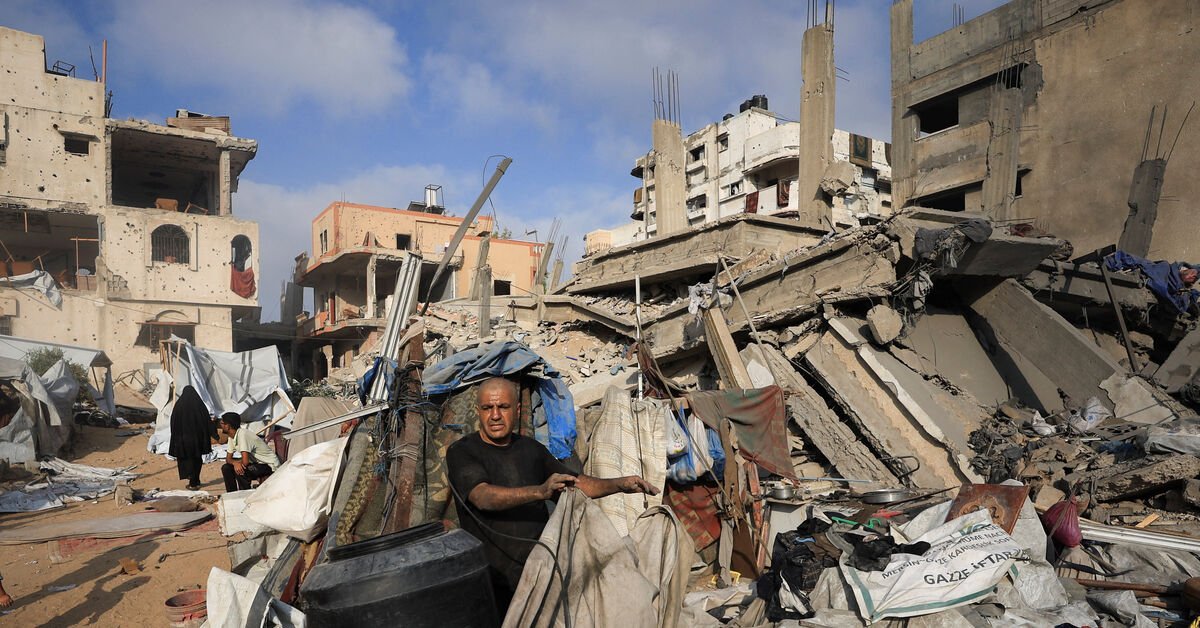
The human cost of the ongoing conflict continues to mount. Nine Palestinian police officers were killed in an Israeli airstrike on a Gaza municipal police headquarters on August 19, a strike that raises questions about the viability of any future Palestinian administration in the Strip. The targeting of police forces—who would presumably be part of the civilian governance structure envisioned in Trump's plan—suggests a fundamental contradiction in Israel's approach. Meanwhile, Ben-Gvir's advocacy for killing "30 to 40" people in Gaza nightly underscores the extreme positions circulating within Israel's governing coalition.
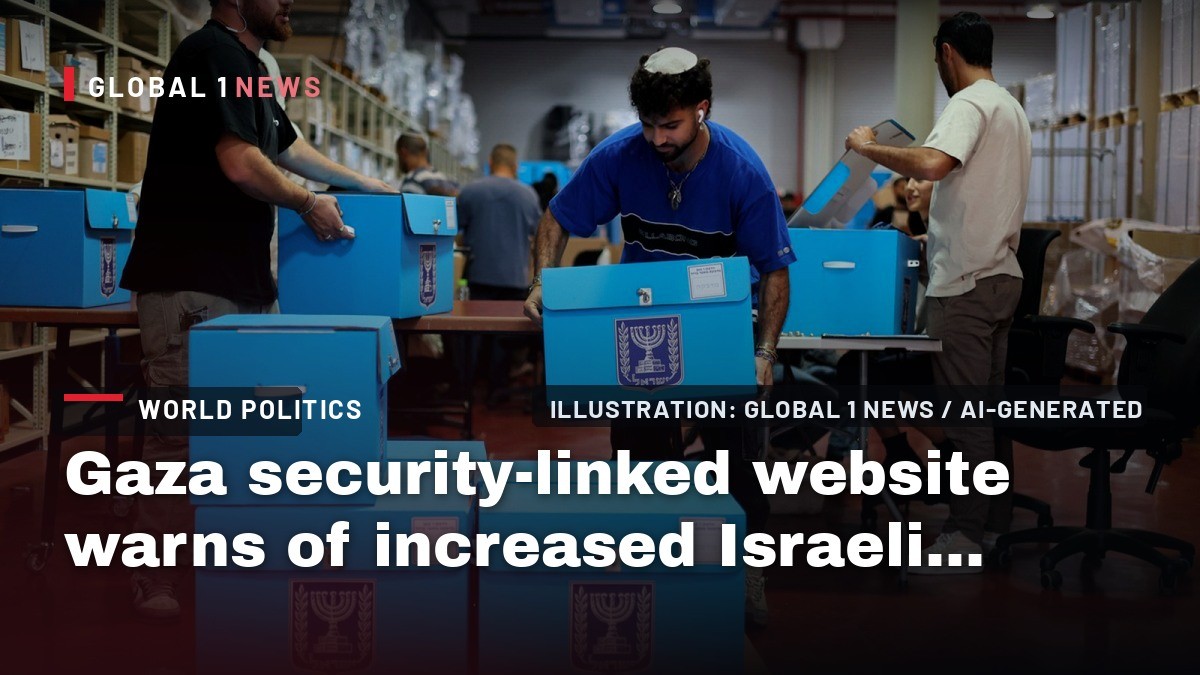
These developments unfold against the backdrop of Israel's October 2026 elections, which Huckabee acknowledged with characteristic diplomatic caution. Trump is "sensitive" and doesn't want to "tip the scale unfairly," the ambassador said, adding that he cannot be involved in Israel's election process. Yet the timing is inescapable: the war in Gaza, tensions with Iran, and the stalled disarmament process will all be central issues in the campaign. The elections could reshape Israel's political landscape, potentially empowering either more hawkish or more pragmatic voices depending on the outcome.
Regional Implications: A Fragile Architecture
The broader regional picture reveals a complex web of alliances and tensions. Huckabee referenced the signatories of the Mecca Joint Defense Agreement working to bolster regional defense posture, suggesting a coordinated Arab response to Iranian threats. This aligns with the Gulf states' ongoing diversification strategies and their deepening security cooperation with Washington and Jerusalem. The Abraham Accords framework continues to provide the backbone for Arab-Israeli normalization, even as the Gaza war strains these relationships.
The disarmament deal's fate will have profound implications for Gaza's future governance. Trump's "Board of Peace," overseen by envoy Nickolay Mladenov, calls for a humanitarian aid surge, a civilian Palestinian administration, Israeli withdrawal, and an international security force. Yet without Hamas's compliance, none of these elements can materialize. The mediators—Egypt, Qatar, and Turkey—each have their own interests in the outcome, with Turkey's involvement reflecting its growing regional assertiveness and its complex relationship with Hamas. As the process stalls, the risk of renewed escalation grows, particularly with Iran seeking to exploit any opening to relieve pressure on itself.
The coming weeks will be critical. With Israeli elections approaching and Iran weighing retaliatory options, the window for diplomatic progress is narrowing. Huckabee's frank assessment suggests that Washington understands the gap between its ambitions and reality, even if it lacks a clear strategy to bridge it. The region watches with bated breath as the Trump administration's grand vision for Gaza meets the hard realities of a conflict that has defied resolution for decades.
By Malik Hassan, Staff Writer
This article was produced with AI-assisted research and editorial support. Reporting is based on sources cited in the article.
What's Your Reaction?
 Like
0
Like
0
 Dislike
0
Dislike
0
 Love
0
Love
0
 Funny
0
Funny
0
 Wow
0
Wow
0
 Sad
0
Sad
0
 Angry
0
Angry
0
Middle East Correspondent at Global1.News. Based in Beirut, covering politics, conflict, energy, and society across the Middle East. Brings context and depth to a region often reduced to headlines.









Comments (0)