
Houthi Drone Strike on Saudi Refinery Deepens Red Sea Crisis
Houthi rebels struck Saudi Aramco's Jazan refinery with a drone and hit Yemen's Mokha port, killing seven, two days after Riyadh signed a defence pact with Turkey and Pakistan. The 400,000-bpd refinery's August 15 restart is now in doubt as Red Sea and Hormuz chokepoints tighten global energy mar...
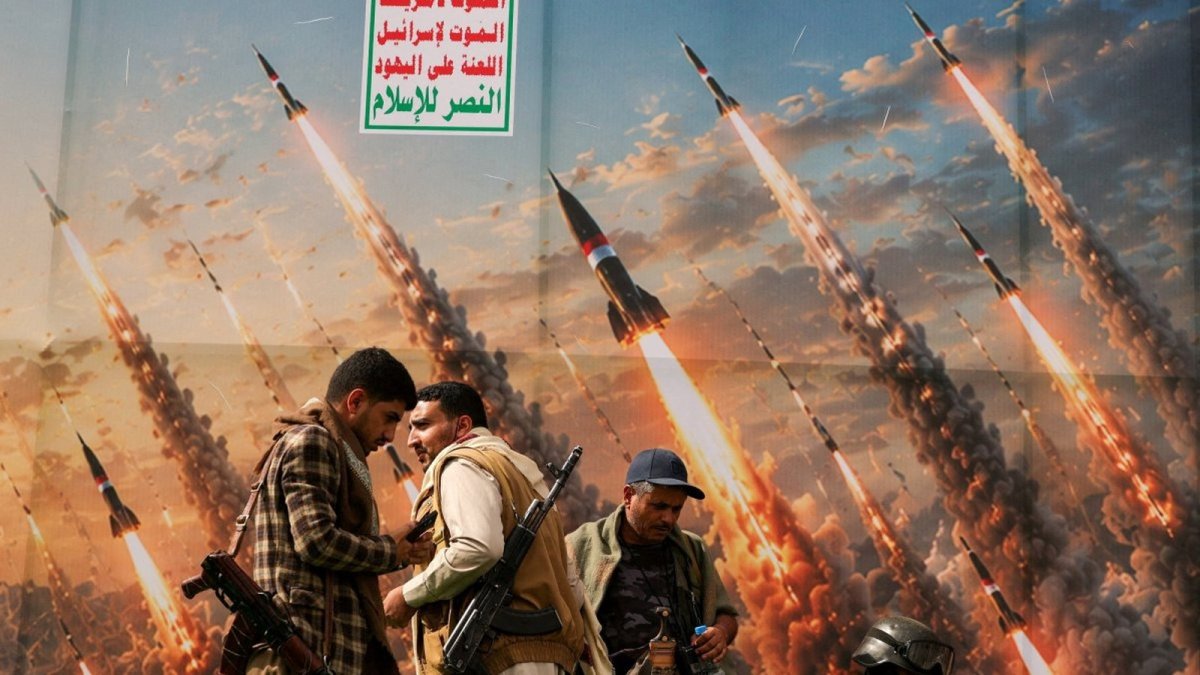
Yemen's Iran-backed Houthi rebels launched a two-front assault on Sunday, striking Saudi Aramco's Jazan refinery on the kingdom's Red Sea coast with a drone and battering the Yemeni port city of Mokha with missiles and drones in an attack that killed seven people and damaged vital infrastructure near the Bab al-Mandeb strait. The twin operations, claimed by Houthi military spokesman Yahya Saree, came just two days after Saudi Arabia, Turkey and Pakistan signed a joint defence pact amid an escalating regional crisis.
Houthi Drone Strike on Saudi Refinery Deepens Red Sea Crisis
Riyadh, Saudi Arabia – August 9, 2026 — Sunday's strike on Jazan was the second direct Houthi attack on the 400,000 barrel-per-day refinery in under three weeks, after a July 24 assault damaged the plant's integrated gasification combined-cycle (IGCC) power unit and tank farm, forcing Aramco to suspend all operations by July 27. The follow-up attack now clouds the facility's planned August 15 restart, injecting fresh supply uncertainty into a market already rattled by Iran's closure of the Strait of Hormuz.
The Attack on Jazan
Saudi Arabia's Energy Ministry said civil response teams extinguished a fire that broke out at dawn Sunday at the Jazan refinery, without disclosing the cause. "Saudi Aramco's industrial security firefighting teams extinguished a fire that broke out at dawn today, Sunday, at one of the facilities belonging to the Saudi Aramco refinery in Jazan, without any injuries," the ministry said, adding that authorities were completing procedures to deal with the incident.
Hours later, Saree said the Houthis "succeeded in targeting the Aramco refinery in Jazan with a drone, and the strike was precise." He described the attack as retaliation for what the group said were Saudi drone incursions into Yemeni airspace over the northern provinces of Saada and Hajjah, along the border with Saudi Arabia's Red Sea provinces.
The Jazan complex, which cost $21 billion to build and is wholly owned by Saudi Aramco, sits roughly 60 kilometres from the Saada border, making it a persistent and difficult-to-defend target. At full capacity, the refinery processes 400,000 barrels of crude daily — about four percent of Aramco's total oil and liquids production — converting crude into gasoline, ultra-low sulphur diesel, benzene and paraxylene.
The Mokha Assault
In a separate operation, the Houthis launched a "large-scale" missile and drone attack on Mokha, a government-controlled port city on Yemen's Red Sea coast near the Bab al-Mandeb strait. Yemen's Transport Minister Mohsen Al Omari said the strike involved at least 25 projectiles and badly damaged recently restored infrastructure, including economic zones, employee housing, warehouses, private fuel stations, storage tanks and other port facilities.
A Yemeni military spokesman said the attack killed seven people, including civilians and military personnel, and involved the use of an explosive-laden boat. Parts of the dock and facilities used for servicing ships and unloading goods and livestock were damaged, the spokesman said, adding that the rebels also tried to destroy a solar power plant supplying electricity to Mokha but failed. Residents confirmed to AFP they heard "six consecutive explosions" in the port.
Saree said the Houthi strikes targeted Saudi troops and weapons depots in the Mokha area, causing widespread destruction and killing and wounding dozens of people, including Saudis. The assault came a day after government forces attacked Houthi positions on several fronts in response to the rebels' recent strikes on government-held areas in central and eastern Yemen.
The Mecca Pact Context
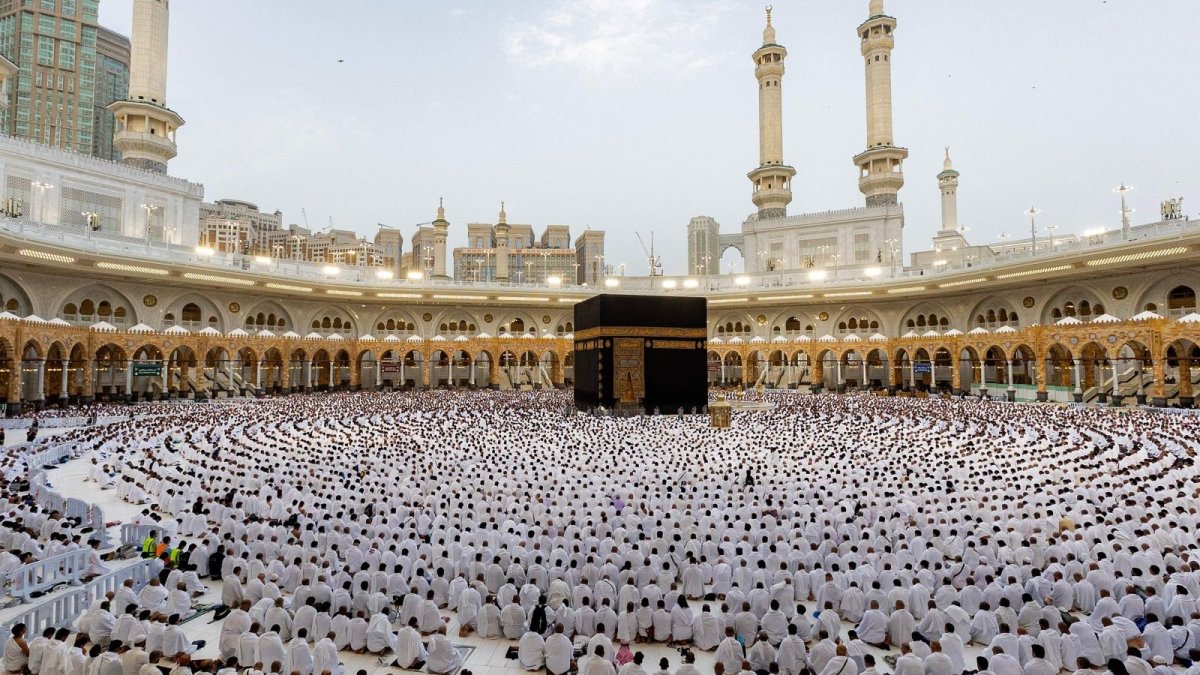
The double assault arrives at a delicate moment for Riyadh. On Friday, Saudi Arabia, Pakistan and Turkey signed a joint defence pact aimed at strengthening regional security, with a stipulation that an armed attack against any of the three would be regarded as an attack on all.
Saudi Foreign Minister Prince Faisal bin Farhan welcomed the agreement as an effort to "unify efforts to confront the challenges and threats" in the region, while Turkish Foreign Minister Hakan Fidan said the new alliance was not directed against Iran or any other country, but rather served as a general pledge to support the three allies' security. Fidan said the allies would decide through consultations what degree, form and format of support they would request in the event of an attack on any of them.
It remains unclear whether or how Pakistan or Turkey would join any Saudi response to Sunday's attacks; neither Ankara nor Islamabad responded to requests for comment on the refinery strike. The pact's collective defence clause is untested, and that operational ambiguity is itself a strategic signal to Tehran and its proxies.
Energy Market Fallout
The Jazan strike carries significance well beyond the facility's perimeter. The refinery has been offline since July 27, when damage from the July 24 attack on its IGCC power unit — the plant's on-site electricity generation system — forced a complete shutdown. Without working power generation, the refinery cannot process crude, and repair crews now face additional assessment from Sunday's drone strike before operations can resume.
The Energy Ministry gave no guidance on revised restart timing. Brent crude futures were indicated at $83.55 early Sunday, up 1.29 percent from Friday's settle of $82.49. At that level, each day the Jazan plant remains offline represents roughly $33.4 million of crude going unprocessed. Since the July 27 shutdown, the plant was on track to miss processing roughly 7.6 million barrels of crude through its planned August 15 restart, valued at approximately $635 million at Sunday's Brent indication.
The precedent is sobering. In September 2019, attacks on Aramco's Abqaiq processing facility and Khurais oil field temporarily removed roughly five percent of global oil supply and sent Brent surging more than 14 percent in a single session. Jazan represents a fraction of that capacity, but the strategic message is identical: Yemen's rebels can reach Saudi energy infrastructure at will, and each attack resets the repair clock.
Aramco chief Amin Nasser said last week the attacks had caused some production interruptions but expressed confidence operations could be restored quickly, with no material operational or financial impact. That assessment now faces a fresh test.
Red Sea and Hormuz: The Blockade Nexus
The Jazan and Mokha strikes are the latest escalation in a widening campaign that now threatens two of the world's most critical maritime chokepoints. The Houthis in July declared a maritime blockade of Saudi Arabia, citing what they said was a Saudi "siege" on rebel-held areas of Yemen, an allegation Riyadh denies. The group has claimed attacks on Aramco facilities in Jazan and Yanbu, Saudi Arabia's principal west coast export gateway, and now threatens shipping through Bab al-Mandeb, the strait linking the southern Red Sea with the Gulf of Aden and the Indian Ocean.
The Red Sea campaign runs in parallel with Iran's closure of the Strait of Hormuz, the world's most important conduit for energy supplies. Iran's Supreme National Security Council, in a statement from secretary Mohammad Bagher Zolghadr, a former Islamic Revolutionary Guard Corps commander, said the strait would not reopen until Washington "corrects its behaviour." Zolghadr demanded that the United States never threaten Iran again, permanently end the war with Tehran and its regional allies, end the naval blockade of Iranian ports, withdraw its military from the area, "completely compensate" Iran for war damage, lift sanctions and unconditionally release frozen assets.
Iranian Foreign Minister Abbas Araghchi said Saturday that Tehran and Oman were close to reaching an agreement on navigation through the strait, "specifically the determination of a transit route," but that reopening remained contingent on other conditions. He blamed the situation on what he called US violations of the June memorandum of understanding between Washington and Tehran. The UAE said Saturday that a ship affiliated with its state oil company had been targeted by an Iranian missile, underscoring the reach of the campaign against Gulf energy assets. In Tehran, final say rests with Supreme Leader Mojtaba Khamenei, unseen in public since an airstrike killed his father and predecessor on the war's first day.
Regional Implications
Sunday's attacks amount to a stress test for the new Saudi-Turkey-Pakistan axis and for Washington's ability to manage a war that has already redrawn Middle East alignments. Rashad al-Alimi, head of Yemen's Saudi-backed presidential council, briefed US Chargé d'Affaires to Yemen Neil Hop on the developments, saying the Houthi attacks put a responsibility on the international community, foremost among them the United States, to "move beyond only containing the Houthi threat to addressing its sources and instruments."
The 2022 truce that largely quieted the Yemen front has collapsed, and the escalatory spiral is accelerating. On Friday, more than 17 people were killed in a Houthi attack on the central province of Marib, with three others killed in strikes on areas hosting internally displaced civilians. Government sources told The National that dozens of Yemeni troops have been killed in recent Houthi attacks.
For Saudi Arabia, the calculus is growing more complex by the day. The kingdom is simultaneously prosecuting a decade-old war in Yemen, defending critical energy infrastructure against a resurgent Houthi threat, and managing the fallout from a US-Israeli war on Iran that has closed Hormuz and drawn in Iranian-aligned groups across the region. The defence pact with Turkey and Pakistan signals Riyadh's search for security architecture beyond the American umbrella, even as Washington remains the dominant external actor in the region.
The second-order effects extend to global energy markets. With Hormuz shut and the Red Sea increasingly contested, the world is losing redundancy in its energy supply routes. Should the Houthis make Bab al-Mandeb unusable, Saudi Arabia would be deprived of an alternative to the Strait of Hormuz, concentrating the global oil trade through an even narrower set of corridors. The Jazan refinery will eventually be repaired; Mokha's port rebuilt. The deeper question is whether the regional order that made such infrastructure investments viable can survive the current escalation.
By Malik Hassan, Staff Writer
This article was produced with AI-assisted research and editorial support. Sources: Daily Sabah, The National, Al Jazeera, Reuters, The Guardian, Oil Authority.
What's Your Reaction?
 Like
0
Like
0
 Dislike
0
Dislike
0
 Love
0
Love
0
 Funny
0
Funny
0
 Wow
0
Wow
0
 Sad
0
Sad
0
 Angry
0
Angry
0

Middle East Correspondent at Global1.News. Based in Beirut, covering politics, conflict, energy, and society across the Middle East. Brings context and depth to a region often reduced to headlines.














Comments (0)