
Ecuador's Remote Andean Community Holds Keys to Cancer Prevention Through Rare Genetic Condition
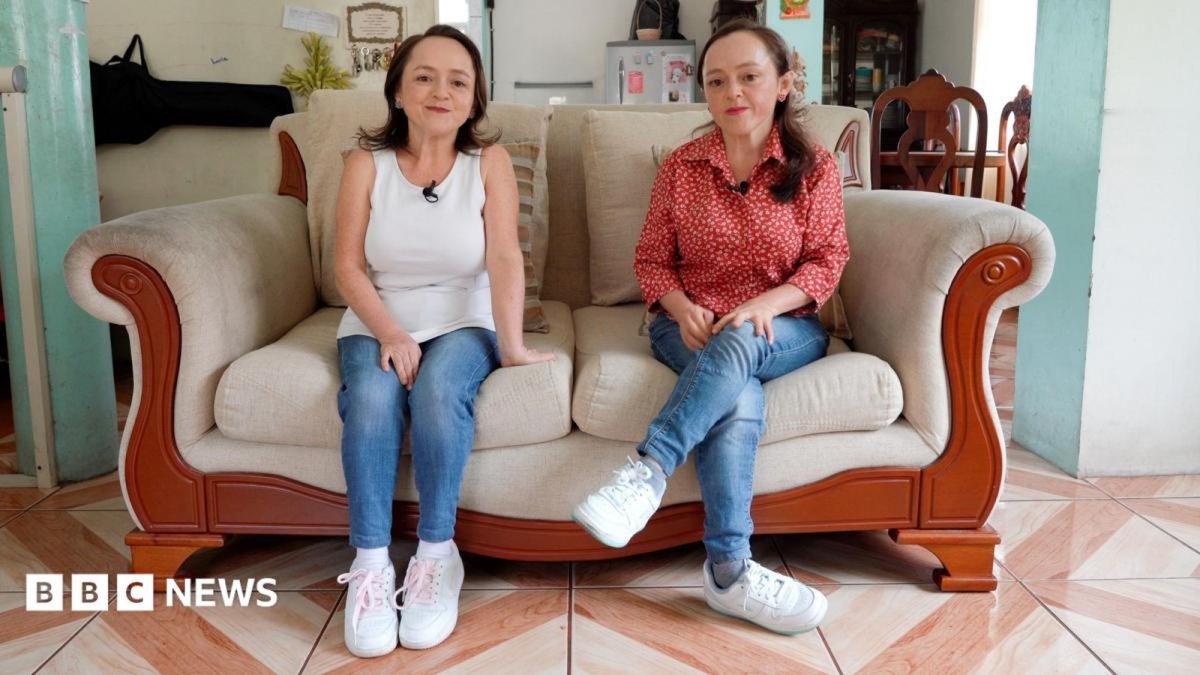
Twin sisters in Piñas, Ecuador, live with Laron syndrome, a rare genetic condition that limits growth to 1.2m — and may hold the key to cancer prevention.
Ecuador's Remote Andean Community Holds Keys to Cancer Prevention Through Rare Genetic Condition
In the scattered houses of Piñas, a town of 8,000 residents nestled in southern Ecuador's Andes mountains, twin sisters María Luisa Romero and María del Cisne live with Laron syndrome, a genetic disorder that caps adult height at 1.2 meters. Their daily resilience, shared with dozens of others in the valley, now draws global scientific attention because residents with the condition show dramatically lower rates of cancer and diabetes. Researchers see in this isolated Ecuadorian community a potential blueprint for treatments that could protect millions across Latin America and beyond from two of the region's leading killers. The story emerging from El Oro and Loja provinces illustrates how Latin America's rural realities can reshape worldwide medical understanding.
Life in Piñas: Strength Through Shared Experience
María Luisa and María del Cisne describe their bond as a daily source of strength while navigating the practical challenges of short stature in a region where infrastructure and social attitudes often overlook people of their height. "We're always strong, we pool our strength and one defends the other," María Luisa explains as she sits on a sofa next to her sister. They run a chocolate-making business and dream of expanding it into a small factory, activities that keep them connected to local markets and neighbors.
Living among others with the same condition in Piñas reduces the isolation that surfaces when they travel to other parts of Ecuador, where stares and pointing remain common. The twins remember studying away from home as a difficult period. "They had never seen short persons like us there, so everyone looked at us strangely. They pointed at us. It was odd," María Luisa adds. Their mutual support helps them handle both the physical demands and the emotional weight of daily life in southern Ecuador's valleys, and they say sharing the experience — "the good and the bad" — has made the challenges more bearable.
Understanding Laron Syndrome and Its Genetic Roots
Laron syndrome, also called growth hormone insensitivity, stems from a mutation that blocks the body from using its own growth hormone, halting height development after early childhood. The condition is recessive, so affected individuals must inherit the altered gene from both parents. Globally, 840 people are known to have it, with the largest concentration in Ecuador's southern provinces of El Oro and Loja.
Historical migration patterns traced the mutation from ancient Indonesia, where it originated thousands of years ago, westward along merchant routes as carriers travelled, according to Professor Zvi Laron. He believes Sephardic Jewish communities carrying the mutation later migrated to different continents, and some travelled to the Americas, settling in isolated areas where generations of endogamous marriage increased its prevalence. In Latin America, such genetic clusters highlight how geography and social history intersect with health outcomes in rural communities.
Decades of Ecuadorian Research Reveal Protective Effects
Endocrinologist Dr Jaime Guevara has studied Laron syndrome in Ecuador for 40 years, partnering with Dr Valter Longo of the University of Southern California for the past 22 years on a detailed comparison of roughly 100 patients and 1,600 relatives of normal height living in the same villages. Over that period, the team recorded zero cases of diabetes and only one non-fatal cancer among those with Laron syndrome, while 5 percent of the relatives developed diabetes and 17 percent developed cancer.
The researchers attribute the difference to the absence of Insulin-like Growth Factor 1, or IGF-1, which normally prevents cancer cells from undergoing apoptosis — the process by which damaged cells die. Guevara says that replicating this biological state through future drugs or diets could deliver major public-health gains for Latin American populations facing rising cancer burdens tied to limited screening access. "It would be a great contribution from this wonderful community to the world," he says.
Israeli Findings Broaden the Global Picture
Professor Zvi Laron, who first identified the syndrome 60 years ago while treating patients in Israel, continues his work at Tel Aviv University and Clalit-Schneider Children's Medical Center, where he heads endocrinology research. His long-term documentation of 70 patients over 58 years has similarly noted reduced cancer incidence, though he stresses that IGF-1 levels explain only part of the protection. He points out that Laron patients who received treatments containing IGF-1 as children to help them grow also did not develop cancer — a sign the mechanism runs deeper than one hormone.
A new paper compiling all known cases of the mutation identified between 1966 and 2025 is expected to be published later in July, offering the first complete count of patients and receptor variants. Laron emphasizes that ongoing research on mice and pigs — animals genetically very similar to humans — is required to clarify the remaining mechanisms. "I will try to find out the answer for as long as I work," he adds. These parallel investigations connect Latin America's clinical observations with decades of Middle Eastern research, creating a rare cross-continental effort centered on one small Ecuadorian population.
Treatment Access Barriers Highlight Regional Inequities
The drug Increlex, developed 15 years ago, can increase height when given during growth periods, yet its high cost and narrow eligibility window create steep obstacles for Ecuadorian families. Each bottle exceeds $800, and a child requires at least three bottles monthly, totaling more than $2,400. Treatment is approved only for ages two to 18 and carries risks of serious side effects, and it is produced by a single pharmaceutical company, leaving families with no alternative supplier.
Mayra Loaiza's two-year-old daughter Camila in Piñas was scheduled to begin therapy six months ago but has yet to receive the first dose, leaving her mother anxious about the future. "I want my daughter to have as normal a life as possible. I don't want her to be discriminated against because of her size," Mayra says, adding that she is confident the drug will boost Camila's height. Such delays reflect broader Latin American challenges in securing specialized medications for rare conditions outside major urban centers, where public health systems often prioritize more common diseases.
Personal Journeys of Adaptation and Caution
María del Cisne's colon cancer diagnosis two years ago, followed by surgery and chemotherapy, shattered the twins' earlier assumption of complete immunity and prompted them to adopt stricter exercise and diet routines. "That made us realise that we weren't, as we thought, completely immune to these diseases. We had to take care of ourselves," they said after the diagnosis. At 40, the sisters missed the treatment window available to younger patients, yet they have built lives that include raising children Matías and Lucía, both of whom lack the syndrome and, at eight years old, already stand taller than their mothers.
The twins accept their stature while acknowledging that earlier access to Increlex might have spared them emotional hardship. "We now accept ourselves as we are, but the treatment would have saved us a lot of heartache," says María Luisa. Their experience underscores the human stakes behind the scientific promise: even as the Piñas community contributes knowledge that could benefit global health, residents continue facing everyday barriers to care that many Latin American families recognize. For the region's public health systems, the lesson is twofold — invest in the science that rare communities can unlock, and close the access gaps that keep life-changing treatments out of reach for the very people who made the discovery possible.
By Elena Vasquez, Staff Writer
This article was produced with AI-assisted research and editorial support. Reporting is based on sources cited in the article.
What's Your Reaction?
 Like
0
Like
0
 Dislike
0
Dislike
0
 Love
0
Love
0
 Funny
0
Funny
0
 Wow
0
Wow
0
 Sad
0
Sad
0
 Angry
0
Angry
0

Latin America Correspondent at Global1.News. Based in Mexico City, covering politics, economics, energy, and culture across the region. Brings an on-the-ground perspective to stories spanning from the Rio Grande to Patagonia.














Comments (0)