
Hasan Piker to Reapply for UK Visa Under New PM Andy Burnham
Hasan Piker, the American Twitch streamer with 3.1 million followers, has confirmed he will reapply for a UK visa after Andy Burnham became Prime Minister on 20 July 2026.
Hasan Piker, the American Twitch streamer with 3.1 million followers, has confirmed he will reapply for a UK visa after Andy Burnham became Prime Minister on 20 July 2026. The move comes after the Home Office blocked his entry in June, saying his presence would not be conducive to the public good and citing potential risk.
Hasan Piker Signals Visa Reapplication as Burnham Takes Charge at Downing Street
London, UK – 5 August 2026 — The 35-year-old commentator, born in New Brunswick, New Jersey on 25 July 1991, told Channel 4 News he would of course seek to return after the change of government. His planned appearances at the Oxford Union and SXSW London were cancelled when the Home Office refused him entry alongside his uncle, Cenk Uygur.
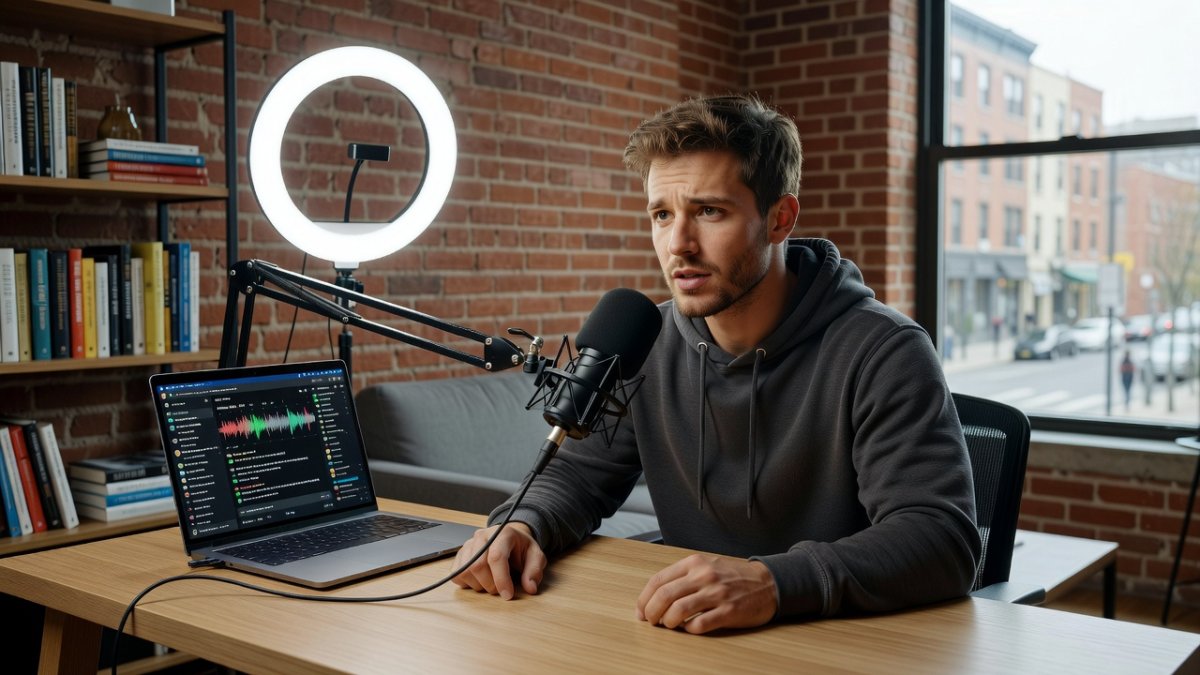
The June 2026 Home Office Decision
The refusal prevented Piker from addressing the Oxford Union in person, though the society arranged a live-stream alternative. The Home Office stated the decision rested on his “potential risk” and that his presence “may not be conducive to the public good.” Piker had been due to speak on the Gaza war, where he has advocated for Palestinians since October 2023. Free speech campaigners criticised the move, while Donald Trump and Vice-President JD Vance had already flagged British free speech issues in August 2025.
The timing of the refusal, issued ahead of both the Oxford Union debate and SXSW London, underscored the Home Office’s willingness to apply immigration powers to high-profile political commentators. SXSW London, positioned as a major tech and culture festival, had drawn significant attention to the case, raising questions about how festival programming intersects with border controls. The decision also arrived against a backdrop of heightened scrutiny over campus speech, with UK universities placed at the centre of Israel-Palestine debates since October 2023.
Analysts note that the refusal reflected long-standing Home Office criteria on “public good,” yet its application to a digital influencer with a global audience signalled a shift in how such powers are exercised. The live-stream workaround at the Oxford Union preserved some access for students, but it also highlighted the limits placed on in-person exchange. With Burnham’s government already signalling a review of inherited policies, including the early prison release scheme paused on 4 August 2026, the Piker case offers an early test of whether immigration decisions will be revisited.
Piker’s Position on Antisemitism and Israel Criticism
During the Channel 4 News interview published on 4 August 2026, Piker acknowledged that some British Jews feel unsafe when anti-Israel criticism crosses into antisemitism. He maintained he has always opposed antisemitism and described a “false association” between Judaism and Zionism. The same interview examined why far-right politics appears to be gaining ground in both the UK and the United States.
The boundary between legitimate criticism of Israeli policy and antisemitism remains a contested issue in Westminster, monitored closely by groups such as the Community Security Trust. Piker’s framing of a “false association” echoes debates that have intensified since October 2023, when campus protests and public discourse around Gaza placed universities under sustained pressure. His insistence on separating Judaism from Zionism aligns with positions held by some progressive voices, yet it has drawn accusations from others that such distinctions are insufficient to protect Jewish communities.
Observers point out that Piker’s reach—3.1 million Twitch followers and 1.87 million YouTube subscribers—amplifies these tensions. His commentary on the Israeli-Palestinian conflict has shaped discourse among younger audiences on both sides of the Atlantic, making any UK appearance a potential flashpoint. The interview’s dual focus on antisemitism and the rise of far-right politics further illustrated how these issues are increasingly linked in public debate, with the new Prime Minister facing calls to clarify where the line between security and expression will be drawn.
Political Activity in the United States
Piker, who left The Young Turks in January 2020 after beginning streaming in March 2018, now boasts 1.87 million YouTube subscribers and 1.06 billion views. He is currently in Michigan campaigning for progressive Democratic candidates Abdul El-Sayed and Donavan McKinney in the 2026 primaries. His involvement has divided the Michigan Democratic Party, with opponents Mallory McMorrow and Haley Stevens criticising his past remarks on the Israeli-Palestinian conflict.
Piker’s transition from cable news to independent streaming has positioned him as one of the most influential left-wing voices among younger voters. His departure from The Young Turks allowed greater editorial freedom, which he has used to focus on foreign policy and domestic progressive causes. The scale of his online audience—exceeding many traditional media outlets—has made his endorsement a sought-after asset in primaries, even as it provokes internal party friction.
In Michigan, his support for Abdul El-Sayed and Donavan McKinney has highlighted generational divides within the Democratic Party. Critics within the party argue that his past statements risk alienating moderate voters, while supporters view his involvement as energising turnout among those disillusioned by mainstream approaches to the Israeli-Palestinian conflict. This domestic political role adds another layer to the UK visa question, as British officials weigh the implications of hosting a commentator whose influence extends well beyond commentary into active campaigning.
Reaction and Response
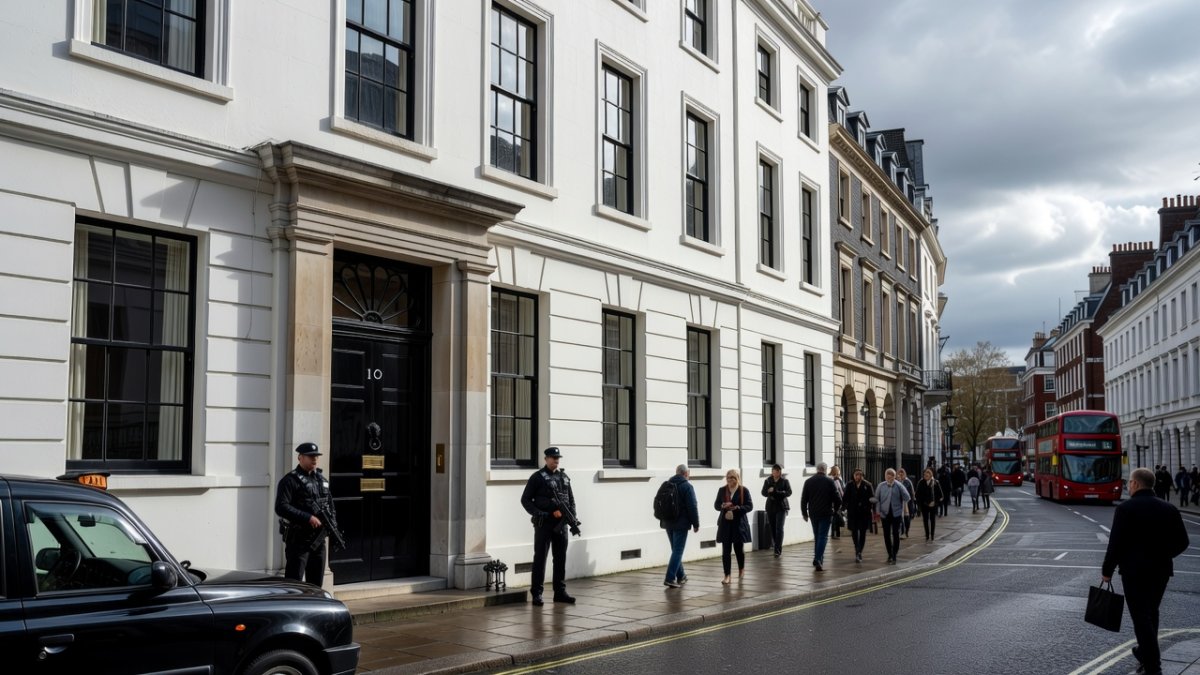
Free speech campaigners have condemned the Home Office refusal as an overreach that undermines Britain’s reputation for open debate, particularly on university campuses. They argue that live-stream alternatives cannot substitute for physical presence and that the decision sets a troubling precedent for international speakers invited to events such as the Oxford Union or SXSW London. Jewish community groups, meanwhile, have expressed support for the original ban, citing concerns over rising antisemitic incidents tracked by the Community Security Trust and the need to protect communities already feeling vulnerable since October 2023.
Oxford Union figures have emphasised their commitment to free expression while noting the practical constraints imposed by the visa decision. The society’s decision to proceed with a live-stream preserved some engagement, yet members have voiced frustration that external border controls now shape internal programming choices. MPs across parties have begun to question whether the Burnham government will maintain or adjust the previous administration’s approach, with some calling for greater parliamentary oversight of “public good” assessments.
The Home Office has so far maintained that each case is judged on its individual merits, without commenting on future applications. Downing Street has indicated that the new Prime Minister’s early focus on justice and home affairs, including the pause of the early prison release scheme, reflects a broader willingness to review inherited policies. How these stakeholder positions influence the handling of Piker’s anticipated reapplication will test the government’s balancing of security, community relations and expression.
What This Means for the UK
The case highlights tensions between the Home Office’s immigration powers and public debate on university campuses and at festivals such as SXSW London. Constituencies across Greater Manchester, where Burnham previously served as mayor, and university towns including Oxford will watch closely how the new Prime Minister balances security assessments with free expression. Jewish communities in London and Manchester have voiced concerns about rising antisemitism, while student groups at the Oxford Union argue that excluding international speakers limits open discourse.
The episode also reflects wider shifts in how digital influencers are treated under immigration rules. With audiences often larger than those of legacy media, figures like Piker carry influence that governments can no longer ignore. Burnham’s arrival at Downing Street, following his tenure as Mayor of Greater Manchester, brings fresh scrutiny to how regional and national priorities align on issues of security and speech.
University towns and festival organisers are now assessing whether similar invitations will face comparable obstacles. The live-stream precedent at the Oxford Union may become a template, yet it also risks normalising restricted access. As the government reviews multiple inherited policies, the Piker case offers an early indication of whether immigration decisions will be recalibrated to accommodate evolving forms of political communication.
The Bottom Line — What Comes Next
If Piker submits a fresh application, the Home Office under the Burnham government will again assess whether his presence meets the public good test. Any decision will be scrutinised by the Foreign Office and Parliament, particularly given earlier comments from Washington on British free speech. The outcome will shape how the UK handles high-profile political commentators amid ongoing debates over immigration rules, antisemitism, and the right to criticise foreign governments.
The reapplication process will unfold against a backdrop of continued monitoring by the Community Security Trust and ongoing campus debates. Burnham’s administration has already demonstrated a readiness to pause or review certain policies, suggesting that inherited visa decisions may not be treated as settled. Observers expect the Foreign Office to weigh diplomatic considerations, especially given prior American commentary on UK free speech standards.
Ultimately, the case will test whether the new government can reconcile competing pressures from security assessments, community concerns and the demands of open discourse. The handling of Piker’s renewed application may set the tone for how similar cases are managed in the years ahead, particularly as digital platforms continue to amplify political voices across borders.
By Erica Thornton, Staff WriterThis article was produced with AI-assisted research and editorial support. Reporting is based on sources cited in the article.
What's Your Reaction?
 Like
0
Like
0
 Dislike
0
Dislike
0
 Love
0
Love
0
 Funny
0
Funny
0
 Wow
0
Wow
0
 Sad
0
Sad
0
 Angry
0
Angry
0

US Politics and Policy Correspondent at Global1.News. Based in Washington DC, covering American politics, policy, elections, and the courts. Knows how the system works and tells you what it actually means.














Comments (0)