
Gulf of Paria Tensions Escalate as Venezuela Demands Answers from Port of Spain
Venezuela Presses Formal Claim Over May Spill As of this week in August 2026 Venezuela has formally demanded information and compensation from Trinidad and Tobago over the oil spill first detected on 1 May. Caracas maintains the incident originated in Trinidadian waters and caused serious environmen
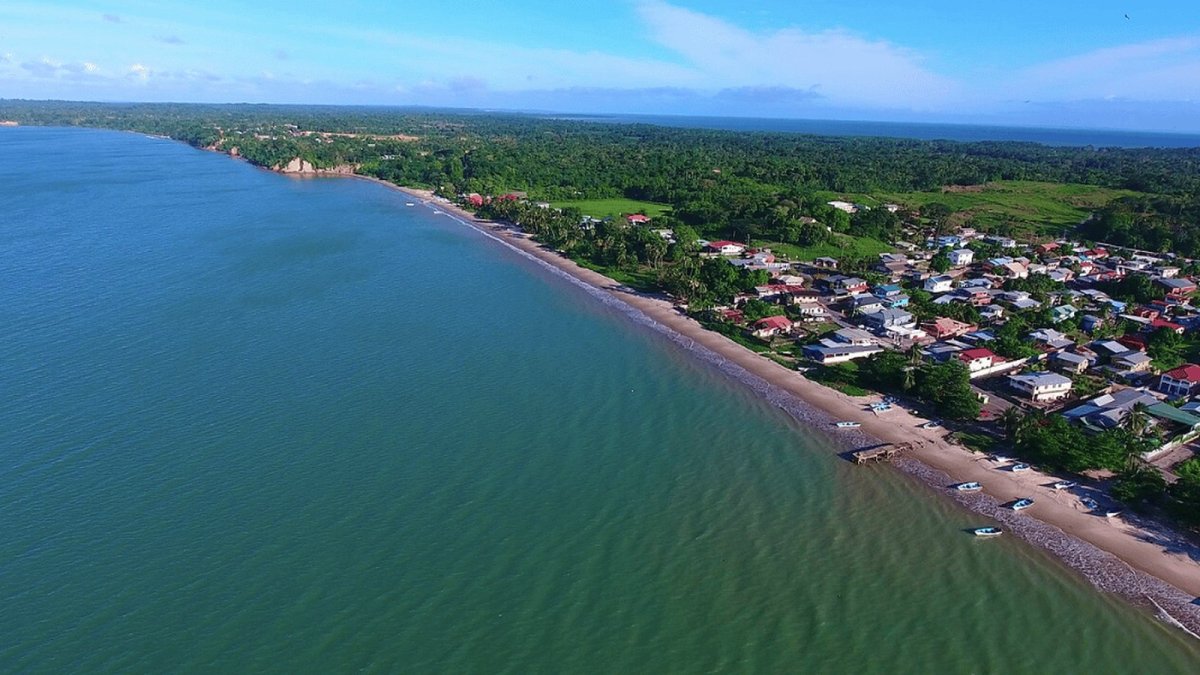
Venezuela Presses Formal Claim Over May Spill
As of this week in August 2026 Venezuela has formally demanded information and compensation from Trinidad and Tobago over the oil spill first detected on 1 May. Caracas maintains the incident originated in Trinidadian waters and caused serious environmental damage to shared Gulf of Paria ecosystems. Port of Spain continues to dispute the scale of the event and rejects any suggestion of ongoing liability.
The Incident at Main Soldado Field
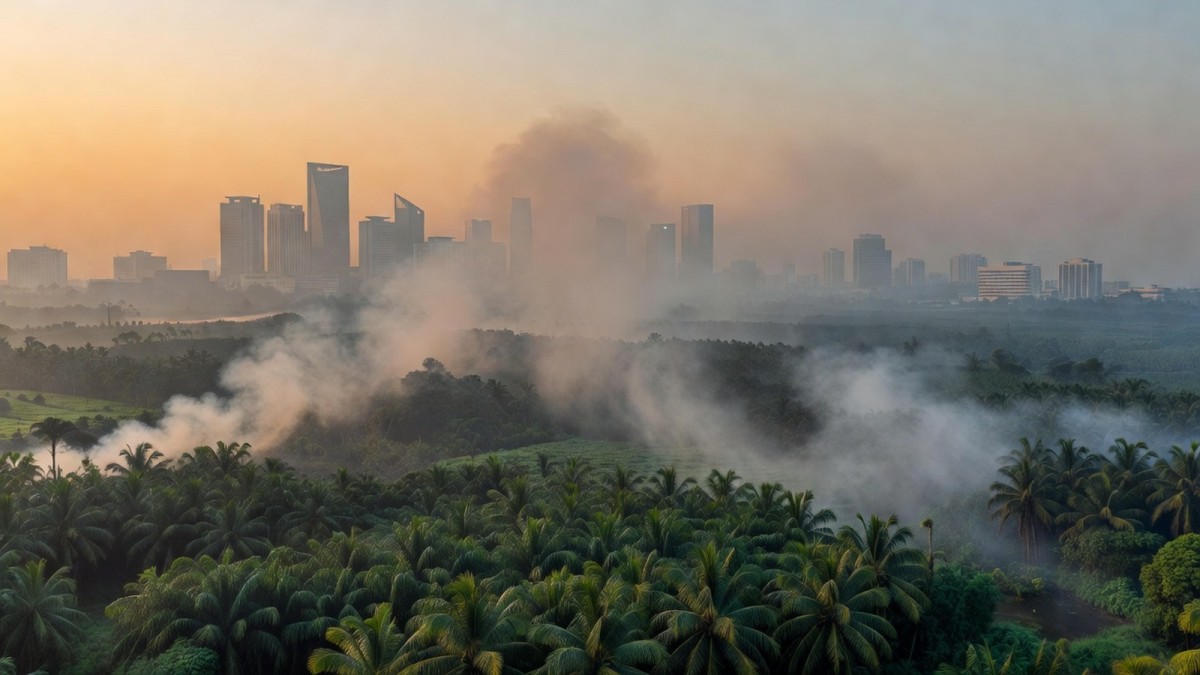
On 1 May 2026 an oil spill was detected at Riser Platform No. 2 in the Main Soldado Field located in Trinidad waters. State-owned Heritage Petroleum Company Limited estimated the release at approximately 10 barrels. The company stated the spill was contained the same day and that repairs were completed with the platform returned to service on 2 May. Trinidad and Tobago's Minister of Energy and Energy Industries Dr Roodal Moonilal described the spill as minor with an estimated 10 barrels released.
Heritage Petroleum stands as the state-owned successor that stepped into the legacy left by Petrotrin, carrying forward the responsibility of managing offshore platforms that have long supported Trinidad and Tobago's energy output. In a region where infrastructure has aged alongside decades of production, regular maintenance becomes essential to prevent small issues from growing into larger concerns. The Gulf of Paria, with its busy waters and shared ecosystems, means that even limited releases draw close attention from communities who rely on the sea for their daily bread.
The company's operational response, with containment completed the same day and repairs allowing the platform to return to service quickly, reflects the practical steps taken to limit any spread. For families across the south-west peninsula, such incidents remind everyone how tightly energy work and coastal life remain connected. Quick action helps maintain trust, yet it also highlights why ongoing vigilance around older facilities matters for keeping both production steady and the surrounding waters protected.
Duelling Accounts of Damage and Responsibility
Between 9 and 10 May 2026 Venezuela denounced the spill before the international community. Venezuela's Foreign Minister Yvan Gil said the incident had caused serious environmental damage along the coastlines of at least two states Sucre and Delta Amacuro and in the shared Gulf of Paria threatening mangroves and wetlands. Venezuelan authorities claimed the spill affected about 647 square miles roughly 1 625 square kilometres including areas around twelve strategic wetlands and four national parks. Trinidad and Tobago has maintained that the release remained limited and was quickly brought under control.
The gap between a contained release and wider claims of impact across shared waters points to the real challenge of verifying what actually crossed borders in the Gulf of Paria. Independent scientific checks become vital so that both sides can move beyond estimates and build a clearer picture of any effects on the marine environment. Without agreed data, discussions risk staying stuck in differing interpretations that leave communities uncertain about the true state of their coastlines.
Mangroves and wetlands play a central role in shielding shores from erosion while supporting the rich biodiversity that sustains fisheries on both sides. Their health directly affects how well the Gulf can recover from any disturbance. Cross-border environmental matters often turn to established international avenues such as UNCLOS for guidance on responsibility and compensation, yet these processes require careful cooperation and shared evidence to reach fair outcomes that respect the needs of neighbouring nations.
Diplomatic Exchanges and the May Bilateral Meeting
On 19 May 2026 Foreign Minister Yvan Gil held a press conference demanding compensation from Trinidad and Tobago over the spill. Three days later on 22 May 2026 Trinidad and Tobago and Venezuela held a bilateral-hybrid meeting on cooperation over cross-border hydrocarbon spills. Venezuela's delegation was led by Freddy Nanez Minister of Popular Power for Ecosocialism. Both sides agreed to continue exchanging information as scientific work and technical investigations continue. Venezuelan officials have since alleged a second larger spill originating from Trinidad and Tobago and have continued to press the demand that Port of Spain take responsibility.
Impact on Gulf Communities and the Energy Sector
The Gulf of Paria remains central to the livelihoods of fisherfolk on both the Trinidad and Venezuelan sides. Any dispute over pollution quickly touches questions of food security and household incomes already strained by regional inflation. Heritage Petroleum operates in waters that once formed part of the Petrotrin legacy and the company continues to manage production platforms that support national revenue. Neighbouring coastal communities in Trinidad and Tobago watch developments closely because even contained incidents can affect mangrove ecosystems and the small-scale fisheries that sustain families across the south-west peninsula.
Fisherfolk on both Trinidad and Venezuelan sides of the Gulf depend on steady catches to feed their households and supply local markets, where seafood forms a key part of daily meals and regional food security. Any uncertainty around water quality quickly adds pressure to already stretched family budgets, especially in places like Point Fortin and the La Brea area where many residents balance fishing with other work. The cost-of-living challenges make transparent updates on the marine environment all the more important for those who earn their living from the sea.
At the same time, the government must weigh the steady revenue from energy operations against the need to protect coastal ecosystems that support small-scale livelihoods. Heritage Petroleum's platforms continue to contribute to national income, yet residents watch closely to ensure environmental safeguards keep pace. This balancing act touches every community that has grown up alongside the industry, reminding everyone how energy and everyday life remain deeply intertwined in the south-west peninsula.
Broader Trinidad-Venezuela Relations in Context
Maritime boundaries and energy cooperation between the two countries have long carried a complicated history. The current disagreement arrives against a backdrop of ongoing technical talks and shared interest in stable hydrocarbon operations. CARICOM partners have followed the exchange because any escalation could influence regional environmental standards and cross-border protocols. For Trinidad and Tobago the matter also intersects with efforts to maintain reliable energy output while addressing public concerns about environmental protection in the Gulf.
Maritime boundary talks between Trinidad and Tobago and Venezuela have carried a long and layered history shaped by their shared geography across the Gulf of Paria. Neighbouring waters have always required careful negotiation to manage resources and maintain stability, with both countries recognising the value of practical cooperation on energy matters. Offshore gas development interests in the region add another layer, as stable operations benefit the wider Caribbean economy.
CARICOM partners follow these exchanges because any tension can influence how regional environmental standards and cross-border protocols develop over time. Venezuela's broader regional posture also plays into the picture, yet the focus remains on keeping channels open for technical discussions. For Trinidad and Tobago, the priority stays on protecting reliable energy output while addressing public concerns about the Gulf, a balance that affects livelihoods across the islands and beyond.
What Comes Next for Both Nations
Technical investigations and information sharing agreed at the May meeting are still under way. Observers in Port of Spain and Caracas will monitor whether further data leads to additional bilateral steps or renewed public statements. Fisherfolk and environmental groups on both coasts continue to call for transparent updates on water quality and any long-term effects on wetlands. The episode underscores how even a limited spill can ripple through diplomatic channels and local economies in the Caribbean.
By Sharon Sahatoo, Staff WriterThe information-sharing and technical investigations agreed during the May meeting offer a practical path forward, allowing experts from both sides to work through data together and build a common understanding of conditions in the Gulf. In practice, this means continued monitoring of water quality and joint reviews that can help reduce uncertainty for everyone involved. Such steps keep the focus on evidence rather than public disagreement.
If the matter requires further handling, options could include continued bilateral talks or, where needed, involvement of neutral third parties to support resolution. Transparency remains essential for fisherfolk and environmental groups who want regular updates on any long-term effects. Caribbean readers should watch for steady progress reports from the technical teams and any signs that cooperation is helping both nations manage shared waters responsibly in the weeks ahead.
This article was produced with AI-assisted research and editorial support. Reporting is based on sources cited in the article.
What's Your Reaction?
 Like
0
Like
0
 Dislike
0
Dislike
0
 Love
0
Love
0
 Funny
0
Funny
0
 Wow
0
Wow
0
 Sad
0
Sad
0
 Angry
0
Angry
0

Caribbean Correspondent at Global1.News. Based in Port of Spain, Trinidad, covering Caribbean politics, economy, energy, climate, and culture. Amplifying the voices and stories of the Caribbean region.











Comments (0)