
Barbados, Belize, Dominica and St Vincent and the Grenadines Make History with Full Free Movement
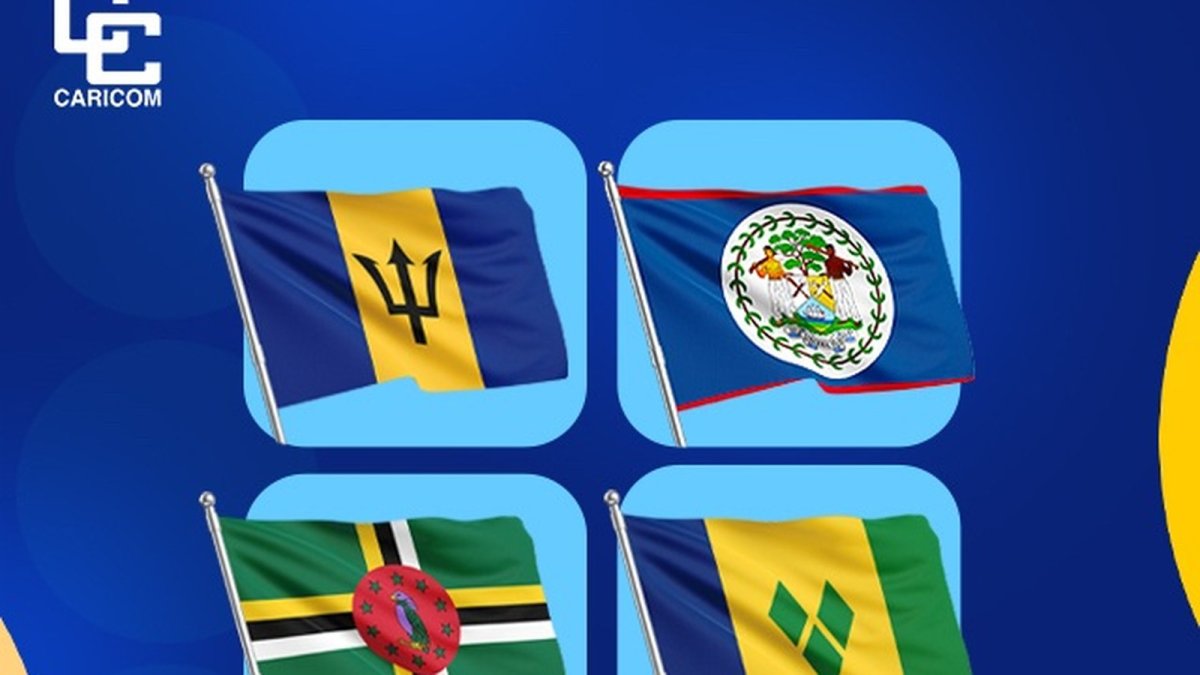
Barbados, Belize, Dominica and St Vincent and the Grenadines made history on 1 October 2025 with full free movement of nationals, allowing citizens to live, work and remain indefinitely across the four territories in a landmark test for deeper CARICOM integration.
Something historic is happening in our Caribbean neighbourhood, and it feels like the dawn of a new chapter for regional integration. As of Wednesday 1 October, nationals of Barbados, Belize, Dominica and St Vincent and the Grenadines can now travel to any of these four territories to live, work and remain indefinitely, without the old six-month visitor limits or the constraints of the skills certificate regime. For everyday Caribbean people, this is the promise of the CARICOM Single Market and Economy (CSME) finally taking a tangible, human form.
This is not just a bureaucratic adjustment; it is a profound statement about who we are as a people and what we want our region to become. The decision, approved by CARICOM Heads of Government at their July meeting in Montego Bay, Jamaica, represents a bold experiment in deeper integration that could reshape the way we think about work, family and belonging across the region.
Four Nations, One Space: A New Era for CARICOM Nationals
Bridgetown, Barbados — The wait is over for citizens of four CARICOM member states who can now treat the region as a single, seamless space for opportunity. Under the Enhanced Cooperation Protocol to the Revised Treaty of Chaguaramas, Barbados, Belize, Dominica and St Vincent and the Grenadines have implemented full free movement among themselves, a move that allows their nationals to reside, work and remain indefinitely in any of the four territories. This arrangement, which began on 1 October, also grants access to emergency and primary health care, as well as public primary and secondary education for children, removing many of the practical barriers that have long hindered regional mobility.
The significance of this milestone cannot be overstated. For decades, Caribbean people have moved across the region for work and family, but always under the shadow of temporary permits and bureaucratic hurdles. Now, for nationals of these four countries, the region is truly open. The move is a direct response to the slow pace of integration that has frustrated leaders and citizens alike, and it signals a willingness to pursue progress through a smaller, more agile coalition of willing states.
Context and Background: The Long Road to Integration
The journey to this point has been a long and often frustrating one. At the 49th Regular Meeting of the Conference of Heads of Government in Montego Bay, Jamaica, in July, the mood was one of impatience. Jamaica's Prime Minister Dr Andrew Holness, then CARICOM Chairman, captured the sentiment at the closing media conference: "On the CARICOM Single Market and Economy, we agreed that the pace and scope of implementation was just too slow, and we agreed that we will do everything in our power to speed up implementation."
That frustration has been a constant theme in regional discussions for years. The CSME, which was supposed to create a single economic space, has been hampered by uneven implementation and a lack of political will in some quarters. The decision by the four countries to move ahead under the Enhanced Cooperation Protocol, which allows groups of at least three member states to pursue deeper integration, is a pragmatic workaround that keeps the dream alive while others catch up. Holness noted that the four nations reiterated their willingness to implement full free movement under this protocol, which was signed by all member states, making it a legitimate and potentially expandable framework.
For Jamaica, the path has been more cautious. Holness acknowledged this, stating: "Due to our legislative framework and other considerations, we have had to move with greater consideration. However, it is our intention to speed up the implementation of full free movement. Jamaica is indeed committed to this." This careful approach highlights the varying domestic political realities across the region, but the commitment to eventual participation remains clear.
What Full Free Movement Means for Nationals
For the average citizen of Barbados, Belize, Dominica or St Vincent and the Grenadines, the change is transformative. Previously, a national from one of these countries could enter another CARICOM state for up to six months, but working legally required a CARICOM Skills Certificate and a job offer under the approved categories. Now, they can simply pack up and move, with the right to work in any sector, stay indefinitely, and access essential public services.
This removes a significant layer of uncertainty for families and individuals seeking better opportunities. A teacher from Dominica can now take up a post in Barbados without navigating the skills certificate process. A construction worker from St Vincent can find work in Belize and know that his children will be able to attend school. The arrangement also includes access to emergency and primary health care, which is a crucial safety net for those who might otherwise delay seeking medical attention due to cost or residency status.
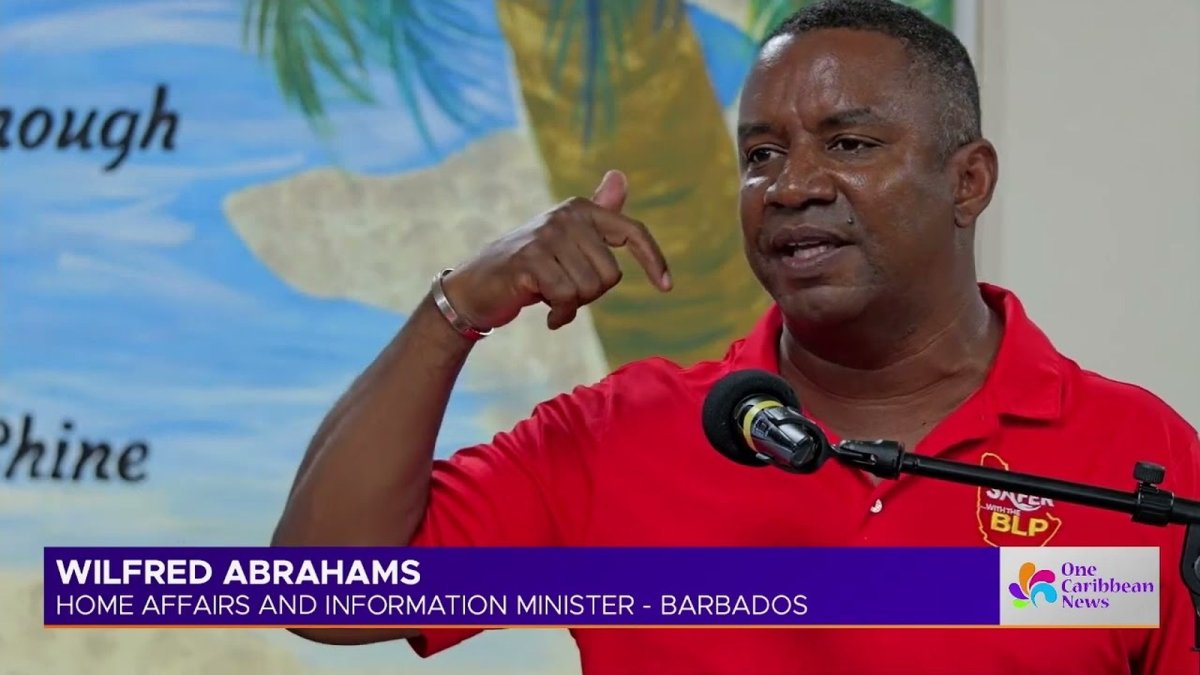
Barbados Minister of Labour Colin Jordan has been proactive in ensuring a smooth transition. He said the Ministry of Labour will serve as the central point of contact for individuals arriving under the free movement agreement, coordinating registration for national insurance and the Barbados Revenue Authority (BRA). "What we don't want is to put people through a situation where we tell them run here, run there," Jordan explained, signalling a welcome, people-centred approach to implementation. He also noted that CARICOM already pools national insurance contributions among member states, allowing workers to combine contributions from different countries to meet benefit thresholds, which will ease concerns about pension and social security continuity.
Caribbean and Regional Impact: A Test Case for the Future
The October rollout is widely seen as a major test case for how full free movement could work across the entire Community. It is a central part of CARICOM's broader 2030 agenda for deeper economic and social integration. If the four-country arrangement proves successful, it could provide a blueprint for other member states to follow, potentially leading to a truly borderless Caribbean.
However, the impact extends beyond just the movement of people. Prime Minister Holness also highlighted the need to boost intra-regional trade, which he noted accounts for "probably less than 15 per cent" of total regional trade. A committee headed by the foreign ministers and trade ministers of Jamaica and Barbados is examining how to reduce non-tariff barriers, which are often more significant obstacles than tariffs themselves. The free movement of labour is intrinsically linked to the free movement of goods and services; a more integrated labour market could stimulate economic activity and create new opportunities for businesses to expand regionally.
The International Organization for Migration (IOM) has also weighed in, noting that this new era offers a chance to capture and analyse data on migration in real time. This will allow policymakers to track the impact of free movement on migration flows, wages, social services and community well-being, providing valuable evidence for future policy decisions. This data-driven approach is essential for managing the transition and addressing any unforeseen challenges.
Local Perspectives and Community Impact
Reactions from across the region have been largely positive, though tempered with realism. Julian Rogers, a veteran Barbadian-born broadcaster and regional commentator now based in Belize, called the initiative "music to my ears." He reflected on the long history of the idea, saying: "We've been trying to do this since 1947... That really is the heart of it." He affectionately called the four countries "the quartet in this choir of the Caribbean," a phrase that captures both the harmony and the distinct voices within the region.
Rogers also sought to allay fears of a mass influx of people overwhelming smaller states. He pointed out that in the first week, only around ten people moved under the new arrangement. "People don't just get up and move unless they have a job, a school for their children, and a way to sustain themselves. That's the reality," he said. This pragmatic view suggests that the feared "flood" of migrants is unlikely to materialise, and that the arrangement will primarily benefit those with genuine opportunities or family connections.
However, not all perspectives are without caution. Damion Gordon, a lecturer in the Department of Government at The University of the West Indies (UWI), Mona, told The Gleaner that Jamaica could face "ideological, institutional and implementation hurdles" in building national consensus for unrestricted free movement. He noted that in over 52 years since CARICOM's establishment, member states have made little progress in cultivating a strong regional identity, which can make it difficult to sell the idea of open borders to a domestic audience. Gordon also observed that the four pioneering countries share relatively small population sizes, relatively strong and stable currencies, macroeconomic stability, and generally favourable domestic security environments, factors that make the experiment less risky for them. Dominica and St Vincent and the Grenadines are also members of the Organisation of Eastern Caribbean States (OECS), which has allowed free movement among the nine-member subregional group since 2009, giving them valuable prior experience.
Official Response and Next Steps
The official response from the participating governments has been one of cautious optimism and a commitment to making the arrangement work. Barbados has taken a leading role in preparing its administrative systems, with the Ministry of Labour acting as the central coordinating body. The Barbados Accreditation Council (BAC) has confirmed that Barbadians will still require a CARICOM Skills Certificate to work in the other CARICOM member states outside the four-country arrangement, clarifying that this new protocol does not supersede existing rules for the wider Community.
For Jamaica, the next steps involve navigating its own legislative framework. Holness has committed to speeding up implementation, but the process will require careful consultation and legislative changes. The other CSME member states that have not signed on to full free movement continue to facilitate movement of their nationals under the existing regime for skilled workers, the provision of services and the operation of businesses. This means that while the four-country arrangement is a significant leap forward, the region remains a patchwork of different levels of integration.
Post-launch reporting from the Jamaica Gleaner in October has confirmed that Jamaica is expected to face hurdles in joining, underscoring the political and logistical complexities involved. The committee examining non-tariff barriers is also expected to report back with recommendations, which could further stimulate intra-regional trade and economic cooperation.
Looking Ahead: A New Chapter for the Caribbean
As the four pioneering nations begin this journey, the rest of the Caribbean will be watching closely. This is more than just a policy change; it is a test of our collective will to build a truly integrated region. The success of this arrangement could pave the way for a more expansive free movement regime, bringing the dream of a single Caribbean space closer to reality. It speaks to the very heart of what it means to be Caribbean — a people connected by history, culture and a shared vision for the future.
The challenges are real, from legislative hurdles in some states to the need for robust data collection and administrative coordination. But the potential rewards are immense: a more dynamic labour market, stronger family ties across borders, and a renewed sense of regional identity. For the people of Barbados, Belize, Dominica and St Vincent and the Grenadines, the Caribbean has just become a little smaller and a lot more open. For the rest of us, it is a hopeful glimpse of what is possible when we commit to the ideal of unity in diversity.
This article was produced with AI-assisted research and editorial support. Sources: One Caribbean Television, CARICOM, Barbados Today, The Gleaner, St Vincent Times, Virgin Islands News Online.
By Sharon Sahatoo, Staff Writer
What's Your Reaction?
 Like
0
Like
0
 Dislike
0
Dislike
0
 Love
0
Love
0
 Funny
0
Funny
0
 Wow
0
Wow
0
 Sad
0
Sad
0
 Angry
0
Angry
0

Caribbean Correspondent at Global1.News. Based in Port of Spain, Trinidad, covering Caribbean politics, economy, energy, climate, and culture. Amplifying the voices and stories of the Caribbean region.










Comments (0)