
Ferry Capsizes Off Northern Cyprus: 8 Dead, 18 Missing in Filo Jet Disaster
The Filo Jet, a high-speed catamaran ferry packed with 259 passengers and eight crew members, capsized and sank within minutes of leaving the port of Kyrenia on Sunday afternoon, turning a routine summer crossing into a deadly maritime disaster. At least eight people are dead and 18 remain missing, according to Turkish Interior Ministry figures, even as rescue teams pulled more than 237 survivors from the churning waters off Northern Cyprus.
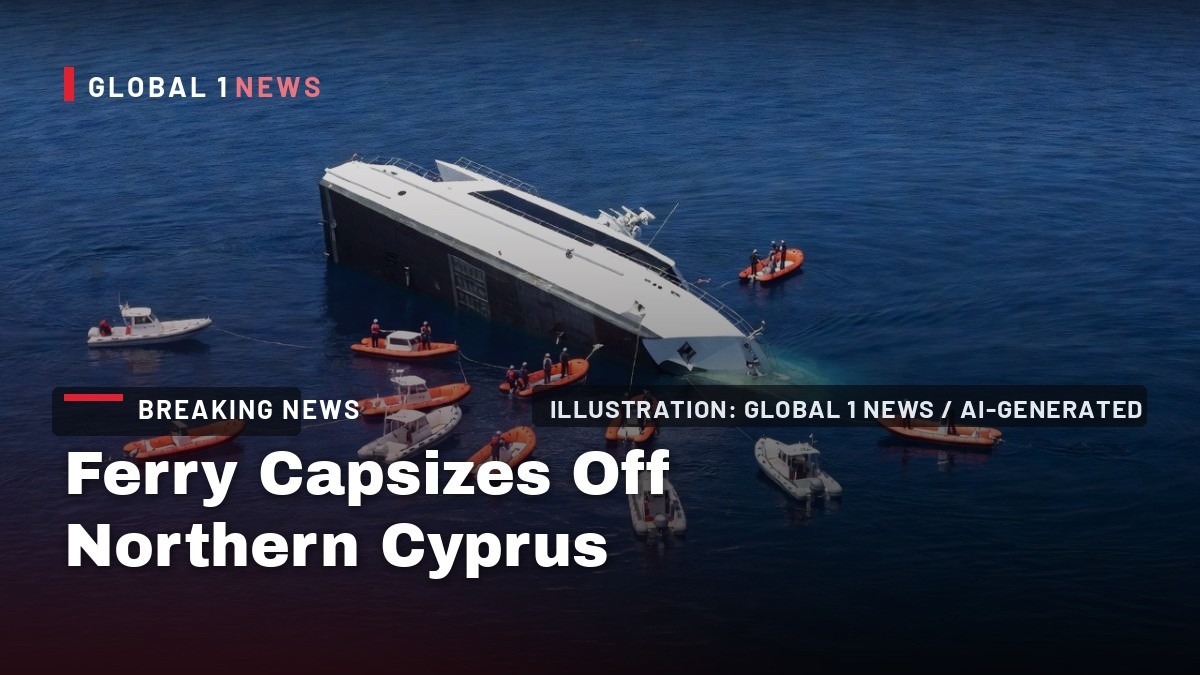
The Filo Jet, a high-speed catamaran ferry packed with 259 passengers and eight crew members, capsized and sank within minutes of leaving the port of Kyrenia on Sunday afternoon, turning a routine summer crossing into a deadly maritime disaster. At least eight people are dead and 18 remain missing, according to Turkish Interior Ministry figures, even as rescue teams pulled more than 237 survivors from the churning waters off Northern Cyprus. The vessel, operated by Filo Denizcilik under the Turkish flag, went down roughly four nautical miles from shore, leaving survivors clinging to its overturned hull as a massive air-and-sea rescue operation unfolded.
A Deadly Crossing Turns to Disaster
The Filo Jet departed the port of Kyrenia—also known as Girne—in the Turkish Republic of Northern Cyprus (TRNC) on Sunday afternoon, bound for Tasucu in Turkey's Mersin province. The 43-meter high-speed catamaran had been scheduled to sail the day before, but that departure was postponed due to poor weather. By Sunday, with conditions apparently deemed acceptable, the vessel pushed off with 259 passengers and eight crew members aboard — 267 people by the Turkish Interior Ministry's count, with Reuters putting the total near 270.
What should have been a routine journey across the eastern Mediterranean became a nightmare within minutes. Witnesses and officials described a rapid sequence of events: the ship began taking on water shortly after leaving port, listed violently, and then capsized. The speed of the sinking left little time for passengers to react, and many were thrown into the sea or trapped inside the vessel as it rolled over. The disaster has sent shockwaves through the close-knit communities on both sides of the water, where the ferry route is a lifeline for travelers, workers, and families.
Minutes From Shore: How the Filo Jet Went Down
According to TRNC Minister of Public Works and Transport Erhan Arikli, the Filo Jet began flooding about four nautical miles off Kyrenia, roughly two kilometers north of the coast. The proximity to land made the scene all the more agonizing—passengers could see the shoreline as their ship foundered. The vessel capsized rapidly, and within a short window, the catamaran was upside down, its hull exposed above the waterline as a desperate flotilla of rescue craft raced toward the scene.
Survivors clung to the overturned hull, some in life jackets, others holding onto anything they could find. The sea state at the time of the sinking has become a point of bitter contention. Some TRNC officials initially blamed bad weather for the disaster, pointing to the postponed Saturday sailing as evidence of hazardous conditions. But the TRNC's own leadership reportedly pushed back, saying the sea was calm on Sunday and questioning whether weather was truly the cause. That contradiction is now a central thread in the official investigation, with authorities trying to determine whether mechanical failure, human error, or something else entirely triggered the catastrophic flooding.
The ferry's design—a high-speed catamaran known for fast crossings—may also come under scrutiny. Such vessels are built for speed and efficiency, but their stability in emergency situations can be precarious, especially if water ingress compromises their buoyancy. Investigators will need to piece together the sequence of flooding, the crew's response, and whether any safety protocols were bypassed to get the ship underway.
A Race Against the Sea
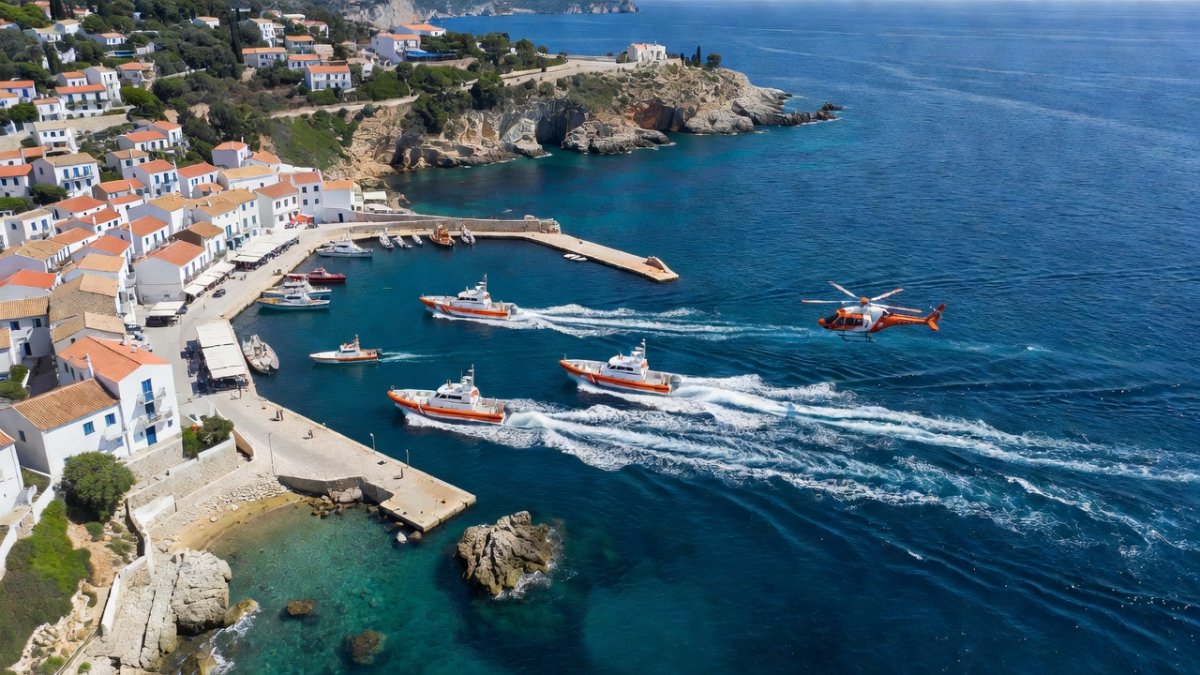
The rescue effort was immediate and massive, but the conditions were brutal. Turkish Cypriot coast guard boats were first on the scene, joined by a rescue helicopter and other vessels that rushed from Kyrenia harbor. Turkish ships with rescue rafts also arrived, expanding the search area as survivors were pulled from the water and the wreckage. The operation was a coordinated push across multiple agencies, with crews working through the afternoon and into the evening to locate as many people as possible.
TRNC Prime Minister Unal Ustel told Turkish state broadcaster TRT that 237 people had been rescued so far, a number that climbed as more survivors were brought ashore. Earlier counts had put the figure at more than 172 pulled to safety. Rescue teams scoured the surface, checked the overturned hull for trapped passengers, and deployed divers to search the submerged sections of the ferry. The operation was grueling, with rescuers battling fatigue and the clock as hope for finding more survivors began to fade.
For those pulled from the water, the trauma was immediate. Many were treated for hypothermia, shock, and minor injuries at temporary medical stations set up along the Kyrenia waterfront. The sight of the capsized ferry, a stark silhouette against the Mediterranean sky, served as a grim reminder of how quickly a routine journey can turn deadly. The rescue teams' efforts were heroic, but the scale of the disaster meant that not everyone could be saved.
The Missing and the Grieving
As the rescue operation wound down, the focus shifted to the missing. At least eight people were confirmed dead, and 18 remained unaccounted for, according to the latest figures. Earlier reports had put the death toll at seven and the missing at 23, but the numbers were revised as bodies were recovered and survivors were identified. The discrepancy reflects the chaos of the immediate aftermath, when families gathered at the port, desperate for news of loved ones who had boarded the ferry that morning.
The victims' identities have not been officially released, and authorities have urged patience as they work to notify next of kin. The grief is palpable in Kyrenia and across the region, where the ferry route is a familiar and trusted link between Northern Cyprus and the Turkish mainland. Government officials have expressed condolences to the families of those lost, offering words of solidarity in a time of profound sorrow. But for the families of the missing, the wait is agonizing—each hour without news deepens the uncertainty and the pain.
The disaster has also raised difficult questions about passenger safety on high-speed ferries. The Filo Jet was carrying a full load, and the rapid capsizing left little time for evacuation. Survivors have described scenes of panic and confusion, with many struggling to find life jackets in the chaos. The investigation will need to determine whether the crew's emergency procedures were adequate and whether the vessel's safety equipment functioned as intended.
Crew Detained, Weather Dispute Under Investigation
In a swift move, authorities detained the captain and seven other crew members as part of the official inquiry. The detention, reported by Turkey Today, Al Jazeera, and The Guardian, signals that investigators are treating the disaster as a potential case of negligence or misconduct, not merely an act of nature. The crew members are expected to be questioned about the vessel's handling, the decision to sail, and the response once flooding began.
The weather dispute is at the heart of the investigation. Some TRNC officials have blamed bad weather for the sinking, citing the postponed Saturday sailing as evidence that conditions were treacherous. But the TRNC's own leadership has reportedly contradicted that account, insisting that the sea was calm on Sunday and questioning why the weather explanation was offered at all. This internal contradiction has fueled speculation that the real cause may lie elsewhere—perhaps in the vessel's mechanical condition, its loading, or the crew's actions.
Investigators will also examine the Filo Jet's maintenance records, its safety certifications, and the oversight provided by Turkish and TRNC maritime authorities. The ferry was a regular operator on this route, and any lapses in safety standards could have broader implications for the industry. The detention of the crew is a significant step, but it is only the beginning of what is likely to be a lengthy and complex investigation.
Safety Questions Loom Over a Busy Summer Route
The Kyrenia-Tasucu route is one of the busiest ferry corridors in the eastern Mediterranean, especially during the summer months when tourists and locals alike rely on the fast catamaran service to move between Northern Cyprus and Turkey. The Filo Jet was a workhorse of that route, known for its speed and reliability. Sunday's disaster has shattered that confidence, and passengers are now asking whether the vessels on this route are safe enough.
High-speed catamarans can be more vulnerable to stability issues than conventional ferries, particularly if water enters the hull. The rapid capsizing of the Filo Jet suggests that the flooding was sudden and severe, overwhelming the vessel's pumps and buoyancy systems. Maritime experts will be looking at the design of the ship, the condition of its watertight compartments, and whether any modifications or maintenance issues compromised its integrity.
The timing of the disaster—during the peak summer travel season—adds to the urgency. Hundreds of passengers use this route daily, and the loss of the Filo Jet has disrupted travel plans and raised fears among those who had booked future crossings. The TRNC and Turkish authorities have promised a full review of ferry safety, but for now, the questions outnumber the answers. Families who lost loved ones, survivors who escaped with their lives, and a region in mourning all deserve to know what went wrong and how to prevent it from happening again.
What Happens Next
The immediate priority is the search for the 18 missing. Rescue teams are continuing to comb the waters off Kyrenia, though the chances of finding survivors diminish with each passing hour. The recovery of bodies from the wreckage will also be a delicate and difficult task, requiring divers to navigate the submerged ferry. The operation is expected to continue for days, if not longer, as authorities work to account for every person who was aboard.
In parallel, the investigation will move forward. The detained crew members will be questioned, and technical experts will examine the wreckage to determine the cause of the flooding. The weather dispute will be resolved through data analysis, including meteorological records and the testimony of those on board. The findings will likely shape new safety regulations for high-speed ferries, not just in Turkey and Northern Cyprus, but across the region.
For the families of the victims, the road ahead is long and painful. The condolences offered by officials are a small comfort in the face of such loss. For the survivors, the trauma of the capsizing will linger, a reminder of how fragile life is on the open sea. The Filo Jet disaster is a tragedy that has touched many lives, and its full impact will be felt for years to come. As the search continues and the investigation unfolds, the world watches and waits, hoping for answers and mourning those who were lost.
By Jessica Ali, Staff Writer
This article was produced with AI-assisted research and editorial support. Sources: Reuters, Al Jazeera, CNN, DW, The Guardian, USA Today, ABC News Australia, Baird Maritime, Maritime Executive, Cyprus Mail, Turkey Today.
What's Your Reaction?
 Like
0
Like
0
 Dislike
0
Dislike
0
 Love
0
Love
0
 Funny
0
Funny
0
 Wow
0
Wow
0
 Sad
0
Sad
0
 Angry
0
Angry
0

Editor-in-Chief at Global1.News. Atlanta-based journalist who cuts through the BS and tells it like it is. Lead anchor, host, and the voice you hear when the spin stops and the truth starts.














Comments (0)