
Expired Ingredients in Apollo Hospitals Kitchen Expose Gaps in India's Food Safety Net
An inspection at Apollo Hospitals on Bannerghatta Road in Bengaluru has uncovered expired rava, icing sugar, maida, stale bread, and approximately 30 kilograms each of fried gram and green peas in the hospital kitchen, raising serious questions about food safety protocols in healthcare facilities th
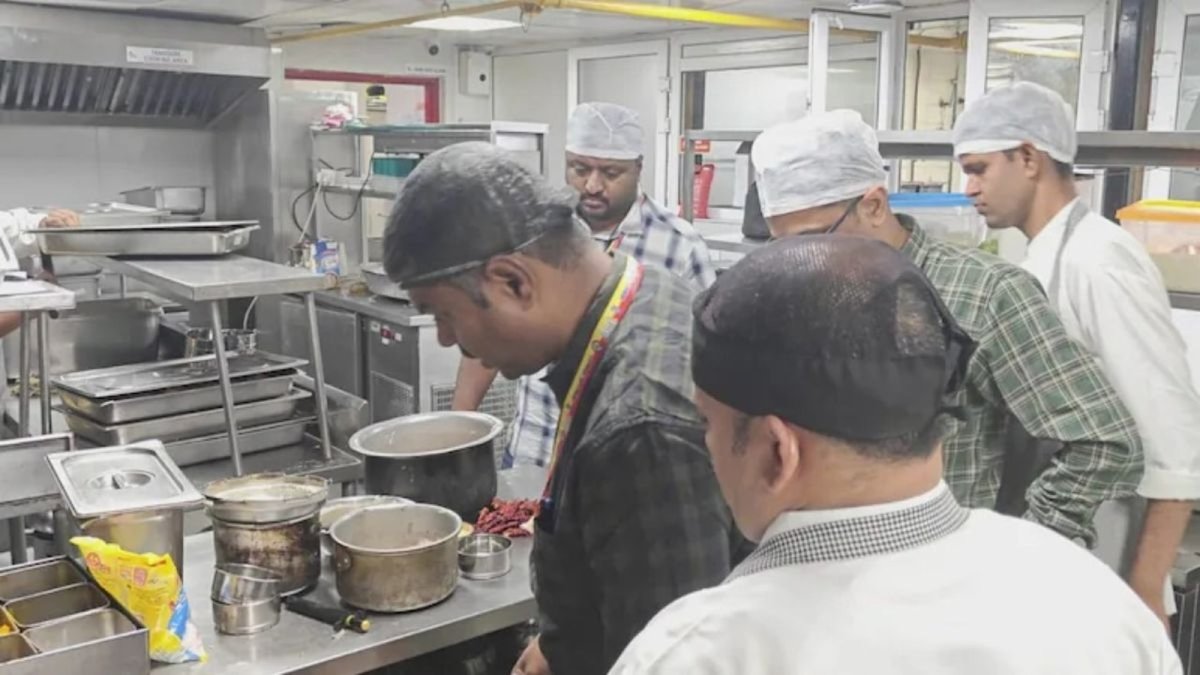
An inspection at Apollo Hospitals on Bannerghatta Road in Bengaluru has uncovered expired rava, icing sugar, maida, stale bread, and approximately 30 kilograms each of fried gram and green peas in the hospital kitchen, raising serious questions about food safety protocols in healthcare facilities that serve vulnerable patients. The August 13 raid, part of a broader crackdown ordered by Karnataka Health Minister U.T. Khader, found the expired items alongside nine packets of paani puri and four packets of mixture, all deemed unsuitable for consumption. The discovery comes just days after authorities seized over 1,000 kilograms of rotten food from six five-star hotels in the city, including Taj, Radisson, and The Lalit Ashok, signaling a systemic enforcement problem that now extends to institutions where food safety failures carry the highest clinical risk.
Expired Ingredients in Apollo Hospitals Kitchen Expose Gaps in India's Institutional Food Safety Net — Bengaluru Crackdown Widens Beyond Hotels
Bengaluru, Karnataka – August 13, 2026 — The Karnataka Health Department's food safety team conducted the inspection at Apollo Hospitals on Bannerghatta Road as part of a citywide campaign launched on the directions of Health Minister U.T. Khader. Officials found raw materials that had exceeded their expiry dates, including rava, icing sugar, maida, and various bakery products stored in containers. The team also recovered stale bread, packets of methi leaves, fried gram, green peas, and moong dal, along with two plastic chopping boards and misbranded food items. The inspection was carried out under the Food Safety and Standards Act, 2006, and the licensing and registration regulations introduced in 2011, with officials warning that strict action would follow for any confirmed violations.
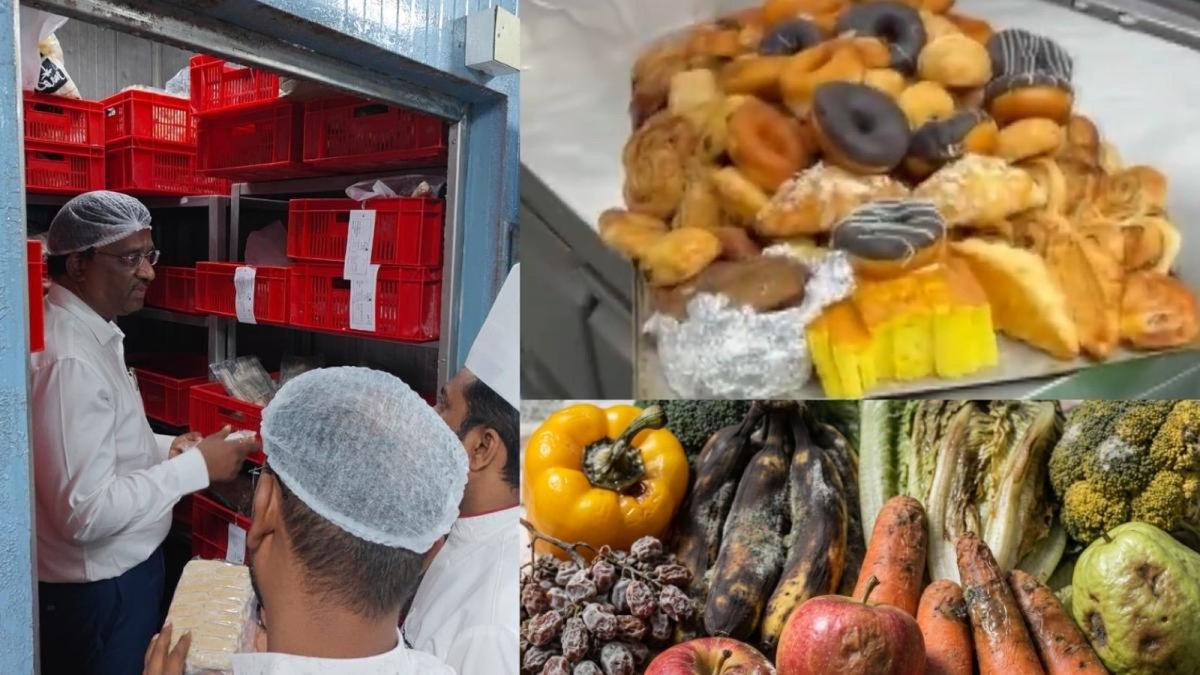
A Hospital Kitchen's Failure: Why Expired Ingredients Matter More Here Than in a Restaurant
The presence of expired ingredients inside a hospital kitchen is not a routine regulatory lapse; it is a direct threat to patient safety. Hospital food service operates on a fundamentally different risk profile than commercial restaurants. Patients, particularly those undergoing surgery, receiving chemotherapy, or managing chronic conditions such as diabetes and renal failure, often have compromised immune systems. The Karnataka Health Department's own inspection protocols classify hospitals as high-risk food business operators precisely because the consequences of foodborne illness are amplified in clinical settings. A 2023 study published in the Indian Journal of Medical Research estimated that foodborne infections account for approximately 15-20 percent of hospital-acquired infections in Indian tertiary care centers, a figure that underscores the clinical stakes of this finding.
The specific items seized are particularly concerning. Rava and maida, when stored beyond expiry, can develop fungal contamination, including aflatoxins, which are hepatotoxic and carcinogenic. Green peas and fried gram, stored in quantities of 30 kilograms each, represent bulk inventory that should have been subject to rigorous stock rotation. The presence of nine packets of paani puri — a ready-to-eat street food item — inside a hospital kitchen raises additional questions about procurement standards. Hospitals are expected to maintain strict standards for procurement, storage, and preparation under the Food Safety and Standards Authority of India's (FSSAI) Schedule IV requirements, which mandate documented receiving procedures, date labeling, and first-in-first-out inventory management. The inspection findings suggest these protocols were either absent or not enforced.
The Bengaluru Crackdown: From Five-Star Hotels to Hospital Kitchens
The Apollo Hospitals inspection is the latest escalation in a food safety campaign that has swept through Bengaluru over the past week. From August 7 to 9, the Karnataka Food Safety and Drug Administration Department inspected 60 hotels across Bengaluru Urban district and the Greater Bengaluru Area. The results were damning: over 1,000 kilograms of rotten food was seized, and six five-star hotels were found with violations. At The Lalit Ashok, officials seized and destroyed 76 kilograms of meat, 200 kilograms of vegetables, and 32 litres of expired milk. At another hotel, inspectors pulled 105 kilograms of expired food — 50 kilograms of chicken, 25 kilograms of meat, 23 kilograms of fish, and 7 kilograms of vegetables. Authorities collected 35 food samples during the hotel inspections and sent them for laboratory analysis.
The campaign has not spared government institutions either. On August 12, Karnataka health department officials inspected their own headquarters canteen at Vikasa Soudha after a cockroach complaint. The raids have now extended to dark stores and food suppliers, with near-expiry stock seized. Several eateries, including Hotel Sky and Royal Chain Hotel, were shut down for severe hygiene violations. The scope of the crackdown reflects a coordinated enforcement strategy, but it also exposes the scale of the problem. A survey by The Indian Express found that 9 in 10 Bengaluru restaurants failed basic hygiene checks, a 94 percent violation rate that suggests non-compliance is the norm rather than the exception.
Regulatory Framework: The Gap Between FSSAI Rules and On-Ground Enforcement
The inspections are being conducted under the Food Safety and Standards Act, 2006, which consolidated India's fragmented food laws into a single statutory framework, and the licensing and registration regulations of 2011. The Act empowers designated officers to inspect premises, seize substandard products, and prosecute violators. Penalties under Section 52 of the Act for substandard food can extend to imprisonment and fines, while Section 56 provides for penalties for misleading advertisements. However, the enforcement record has been inconsistent. FSSAI's own data indicates that India has approximately 1.5 million licensed food businesses, but the regulator's inspection capacity remains thin on the ground. Karnataka, with its urban density and high concentration of food service establishments, has historically struggled to conduct routine inspections at the frequency mandated by law.
The current crackdown, ordered directly by Health Minister U.T. Khader, represents a political commitment to enforcement that has been absent in previous years. The minister's directive to inspect establishments "of every category" — from luxury hotels to hospital kitchens to government canteens — signals a shift from reactive, complaint-based inspections to proactive, systematic surveillance. This is a meaningful policy development. The Food Safety and Drug Administration Department's decision to inspect its own headquarters canteen is particularly notable; it demonstrates that the enforcement net is being cast without institutional exemptions, a rare occurrence in Indian regulatory practice.
What This Means for Patients, Hospital Administrators, and Regulators
For patients at Apollo Hospitals and other healthcare facilities across Bengaluru, the finding is a breach of trust. Hospital food is not a discretionary service; it is part of clinical care. Malnourished patients, post-operative recovery protocols, and dietary management for chronic diseases all depend on a reliable, safe food supply. The presence of expired ingredients in a hospital kitchen means that patients were potentially exposed to food that had degraded in nutritional value and could carry microbial or chemical contaminants. For hospital administrators, the inspection is a reputational and legal liability. Apollo Hospitals, as one of India's largest healthcare chains, operates under the National Accreditation Board for Hospitals (NABH) standards, which include specific criteria for food safety and dietary services. A confirmed violation could trigger NABH review and potentially affect the hospital's accreditation status.
For regulators, the challenge is sustainability. A one-week crackdown that seizes 1,000 kilograms of rotten food and finds violations in six five-star hotels is a headline-grabbing achievement, but it does not address the structural weaknesses in India's food safety enforcement system. The 94 percent violation rate among Bengaluru restaurants suggests that the problem is not a few bad actors but a systemic failure of inspection frequency, laboratory capacity, and deterrent penalties. The Karnataka Food Safety and Drug Administration Department must now convert this enforcement surge into sustained regulatory practice. This requires increased staffing, faster laboratory turnaround for the 35 samples already collected, and a transparent system for publishing inspection results and penalties.
The Broader Public Health Context: India's Food Safety Deficit
The Bengaluru crackdown is unfolding against a national backdrop of food safety challenges. India's disease burden from foodborne illness is significant; the World Health Organization estimates that foodborne diseases cause approximately 600 million illnesses and 420,000 deaths globally each year, with Southeast Asia bearing a disproportionate share. In India, the FSSAI has acknowledged that laboratory infrastructure and trained food safety officers are inadequate for the scale of the food service industry. The regulator's Eat Right India initiative, launched in 2018, has focused on voluntary compliance and certification, but the Bengaluru findings suggest that voluntary approaches are insufficient without robust enforcement.
The timing of the crackdown is also politically significant. Karnataka is heading into an election cycle, and food safety is a consumer issue that resonates with urban voters. Health Minister U.T. Khader's directive to widen inspections to hospitals, government canteens, and dark stores positions the government as a protector of public health. However, the political calculus cuts both ways. If the enforcement campaign fades after the news cycle, it will reinforce public cynicism about regulatory capture and selective enforcement. The department's warning that "strict action would be taken for any violation" must be backed by visible prosecutions, license suspensions, and published penalty orders.
The Bottom Line
The discovery of expired ingredients in the Apollo Hospitals kitchen on Bannerghatta Road is not an isolated incident; it is a symptom of a food safety enforcement system that has been under-resourced and under-prioritized for years. The Karnataka Health Department's crackdown, which has now covered 60 hotels, six five-star establishments, government canteens, and hospital kitchens, has exposed a 94 percent violation rate among Bengaluru restaurants and seized over 1,000 kilograms of unfit food. For patients, the finding is a clinical risk; for hospital administrators, it is a governance failure; for regulators, it is a mandate to move from episodic raids to permanent vigilance. The Food Safety and Standards Act, 2006, provides the legal framework, and the Karnataka Health Department has demonstrated the will to enforce it. The question now is whether this enforcement surge will become a sustained institutional practice or fade into the next news cycle. For the patients who depend on hospital food as part of their care, the answer cannot come soon enough.
— By Dr. Raj Patel, Staff Writer
This article was produced with AI-assisted research and editorial support. Reporting is based on sources cited in the article.
What's Your Reaction?
 Like
0
Like
0
 Dislike
0
Dislike
0
 Love
0
Love
0
 Funny
0
Funny
0
 Wow
0
Wow
0
 Sad
0
Sad
0
 Angry
0
Angry
0

India/South Asia Correspondent at Global1.News. Analytical voice with a background in science and health journalism. Based in New Delhi, covering Indian politics, education, healthcare, technology, and policy. Breaks down complex data into clear, actionable reporting.















Comments (0)