
ERC Orders Meralco to Refund P9.5 Billion Over Six Months to Ease Household Bills
ERC orders Meralco to refund P9.5 billion in overcollections over six months, cutting a typical household's power bill by about P117 a month. More than 8 million customers benefit as charges collected beyond approved rates are returned.
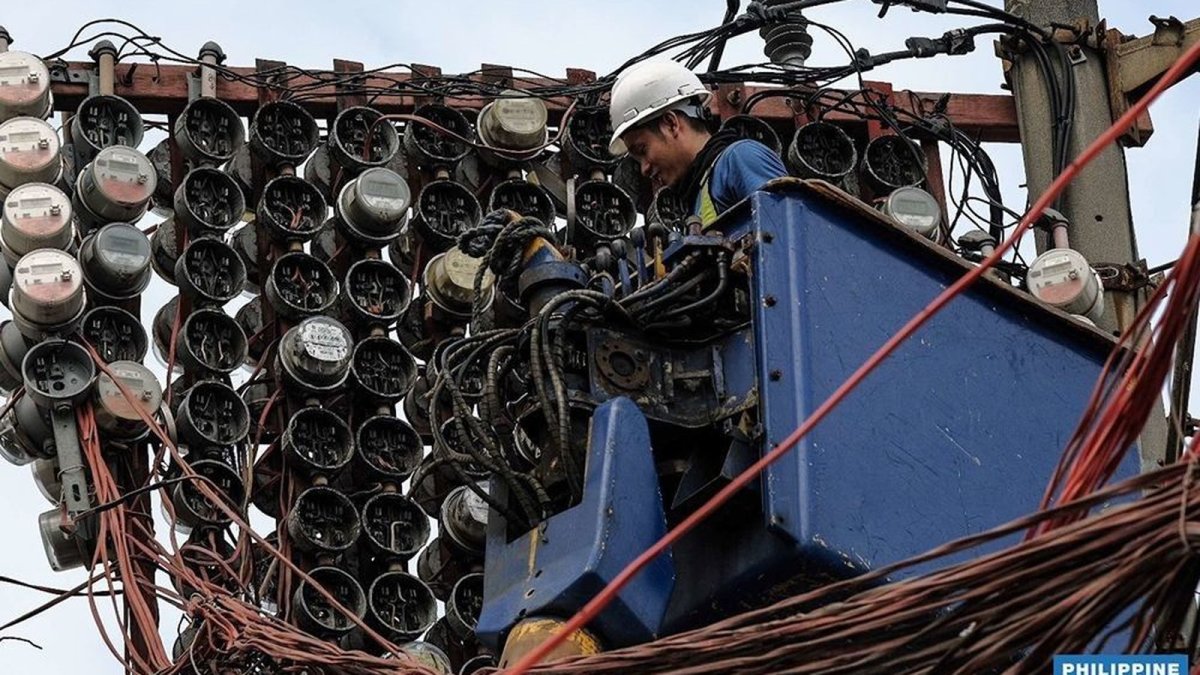
ERC Orders Meralco to Refund P9.5 Billion Over Six Months to Ease Household Bills
Every Peso Counts for Filipino Families
For millions of households across Metro Manila and nearby provinces, the monthly electricity bill often feels like a tightrope walk. A typical family tracking every expense now stands to gain real breathing room as the Energy Regulatory Commission directs Meralco to return P9.5 billion in overcollections. The refund will roll out over six months, trimming a typical 200-kilowatt-hour household bill by roughly P117 each month.
Ordinary Filipinos know the weight of these charges. A mother in Quezon City who stretches her budget between school supplies and sari-sari store restocking will see the difference immediately. The same holds for OFW families sending remittances home, where every saved peso helps cover rising costs of rice, medicine, and jeepney fares.
This kind of adjustment helps families stretch limited resources further, allowing more room in monthly budgets for essentials that often compete for attention. Over time, such relief can ease the pressure on household decision-making, particularly when unexpected needs arise alongside regular expenses.
Communities benefit when individual savings accumulate, supporting a steadier sense of security for those managing daily life in urban and suburban areas alike. The predictable nature of the credits encourages thoughtful allocation across different spending priorities.
What Overcollections Mean in Plain Terms
Overcollections happen when a utility gathers more than its approved distribution rate allows. Meralco's authorized charge sits at P1.35 per kilowatt-hour, yet actual revenues sometimes exceed that figure during a regulatory period. The difference triggers a true-up process that returns the excess to customers rather than letting it stay with the company.
This latest order covers amounts collected beyond authorized levels. Residential users will see P0.5861 per kilowatt-hour credited back. Across all customer classes the average works out to P0.3448 per kilowatt-hour. The mechanism keeps the system fair and prevents permanent overpayment by households already managing tight monthly ledgers.
Understanding these adjustments highlights how regulatory reviews serve as a check on utility operations, ensuring collections align with approved frameworks over successive periods. This process reinforces accountability without disrupting service continuity for end users.
Households gain from knowing that excesses are systematically identified and redirected, which can inform how families view their ongoing relationship with service providers. The approach promotes a balanced view of costs that evolve with usage patterns and regulatory cycles.
How the Six-Month Refund Will Appear on Bills
Starting soon, Meralco customers will notice a separate line item showing the credit. More than 8 million accounts stand to benefit, with the full P9.5 billion expected to flow back within half a year or until the amount is exhausted. For a household using 200 kilowatt-hours, the P117.22 monthly reduction adds up quickly over the refund window.
Barangay captains and local community leaders often hear from kapitbahay about power costs during neighborhood meetings. This refund offers concrete relief that can support small fiestas or help cover tricycle maintenance for drivers who rely on steady income. The structured timeline gives families predictable savings they can plan around.
The visibility of the credit on statements allows users to track its impact directly, fostering greater awareness of how billing components interact month to month. This transparency can encourage more deliberate monitoring of consumption habits during the refund period.
Local networks may find value in discussing the line item during gatherings, helping spread practical understanding of its duration and effect across different household types. Such shared knowledge supports collective navigation of utility expenses in everyday settings.
Building on Earlier Refunds Ordered by the ERC
Today's directive follows an April 2026 decision that accelerated a larger refund of the remaining P14.17 billion balance from the July 2022 to December 2024 period. That earlier order shortened the schedule from 36 months to 12 months at an average rate of P0.2511 per kilowatt-hour. It built on an initial P19.96 billion refund that began appearing on bills in April 2025 at P0.1189 per kilowatt-hour.
These successive steps show the regulatory process at work, matching actual collections against approved rates and correcting imbalances over time. Meralco serves more than 8.1 million customers in the capital region, so each adjustment touches a wide circle of households, workers, and small businesses.
Repeated true-up actions demonstrate an ongoing commitment to aligning charges with established parameters, which can build familiarity among customers regarding how past periods influence present billing. This continuity helps frame utility costs as part of a longer regulatory rhythm rather than isolated events.
Businesses and homes alike may incorporate these patterns into their financial outlooks, recognizing that corrections occur at intervals that reflect actual revenue flows. The cumulative effect supports a more measured approach to planning around energy expenditures.
ERC Chairman Emphasizes Consumer Protection
ERC Chairman Francis Saturnino C. Juan has described the commission's mandate as protecting consumers while maintaining a stable regulatory environment. By moving refunds forward, the agency delivers more immediate relief to Meralco customers facing higher power costs overall. The approach balances fairness for ratepayers with the need for predictable rules that keep the grid reliable.
Local government units and community organizations welcome measures that ease daily burdens. Sari-sari store owners who keep refrigerators running and tricycle operators who charge phones between shifts will feel the impact in their operating margins. The refund reinforces the bayanihan spirit by returning resources to the people who power the economy through steady, everyday use.
Emphasizing protection in this way underscores the role of oversight in translating regulatory findings into tangible household support, which can strengthen public confidence in the fairness of utility arrangements. The focus on timely returns aligns with broader goals of maintaining accessible services.
Community groups may see these actions as opportunities to discuss energy costs more openly, linking individual relief to collective well-being in areas where many rely on consistent access to power for both personal and livelihood needs.
Practical Steps for Households and Communities
Customers can monitor their bills for the new line item labeled for the refund. Those who track consumption closely may adjust usage patterns to maximize savings during the six-month window. Families in provinces served by Meralco can share tips through barangay networks, helping neighbors understand how the credit appears and what it means for their own budgets.
Electricity remains one of the largest recurring costs for many Filipino households. This targeted return of overcollections offers direct support without requiring new legislation or additional fees. Students studying at night, farmers using pumps, and OFW households budgeting remittances all stand to gain from the lower effective rates.
Households that review their statements regularly can better integrate the credit into weekly or monthly planning, turning a temporary adjustment into a tool for smoother cash flow management. This habit may extend beyond the refund window as a general practice.
Sharing experiences within neighborhoods helps normalize conversations about utility bills, reducing uncertainty for those less familiar with how credits are applied. The result is a more informed base of users who can respond proactively to billing changes.
Looking Ahead for Metro Manila Ratepayers
The six-month schedule keeps the process moving at a steady pace that matches the scale of the P9.5 billion amount. As credits appear month after month, communities will see cumulative effects on family finances and small enterprise costs. The ERC continues its oversight role, ensuring future true-up calculations remain transparent and timely.
Filipinos have long navigated fluctuating utility charges with resilience and careful planning. This refund adds a measure of predictability that supports household stability and local economic activity. From sari-sari stores to jeepney routes, the savings ripple outward, strengthening the daily lives of the more than 8 million customers who keep Metro Manila running.
Looking forward, the pattern of adjustments may encourage ratepayers to view their bills through a longer lens, anticipating that regulatory reviews will continue to address discrepancies as they arise. This perspective can contribute to more stable expectations around energy costs.
Overall, the ongoing refinements to billing practices reinforce the importance of accessible oversight in sectors that touch nearly every household, helping sustain the routines that define daily life across the service area.
By Bella Reyes, Staff WriterThis article was produced with AI-assisted research and editorial support. Reporting is based on sources cited in the article.
What's Your Reaction?
 Like
0
Like
0
 Dislike
0
Dislike
0
 Love
0
Love
0
 Funny
0
Funny
0
 Wow
0
Wow
0
 Sad
0
Sad
0
 Angry
0
Angry
0

Philippines/Southeast Asia Correspondent at Global1.News. Manila-based journalist covering Philippine politics, environment, maritime security, and social issues. Passionate about marine conservation and the communities protecting the Philippines' natural heritage.















Comments (0)