
Son of Zambian bishop detained in post-election raid fears for his father's safety
In the wake of Zambia’s contested presidential election, the nation’s political landscape has been jolted by a series of high‑profile detentions that have drawn concern from families, opposition parties and regional observers alike.
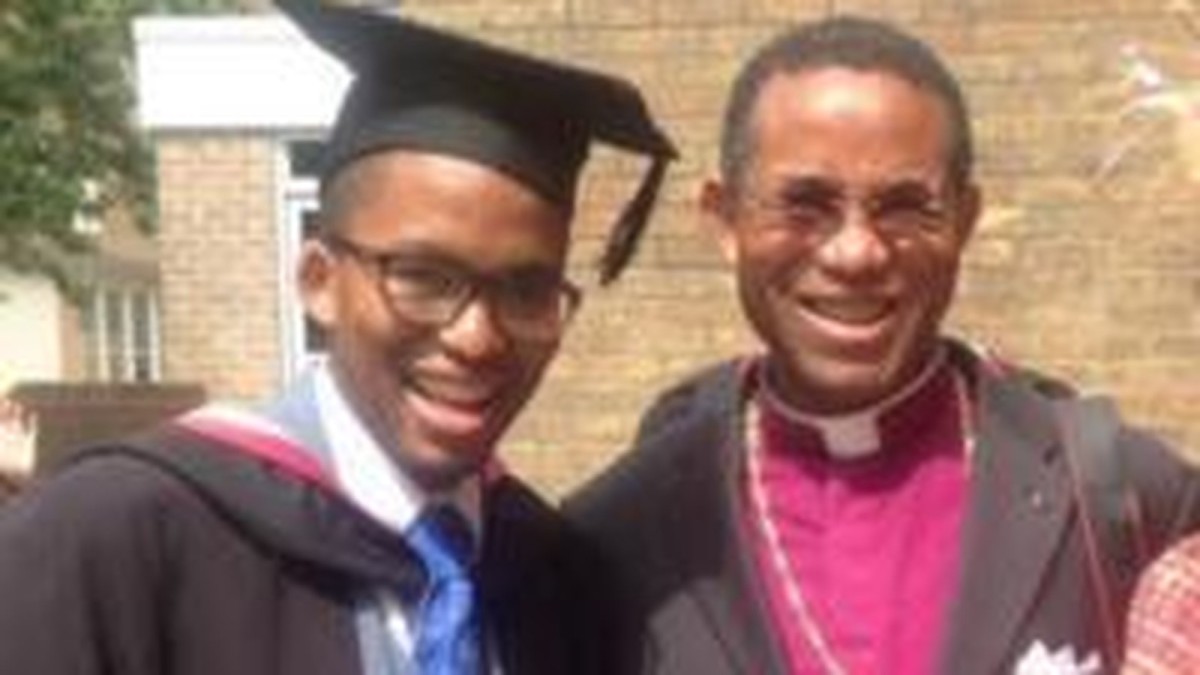
In the wake of Zambia’s contested presidential election, the nation’s political landscape has been jolted by a series of high‑profile detentions that have drawn concern from families, opposition parties and regional observers alike. Among the most poignant voices is that of Eno Mwamba, the son of Bishop Trevor Mwamba, a former cleric turned opposition leader who now heads the United National Independence Party (UNIP). His plea to the BBC, voiced in early October, underscores a growing anxiety about the safety of political detainees and the broader health of Zambia’s democratic institutions.
From pulpit to politics: Bishop Trevor Mwamba’s journey
Before entering the political arena, Trevor Mwamba served as a bishop in Botswana, a role that earned him respect across religious and community circles. His transition from spiritual leadership to political activism reflects a broader trend in Southern Africa where faith leaders have stepped into the public sphere to advocate for social justice and good governance. As the leader of UNIP, Bishop Mwamba has positioned himself as a vocal critic of President Hakainde Hichilema’s administration, especially regarding the conduct of the recent election.
His background as a religious figure adds a moral dimension to his political stance, resonating with voters who see him as a guardian of ethical governance. Yet this very prominence has also made him a target for a government keen to neutralise dissent. The charges of treason levied against him signal a stark escalation from ordinary political rivalry to accusations of threatening national security.
The August raid that reshaped opposition politics
On 14 August, security forces launched a coordinated raid that resulted in the detention of Bishop Mwamba alongside ten other opposition figures. The operation, described by authorities as a pre‑emptive measure against an alleged armed insurgency, marked a decisive moment in the post‑election crackdown. Those detained were taken into custody without public explanation, and the swift nature of the raid left many opposition activists scrambling for safety.
The raid has been widely interpreted as a signal that the Hichilema administration is prepared to use the full weight of the state apparatus to suppress dissent. While the government maintains that the arrests are justified on security grounds, opposition leaders and human‑rights groups have condemned the move as a politically motivated attempt to silence critics.
Charges of treason: A legal weapon or genuine security concern?
Following the August raid, the detained opposition figures, including Bishop Mwamba, were formally charged with treason. This charge, one of the gravest under Zambian law, carries severe penalties and reflects the seriousness with which the state views the alleged threat. However, the government’s narrative that the opposition was planning an armed insurgency remains unsubstantiated in the public domain, and the accused have denied the allegations.
Legal experts note that treason charges are often reserved for actions that directly threaten the sovereignty or constitutional order of a nation. The decision to apply such a charge to political opponents raises questions about the proportionality of the response and whether the legal system is being leveraged as a tool of political repression. The lack of transparent evidence presented to the public fuels skepticism about the legitimacy of the accusations.
Eno Mwamba’s plea: Fear for his father’s safety
In a candid interview with the BBC, Eno Mwamba expressed deep concern for his father’s wellbeing while in detention. He highlighted the psychological toll that indefinite detention under treason charges can impose on families, especially when the accused are high‑profile figures with limited access to legal counsel. Eno’s testimony adds a personal dimension to the broader political crisis, reminding readers that behind every headline are families grappling with uncertainty and fear.
His remarks also underscore the broader climate of intimidation that many opposition families experience. The fear of reprisals, coupled with limited information about the conditions of detention, amplifies the sense of vulnerability among those connected to detained politicians.
The broader opposition response: From hiding to detention
Another key figure in the opposition, Brian Mundubile, leader of the National Reconciliation Party for Unity and Prosperity (NRPUP), initially went into hiding after disputing the election results. His decision to evade capture reflected a strategic calculation to avoid immediate arrest while continuing to mobilise supporters. However, his subsequent detention mirrors the fate of Bishop Mwamba, suggesting a systematic approach by security forces to round up dissenting voices.
The pattern of opposition leaders first seeking refuge and then being apprehended indicates a narrowing space for political manoeuvre. It also signals to the broader opposition network that evasion may no longer guarantee safety, potentially chilling further activism and protest.
Regional and international implications
Zambia’s handling of post‑election dissent carries weight beyond its borders. Southern African nations watch closely, as any perceived erosion of democratic norms can set precedents for neighboring states grappling with similar political tensions. Regional bodies such as the Southern African Development Community (SADC) and the African Union have historically advocated for peaceful, transparent electoral processes and the protection of political rights.
While the source material does not detail any official statements from these organisations, the situation inevitably invites diplomatic scrutiny. International observers often view treason charges against opposition figures as a red flag, prompting calls for due process and respect for human rights. The unfolding scenario may therefore influence Zambia’s diplomatic relations and its standing in regional forums.
Looking ahead: What the detentions mean for Zambia’s democracy
The detention of Bishop Trevor Mwamba and other opposition leaders marks a critical juncture for Zambia’s democratic trajectory. If the charges are pursued without transparent legal proceedings, it could deepen public distrust in the justice system and exacerbate political polarization. Conversely, a fair trial that upholds the rule of law could restore some confidence, though the very act of detaining opposition figures already casts a long shadow over the political climate.
For families like the Mwambas, the immediate concern remains the safety and wellbeing of their loved ones. Their personal narratives, amplified by media coverage, serve as a reminder that the health of a nation’s democracy is measured not only by institutions but also by the lived experiences of its citizens. As Zambia navigates the aftermath of a disputed election, the world will be watching how it balances security imperatives with the fundamental rights of political participation and expression.
This article was produced with AI-assisted research and editorial support. Reporting is based on the source material cited below. Sources: BBC News Africa; bbc.co.uk; Global1.News (03 October 2026).
By Amara Diop, Staff Writer
What's Your Reaction?
 Like
0
Like
0
 Dislike
0
Dislike
0
 Love
0
Love
0
 Funny
0
Funny
0
 Wow
0
Wow
0
 Sad
0
Sad
0
 Angry
0
Angry
0

West Africa/Sahel Correspondent at Global1.News. Dakar-based journalist covering politics, security, climate, and development across Francophone and Anglophone West Africa. Tells the stories of a region undergoing profound transformation.










Comments (0)