
DILG Pushes Total Roblox Ban After Deadly Ateneo de Zamboanga School Shooting
In a recent ANC 24/7 report, the nation witnessed the chilling aftermath of a school shooting that shattered the peace of Zamboanga City. A Grade 8 student at Ateneo de Zamboanga University (ADZU) opened fire inside the junior high school building on Tuesday morning, August 18, 2026, killing a fellow student and wounding dozens more before turning the gun on himself.
In a recent ANC 24/7 report, the nation witnessed the chilling aftermath of a school shooting that shattered the peace of Zamboanga City. A Grade 8 student at Ateneo de Zamboanga University (ADZU) opened fire inside the junior high school building on Tuesday morning, August 18, 2026, killing a fellow student and wounding dozens more before turning the gun on himself. For Filipino families, this tragedy has reignited urgent questions about school safety, the influence of violent online content, and the accessibility of firearms in the country.
Zamboanga City School Shooting: DILG Pushes for Total Roblox Ban, Gun Law Reforms After ADZU Tragedy
Manila, Philippines – August 2026 — The Department of the Interior and Local Government (DILG) is now pushing for a total ban on the online gaming platform Roblox, following the deadly shooting at Ateneo de Zamboanga University that left two students dead and 23 others injured. Interior Secretary Jonvic Remulla made the announcement on Thursday, linking the attack to the shooter's apparent desensitization to violence through video games.
The Attack: A Morning of Terror in Zamboanga City
The shooting unfolded at approximately 7:50 a.m. on Tuesday, just 20 minutes after classes had begun at the ADZU junior high school building. Police identified the attacker as Mohammad Nael Jalani, a Grade 8 student who entered the campus through an unlocked emergency exit, having arrived in his father's car in the basement to avoid being frisked by security personnel. Zamboanga City Mayor Khymer Adan Olaso described Jalani as a "very bright student" and a "Roblox fanatic," a detail that has since become central to the national conversation on youth and online safety.
Jalani livestreamed the attack on Facebook using a body camera, broadcasting the violence in real-time before turning the gun on himself. The two fatalities were the shooter and 15-year-old Patrick Dylan Wee, a Grade 10 student who was killed inside his classroom. At least six others sustained injuries, with one student suffering a gunshot wound while the rest were hurt during the chaotic scramble to flee. Remarkably, no teachers or security guards were harmed during the incident.

The Weapons: A Customs Official's Firearms
Investigators traced both firearms used in the attack to the shooter's father, an enforcement official at the Port of Zamboanga under the Bureau of Customs (BOC). The weapons included a Glock 22 .40 caliber pistol issued by the BOC and a 9mm pistol equipped with a conversion kit. The father has been placed under preventive suspension pending a full investigation into how his son gained access to the firearms.
This revelation has sparked renewed scrutiny of the Bureau of Customs' internal protocols and the broader issue of loose firearms in the Philippines. Secretary Remulla emphasized that the shooter "acted alone," ruling out any conspiracy, group involvement, or family influence. Instead, he characterized the attack as "a case of misguidance... undue influence by certain things on the internet... desensitization of violence and children because of the games they play on the internet."
Philippine Context: A Rare but Growing Threat
School shootings remain rare in the Philippines, but the ADZU tragedy marks the second such incident in just over two months. In June 2026, a shooting at a school in Tacloban City killed three people and injured 20 others. In response, ADZU had conducted active shooter drills following the Tacloban incident, yet the school's 25 security guards — 15 on day shift and 10 at night — were unable to prevent Tuesday's attack.
The Department of Education (DepEd) has since coordinated with mental health partners to provide psychological first aid to students and staff. Education Secretary Sonny Angara called for a holistic, community-wide approach to school safety, emphasizing that physical security measures alone are insufficient. Nearly 400 students, parents, and faculty members of ADZU have already received psychosocial support in the days following the shooting.
This latest violence also brings back painful memories of another Jesuit institution's darkest hour. In July 2022, a gunman opened fire inside the Ateneo de Manila University's campus in Quezon City during a graduation ceremony, killing three people, including a former mayor of Lamitan City. That attack, which occurred at the university's Rizal Gate, was also perpetrated by a lone gunman with a history of legal troubles. For many Filipinos, the recurrence of violence at Ateneo schools — institutions long associated with academic excellence and moral formation — has become a deeply unsettling pattern that demands more than just reactive measures.
Impact on Filipinos: Fear, Grief, and the Fight for Normalcy
For the families of Zamboanga City, the trauma is deeply personal. Classes at ADZU have been suspended until August 28, extended from the initially announced August 20, as the university community grapples with grief. August 19 was declared a day of mourning and prayer by university President Father Guillrey Anthony Andal and Mayor Olaso, allowing the community to come together in collective healing.
The psychological toll extends beyond the campus. Parents across the Philippines are now questioning whether their children are safe at school, while students are grappling with the reality that violence can strike anywhere. The livestreamed nature of the attack has compounded the trauma, with graphic content spreading across social media platforms before Meta acted on over 200,000 harmful and misleading posts related to the incident. The university has publicly thanked Meta for its response, though Senator Robin Padilla has called on the company to do more to remove videos and photos of the shooting.
The echoes of this tragedy are being felt far beyond Zamboanga City, reaching Filipino communities across the archipelago and even overseas. For overseas Filipino workers (OFWs) who sacrifice years away from their families to send their children to private Catholic schools like ADZU, the news has struck a particularly raw nerve. Many are now making frantic calls home, asking relatives to check on their children's well-being and to scrutinize their online habits more closely. In barangays nationwide, parent-teacher associations are organizing emergency meetings, with mothers and fathers sharing tips on how to monitor gaming consoles, set parental controls on smartphones, and recognize early warning signs of distress or violent behavior. The conversation has shifted from casual awareness to urgent vigilance, as Filipino families grapple with the uncomfortable realization that the dangers once associated with foreign news reports can now happen in their own communities.
Reactions and Responses: Calls for Action in Congress
President Ferdinand Marcos Jr. extended his sympathies to the victims' families, sending Cabinet Secretary Benhur Abalos to Zamboanga City on his behalf. Abalos warned the public against speculating and spreading fake news about the shooting, urging Filipinos to await the results of the official investigation.
Secretary Remulla has been the most vocal in demanding legislative action. He is urging Congress to review and amend the 1997 law on loose firearms, which he argues has made the crime bailable and contributed to a surge in gun-related offenses. "Ang Roblox lang kasi ang particular na mayroon siyang link sa dark web," Remulla said, explaining the department's focus on the platform. He described the shooting as looking "halos pareho sa itsura niya, video game" — almost identical to a video game, with visible firearms and a first-person perspective.
Remulla has also called on Congress to pass a law banning first-person shooter games, a proposal that has sparked debate among lawmakers, educators, and parents. Roblox, for its part, has stated that it maintains safeguards including filters, chat restrictions, age checks, and AI detection systems, and that it collaborates with law enforcement. However, the company's response has done little to assuage the concerns of Filipino parents who fear that their children are being exposed to harmful content online.
Within the halls of Congress, the proposal has ignited a fierce but necessary debate. Some lawmakers argue that a blanket ban on platforms like Roblox would be an overreach that punishes the majority of responsible young users, while others insist that the government must act decisively to protect children from harmful content. Educators, meanwhile, are cautioning against a purely prohibitive approach. Many are advocating for a dual strategy that combines regulation with robust digital literacy education, teaching students how to critically evaluate the media they consume and understand the difference between virtual violence and real-world consequences. There is also growing bipartisan support for expanding mental health resources in schools, with several legislators proposing the mandatory presence of guidance counselors in every public and private school, as well as regular psychological assessments for students showing signs of isolation or behavioral changes. The challenge, as one senator put it, is finding the balance between protecting children and preparing them to navigate an increasingly complex digital world.
What to Watch For
The coming weeks will be critical in determining whether the ADZU tragedy leads to meaningful policy change. Congress is expected to take up the proposed amendments to the gun law, as well as the potential ban on Roblox and other first-person shooter games. The Bureau of Customs is also conducting an internal review of its firearms management protocols, which could result in stricter controls on how issued weapons are stored and monitored.
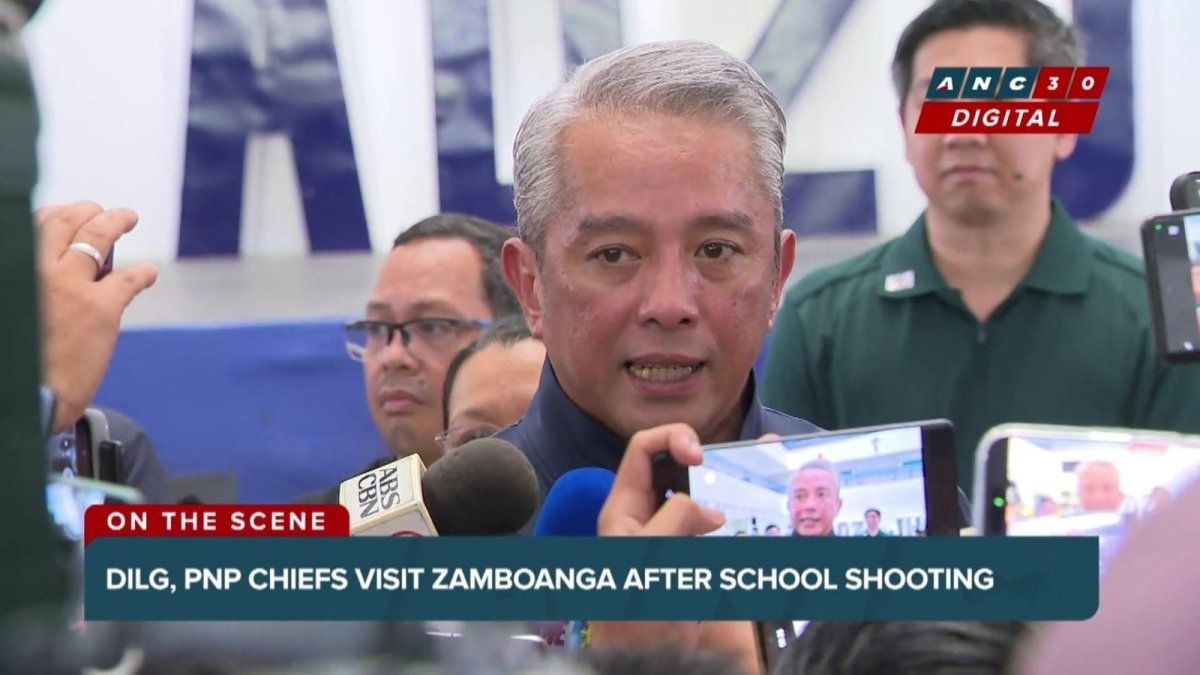
Meanwhile, the Philippine National Police (PNP), led by Chief Jose Melencio Nartatez, has pledged to work with schools nationwide to enhance security measures. Secretary Remulla and PNP Chief Nartatez personally visited ADZU in the days after the shooting, signaling the government's commitment to addressing the crisis. The DepEd is also exploring partnerships with mental health organizations to provide ongoing support for students and teachers affected by the tragedy.
The ADZU shooting has forced the nation to confront uncomfortable truths about the intersection of youth, technology, and violence. As the investigation continues and the legislative process unfolds, Filipino families are left to wonder what more can be done to protect their children. The answer, as Secretary Remulla has suggested, may lie not only in stricter laws but in a collective effort to address the root causes of desensitization and violence in society.
For now, the people of Zamboanga City mourn their losses and begin the slow process of healing. The memory of Patrick Dylan Wee, a 15-year-old student with his whole life ahead of him, will not be forgotten. And the question of how to prevent such tragedies from happening again will remain at the forefront of the national consciousness for months to come.
By Bella Reyes, Staff Writer
This article was produced with AI-assisted research and editorial support. Reporting is based on sources cited in the article.
What's Your Reaction?
 Like
0
Like
0
 Dislike
0
Dislike
0
 Love
0
Love
0
 Funny
0
Funny
0
 Wow
0
Wow
0
 Sad
0
Sad
0
 Angry
0
Angry
0

Philippines/Southeast Asia Correspondent at Global1.News. Manila-based journalist covering Philippine politics, environment, maritime security, and social issues. Passionate about marine conservation and the communities protecting the Philippines' natural heritage.












Comments (0)