
Delta Flight 2204 Emergency Return to Atlanta After Cockpit Fumes
Folks, this is Atlanta's airport, our backyard, and when a Delta flight has to turn right back around with fumes in the cockpit, every passenger on board and every family waiting at the gate feels it. Delta Flight 2204 lifted off for Orlando on a Saturday morning and came.
Folks, this is Atlanta's airport, our backyard, and when a Delta flight has to turn right back around with fumes in the cockpit, every passenger on board and every family waiting at the gate feels it. Delta Flight 2204 lifted off for Orlando on a Saturday morning and came straight back down because the flight deck filled with fumes. No one got hurt, but the whole city watched another reminder that safety decisions happen fast at the world's busiest airport.
Fumes in the Cockpit: Delta Flight 2204's Emergency Return to Atlanta
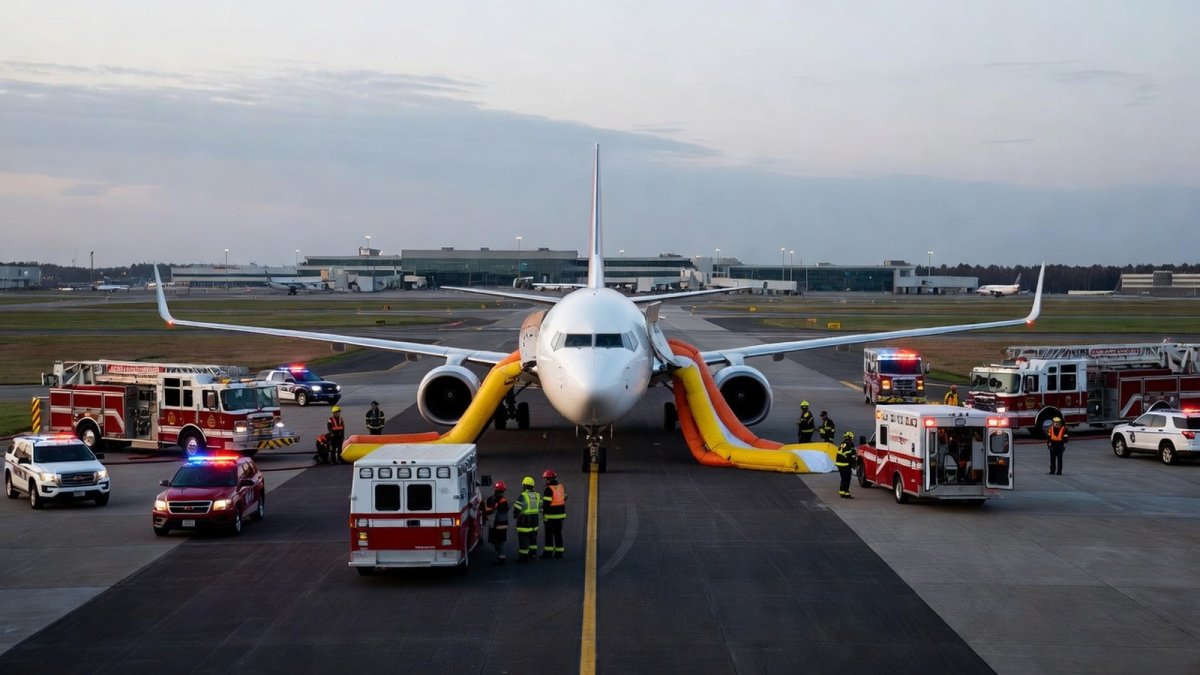
Atlanta, Georgia – August 8, 2026 — Delta Air Lines Flight 2204, a Boeing 757 bound for Orlando, Florida, departed Hartsfield-Jackson Atlanta International Airport at approximately 7:23 a.m. EDT with 199 passengers and 6 crew members aboard. Shortly after takeoff, pilots reported fumes in the cockpit and followed established procedures to return to the airport. The aircraft made an emergency landing on a taxiway, where all 205 people evacuated via inflatable slides onto the tarmac before being bused back to the terminal. Emergency crews met the plane on the taxiway, and no injuries were reported.
What Happened Minute-by-Minute
The sequence unfolded quickly on a busy Saturday morning. The Boeing 757 pushed back and took off at 7:23 a.m. EDT on its regular run to Orlando. Within minutes of departure, the flight deck filled with fumes. Pilots immediately recognized the issue and initiated the return to Hartsfield-Jackson rather than continuing the flight. They coordinated with air traffic control and brought the aircraft down safely on a taxiway at the world's busiest airport. Delta confirmed the timeline and noted that the crew followed every required step without deviation.
Folks, the rapid decision to turn back reflects how pilots weigh every cue in those first minutes after wheels up. Air traffic controllers at a major hub like Atlanta clear paths quickly when a crew declares an issue, allowing the plane to circle back without disrupting the entire morning rush. This kind of coordination keeps the event contained to one aircraft rather than rippling into widespread delays.
The process also highlights the layered checks built into every departure. From the moment the crew senses something off, checklists guide them through isolating systems and confirming the safest option. In this case, returning to the departure airport made the most sense because the plane had not yet climbed far and the crew could rely on familiar ground support.
The Evacuation on the Taxiway
Once the plane stopped on the taxiway, the evacuation began. All 205 people left the aircraft using inflatable slides and stepped onto the tarmac. Emergency crews were already in position to assist. Passengers were then loaded onto buses and taken back to the terminal. The process moved efficiently, and the absence of injuries shows the crew and ground teams executed the plan as trained. Delta's spokesperson later stated the flight deck had filled with fumes soon after departure, which triggered the full response.
Evacuations on taxiways follow precise choreography that crews rehearse regularly. Once the aircraft halts, flight attendants open doors in a set order while pilots secure the cockpit and communicate with ground teams. The inflatable slides deploy in seconds, giving everyone a clear path away from the plane before buses arrive to move people indoors.
Ground crews at busy airports maintain constant readiness for these scenarios. Fire and rescue units position themselves based on the reported issue, and their presence on the taxiway allows immediate assessment once passengers are clear. The smooth handoff from aircraft to terminal in this event shows how those practiced steps reduce confusion even when emotions run high.
Why Cockpit Fumes Are Treated as Serious Emergencies
Cockpit fumes or smoke events are always treated as immediate emergencies because they can impair vision, breathing, and decision-making at the most critical phase of flight. Pilots train repeatedly for these scenarios and know the first priority is to get the aircraft on the ground safely. In this case, the crew did exactly that by turning back to Atlanta instead of pressing on to Orlando. The fact that the plane landed on a taxiway and everyone exited via slides shows how seriously the industry takes any sign of fumes in the flight deck. No one waits to see if the smell gets worse.
These events often trace back to the aircraft's environmental control systems that draw air from the engines. When a seal or component allows trace amounts of oil or other fluids into the airflow, the odor reaches the cockpit first because of how the ventilation is routed. Crews do not diagnose the exact source in flight; they treat the symptom as the emergency and land.
Training emphasizes that even faint odors can signal a developing problem. Simulators expose pilots to reduced visibility and breathing challenges so they can still fly the plane and communicate with controllers. That preparation turns a potentially disorienting situation into a controlled return.
Understanding Fume Events in Modern Aviation
Fume events remain a focus across the industry because they involve the same air supply used for cabin pressurization. Manufacturers and airlines continue to study filtration options and maintenance intervals that might reduce occurrences, yet the priority stays on rapid response rather than waiting for perfect prevention.
Regulatory bodies track these reports to spot patterns across fleets. When multiple aircraft of the same type report similar issues, inspectors can target specific components during routine checks. This data-driven approach helps refine procedures without grounding entire models unnecessarily.
Folks, the key remains that every report triggers the same conservative response. Whether the source turns out to be minor or more involved, the crew's actions protect everyone on board and give investigators clean data to work with afterward.
Hartsfield-Jackson's Role and Delta's Atlanta Operation
Hartsfield-Jackson serves as Delta's largest hub and the dominant carrier's main base of operations. The airport handles more flights than any other in the world, including multiple daily departures between Atlanta and Orlando. That volume means crews and ground teams here practice these responses constantly. When Flight 2204 needed a taxiway landing and rapid evacuation, the infrastructure and personnel were already in place to manage it. Atlanta's position as the busiest airport makes every safety event here a test of the entire system.
The hub's layout supports quick returns because multiple runways and taxiways allow controllers to isolate an arriving aircraft without halting all other movements. Delta's heavy presence also means maintenance and emergency teams are stationed on site, shortening the time from landing to full response.
Over decades, the airport and airline have built overlapping layers of support that handle both routine operations and unexpected returns. This depth of resources turns what could be a major disruption into a contained event that clears the taxiway and gets passengers back inside efficiently.
What Investigators Will Examine
The FAA is leading the investigation into the source of the fumes. Investigators will review maintenance records, inspect the aircraft's environmental control systems, and interview the crew about exactly when and how the fumes appeared. They will also look at the Boeing 757's recent service history and any similar reports from other flights. Delta has stated the cause remains under investigation, and the agency will release findings once the review is complete. These steps follow standard protocol for any in-flight fume event.
The review process typically begins with the aircraft itself. Teams examine filters, ducts, and engine bleed-air components for any signs of leakage or contamination. Maintenance logs help determine whether recent work could have introduced the issue or if a recurring pattern exists on that airframe.
Interviews with the crew add context that records alone cannot provide. Pilots describe the exact timing, intensity, and any system warnings that appeared alongside the fumes. This human element helps investigators understand how the event unfolded in real time and whether procedures worked as intended.
What This Means for Travelers
Passengers on Delta's Atlanta-Orlando flights should know the airline and airport handled this return and evacuation without injury. If you are booked on a similar route, keep your phone charged and pay attention to crew instructions during any unusual situation. The quick return and orderly exit show the procedures work when followed. Travelers can also check Delta's app for rebooking options and updates, because incidents like this can ripple through the day's schedule at a busy hub. The key takeaway is that crews prioritize getting everyone back on the ground safely first.
Staying informed also means understanding that these events, while unsettling, follow predictable patterns of response. Airlines communicate updates through apps and gate agents so passengers know when to expect rebooking or hotel support if the schedule shifts.
Folks, the bigger message for anyone flying is that reporting odd smells or sensations early gives the crew time to act. That simple step aligns with the training that keeps these situations from escalating.
The Bigger Picture on Aviation Safety
Events like this reinforce that commercial aviation remains one of the safest forms of travel precisely because crews treat every fume report as an emergency. Delta's dominant operation at Hartsfield-Jackson means the airline and airport maintain high standards for training and response. The lack of injuries on Flight 2204 reflects that preparation. For the traveling public, the message is clear: report concerns, follow instructions, and trust the system that gets planes back on the ground when something feels off. Stay informed, stay ready, and remember that safety decisions protect everyone on board.
Industry-wide, these incidents feed into ongoing safety management systems that analyze trends across thousands of flights. Small adjustments to maintenance or training emerge from the data, steadily raising the baseline for how crews handle the unexpected.
The absence of injuries here also underscores how evacuation drills and ground coordination translate into real outcomes. When every layer performs as practiced, the result is a return to normal operations with minimal lasting impact on passengers or schedules.
By Jessica Ali, Staff Writer
This article was produced with AI-assisted research and editorial support. Sources: Reuters, Atlanta Journal-Constitution, NBC News, Fox 5 Atlanta.
What's Your Reaction?
 Like
0
Like
0
 Dislike
0
Dislike
0
 Love
0
Love
0
 Funny
0
Funny
0
 Wow
0
Wow
0
 Sad
0
Sad
0
 Angry
0
Angry
0

Editor-in-Chief at Global1.News. Atlanta-based journalist who cuts through the BS and tells it like it is. Lead anchor, host, and the voice you hear when the spin stops and the truth starts.











Comments (0)