
Car Bomb in Zacatecas Injures 11, Shakes Ojocaliente Community
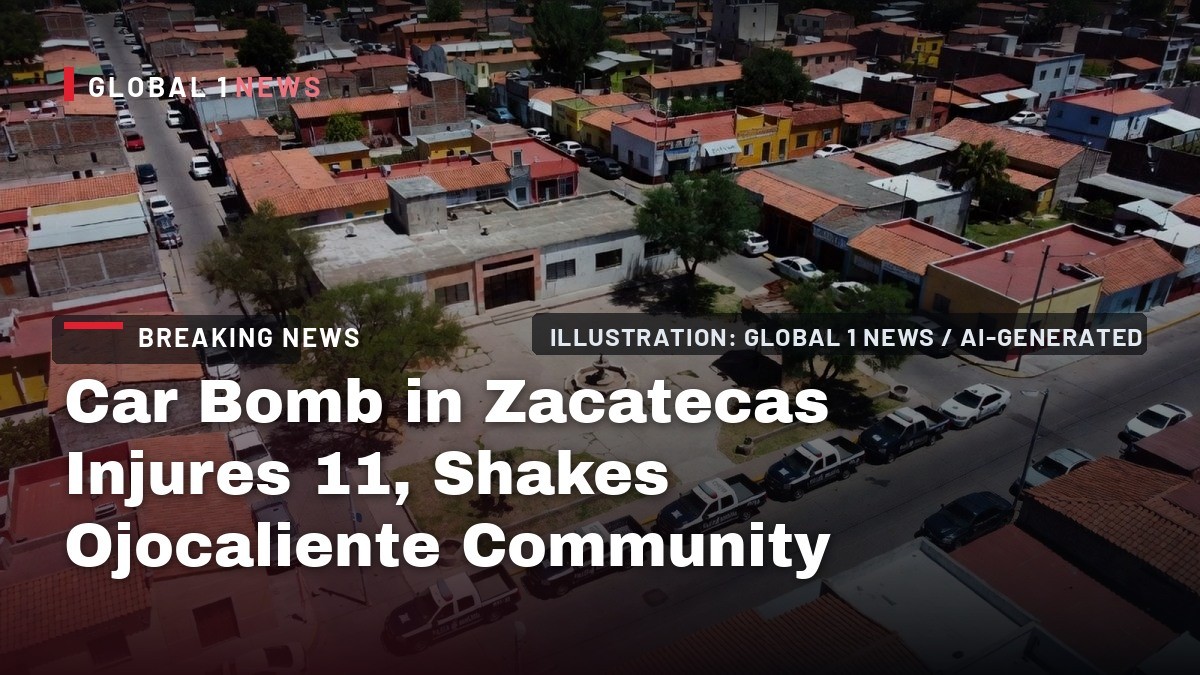
The Sunday evening in Ojocaliente, Zacatecas, was shattered just after 8 p.m. on August 30, when a vehicle loaded with explosives detonated outside the municipal police command. The blast injured at least 11 people, including a policewoman, and damaged about 30 properties.
Car Bomb in Zacatecas Injures 11, Shakes Ojocaliente Community
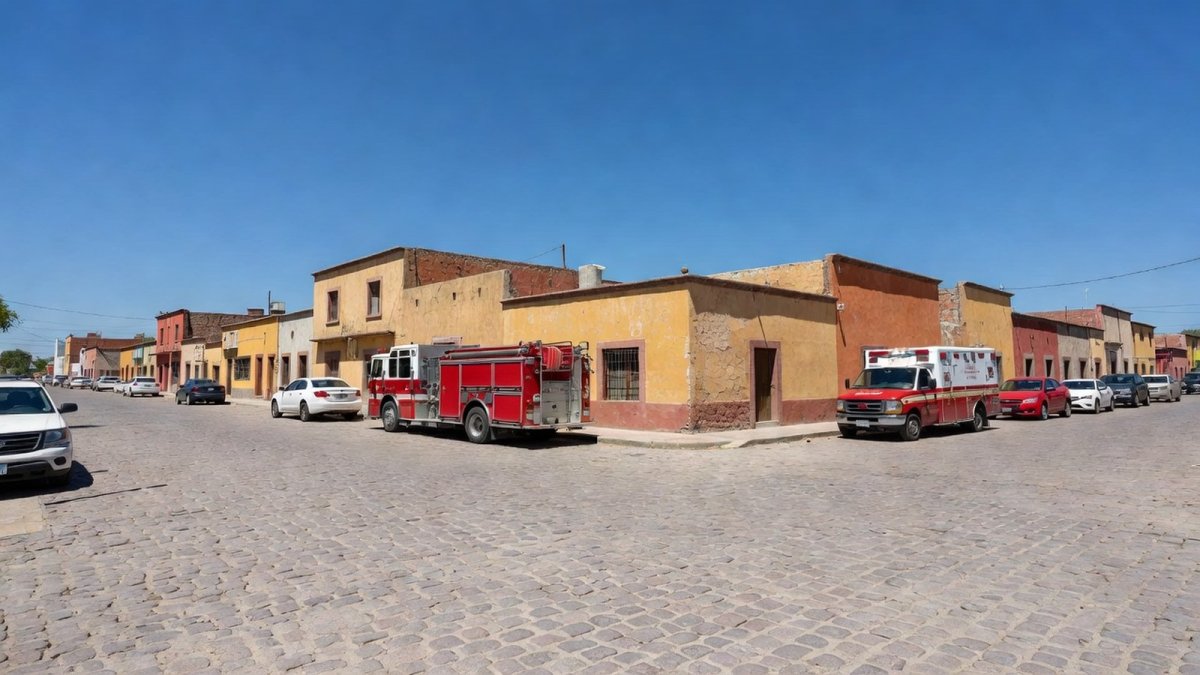
The Sunday evening in Ojocaliente, Zacatecas, was shattered just after 8 p.m. on August 30, when a vehicle loaded with explosives detonated outside the municipal police command on Calle González Ortega. The blast, which injured at least 11 people including a policewoman, sent shockwaves through this north-central Mexican town and left families picking up pieces of their homes and their sense of security. The explosion was not an isolated incident. It marked the third attack with explosives against security forces in Zacatecas in less than a week, a troubling pattern that has put state and federal authorities on high alert. For the people of Ojocaliente—a community in Mexico's north-central highlands—the attack brought the brutal reality of cartel violence to their doorstep in a way they had not experienced before. As dawn broke on Monday, residents emerged to survey the damage: shattered windows, twisted metal, and the charred remains of what was once their municipal police headquarters. The blast damaged approximately 30 properties, including family homes, and 13 vehicles, several of them police cruisers. Videos circulating on social media showed the severe destruction of the police building, its facade torn open by the force of the explosion.The Attack and Its Immediate Aftermath
The car bomb attack on the Ojocaliente police station was a coordinated act of violence that targeted the very institution meant to protect the community. According to reports from Mexico News Daily and cross-verified by Borderland Beat and Ground News, the explosion occurred at approximately 8 p.m. on Sunday, August 30, 2026. The vehicle, packed with explosives, was detonated next to the municipal police command, causing widespread damage and panic. At least 11 people were injured in the blast, including a policewoman, according to Mexico News Daily. Other outlets reported varying counts—Ground News cited at least 10 injured, Borderland Beat reported eight civilians and two police officers injured, and Euronews reported six wounded. Despite the discrepancies, all reports agree that at least two police officers were among the injured, confirming that officers were caught in the blast as they worked inside the command building. The damage extended far beyond the police station itself. Authorities cited by Mexico News Daily reported that approximately 30 properties, including residential homes, were damaged in the explosion. Ground News reported 17 buildings damaged, while videos and photos showed severe destruction to the Municipal Police headquarters. Thirteen vehicles, including police cars, were also damaged or destroyed in the blast. A military team specialized in explosives was deployed to secure the area, working carefully to ensure no other devices remained undetonated. This precautionary measure reflected the seriousness of the threat and the possibility of secondary attacks, a tactic sometimes employed by criminal organizations to target first responders and curious onlookers.Investigating the Attack: The CJNG Connection
 Zacatecas Attorney General Cristian Paul Camacho announced on Monday, August 31, that authorities were investigating whether the attack was linked to the capture of an 18-year-old man on Saturday, August 29. The suspect, identified as William "N," was apprehended during a joint security operation between Zacatecas and Aguascalientes forces in the neighboring municipality of Asientos, Aguascalientes, near the border between the two states.
According to officials, William "N" allegedly opened fire on municipal officers during his apprehension and later confessed during processing to being an active gunman for the Jalisco New Generation Cartel (CJNG). The timing of the car bomb attack—just one day after his capture—has led investigators to explore whether the explosion was a retaliatory act by the cartel.
The CJNG, one of Mexico's most powerful and violent criminal organizations, has a significant presence in Zacatecas. The state's strategic location as a drug-trafficking corridor toward the US border makes it a coveted territory for cartels seeking to control smuggling routes. This attack fits a broader pattern of violence that has plagued Zacatecas in recent years, making it one of the most violent states in Mexico.
This was the third attack with explosives against security forces in Zacatecas in less than a week. On August 27, two state police officers were injured by improvised explosives along Federal Highway 54 in the Tabasco municipality, triggering an eight-hour highway closure. Another recent attack was recorded in Villa García, Zacatecas, with Attorney General Camacho attributing the recent attacks in Villa García and Ojocaliente to CJNG members.
Zacatecas Attorney General Cristian Paul Camacho announced on Monday, August 31, that authorities were investigating whether the attack was linked to the capture of an 18-year-old man on Saturday, August 29. The suspect, identified as William "N," was apprehended during a joint security operation between Zacatecas and Aguascalientes forces in the neighboring municipality of Asientos, Aguascalientes, near the border between the two states.
According to officials, William "N" allegedly opened fire on municipal officers during his apprehension and later confessed during processing to being an active gunman for the Jalisco New Generation Cartel (CJNG). The timing of the car bomb attack—just one day after his capture—has led investigators to explore whether the explosion was a retaliatory act by the cartel.
The CJNG, one of Mexico's most powerful and violent criminal organizations, has a significant presence in Zacatecas. The state's strategic location as a drug-trafficking corridor toward the US border makes it a coveted territory for cartels seeking to control smuggling routes. This attack fits a broader pattern of violence that has plagued Zacatecas in recent years, making it one of the most violent states in Mexico.
This was the third attack with explosives against security forces in Zacatecas in less than a week. On August 27, two state police officers were injured by improvised explosives along Federal Highway 54 in the Tabasco municipality, triggering an eight-hour highway closure. Another recent attack was recorded in Villa García, Zacatecas, with Attorney General Camacho attributing the recent attacks in Villa García and Ojocaliente to CJNG members.
Car Bombs: A Rare and Escalating Tactic
Car bomb attacks remain relatively rare in Mexico, which makes this spate of explosions particularly alarming. According to data from researcher Víctor Sánchez, cited by Borderland Beat, five car bombs have occurred in Mexico this year, almost all linked to the CJNG. The use of vehicle-borne improvised explosive devices represents a significant escalation in tactics, moving beyond the drive-by shootings and targeted assassinations that have become tragically common in cartel violence. The rarity of car bombs in Mexico makes each incident a major security event. Unlike the sustained campaigns of violence seen in other countries, Mexican cartels have historically favored more direct methods of intimidation and control. The shift toward explosives suggests a willingness to cause mass casualties and widespread property damage, tactics that terrorize entire communities rather than just targeted individuals. For the residents of Ojocaliente, this escalation means living with the fear that their town has become a battleground. The explosion damaged homes, businesses, and the police station—the very symbols of civic life and public safety. Families who lost windows, doors, and structural integrity in their homes now face the daunting task of rebuilding while wondering if another attack could come. El País México published analysis on September 1, 2026, titled "Tres bombas que explican Zacatecas" (Three Bombs That Explain Zacatecas), noting that the three explosive attacks against police in five days have raised concern in the federal government. The analysis highlights how these attacks reveal the changing nature of cartel warfare in the region and the challenges facing security forces.Impact on the Community of Ojocaliente
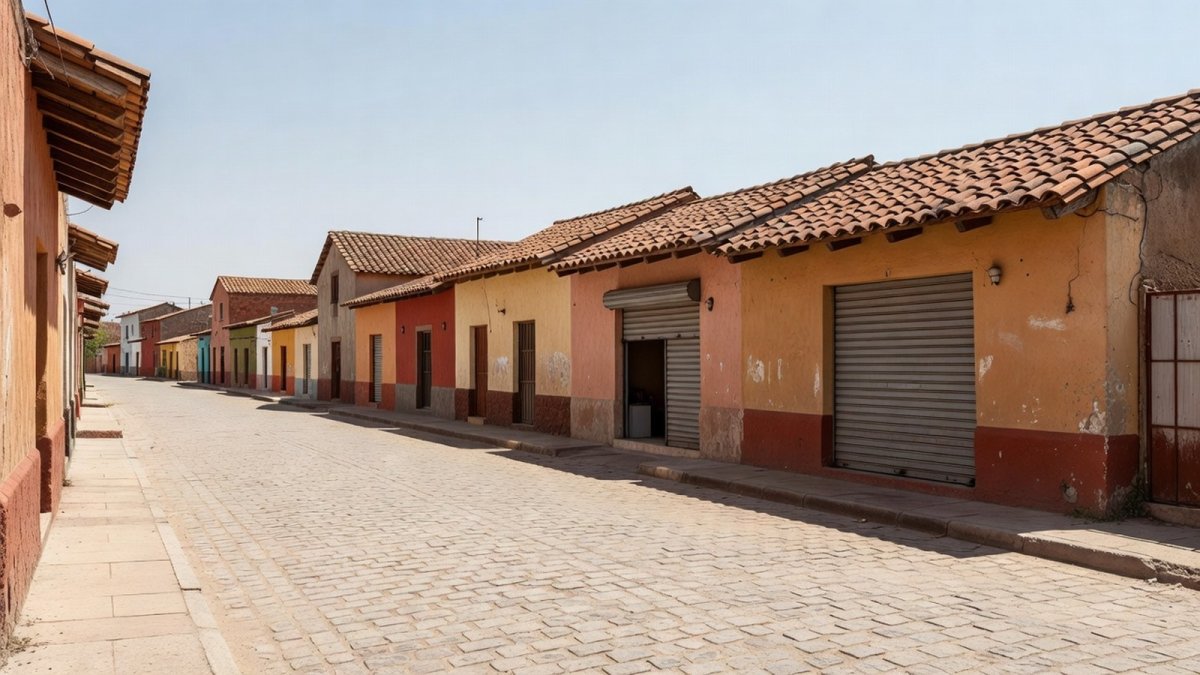 For the people of Ojocaliente, the car bomb attack is more than a news headline—it is a lived trauma that will shape their community for years to come. The town, like many in Zacatecas, has watched violence creep closer over the years, but the explosion on their main street brought the conflict into their homes, their businesses, and their daily lives.
The approximately 30 properties damaged in the blast include family homes, and the 13 vehicles destroyed include not just police cars but private vehicles that families rely on for transportation to work, school, and medical appointments. For a community where many families live modestly, the loss of a vehicle or the cost of repairing a damaged home represents a significant financial burden.
Local businesses in the town center, already struggling with the economic effects of ongoing violence in the region, now face additional challenges. The explosion damaged storefronts and disrupted commerce in an area that serves as the commercial heart of Ojocaliente, and the tianguis, or street market, that typically brings vendors and shoppers together has been disrupted by the blast and the security operation that followed.
The psychological toll on residents is a growing concern. An explosion of this magnitude is terrifying, and the images of destruction that followed will linger in the minds of residents. Community leaders, teachers, and healthcare workers will play a crucial role in helping residents process the event and rebuild their sense of safety in the weeks ahead.
For the people of Ojocaliente, the car bomb attack is more than a news headline—it is a lived trauma that will shape their community for years to come. The town, like many in Zacatecas, has watched violence creep closer over the years, but the explosion on their main street brought the conflict into their homes, their businesses, and their daily lives.
The approximately 30 properties damaged in the blast include family homes, and the 13 vehicles destroyed include not just police cars but private vehicles that families rely on for transportation to work, school, and medical appointments. For a community where many families live modestly, the loss of a vehicle or the cost of repairing a damaged home represents a significant financial burden.
Local businesses in the town center, already struggling with the economic effects of ongoing violence in the region, now face additional challenges. The explosion damaged storefronts and disrupted commerce in an area that serves as the commercial heart of Ojocaliente, and the tianguis, or street market, that typically brings vendors and shoppers together has been disrupted by the blast and the security operation that followed.
The psychological toll on residents is a growing concern. An explosion of this magnitude is terrifying, and the images of destruction that followed will linger in the minds of residents. Community leaders, teachers, and healthcare workers will play a crucial role in helping residents process the event and rebuild their sense of safety in the weeks ahead.
State and Federal Response: Security on High Alert
In the wake of the attack, state and federal security forces were placed on high alert. The specialized military explosives team that secured the area demonstrated the seriousness with which authorities are treating this escalation. The coordination between municipal, state, and federal forces will be critical in the coming weeks as investigations continue and security operations are intensified. The Sheinbaum administration has responded to violence spikes elsewhere in Mexico by deploying additional soldiers and National Guard members. For example, 180 troops were sent to Tabasco in response to recent violence there. Similar deployments could be expected in Zacatecas if the situation continues to deteriorate, though specific plans for Ojocaliente have not been announced. Attorney General Cristian Paul Camacho's investigation into the possible link between the car bomb and the capture of William "N" will be a key focus in the coming days. If the attack is confirmed as retaliation for the arrest, it would demonstrate the CJNG's willingness to strike at civilian targets in response to pressure on its operations. This would represent a significant challenge for security forces, as it suggests that successful operations against cartel members may trigger violent reprisals against communities. The federal government's broader strategy in Zacatecas will also come under scrutiny. The state has been a priority for security operations given its strategic importance for drug trafficking, yet violence has persisted and now appears to be escalating in tactics. The use of car bombs suggests that cartels are adapting their methods, requiring security forces to adapt in turn.What to Watch For: The Path Forward
In the coming weeks, several developments will be critical to watch. First, the investigation into the Ojocaliente attack will determine whether it was indeed retaliation for the capture of William "N" or part of a broader campaign of violence. The results of this investigation will shape the security response and could influence federal deployments to the region. Second, the recovery and support for the injured and displaced families will be a test of local and state government responsiveness. The 11 injured individuals, including the policewoman, will require medical care and support. Families whose homes were damaged will need assistance with repairs and temporary housing. How authorities handle this humanitarian aspect will significantly impact community trust in government institutions. Third, the broader pattern of explosive attacks in Zacatecas will be monitored closely. If the CJNG continues to employ car bombs and improvised explosive devices, the state could see further escalation. That scenario is speculative until the investigation concludes, but it is one that security analysts tracking organized crime in the region will be watching. Security forces will need to develop countermeasures and intelligence capabilities to prevent future attacks, particularly in civilian areas. Finally, the political response at the federal level will be significant. The Sheinbaum administration has made security a priority, and the situation in Zacatecas represents a challenge to that agenda. How the federal government balances military responses with social programs and community engagement will determine whether long-term stability can be achieved in the region. For the people of Ojocaliente, the immediate priority is healing and rebuilding. The community that gathered in the town center on Sunday evening for a typical weekend night now faces a different reality. But the resilience of Mexican communities, forged through years of challenges, will be tested once again. The families who lost windows and doors will repair them. The businesses that suffered damage will reopen. And the community will find ways to support one another, as it always has, through the tianguis, the church, and the everyday connections that bind neighbors together. The car bomb attack on the Ojocaliente police station is a stark reminder of the challenges facing Mexico in its fight against organized crime. But it is also a story about a community that refuses to be defined by violence. As the investigation continues and security forces work to prevent further attacks, the people of Ojocaliente will begin the slow process of rebuilding their lives, their homes, and their sense of security.Tags: Zacatecas car bomb, Ojocaliente attack, CJNG, police station explosion, Mexico violence, Cristian Paul Camacho, William N, security forces, community impact, federal response, car bomb Mexico, Zacatecas security
By Rosa Martinez, Staff Writer
This article was produced with AI-assisted research and editorial support. Sources: Mexico News Daily, Borderland Beat, El País México, SDP Noticias, Euronews, Jerusalem Post.
What's Your Reaction?
 Like
0
Like
0
 Dislike
0
Dislike
0
 Love
0
Love
0
 Funny
0
Funny
0
 Wow
0
Wow
0
 Sad
0
Sad
0
 Angry
0
Angry
0

Rosa Martinez
Latin America/Andes Correspondent at Global1.News. Based in Bogota, covering politics, environment, energy, and social movements across the Andean region. Passionate about environmental journalism and communities protecting their land.












Comments (0)