
Car Bomb Hits Ojocaliente Police Station: 10 Injured, CJNG
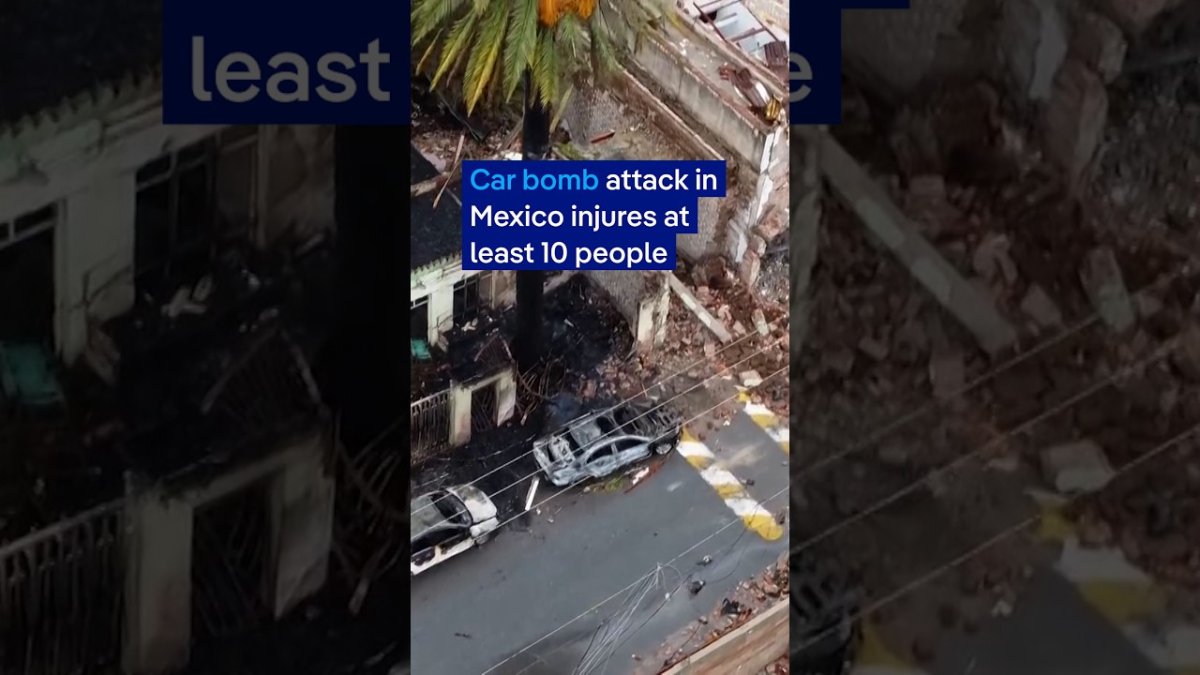
In a recent DW News report, the scene in Ojocaliente, Zacatecas, was one of shattered glass and twisted metal. On Sunday evening around 8:00 PM, a vehicle loaded with explosives detonated in front of the municipal police command (Comandancia de Policía Municipal), a building nestled in the urban zone and surrounded by family homes.
In a recent DW News report, the scene in Ojocaliente, Zacatecas, was one of shattered glass and twisted metal. On Sunday evening around 8:00 PM, a vehicle loaded with explosives detonated in front of the municipal police command (Comandancia de Policía Municipal), a building nestled in the urban zone and surrounded by family homes. The blast wave tore through the quiet streets, injuring 10 people and leaving dozens of families picking through the rubble of their own living rooms.
This attack is not an isolated incident but the latest escalation in a brutal war for control of a key trafficking corridor. For the roughly 20,000 residents of Ojocaliente, the explosion turned a routine Sunday night into a nightmare, forcing them to confront a terrifying reality: the cartel violence they read about in the news is now detonating on their doorsteps.
The Attack and Its Immediate Aftermath
The explosion occurred at approximately 8:00 PM on Sunday, August 30, 2026, in front of the municipal police station. The force of the blast was amplified by the station's location in the urban zone, where tightly packed family homes absorbed the shockwave. According to Zacatecas state prosecutor Cristian Paul Camacho Osnaya, the official toll stands at 10 people injured: 2 municipal police officers and 8 civilians. Two of the injured remain in serious condition, fighting for their lives in local hospitals.
Initial reports had placed the number of wounded at 6, but as rescue teams sifted through the debris, the figure climbed. Mexico News Daily later reported 11 injuries, including a policewoman, though the state prosecutor's office maintains the official count at 10. The blast caused damage to 17 buildings, ranging from shattered windows to significant structural damage to the police building itself. Critically, some civilians were hurt inside their own homes, mere meters from the epicenter of the explosion.
State government secretary Rodrigo Reyes confirmed the nature of the attack on Facebook, stating: "The explosive was placed in a private vehicle and caused physical damage to the station and properties located nearby." Investigators are now working to determine whether the bomb was detonated remotely, noting that the vehicle had been parked in front of the station for only a brief period before the explosion. Authorities are collecting public and private video footage to reconstruct the sequence of events and are examining two additional vehicles that may have been involved in the attack.
The Suspected CJNG Link and a Trigger Arrest
Prosecutor Camacho told journalist Azucena Uresti that the Cártel Jalisco Nueva Generación (CJNG) is the prime suspect in ordering the attack. The motive, authorities believe, is retaliation for an arrest made just 48 hours earlier. On Saturday, August 29, an 18-year-old from Aguascalientes, identified only as William "N", was taken into custody. The young man allegedly detonated a motorcycle loaded with explosives against Villa García municipal police during a joint Zacatecas-Aguascalientes operation in the municipality of Asientos.
The detainee, according to prosecutors, admitted to being a CJNG sicario (hitman). His arrest was a significant blow to the cartel's operational capacity in the region, and the attack on Ojocaliente appears to be a direct and violent response. Investigators found that one vehicle used in the Ojocaliente attack had a serial number matching a violent-theft report from April 2026 in Jalisco state, the home base of the CJNG. This forensic link reinforces the theory that the cartel orchestrated the bombing, using stolen vehicles to shield their operations.
The area around Ojocaliente has a well-documented, strong presence of both the CJNG and the Sinaloa Cartel, making it a volatile frontline in the ongoing cartel war. The use of a car bomb, a tactic more commonly associated with conflicts in the Middle East, signals a dangerous escalation in the tactics these organizations are willing to employ against Mexican authorities.
Zacatecas: A Key Trafficking Corridor Under Siege
Zacatecas is not just a battleground; it is a strategic prize. The state serves as a key drug-trafficking corridor linking central Mexico with the north and west, with routes used to smuggle cocaine, fentanyl, and methamphetamine toward the United States. Control of these routes means control of billions of dollars in illicit revenue, and both the CJNG and the Sinaloa Cartel are fighting fiercely for dominance.
The violence in Zacatecas has been relentless. In July, five bodies were found hanging from a bridge in Pozos de Gamboa, about 75 kilometers from Ojocaliente. The victims included a former mayor, civil servants, and businesspeople—a chilling message that no one is safe from the cartels' reach. This public display of brutality is a tactic designed to terrorize the population and intimidate local officials into submission.
For the campesinos and small business owners of Zacatecas, this violence is not abstract. It affects their ability to travel, to sell their goods at the tianguis, and to live without fear. The state's economy, heavily reliant on agriculture and mining, suffers when roads are closed and communities are terrorized. The cartels are not just fighting each other; they are strangling the daily life of ordinary Mexican families.
A Wave of Explosive Attacks in Less Than a Week
The Ojocaliente bombing was the third explosive attack against authorities in Zacatecas in less than a week, painting a picture of a coordinated campaign of intimidation. On August 27, just three days earlier, two state police officers of the Fuerza de Reacción Inmediata de Zacatecas (FRIZ) were wounded by homemade explosives on Federal Highway 54 near the municipality of Tabasco. The road was closed for eight hours while four more devices were found and detonated in a controlled manner by specialized teams.
This rapid succession of attacks suggests a deliberate strategy by the cartels to test the response capabilities of state and federal forces. The use of improvised explosive devices (IEDs) and vehicle-borne IEDs (VBIEDs) represents a significant tactical shift. These are not drive-by shootings or ambushes; they are sophisticated attacks designed to cause maximum damage and psychological terror.
Governor David Monreal has made public security a priority for his administration, but these attacks highlight the immense challenge facing state forces. The FRIZ, an elite unit created to respond to high-threat situations, is itself being targeted. The escalation in explosive attacks is a national concern, with officials noting that this tactic is on the rise across Mexico, not just in Zacatecas.
Impact on Ojocaliente Families and Communities
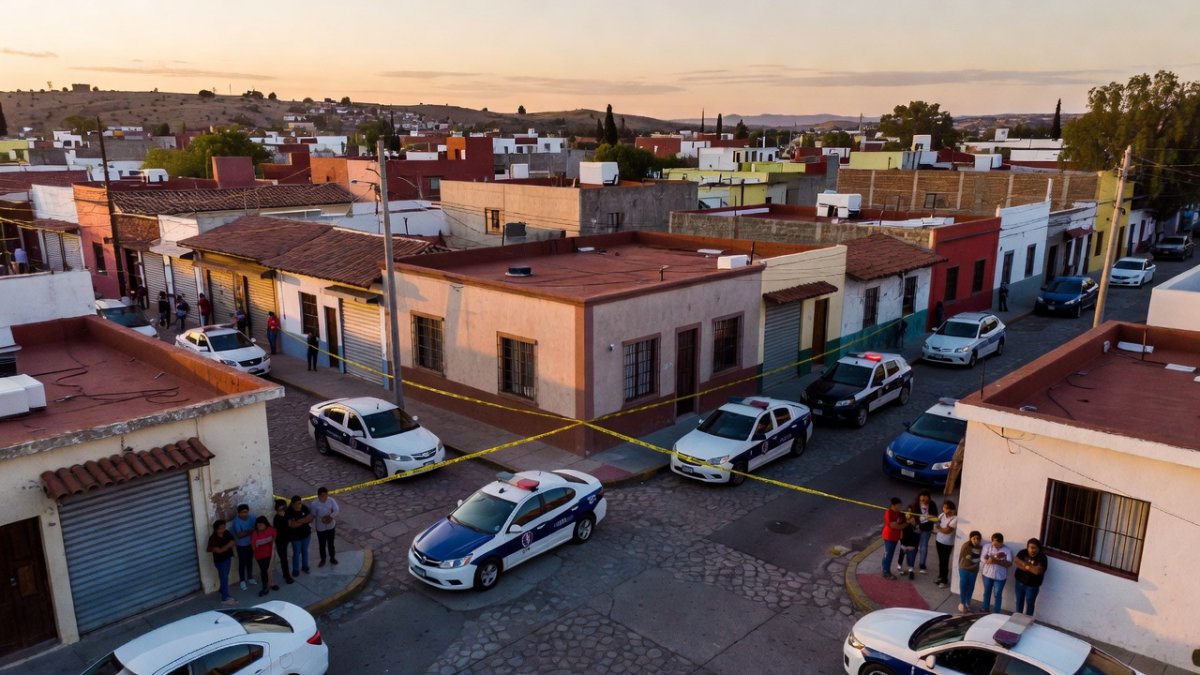
For the residents of Ojocaliente, the attack has shattered their sense of security. The police station, a symbol of public order, is now a damaged reminder of the cartels' power. Families who live near the station are grappling with the trauma of having their homes turned into war zones. In the hours after the blast, the neighborhood around the station was cordoned off as investigators combed through debris, and families of the injured gathered at hospitals in Zacatecas city.
The 8 civilians injured in the blast were not police officers or soldiers; they were ordinary people—parents, children, neighbors—caught in the crossfire of a war they did not choose. Two of them remain in serious condition, their families keeping vigil at hospitals in Zacatecas city. The community is now left to repair not only their homes but also their sense of normalcy.
Local businesses, already struggling in an environment of fear, face another setback. The damage to 17 buildings includes shops and homes, and the economic ripple effect will be felt for months. In a town of 20,000, everyone knows someone affected by the blast. The attack has also strained the relationship between the community and its police force, as residents question whether the station's presence makes them a target rather than a protection.
Reactions from Authorities and Officials
State government secretary Rodrigo Reyes was quick to condemn the attack, using his official Facebook account to reassure the public that the government would not be intimidated. "We will not allow these criminal groups to destabilize our state," he wrote, promising a thorough investigation and increased security measures. Prosecutor Camacho echoed this sentiment, vowing to bring those responsible to justice and to uncover the full network behind the bombing.
Governor David Monreal, who has made security his administration's top priority, is under immense pressure to deliver results. The attack on Ojocaliente is a direct challenge to his authority and to the state's ability to protect its citizens. The federal government, under President Claudia Sheinbaum, has also been notified, and there are indications that additional federal forces, including elements of the Guardia Nacional and SEDENA, may be deployed to the region to prevent further attacks.
The political implications are significant. Today, President Sheinbaum delivers her second annual government report (Segundo Informe de Gobierno) in Mexico City, with security among the key announced priorities. The timing of this attack, just days before the informe, sends a clear message from the cartels that they remain a formidable force despite the government's claims of progress. The killing of CJNG leader Nemesio "El Mencho" Oseguera Cervantes in late February 2026 by Mexican Armed Forces in Tapalpa, Jalisco, was supposed to be a turning point, but instead it sparked a wave of cartel unrest across several states, including Zacatecas.
What to Watch For: Sheinbaum's Informe and the Security Strategy
All eyes are now on Mexico City, where President Sheinbaum will deliver her Segundo Informe de Gobierno on Tuesday. Security is expected to be a central theme, with the president likely to outline a new strategy to combat the rising tide of cartel violence. The attack in Ojocaliente will undoubtedly be cited as evidence of the challenges ahead, but also as a reason for a more robust federal response.
The investigation into the Ojocaliente bombing is ongoing. Authorities are analyzing video footage, examining the two additional vehicles of interest, and working to identify all those involved in planning and executing the attack. The arrest of William "N" has provided a crucial lead, and prosecutors are hopeful that he can provide intelligence on CJNG operations in the region.
In late July, the US Treasury sanctioned CJNG members, and US authorities have stated that the cartel controls parts of Zacatecas for fentanyl and other drug production. This international pressure, combined with domestic efforts, may eventually weaken the cartel's grip, but for the families of Ojocaliente, the immediate concern is survival. They are demanding answers and action, not just promises. The coming weeks will be critical in determining whether the government can turn the tide against the cartels or whether the violence will continue to escalate.
For now, the people of Ojocaliente are left to pick up the pieces, their lives forever changed by a bomb that was meant to send a message. The message was received, but so was the resolve of a community that refuses to be broken.
By Rosa Martinez, Staff WriterThis article was produced with AI-assisted research and editorial support. Reporting is based on sources cited in the article.
What's Your Reaction?
 Like
1
Like
1
 Dislike
0
Dislike
0
 Love
0
Love
0
 Funny
0
Funny
0
 Wow
0
Wow
0
 Sad
0
Sad
0
 Angry
0
Angry
0

Latin America/Andes Correspondent at Global1.News. Based in Bogota, covering politics, environment, energy, and social movements across the Andean region. Passionate about environmental journalism and communities protecting their land.










Comments (0)