
Collapse at COP31 as countries fail to agree on moving away from fossil fuels
When the sun set over Antalya on Sunday, the atmosphere inside the conference hall was anything but bright. After more than two weeks of marathon negotiations, the COP31 climate summit – the longest ever held – collapsed under the weight of a single, stubborn phrase: “fossil fuels”.
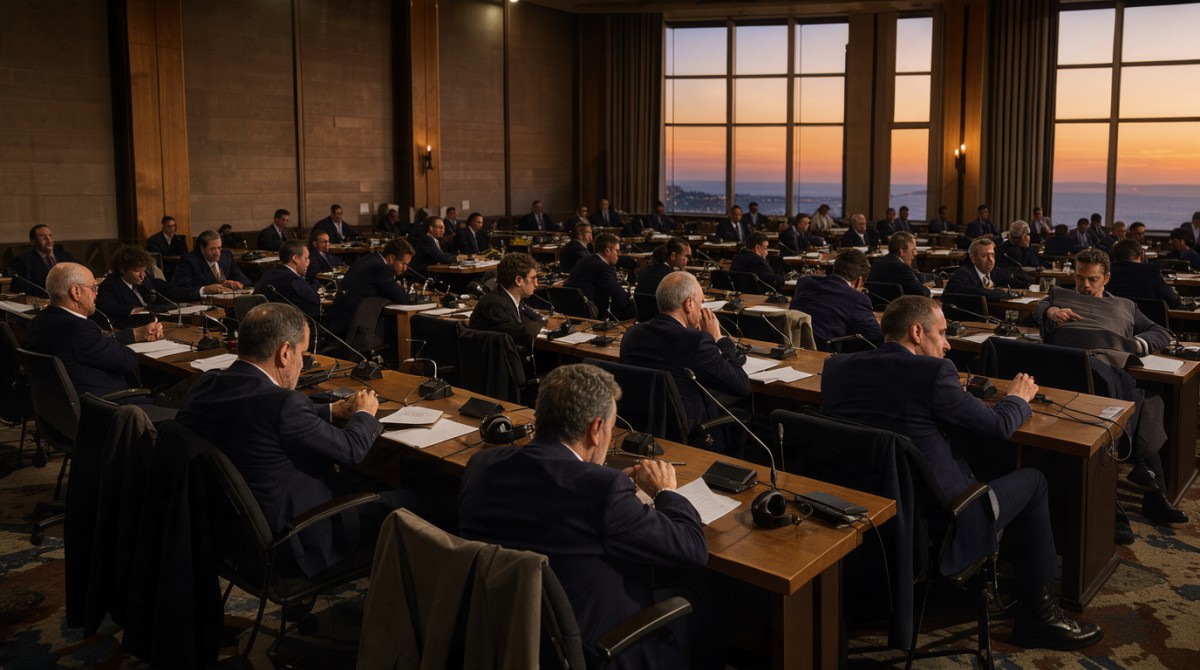
When the sun set over Antalya on Sunday, the atmosphere inside the conference hall was anything but bright. After more than two weeks of marathon negotiations, the COP31 climate summit – the longest ever held – collapsed under the weight of a single, stubborn phrase: “fossil fuels”. The failure to secure an overarching deal has left more than 190 nations, from the smallest island states to the biggest oil producers, staring at a widening chasm between ambition and reality.
The final showdown: why the Antalya Pact fell apart
Delegates gathered for the last meeting of COP31 with the expectation that the so‑called Antalya Pact would be signed. Instead, it became clear that consensus was unattainable. The crux of the dispute was whether the agreement should explicitly call for the world to move away from fossil fuels. Early drafts of the “cover decision” had urged an “immediate transition away from fossil fuels in energy systems”, but every subsequent version stripped the phrase out entirely.
More than 100 countries pressed to retain the language, yet the European Union, Panama, the Marshall Islands and Norway – among others – rejected the inclusion. Ireland’s climate minister, Darragh O’Brien, made it plain that the EU would not back a deal that “does not even mention fossil fuels”. With the United States absent from the talks, having withdrawn under President Donald Trump, the balance of power tilted towards oil‑rich nations that were unwilling to enshrine any commitment to phase out their primary export.
Leadership vacuum amid a global energy shock
The timing could not have been more precarious. While the world’s attention is riveted on the Iran war – a conflict that has triggered the largest energy supply shock in recent memory – the climate emergency is accelerating. A recent United Nations report warned that current policies will push global temperatures to a potentially catastrophic 2.8 °C, well above the 1.5 °C ceiling that scientists deem safe. The planet already sits at around 1.4 °C of warming, with stark consequences already visible, from the catastrophic flooding in Nepal to deadly heatwaves across Europe.
Experts described COP31 as “the worst ever COP” and a “shocking lack of urgency and leadership”. Mohamed Adow of Power Shift Africa called the summit’s collapse a wake‑up call, while former Irish president Mary Robinson lamented that the “recognition of the dangers of overshoot should have shaken leaders into action”. The absence of any consensus on moving away from fossil fuels has left the climate‑vulnerable nations – the very ones most at risk from rising seas and extreme weather – feeling abandoned.
Carbon capture: a tempting distraction?
Another flashpoint was the proposal to boost carbon capture technologies. While many scientists concede that carbon capture may play a role in limiting emissions, the technology remains expensive, unproven at scale, and, according to critics, a diversion from tackling the root cause of the crisis. Matt Webb of E3G likened reliance on carbon capture without reducing fossil fuel use to “trying to quit smoking without putting down the cigarettes”.
Negotiators and climate groups expressed concern that the draft agreement’s emphasis on carbon capture could effectively give polluters a free pass, allowing continued extraction of oil and gas as long as emissions are purportedly “captured” before reaching the atmosphere. This sentiment echoed throughout the talks, reinforcing the perception that the agreement was tilted in favour of the fossil fuel industry.
Finance: the missing piece of the puzzle
Financial support for adaptation was another area where the talks faltered. Developing nations, already bearing the brunt of climate‑driven disasters, urged richer countries to increase funding. The draft text suggested a goal to “at least triple adaptation finance by 2035”, yet it offered no baseline figures or concrete commitments. Harjeet Singh of the Satat Sampada Climate Foundation condemned the lack of specificity, accusing wealthy nations of refusing to “put money on the table”.
Without clear financial pathways, vulnerable Caribbean islands – still grappling with the cost of living pressures, rising crime rates, and the ever‑present threat of hurricanes – face an uncertain future. The absence of a firm financing framework at COP31 underscores the broader challenge of translating climate rhetoric into tangible support for those most in need.
Electrification pledges: a glimmer of hope
Despite the overall disappointment, there were some positive outcomes. More than 90 countries signed a pledge to accelerate the electrification of their economies. This commitment signals a growing recognition that shifting to clean electricity is essential for reducing reliance on fossil fuels, even if the broader agreement fell short.
For Caribbean nations, electrification offers a pathway to cut import‑dependent oil consumption, lower energy costs for households, and improve energy security. However, realising these benefits will require substantial investment in renewable infrastructure, grid upgrades, and capacity building – all of which hinge on the very financing that remained elusive at the summit.
Regional implications: Caribbean eyes on the fallout
The collapse of COP31 reverberates across the Caribbean, where climate vulnerability is acute. Nations such as Trinidad and Tobago, still wrestling with the high cost of living and a crime surge, also depend heavily on the energy sector – notably Petrotrin and Atlantic LNG – for economic stability. The lack of a clear global mandate to phase out fossil fuels leaves these economies in a precarious position, balancing short‑term revenue against long‑term sustainability.
CARICOM leaders have repeatedly called for stronger climate finance and clearer pathways to a low‑carbon future. The failure to embed fossil fuel transition language at COP31 weakens their negotiating leverage, making it harder to secure the support needed for resilient infrastructure, disaster preparedness, and a just transition for workers in oil‑dependent sectors.
Looking ahead: what next COP might learn
As the world turns its attention to the next climate summit, the lessons from Antalya are stark. The inability to agree on a single phrase – “fossil fuels” – demonstrates how deeply entrenched interests can derail collective action. Experts warn that without a decisive shift away from fossil fuels, the temperature overshoot projected by the UN report will become inevitable.
Future negotiations will need to address three intertwined challenges: securing a firm commitment to phase out fossil fuels, establishing a credible financing mechanism for adaptation, and ensuring that carbon capture does not become a loophole for continued extraction. For Caribbean nations, the stakes are especially high. Their islands sit at the frontline of climate impacts, and their economies are tightly linked to the global energy market. A robust, inclusive, and financially backed climate agreement is not just desirable – it is essential for the survival and prosperity of the region.
This article was produced with AI-assisted research and editorial support. Reporting is based on the source material cited below. Sources: CBC Barbados; cbc.bb; Global1.News (22 November 2026).
By Sharon Sahatoo, Staff Writer
What's Your Reaction?
 Like
0
 Dislike
0
 Love
0
 Funny
0
 Wow
0
 Sad
0
 Angry
0

Caribbean Correspondent at Global1.News. Based in Port of Spain, Trinidad, covering Caribbean politics, economy, energy, climate, and culture. Amplifying the voices and stories of the Caribbean region.













Comments (0)